A woman who sits staring into space, into a country that is not her husband’s or her children’s is known to be an offence against nature.
- “The Office”
Rocks, trees, water, snow. These things, constantly rearranged, made up the scene six months ago, outside the train window on a morning between Christmas and New Year’s.
- “Chance”
I used to send a card at Christmas, and I would write on it: to all my aunts, love and a Merry Christmas. I did that because I could not remember which of them were dead and which were alive.
- “The Stone in the Field”
My mother was making me a dress. All through the month of November I would come from school and find her in the kitchen, surrounded by cut-up red velvet and scraps of tissue-paper pattern.
- “Red Dress – 1946”
It was at a Halloween social in the church basement, bobbing for apples, that Violet and Trevor first met. Or first talked, because Violet of course had noticed him before in church, where he was the assistant minister. He said that he had noticed her, too.
- “A Queer Streak”
Every year, when you’re a child, you become a different person. Generally it’s in the fall, when you reenter school, take your place in a higher grade, leave behind the muddle and lethargy of the summer vacation. That’s when you register the change most sharply.
- “Child’s Play”
Roberta meant to keep busy illustrating books. Why hasn’t she done this? No time, nowhere to work: no room, no light, no table. No clear moments of authority, now that life has got this new kind of grip on her.
- “Labour Day Dinner”
On wet windy Sundays, snowy Sundays, sore-throat Sundays, I came out and sat in the United Church full of this unspeakable hope; that God would display Himself, to me at least, like a dome of light, a bubble radiant and indisputable above the modern pews.
- Lives of Girls & Women
She went out of the air-conditioned building into the stunning glare of a late afternoon in August in Ontario. Sometimes the sun burned through, sometimes it stayed behind thin clouds - it was just as hot either way.
- “Floating Bridge”
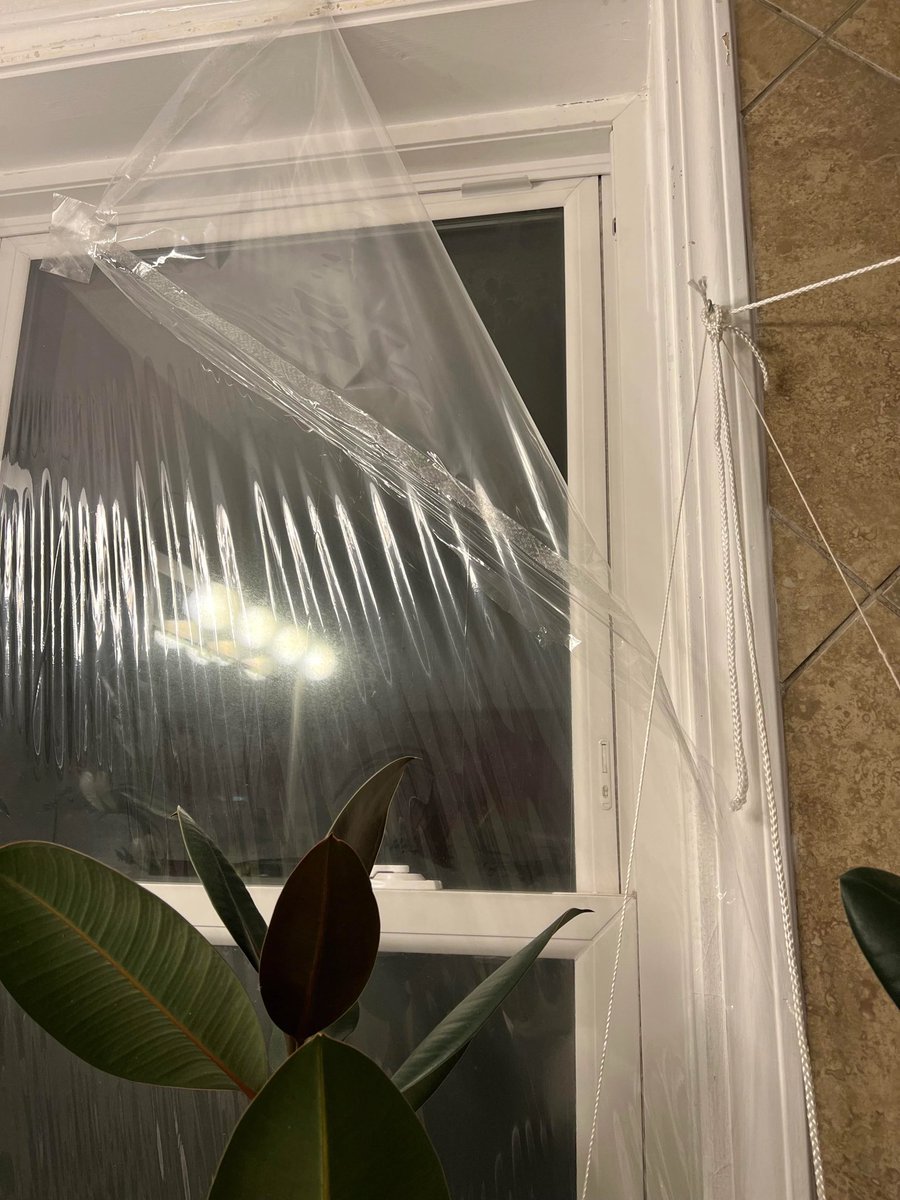
All last summer, she had kept the winter plastic tacked up over her front windows to save the trouble of putting it up again. Colin’s wife, Glenna, said that it gave her the same feeling as bleary glasses – she couldn’t stand it.
- “Monsieur les Deux Chapeaux”
“Loss is every child’s theme because by necessity the child loses its mother and its bearings. And writers, however mature and wise and eminent, are children at heart. So my central theme is loss — loss of love, loss of self, loss of God.”
- Edna O’Brien, 1930-2024
So this is the first time.
Such frights will come and go.
Then there’ll be one that won’t. One that won’t go.
But for now, the corn in tassel, the height of summer passing, time opening out with room again for tiffs and trivialities.
“What Do You Want to Know For?”
She keeps on hoping for a word from Penelope, but not in any strenuous way. She hopes as people who know better hope for undeserved blessings, spontaneous remissions, things of that sort.
- “Silence”
When I just had the two boys myself, no daughters, I felt as if something could stop now – the stories, and griefs, the old puzzles you can’t resist or solve.
- “The Progress of Love”
I gave myself up to it, as I did to the warm, shallow, rather murky waters of the Maitland River in summer, when I lay on my back, and just fluttered my hands and feet, and was carried downstream.
- “Jesse and Meribeth”