Community Engagement: Build strong relationships with your local community by participating in farmers' markets, educational events, and community outreach programs. Engaging with consumers fosters trust and loyalty in your brand.
Continuous Learning: Stay informed about the latest advancements in farming techniques, technologies, and regulations. Attend workshops, conferences, and webinars to expand your knowledge and skills.
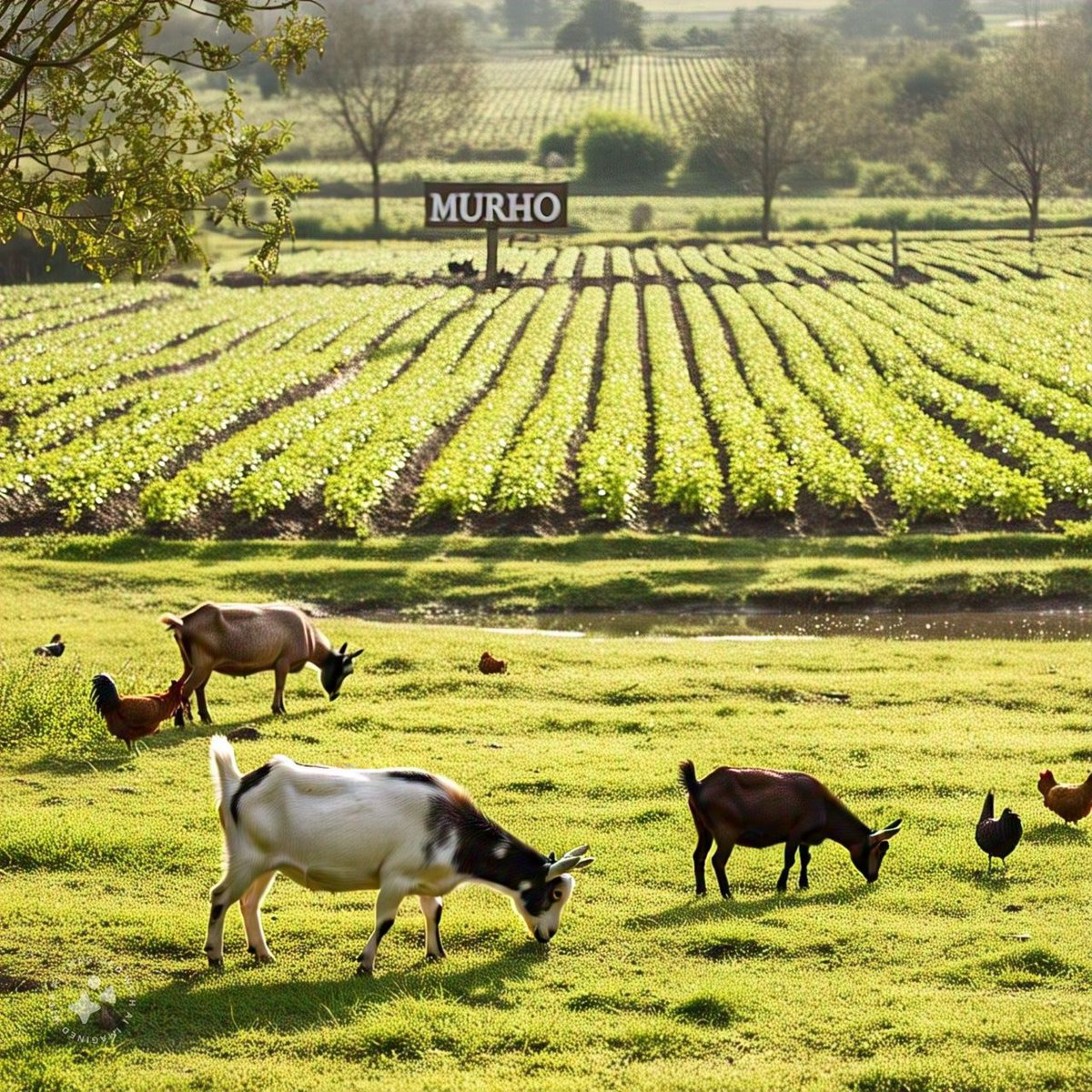
Diversification: Diversify your farm by incorporating multiple crops and livestock species. This not only spreads risk but also creates synergies within the ecosystem, such as using animal manure to fertilize crops.
Animal Welfare: Prioritize the well-being of your livestock by providing adequate shelter, nutrition, and healthcare. Happy and healthy animals contribute to a more sustainable and ethical farming operation.
Companion Planting: Explore companion planting techniques to naturally deter pests, improve soil health, and enhance crop yields. Planting compatible species together can create a harmonious ecosystem in your farm.
Integrated Pest Management (IPM): Embrace IPM practices by using a combination of biological, cultural, and chemical controls to manage pests and diseases effectively while minimizing environmental impact.
Water Management: Optimize water usage by employing drip irrigation systems and rainwater harvesting techniques. Conserving water not only saves resources but also promotes healthier plant growth.
Crop Rotation: Implement a crop rotation strategy to maintain soil fertility and reduce the risk of pests and diseases. Rotate crops annually to break pest cycles and replenish soil nutrients.
Know Your Soil: Conduct soil tests regularly to understand its composition and nutrient levels. This knowledge will help you make informed decisions about fertilization and crop selection.