We're hiring a Research Assistant! We need someone with writing, problem-solving, and relationship-building skills to provide project support for our research and consulting operations. Deadline to apply is May 1st! Apply or learn more: https://t.co/a5mY0Rq9H2
Over 50 percent of postpartum depression cases are underreported within the BIPOC community. As part of National Minority Health Month, I've written a blog about how maternal mental health conditions affect BIPOC individuals. https://t.co/88RuKTGt5Z @CommunitySols
My @CommunitySols colleague Julie Patterson of the AIDSs Funding Collaborative shared some data today about HIV diagnosis hot spots and the importance of services to prevent diagnose and treat the virus.
Ohio is considering changes to it's childcare rating and reimbursement system. @CommunitySols Research Associate Angela Maher wrote about why change is needed: https://t.co/ACx2gtfjut
With 3 children, we had an everchanging childcare situation - family caregiver, stay at home parent, nanny-share, childcare center - always with the goal to provide good care within our family's financial ability. Read more about childcare costs in Ohio: https://t.co/ACx2gtfjut
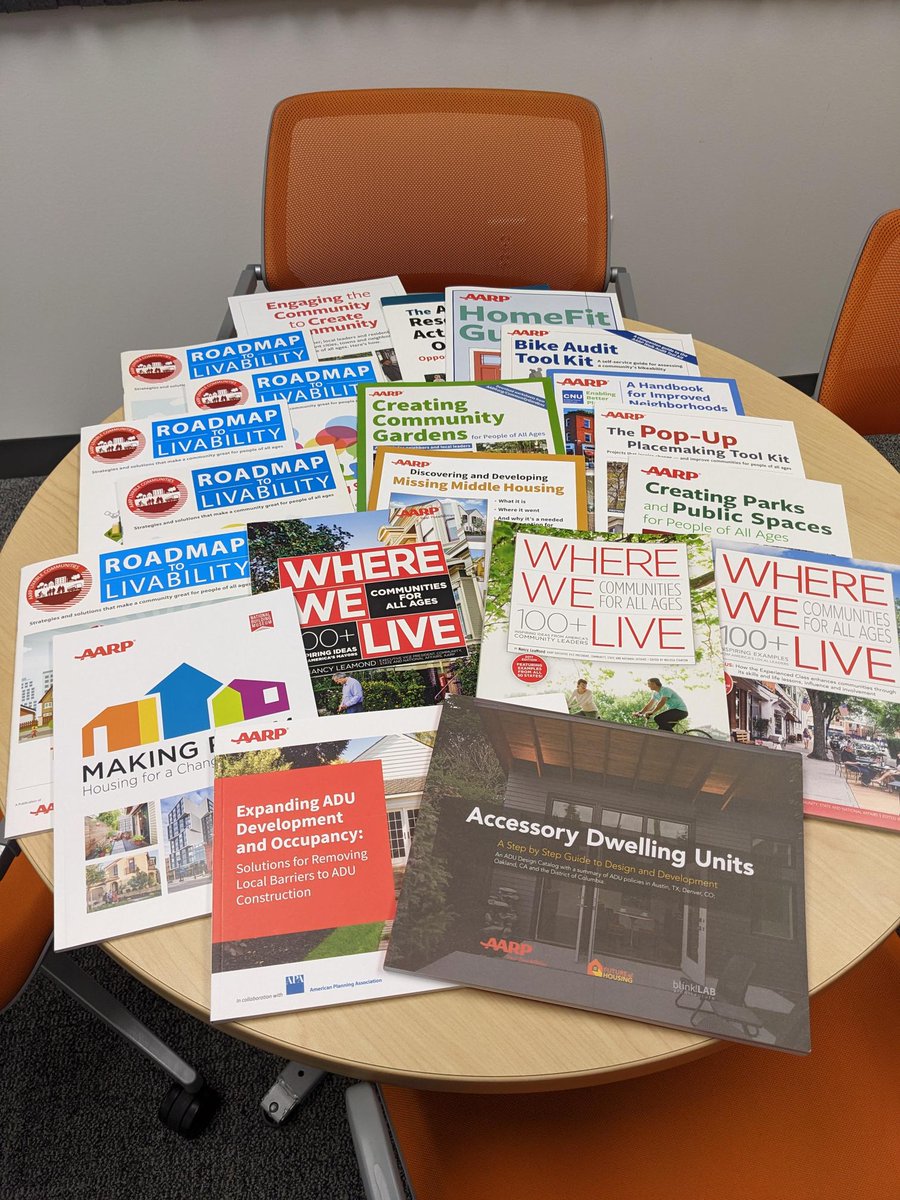
The @CommunitySols research team is doing some background work on promising and innovative practices in the aging field. Step one was to order all sorts of things from @AARPOhio@AARP.
.@CommunitySols Angela Maher and Suzanna Thiese are presenting data on the women of Ohio today. I have the great pleasure of leading a post webinar conversation with @TriCedu Mandel Scholars.
“Poverty rates are primarily a measure of income. Incomes and income supports for Ohio’s residents are not keeping pace with the cost of living,” Muttillo said. “If poverty rates continue to increase, it will impact the overall economic health of the state.”
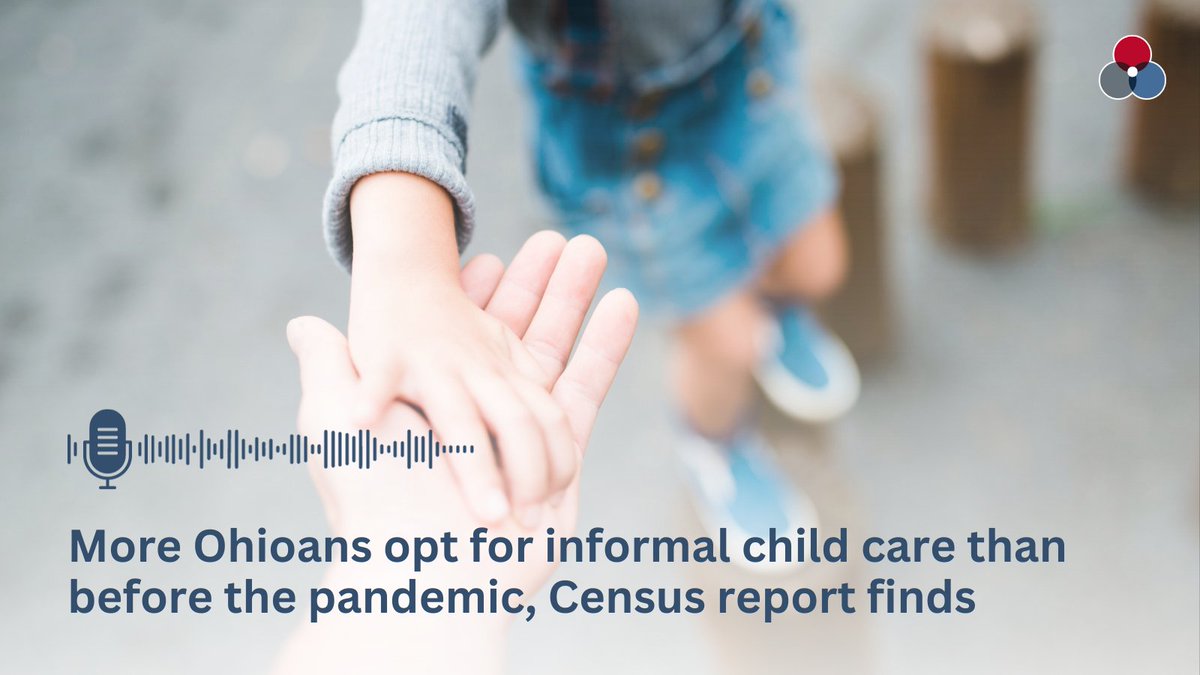
@MuttilloEmily shared new data with @Ideastream in late December. More Ohio children stayed with a parent or relative last year than before the pandemic, when caregivers favored more formal childcare. Listen here: https://t.co/597VKkBYw0
Join us on Thursday, January 25, 2024. Hear from our research experts, examining the more than 160 data points from 13 official sources packed into 88 fact sheets, tell the story of the health, social, & economic lives of women in Ohio. Register here: https://t.co/6uaNlA99Yn
60 years ago LBJ declared a War on Poverty. @CommunitySolsED Emily Campbell has written extensively on poverty including this blog about poverty in Cleveland https://t.co/8zjsE9hKrL
My colleague Dr. Suzanna Thiese provides a great summary of what we learned about women in Ohio when looking at data related to social conditions like education, civic participation and caregiving. Link below!
Social indicators that affect the status of women include civic participation, family structure, education, and relationships. Learn about how social indicators are affecting women in your Ohio county: https://t.co/hrCuujPR6x
Ottawa County has the highest percentage of women aged 65+ making up 26.5% of the female population. Union County has the lowest % of older women at 12.8%. In the state, 18.7% of women are aged 65+. Wondering about the numbers for your county? Fact sheet download link below!
What is the Status of Women in Ohio? The Center for Community Solutions has produced 88 fact sheets on the social, economic, and health indicators affecting women in each county in Ohio. Find your county here: https://t.co/naQFZ7Ybh3