On Lp(a) day, we are raising awareness of the heterogenous distribution of Lp(a) levels by genetic ancestry in Hispanic/Latino populations. Read more about a study we supported here:
https://t.co/ciGS15XB1A
#KnowLpa
At the Make Well Known Foundation, we're proud to have leaders like Dr. Rodriguez on our steering committee, guiding efforts to reduce disparities and improve outcomes in cardiovascular health. Together, we're building a healthier future for all communities.
🚀 Meet the Philadelphia Community Health Builders! This inspiring cohort is working to make healthy food accessible for all. Stay tuned for their journey as we build a healthier, take the White House Challenge! 💪🌍 #CommunityHealthBuilders
The https://t.co/QMRHvMpbDY website is designed for professionals, researchers, and advocates like you who are committed to advancing health equity. Explore our resources and join us in our mission to create a healthy, just world.
#HealthEquity#MakeWellKnown#PublicHealth
We're excited to share the launch of Make Well Known Foundation's new website!
This fresh look reflects our growth and impact over the past 8 years. Visit us at https://t.co/Jottm7CXMo
#CommunityImpact#HealthEquity#NonProfit#MakeWellKnown
Meet Maritza, Our New Public Health Program Manager! She will lead initiatives that drive impactful, evidence-based strategies, ensuring our mission to create healthier, more equitable communities is realized. Join us in welcoming Maritza to the team!#HealthEquity
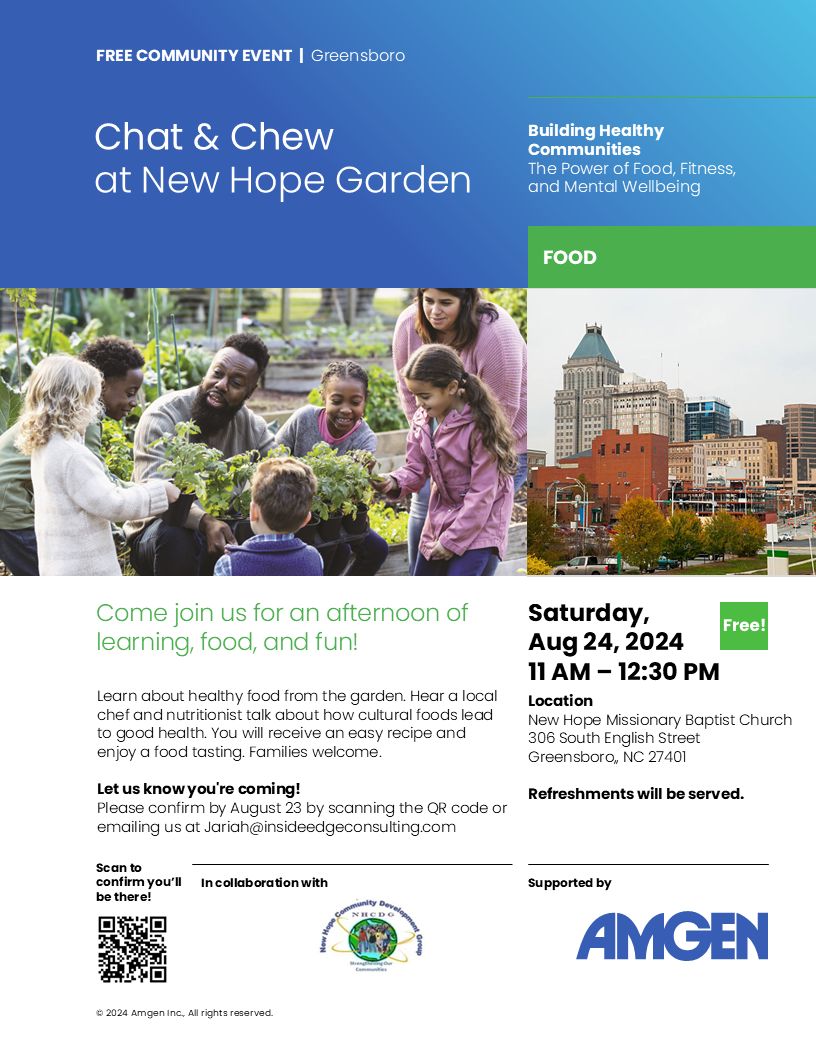
Greensboro, join us on Aug 24 for a free "Chat & Chew" at New Hope Garden! 🌱 Learn about healthy cultural foods, enjoy a tasting, and take home a recipe. RSVP by Aug 23! #CommunityHealth#GreensboroEvents#FoodAsMedicine
"Most fundamental to successful community–academic relationships is the understanding that research is conducted with (rather than for) community members. " https://t.co/Qav0nIUSQN
Ensuring patient safety in research studies is crucial, and IRBs play a significant role. However, now that more research being conducted within and in collaboration with communities, is it time to reconsider IRB procedures? A thought-proving CTA: https://t.co/A7F2QgMnpq
Hey there, Philadelphia! On July 27th at 9:00AM, Mama Tee Community Fridge cordially invites you to come over to 2203 Washington Ave for the Mama-Tee Pop-Up Grocery Store event.
July is dedicated to UV Protection Awareness! Despite the lower risk of skin cancer in people of color compared to Caucasians, the diagnosis often comes at later stages, making it more challenging to treat. - American Academy of Dermatology Association.
https://t.co/4Onj92BGer
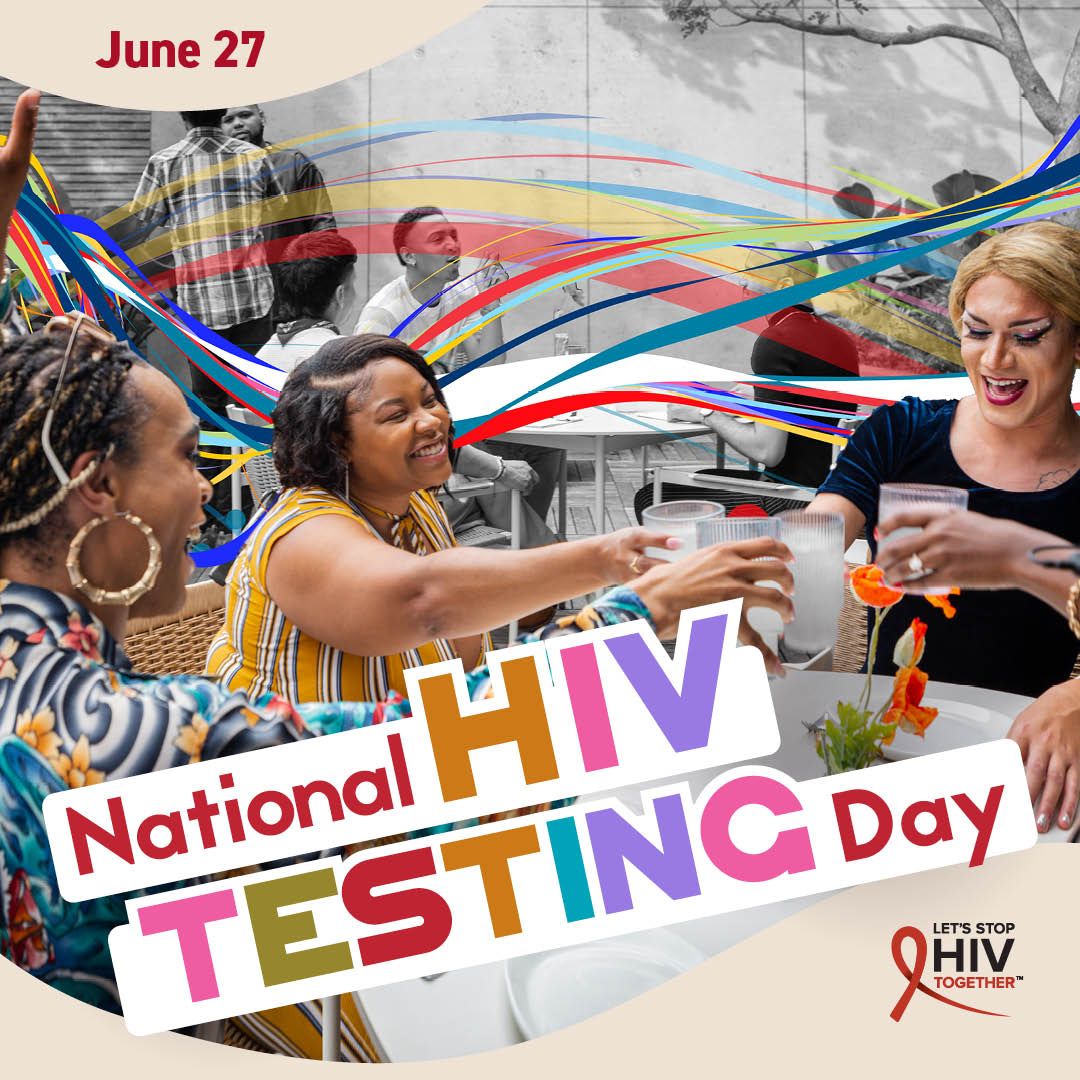
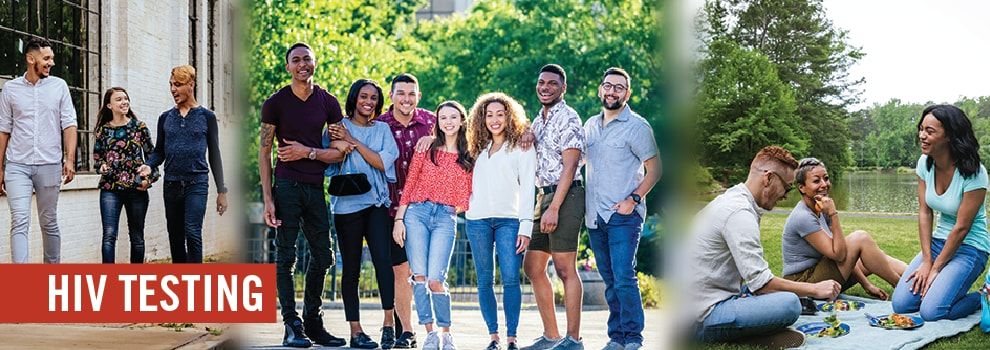
National #HIVTestingDay is June 27. No matter how you test, no matter your test results, you can take the next step for your health. Learn more about HIV testing options: https://t.co/jnTYodNR0N. #StopHIVTogether
Introducing The Men's Room, a unique platform supported by The @blkwomenshealth and executed by @UHR_DPP . This space brings together Black males not only for camaraderie but to collectively overcome health challenges. https://t.co/GGJXKu6mD4
Black Americans had nearly 800,000 excess cardiovascular deaths from 2000 to 2022. Please see this report on the recent JACC publications and my commentary on how we must find a better path forward.
https://t.co/FQKt9yR0CO
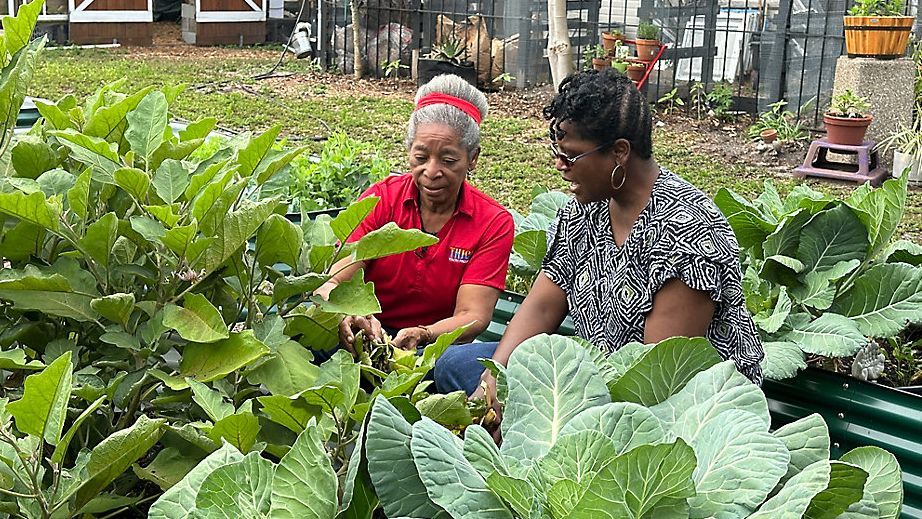
Shedding light on the commendable work of our Tampa Community Health Builders partner, Antoinette Davis. As the President and CEO of Envision Resolution, she concentrates her efforts on public health, specifically within the black community. https://t.co/MoJBGnJeqa
“In certain communities, if someone offers you food, it’s insulting to turn it down, even if you don’t need it,” Shah says, which can make eating healthy more difficult at group events.
A new risk assessment for heart disease found that 40% fewer people would meet the criteria for a statin prescription. The novelty of this model lies in its shift from race to zip code as a crucial parameter. What are your thoughts on this strategy? https://t.co/QBVeGHATwU"
"If health care is interpreted in the truest sense of caring for people’s health, it must be a practice that extends well beyond the boundaries of hospitals and clinics."
New paper led by @NilayShahMDMPH with @HeartDocSadiya
Differences in cardiovascular health scores between race and ethnic groups in MESA and MASALA can be explained by social factors: education was most important for South Asians https://t.co/L8SiRmRF4N