Currently drafting the most unhinged episode I've made since the Sycomore Fig. Should I be trying to outdo my pregnant wasp story? That's something I'm only willing to determine in hindsight.
12 Reasons Why Cities Need More Trees:
1. Temperature Control
One large tree is equivalent to 10 air conditioning units, and the shade they provide can reduce street temperature by more than 30%.
2. Noise Reduction
Trees can reduce loudness by up to 50%. In urban areas filled with the sound of cars, construction, sirens, aeroplanes, and music, trees are essentially the best way to block noise and keep cities — along with the homes and workplaces in them — quieter.
3. Air Purity
Trees remove an astonishing amount of harmful pollutants and toxins from the air. In urban areas air quality is often disastrously bad — with severe consequences for our health. Trees make the air we breathe much cleaner.
4. Oxygen
And, while absorbing all those pollutants, trees also put more oxygen back into the urban environment. Oxygen levels are significantly lower in cities compared to the countryside; trees help to solve that problem.
5. Water Management
Trees do more than just shelter us and our buildings from rain — which is, in fact, extremely important. They also absorb huge quantities of water, reduce run-off, neutralise the severity of flooding, and make flooding more unlikely altogether. Not to forget that their roots absorb pollutants and prevent them from feeding back into a city's water supply.
6. Psychological Health
Studies have proven what we instinctively know to be true: that human beings are significantly happier when surrounded by nature rather than sterile urban environments. Our emotions, behaviour, and thoughts are shaped by the places we spend time — and trees have a profoundly positive effect on our psychology. The consequential benefits of being happier and more peaceful — as individuals and as a society — are immense.
7. Physical Health
Beyond all the other ways in which trees improve air quality and the urban environment, much to the benefit of our health, they also encourage people to go outside. Cycling, running, and walking are all more common in urban areas with plenty of trees. A knock-on effect of people spending more time outdoors is also social integration and stronger communities.
8. Privacy
A simple point, but not inconsequential, is that trees provide privacy.
9. Economics
The total economic benefit of urban trees is hard to calculate. There are costs, of course, including the repair of infrastructure damaged by roots and maintaining the trees themselves. But the total economic benefit — a consequence of everything else in this list and more — far outweighs the expenditure. Trees make cities wealthier.
10. Wildlife
Trees are miniature cities all of their own, serving as a habitat for hundreds of different species, including birds and mammals and insects.
11. Light Pollution
Trees don't only block the light shining down, therefore keeping us and our cities cooler — they also disrupt light shining up, from street lighting, cars, houses, and billboards. Skies are clearer in cities with more trees.
12. Aesthetics
And, finally, trees are beautiful. They break up the potential monotony of urban environments — the sharp geometry, the greyscale roads and buildings, the endless rows of cars — with their trunks, boughs, canopies, and flowers.
Just think: the gold and red of falling leaves in autumn, the white and pink blossom of spring, the vast green canopies of summer, and the branches lined with hoar-frost in winter. Every single tree is a myriad of intricacy and texture, of colour and scent, of dappled light on the pavement, mottled bark, knotted roots, of clustered leaves and delicate petals and stern boughs.
Few streets would not be improved by the kaleidoscopic aesthetic delights of a tree, not to mention the many different species of tree, all over the world, whether willow, oak, lime, cherry, aspen, maple, birch, horse chestnut, dogwood, hornbeam, ash, sycamore... the list goes on.
There are some drawbacks to urban trees, most of them context-specific, and they are not — of course — universally appropriate. But it seems fair to say that many cities would benefit from at least a few more trees here and there.
Happy Birthday Smokey Bear! Remember to put your smokey hat on and #keeporegongreen as we move through the fire season. For wildfire prevention tips, visit https://t.co/HkkRYX1KJI.
The Sycomore Fig may not be the Sycamore, or the Fig, that you first think of. But it might just be your newest favorite tree! New episode all about the Tree of Life for several African indigenous communities.
https://t.co/MrnGTNx3PX
First episode of a new fruit tree miniseries is out now! How much do you really know about the tree that mangos come from? Find out on your podcast app of choice and look forward to the Pear and the Peach later this month
https://t.co/3T5fPpyhYf
What do Mangos and Poison Ivy have in common? More than you think! Check out the teaser below in anticipation for tomorrow's first episode in a new fruit tree miniseries. Or listen to the whole episode now on my Patreon!
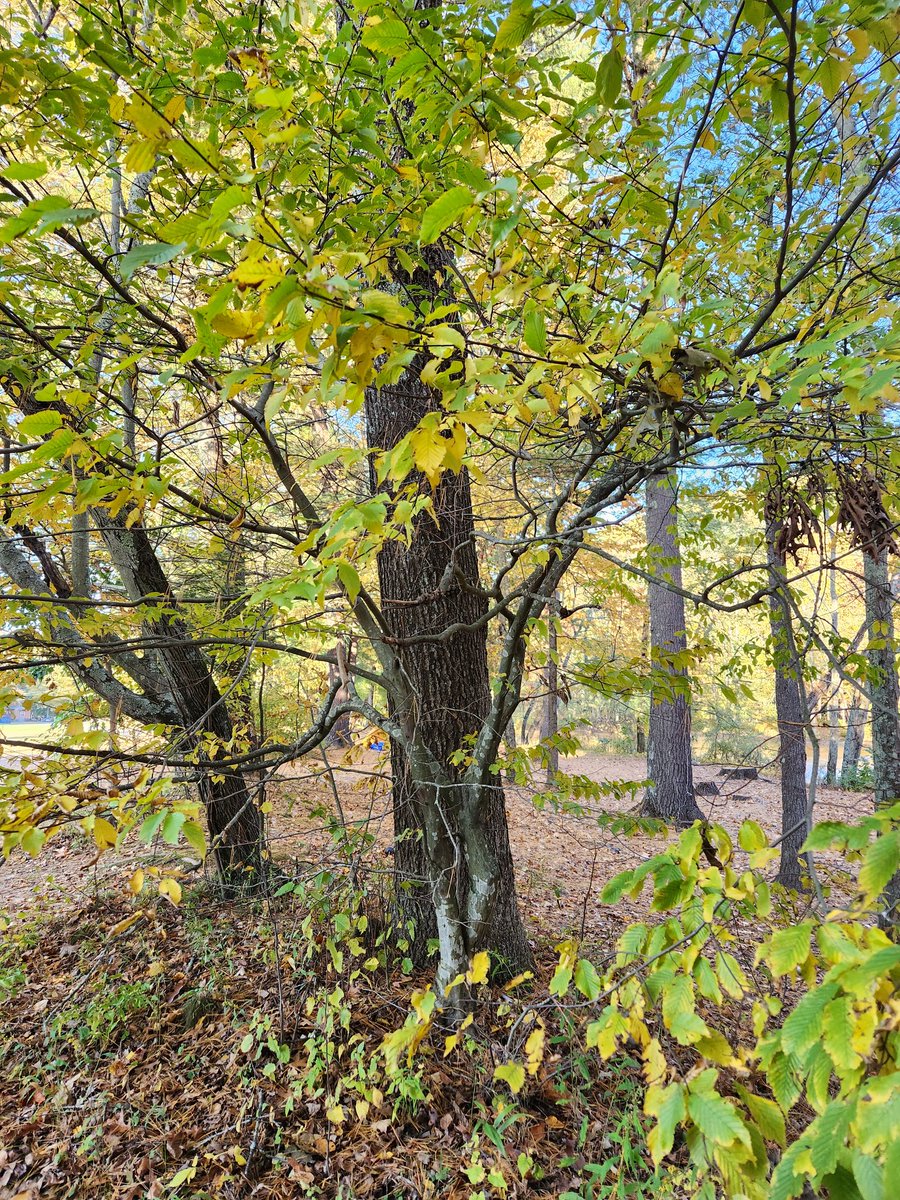
Happy #ArborDay from My Favorite Trees! Comment below what your favorite #tree is, or send me a pic of a tree you just really like. Here's my favorite species: Carpinus caroliniana, the American Hornbeam aka the Musclewood :)
On tree #TreeTuesday, I have another interview episode in store for you. I sat down with @_academygarden_, both the musical talent behind my theme music and a brilliant student working on his PhD in #scienceeducation. Check out our conversation on your podcast app of choice!
Happy #TreeTuesday! New episode about the Scots #Pine out now! On the #Celtic Ogham Calendar, it represents the day after the Winter Solstice--so why talk about it now? Check out the teaser below and find Episode 73 on your #podcast app of choice!
I've just launched a new series of bonus content videos on my #Patreon called "Tree Walks with Thomas." These will release on alternating Tuesdays between episodes. Head on over to https://t.co/2jqgAq6V8M and subscribe at the Treehuggers tier to get access to the first Tree Walk!
My production update for March is up on my #Patreon. It includes my list of upcoming episodes through May/June, ideas for new bonus content coming soon, and pictures of my sister's #cats. Subscribe at the #seedling or #treehugger tiers to check it out!
https://t.co/2jqgAq6V8M
The #Beech is one of the most requested #trees to be featured on my show. Find out why it is so loved and how it inspired the cover art of my #podcast. Happy #TreeTuesday from #MyFavoriteTrees
https://t.co/Nm5JkPoG8m
The newest episode of #MyFavoriteTrees is available now on my #Patreon. Subscribe now to get early access to this #podcast about the #Beech tree, and all my other episodes!
https://t.co/2jqgAq6V8M
Episode 69 of #MyFavoriteTrees is available on your podcast app of choice and on my Patreon, https://t.co/2jqgAq6V8M. "A Forest Journey: The Role of Trees in the Fate of Civilization" by John Perlin is available at https://t.co/VLzqrlAaJi or wherever you buy books!
On this exciting #TreeTuesday I sat down with author John Perlin to discuss the re-release of his 1989 book "A Forest Journey." We talk about what's in the new edition published by @patagonia and discuss our favorite aspects of tree history. Listen to the new ep and buy the book!
Yews can come in a ton of different forms, but one scientist believed all the Yews in the world were similar enough to be the same species, Taxus baccata. Find out more on my most recent episode of #MyFavoriteTrees
https://t.co/zH5VZSEvIk
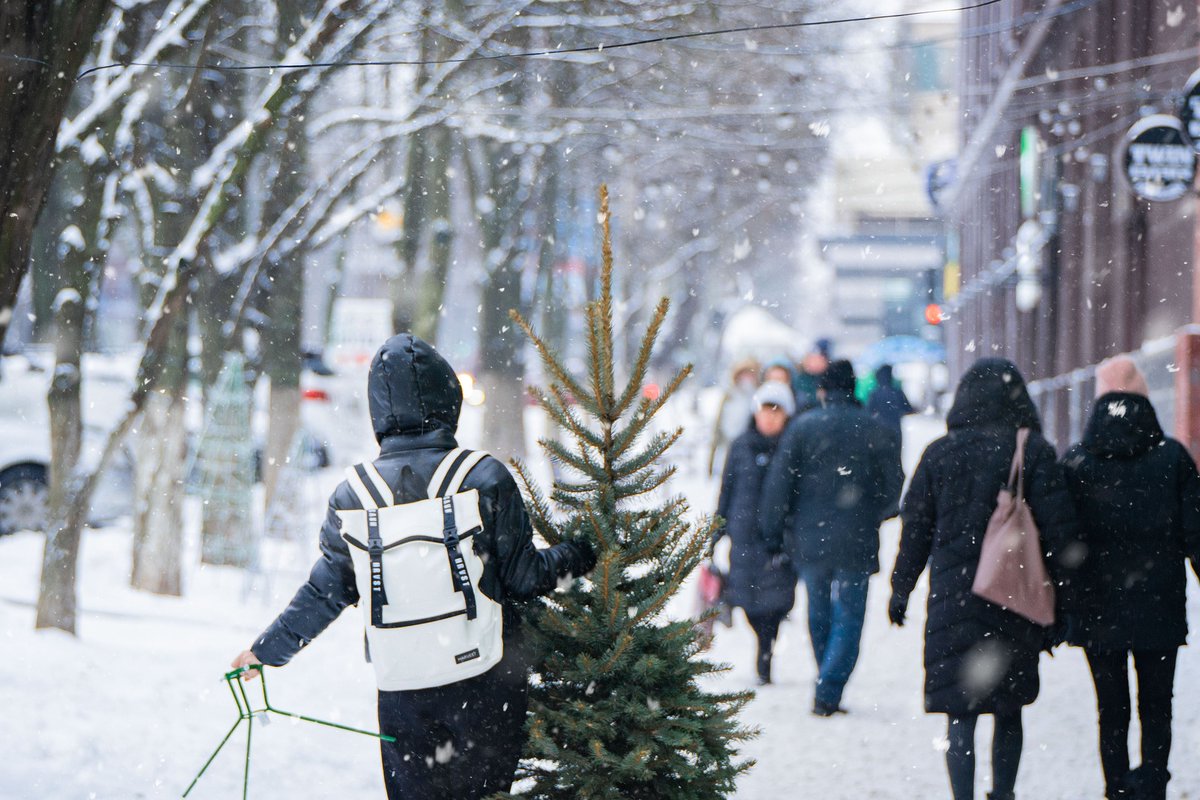
Merry Christmas to all trees, both the domestic indoor variety and the wild outdoor individuals. And also to the humans who celebrate the winter holidays with evergreens in their hearts!
https://t.co/yGuYLOb18o