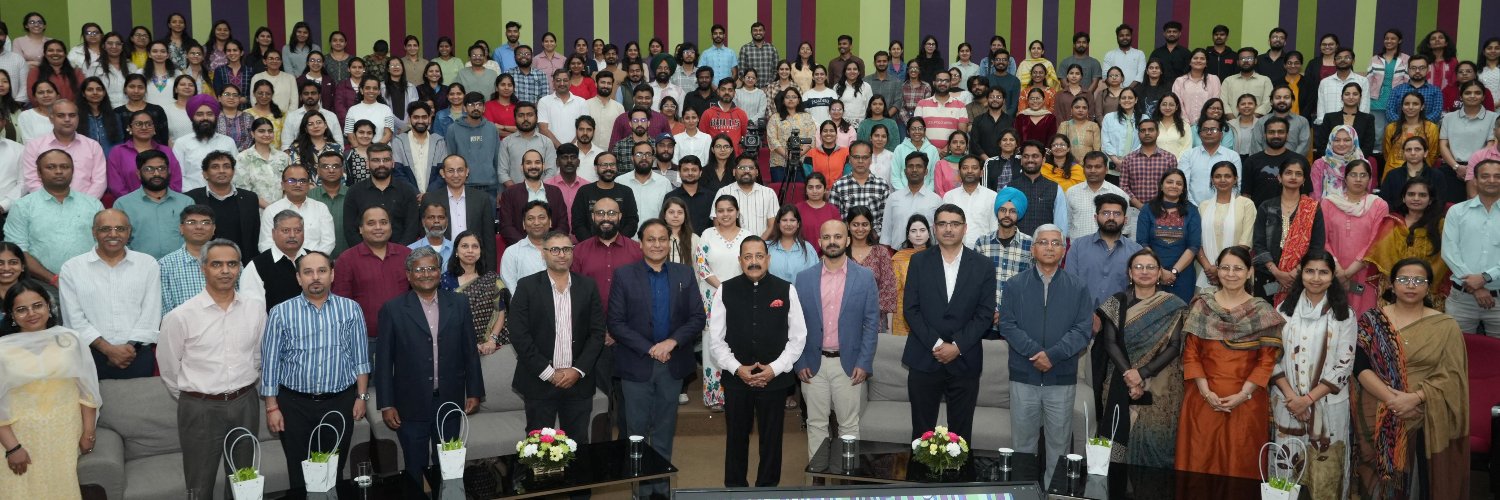
नगर राजभाषा कार्यान्वयन समिति(नराकास),मोहाली द्वारा ब्रिक-नाबी में हिंदी अंताक्षरी प्रतियोगिता आयोजित की गई,जिसमें मोहाली के विभिन्न विभागों एवं संस्थानों के प्रतिभागियों ने भाग लिया आयोजन का उद्देश्य हिंदी भाषा के प्रचार-प्रसार एवं सांस्कृतिक गतिविधियों को बढ़ावा देना रहा
Biotechnology is a domain for 🇮🇳🤝🇻🇳 ties.
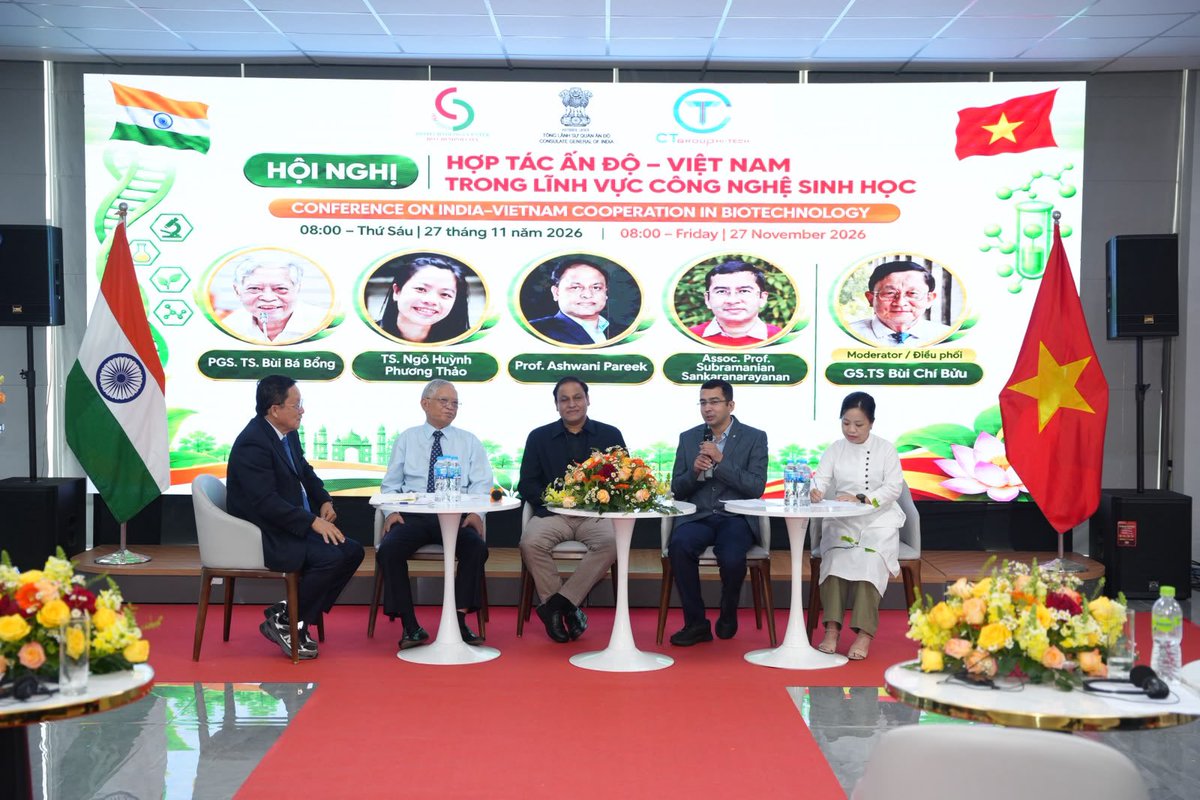
DBT Secretary Dr. Rajesh S. Gokhale delivered the keynote at the India–Vietnam Biotechnology Conference in HCMC. Prof. Ashwani Pareek, ED, BRIC-NABI, participated. Discussions covered agriculture, food security & medical biotechnology.
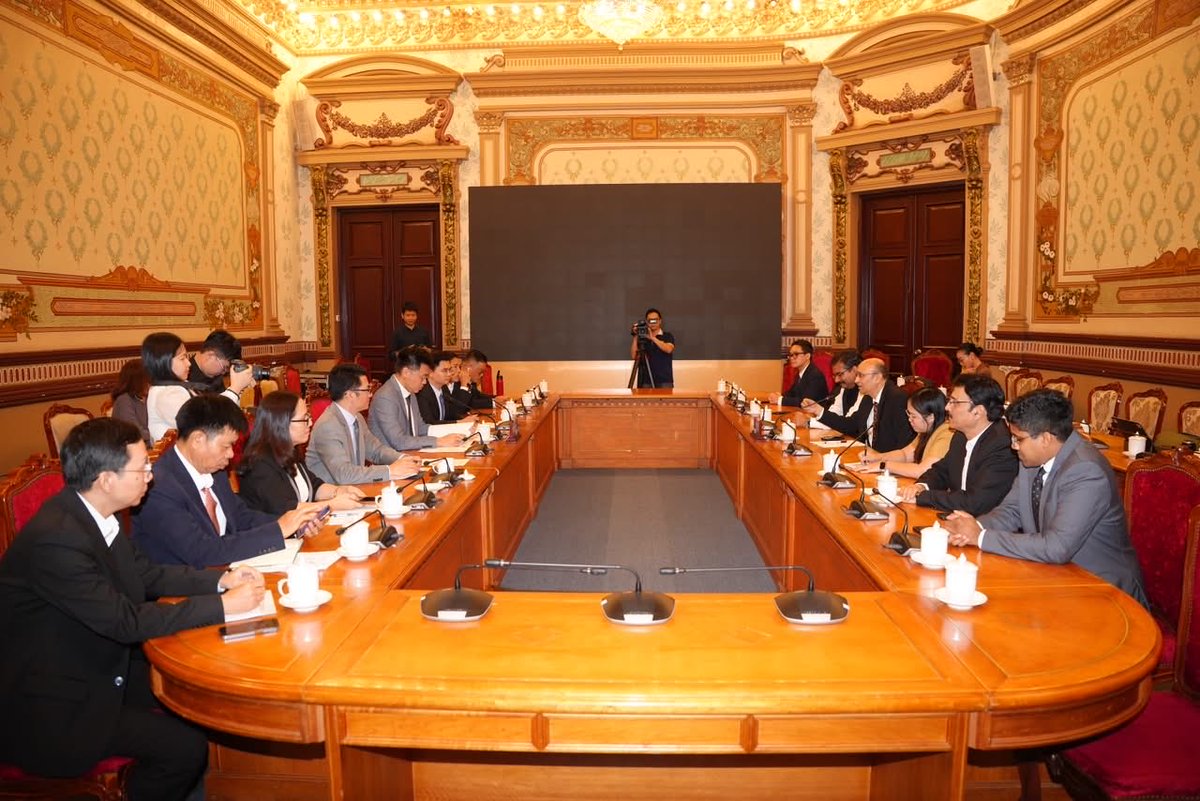
DBT Secretary Dr. Rajesh S. Gokhale met H.E. Mr. Le Xuan Dinh, Deputy Minister of Sci & Tech, Vietnam, to discuss strengthening bilateral cooperation in biotechnology. Prof. Ashwani Pareek, ED, BRIC-NABI, and Dr. Dhananjay Kumar Tiwari, MD, BIRAC, also participated in the meeting
Biotechnology is a rising domain for collaboration between 🇮🇳 🤝 🇻🇳.
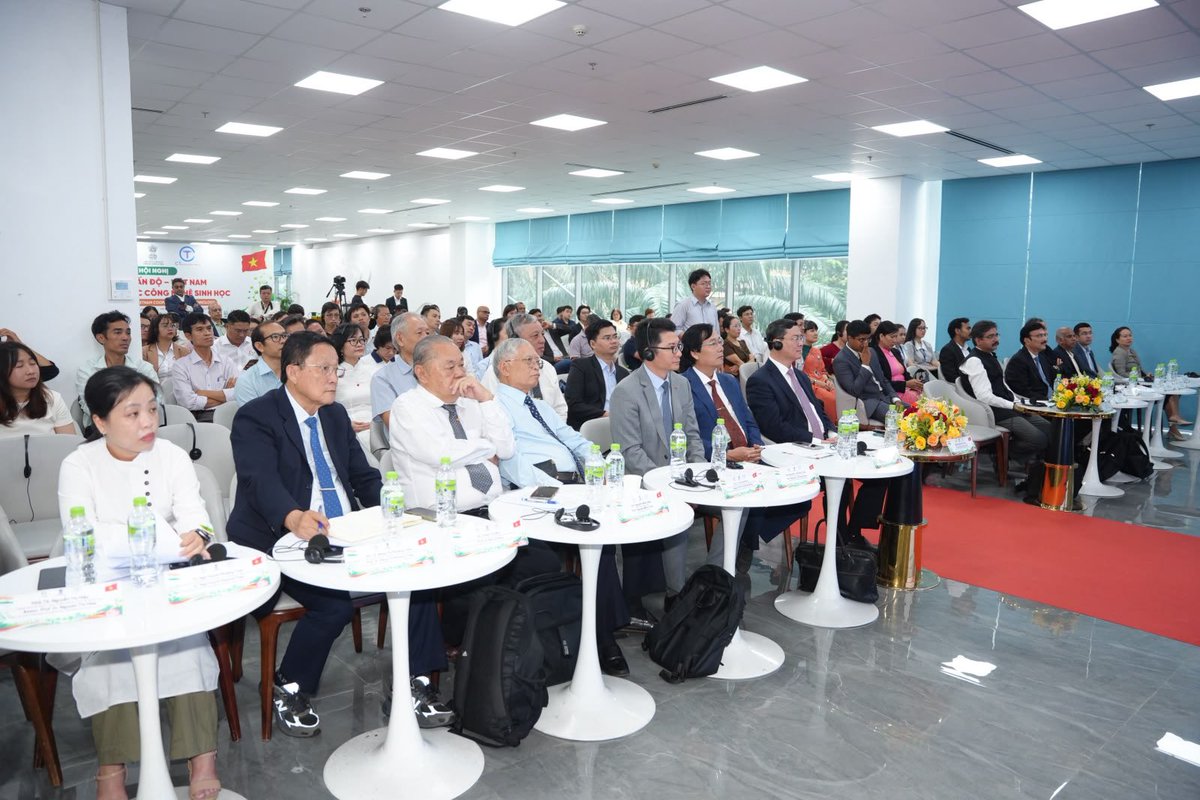
Secretary Department of Biotechnology Dr. Rajesh S Gokhale delivered the keynote address in the opening session of the Conference on 🇮🇳-🇻🇳 Cooperation in Biotechnology in Ho Chi Minh City (HCMC), today. Vice Chairman Mr. Nguyen Cong Vinh of People’s Committee of HCMC also addressed the gathering.
This conference is jointly organised by Biotechnology Center, Consulate General of India in Ho Chi Minh City @cghcm and CT Group.
Discussions were held between Indian and Vietnamese experts on cooperation in Sustainable Agriculture, Food Security, Medical Biotechnology and Biopharmaceuticals.
@AmbHanoi@MEAIndia@DrSJaishankar@PMOIndia
Today, Dr. Rajesh S Gokhale, Secretary of the Department of Biotechnology visited the Biotechnology Center in HCMC. The visit included a tour of the facilities at the Center including Analysis and Testing Labs and Plant Tissue Culture Labs.
Specific areas of cooperation in biotechnology between 🇮🇳 and 🇻🇳 including training programs for students and experts were also discussed.
@MEAIndia@IndianDiplomacy
Dr. Rajesh S Gokhale, Secretary Department of Biotechnology met with the leadership of the Ho Chi Minh City (HCMC) People's Committee yesterday evening.
The discussions explored possible partnerships in biotechnology, healthcare, climate-resilient agriculture, and startup ecosystems, laying the groundwork for institutional collaboration and capacity building programs between HCMC and 🇮🇳 partners.
——
Tối qua, Tiến sĩ Rajesh S. Gokhale, Thứ trưởng phụ trách Công nghệ Sinh học Ấn Độ, đã có buổi gặp gỡ với lãnh đạo Ủy ban Nhân dân Thành phố Hồ Chí Minh.
Buổi thảo luận đã tìm hiểu các cơ hội hợp tác tiềm năng trong lĩnh vực công nghệ sinh học, y tế, nông nghiệp thích ứng với biến đổi khí hậu và hệ sinh thái khởi nghiệp, qua đó đặt nền móng cho sự hợp tác giữa các tổ chức và các chương trình nâng cao năng lực giữa TP.HCM và các đối tác 🇮🇳.
@MEAIndia@AmbHanoi@IndianDiplomacy
BRIC-NABI and the Institute of Pesticide Formulation Technology, Gurugram, jointly organised a Farmers’ Awareness Programme on the safe and judicious use of pesticides and sustainable crop protection, bringing together around 300 farmers from across the region.
Presented my work during the TSLS2026 meet at BARC @DAEIndia ! Had wonderful time visiting their campus and witness many exciting work! Thanks @Ashish_barc for being wonderful host!
Wonderful to be in the campus of BARC, Mumbai (Anushaktinagar) @DAEIndia and as invited speaker during the Ist DAE-BRNS Trombay Symposium on Life Sciences 2026! Looking forward! Thanks @Ashish_barc for hosting us! ..Had some local Site seeing! @NABI_India
Walked through exhibition stalls showcasing diverse grassroots initiatives, traditional bamboo crafts, agricultural products and efforts of different States for Tribal Empowerment.
#JanjatiyaGairavDivas
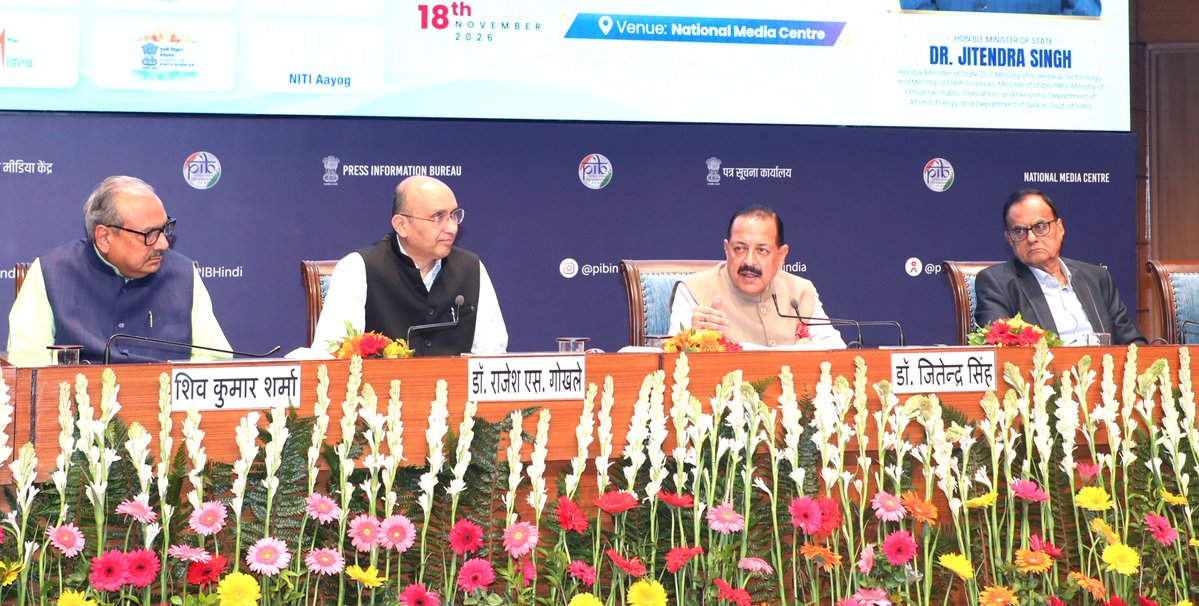
Launched the Curtain Raiser for the 12th edition of the 4-day "India International Science Festival" #IISF 2026, alongside unveiled the official festival website and brochure, at the National Media Centre, New Delhi.
IISF 2026, scheduled to be held in Pune from December 19 to 22 under the theme "India’s Science, World’s Future" (Bharat ka Vigyan, Vishwa ka Bhavishya), embodies PM Sh @narendramodi's vision of 'Vishwa Bandhu Bharat', where Indian scientific breakthroughs serve the welfare of the entire humankind. Infact the theme has already begun to be translated into action rather than remaining a slogan, a distinct example being the indigenous research kits developed by the Department of Biotechnology (DBT) and carried to the International Space Station (ISS) by Indian astronaut Shubhanshu Shukla, whose experimental outcomes will benefit the whole world. As India moves toward a frontline global position on the path to Viksit Bharat 2047, Indian science will increasingly shape the global scientific ecosystem.
IISF 2026 is designed to communicate complex, futuristic domains, ranging from gene editing, antibodies, and insulin production to next-generation energy sources and an immersive, larger-than-life walk-through 3D cell, in an engaging format tailored for diverse stakeholders. Beyond academic talks, including a special lecture by 2001 Nobel Laureate Sir Tim Hunt, the festival creates dedicated pathways for children, youth, women, existing and aspiring StartUps, entrepreneurs, and industry through B2B meetings, hackathons, and science safaris so that young minds can discover their aptitudes and turn ideas into enterprises.
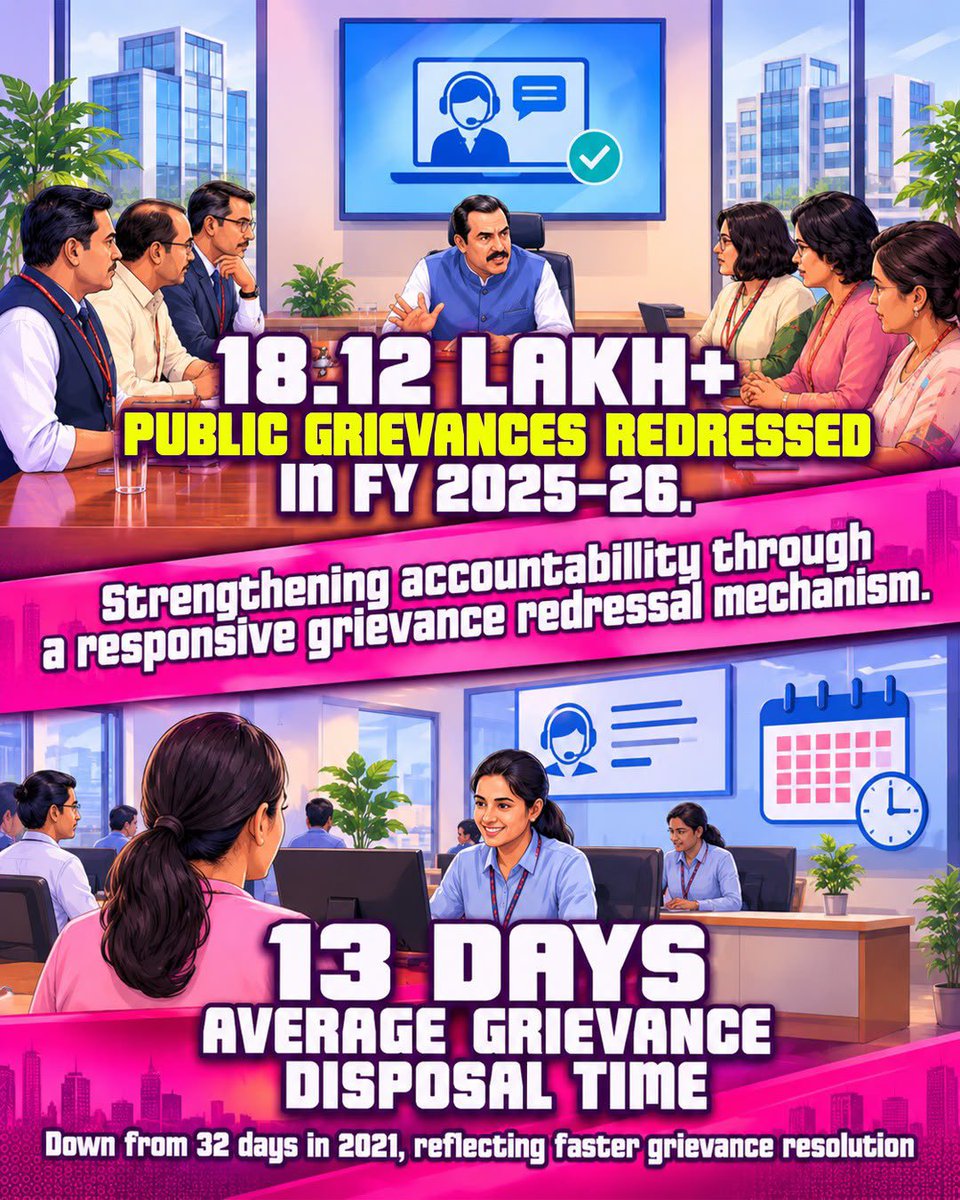
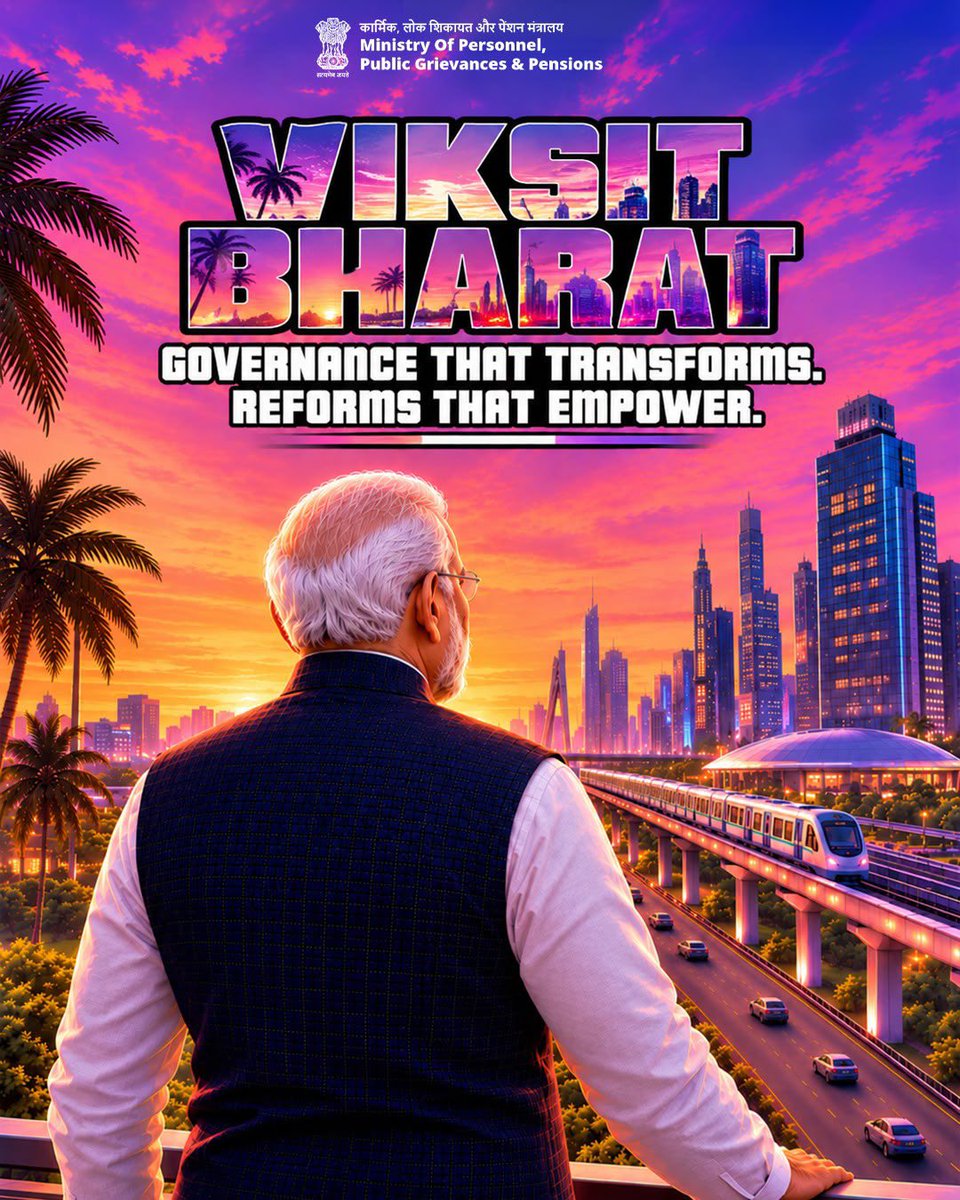
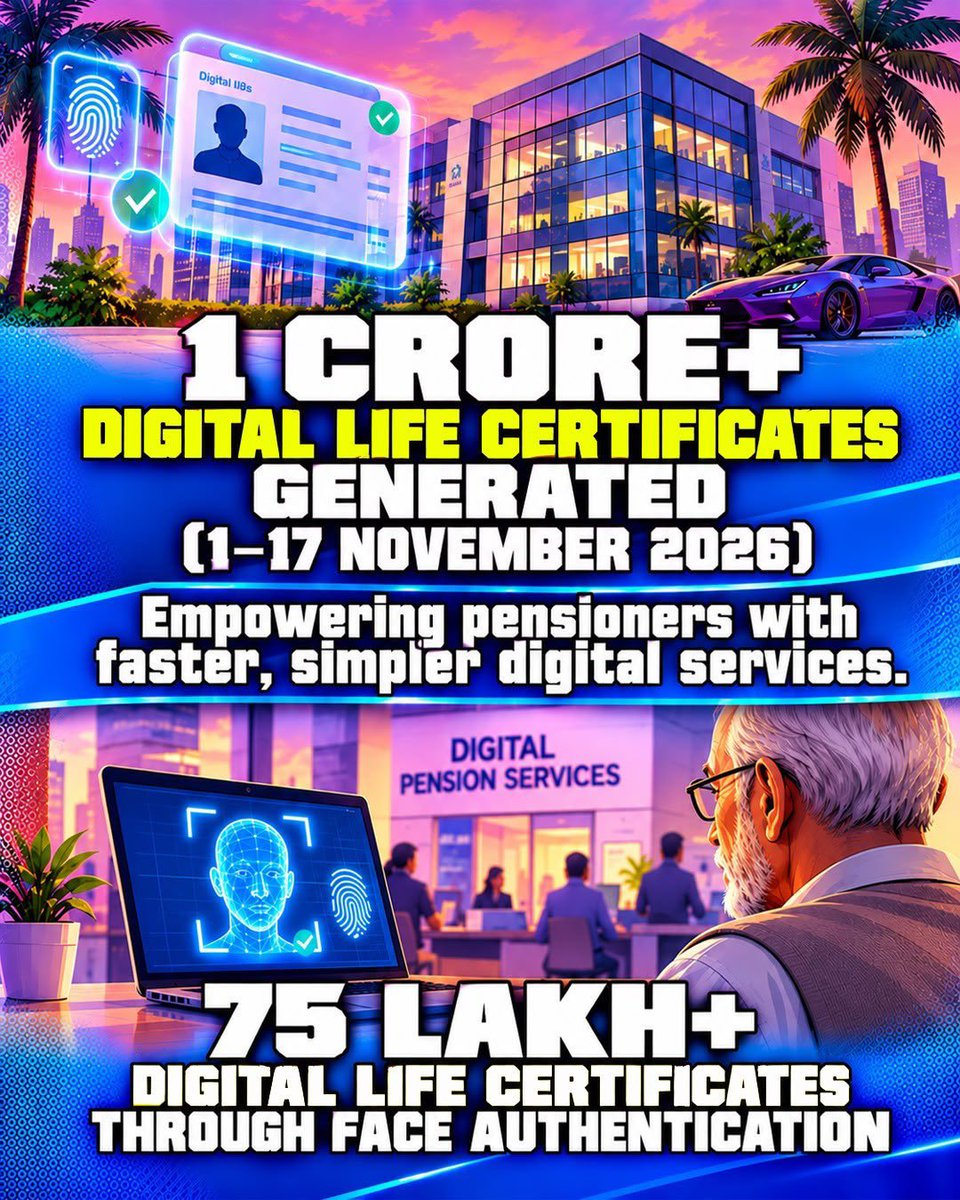
Under the visionary leadership of Hon'ble Prime Minister Shri @narendramodi, governance is being transformed through institutional reforms, digital innovation and citizen-centric initiatives.
From building a future-ready civil service to strengthening pensioner welfare and accelerating grievance redressal, the Ministry of Personnel, Public Grievances & Pensions is advancing a more efficient, responsive and accessible governance ecosystem for #ViksitBharat.
#DoPT #DoPPW #DARPG
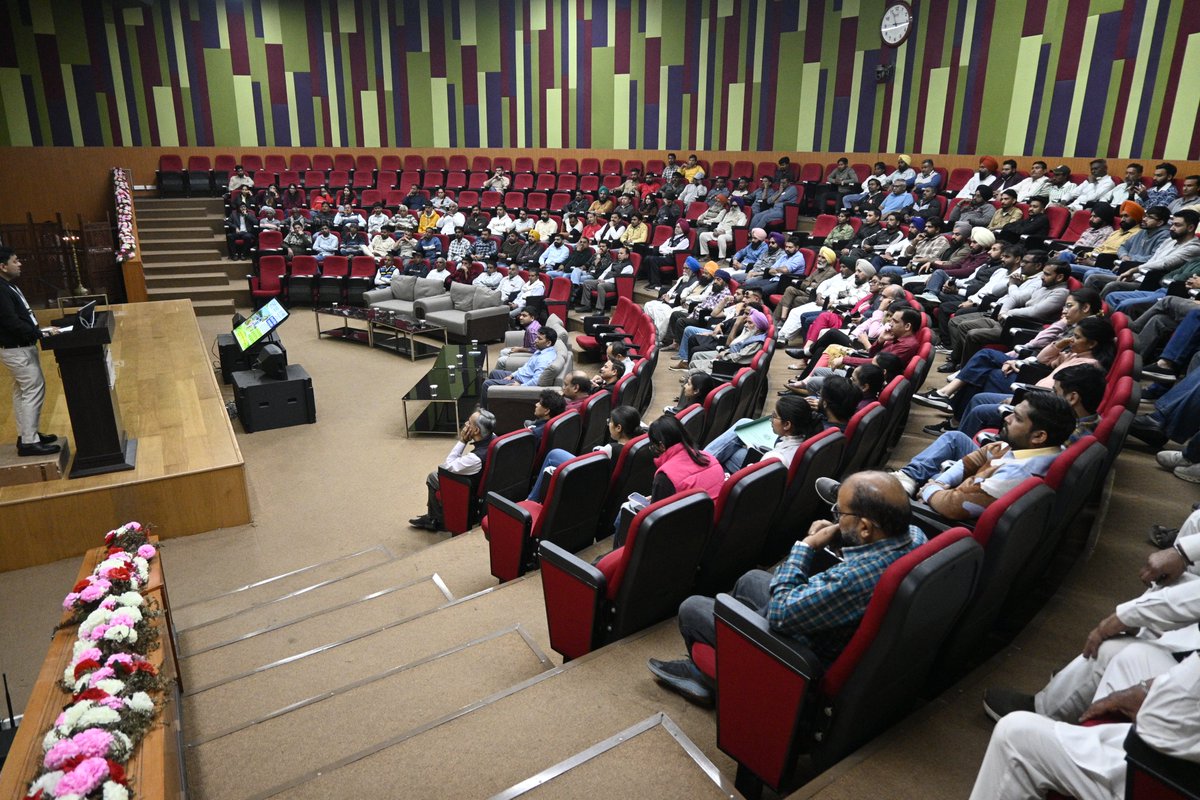
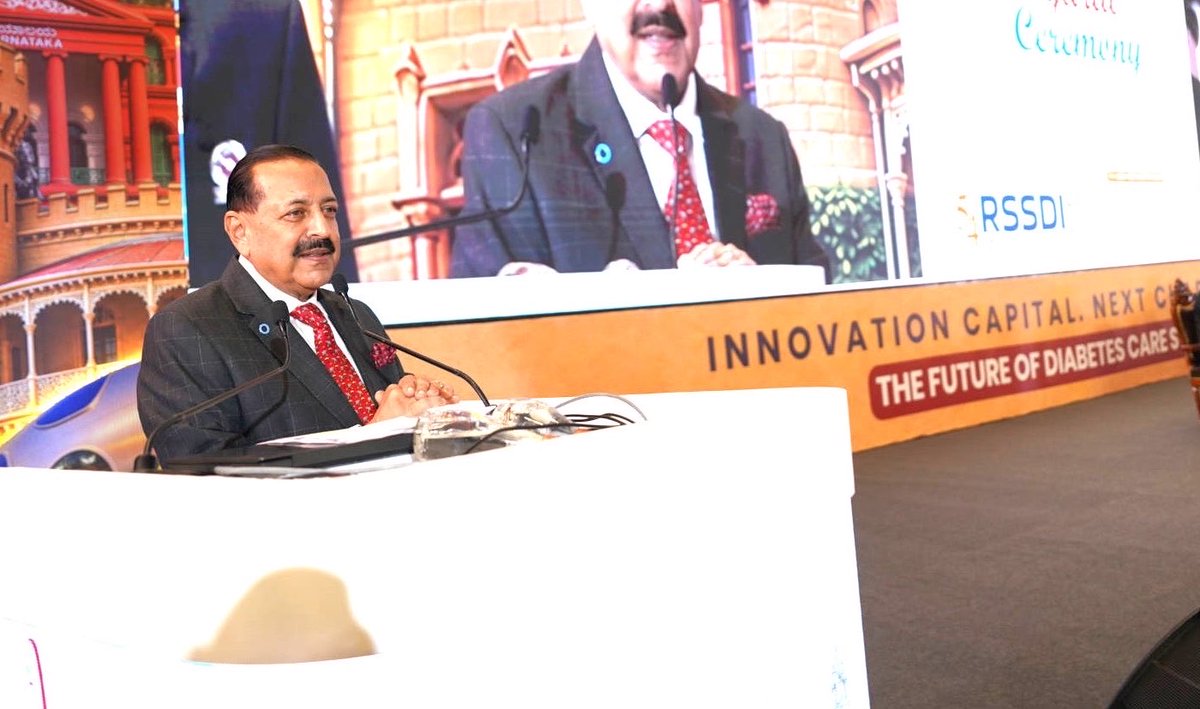
My Inaugural Address at the 4-day Annual Conference of the "Research Society for Study of Diabetes in India" (#RSSDI) at #Bengaluru.
Key Takeaways:
"Research today is increasingly focused on the prevention and control of Type 2 Diabetes Mellitus through next-generation molecular and genetic solutions. India’s vast population and genetic diversity offer a unique opportunity to develop scientific insights and healthcare solutions with relevance not only for the country, but for the entire mankind.
Prevention of Diabetes, obesity and related metabolic disorders, particularly among India’s youth, is a national responsibility not merely a doctor's obligation, thus requiring collective action beyond the healthcare fraternity. None less than PM Sh @narendramodi has been reiterating this point.
India is emerging as a global research hub for Diabetes, Genetic Disorders, Precision Medicine and Next-Generation Health Solutions. Over a dozen Diabetes-related research projects are underway under the Ministry of Science & Technology, largely through Department of Biotechnology (DBT) with focus on molecular and genetic solutions.
Noteable among the ongoing studies is an Indo-Danish Gut Microbiome Study.Another DBT-supported study involves genetically engineered E. coli capable of producing GLP-1. One of the studies seeks to explore possibilities of preconception-to-early-childhood interventions reducing cardiometabolic risks, including childhood blood glucose, blood pressure and adiposity. Then there is a study to identify biomarkers for predicting Type 2 diabetes among women with a history of gestational diabetes. Also there is a study investigating the link between Type 2 Diabetes and Metabolic Dysfunction Associated Fatty Liver Disease (MAFLD)”.
Remembering the great physicist, #BharatRatna Sir #CVRaman on his death anniversary.
His groundbreaking research in the field of Science & Technology called “Raman Effect”awarded with first Nobel Prize for Physics in 1930 in #Asia for any science stream.
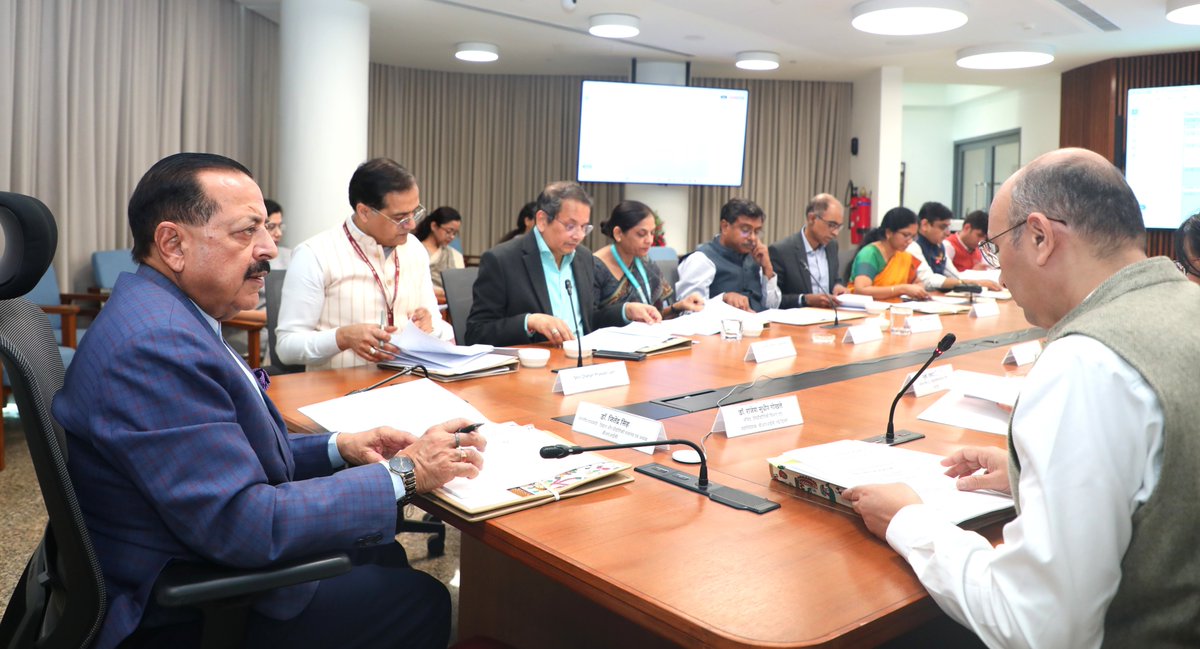
Chaired the Annual General Meeting of the #BRIC Society (Biotechnology Research & Innovation Council).
The integration of biotechnology research institutions under the Biotechnology Research and Innovation Council (BRIC) was among the first initiatives of its kind in the Government of India, demonstrating a pioneering model of institutional integration that has subsequently inspired similar approaches across other organisations. The initiative was conceived to bring institutions together through shared resources, collaborative science and integrated governance, while retaining their scientific strengths.
Following the rollout of Biotechnology Policy BioE3 by the @narendramodi government, India's biotechnology landscape has undergone transformation, with the bioeconomy growing from around USD 10 billion to over USD 195 billion. Our target of building a USD 300 billion bioeconomy by 2030 and a USD 1 trillion bioeconomy by 2047 calls for greater scale in scientific innovation, research translation, industry participation and talent development.