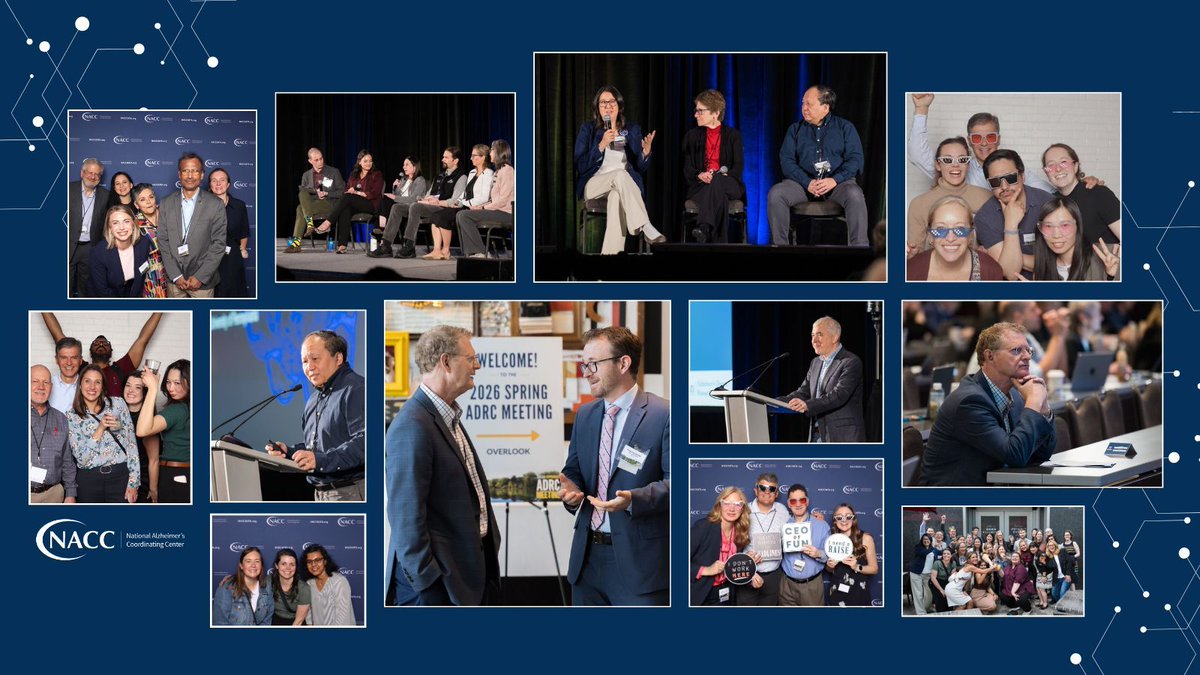
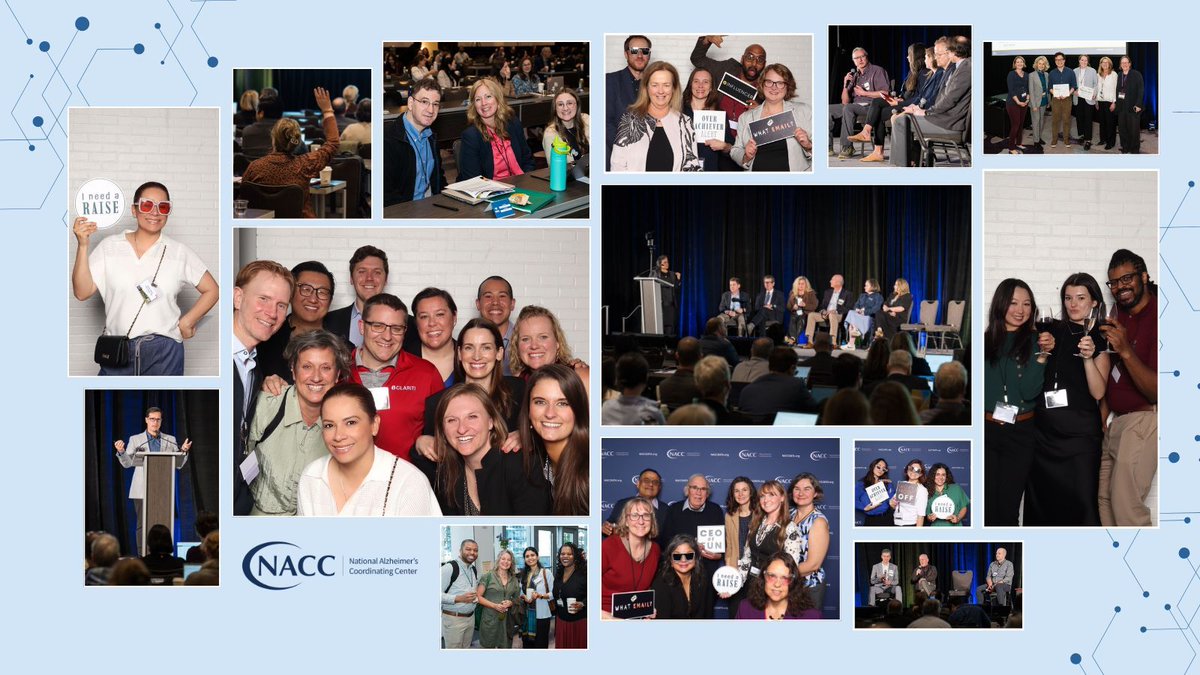
Here at NACC, we're proud to be a leader in the modernization of data collection, integration, and accessibility to advance Alzheimer's research! These strides could not have happened without everyone who has helped us make the last 27 years of research possible.
Everyone can support the fight against Alzheimer’s - including you! June is Alzheimer's and Brain Donation Awareness Month. Today, we're encouraging conversations and awareness about the brain and AD/ADRD. Join us throughout June to learn more about how you can make a difference!
Looking to analyze NACC data? Don’t miss AD Workbench, a data sharing and analytics environment from @Alzdata! This platform is both free and user-friendly, empowering researchers across the globe to analyze data. Get started at https://t.co/6csdxUD4Yx to learn more!
Across the ADRC network, the NACC Navigator is a central communication hub. From ADRC announcements and programming to research and community perspectives, the NACC Navigator is your place to find resources from across the field!
Subscribe at https://t.co/mgi7QRs3hv
Early detection is the key to improving outcomes in Alzheimer’s disease and related dementias (AD/ADRD), and researchers across the country are utilizing AI and machine learning to improve understanding of AD/ADRD progression.
Read the article at https://t.co/yGg9mIlp1K
Looking for ways to fund your research or training? Learn more below!
Institutional Training Programs: https://t.co/xoYfqrCajU
Alzheimer's Disease Strategic Fund: https://t.co/H9M0U2AzIu
NBER READ Award and NBER EC-READ Award: https://t.co/ekKde9neRs
🩺 Happy Clinical Trials Day! Today, we recognize clinical research professionals across our 37 ADRCs, as well as patient volunteers who help power medical breakthroughs. Thank you for your help in supporting our AD/ADRD research!
Learn more at https://t.co/PdxBD5tsHS
New research using a case-control study of more than a thousand NACC participants suggests that persistent behavioral changes in older adults may help identify increased AD/ADRD risk before significant cognitive decline appears.
Read the article here: https://t.co/ZpgDR98NuA
Join us on June 10 from 12-1 pm ET for a webinar on how machine learning-based quantification and Subtype and Stage Inference (SuStaIn) modeling were used to evaluate neuronal, oligodendrocytic, and astrocytic α-syn pathology in PD!
Register at https://t.co/7v0i61WHqm
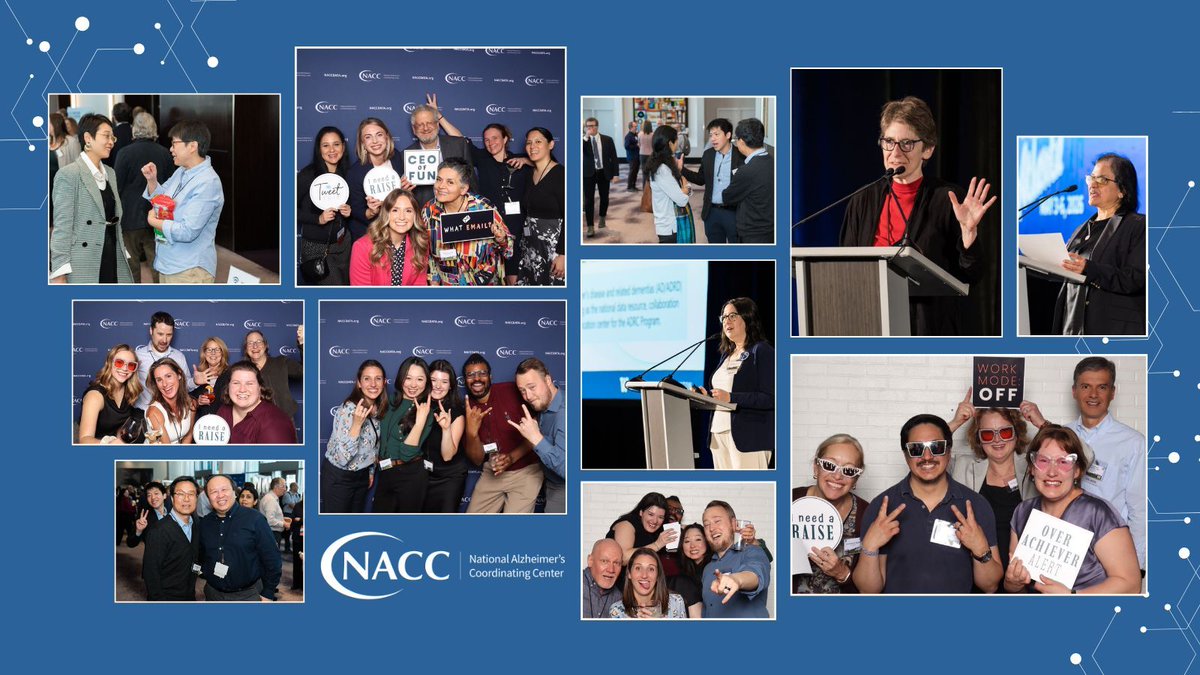
We’d like to thank all our attendees, speakers, presenters, and session chairs at the Spring #ADRCMeeting! We are grateful to everyone who made this event possible.
If you registered for the ADRC Meeting but missed a session, the recordings are available on Hubilo!
The Research Education Component (REC) of the ADRC Program is pleased to announce the recipients of the 2026 Rising Star Awards. These awards recognize outstanding poster presentations from early-career researchers across the ADRC Program. Congratulations to the awardees!
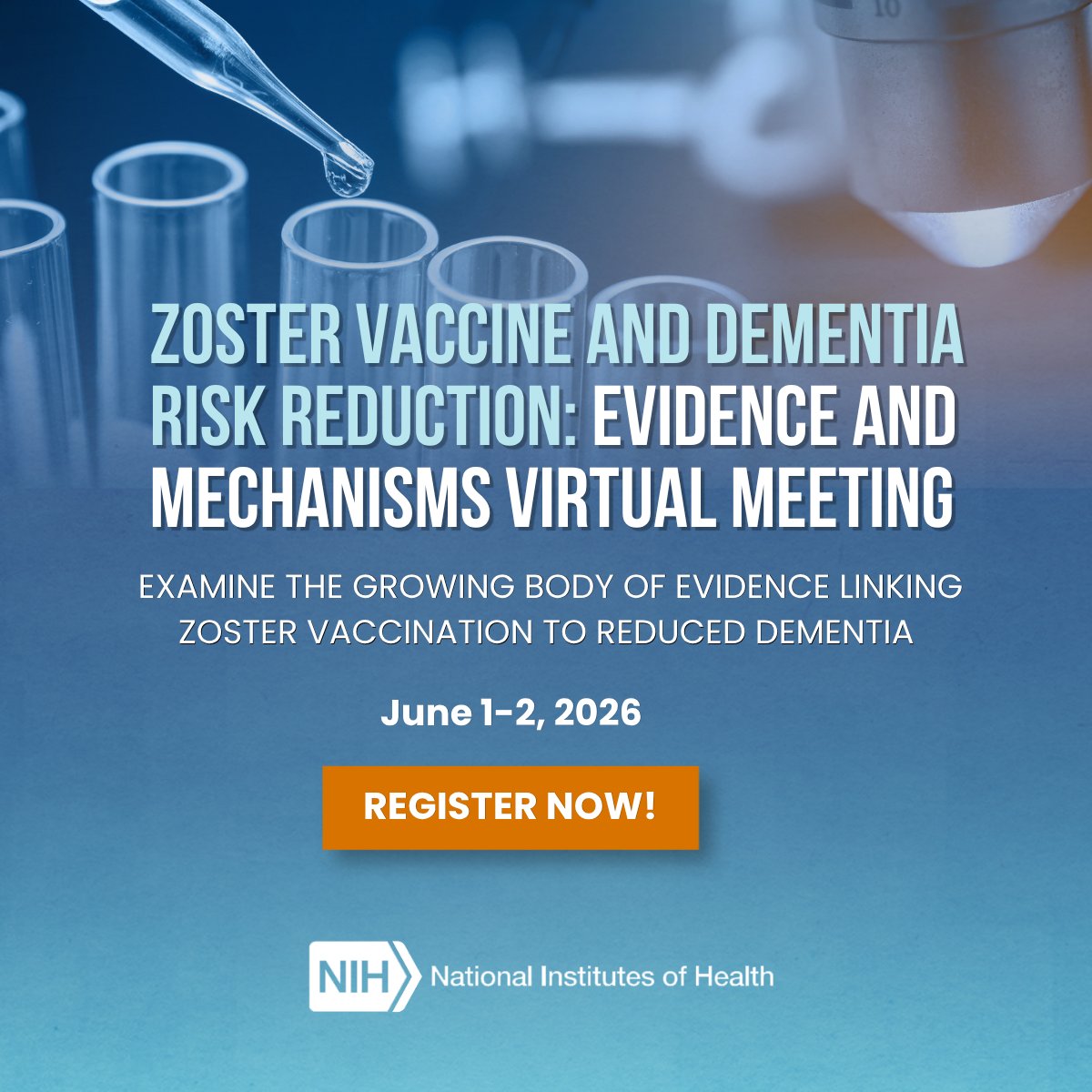
Register for the upcoming Zoster Vaccine and Dementia Risk Reduction: Evidence and Mechanisms virtual meeting from June 1-2, 2026. Sessions will cover epidemiological evidence, plausible biological mechanisms, opportunities to leverage existing datasets, and considerations for studying clinical efficacy.
➡️ Register: https://t.co/6SHZ5Jvvrn
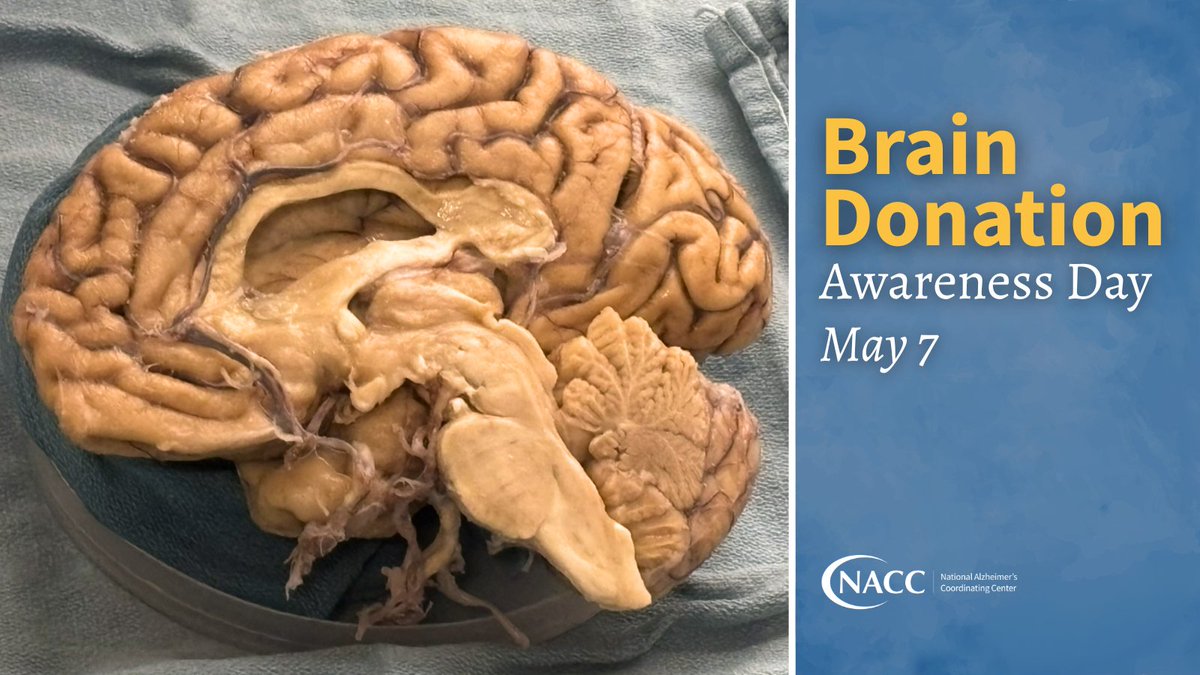
Today is National Brain Donation Awareness Day, and we’re proud to celebrate by spreading the word on the impactful legacy of brain donation. Share this post and help spread awareness! Have more questions about brain donation? Let us know in the comments!
New updates from the Spring #ADRCMeeting: NACC data is now available for request via AD Workbench! Researchers have a new way to find NACC data via the AD Discovery Portal and upload data to a secure, cloud-based workspace in AD Workbench. @AlzData@GRIPInequality
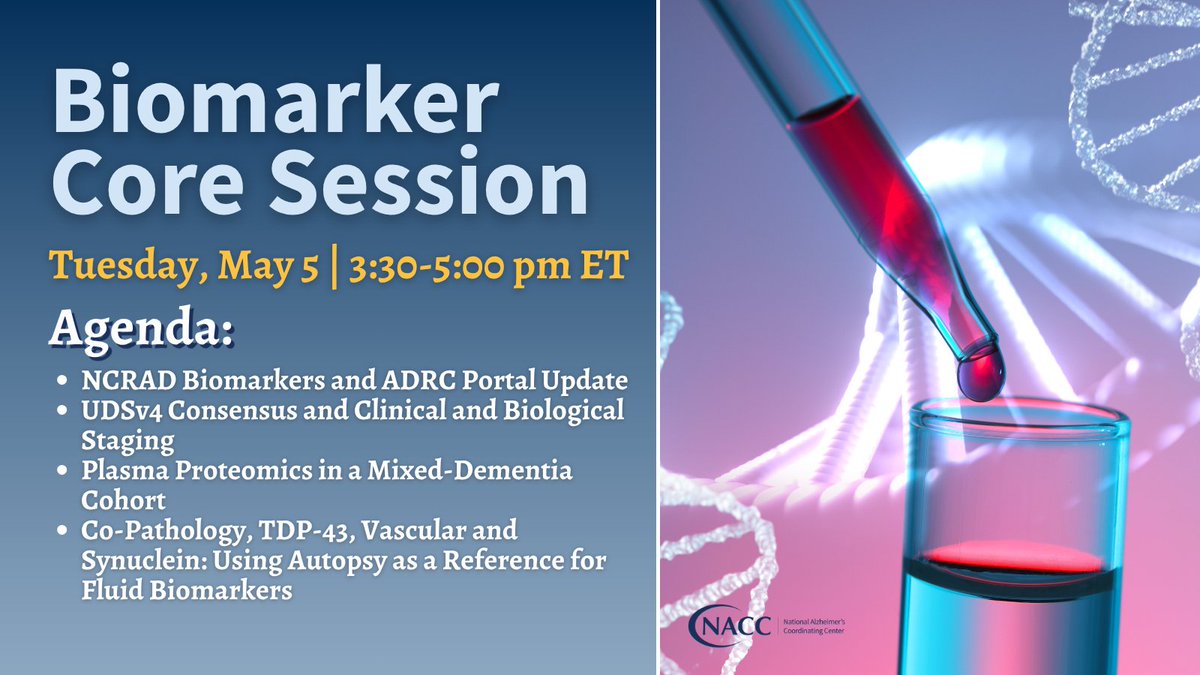
The Biomarker Core Session is our last session of the Spring #ADRCMeeting, featuring updates on NCRAD and the ADRC portal, UDSv4 consensus, plasma proteomics, and using autopsy as a reference for fluid biomarkers.
I scream, you scream, we all scream for ice cream! Hurry to grab your ice cream treat in the Ellington Foyer from 3:00-3:30 pm ET during the last networking break of the Spring #ADRCMeeting. Don’t miss this opportunity to network with fellow ADRC members!
Two panels on imaging science will be featured at the 2026 Spring #ADRCMeeting! From 1:30–3:00 pm ET, the Imaging Core session will highlight some of the most active conversations in the AD/ADRD field on Amyloid & Tau PET and post-mortem imaging.
What can we learn from variant presentations of Alzheimer’s Disease? Find out at the Clinical Core Session! Featuring presentations on rapidly progressive AD, Posterior Cortical Atrophy, Primary Progressive Aphasia, and Down Syndrome, attend from 10:00-11:30 am ET.
Don’t miss our 34 posters and presenters at this year’s Spring #ADRCMeeting REC Poster Session! From Multi-rhythmic Stimulation in MCI to Corticolimbic Microglial Activation in Pick Disease, learn from and network with ADRC researchers from around the country.
Visit the REC Session from 8:00-8:30 am ET to learn about findings from the recent ADRC-wide survey, goals for cross-ADRC collaboration via the new REC working groups, and updates on early career investigator support!