The CBN has cut Nigeria’s Monetary Policy Rate sharply to 23% from 26.5%, a 3.5 percentage-point reduction and a major shift towards cheaper money.
For Nigerians, this could eventually mean lower borrowing costs for businesses, mortgages and consumer loans as banks adjust their rates. Cheaper credit can help companies invest, expand and hire more workers.
But loan rates will not automatically drop to 23%, and the effect may take time to reach customers. The bigger test is whether cheaper credit stimulates the economy without reigniting inflation or putting fresh pressure on the naira.
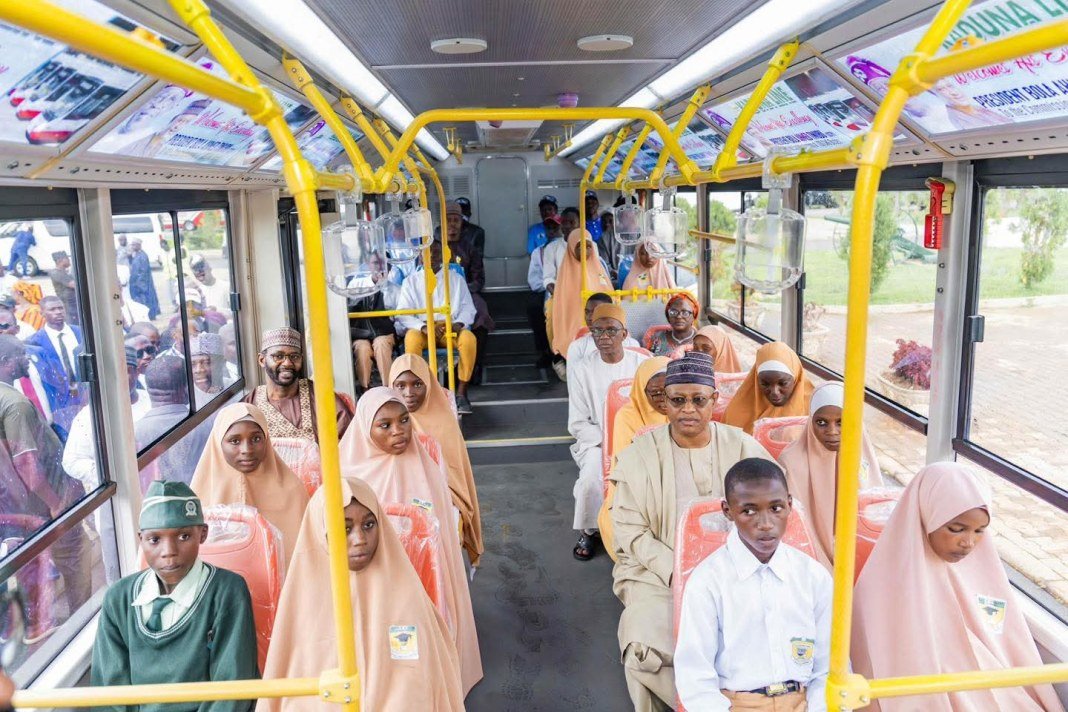
Kaduna says its free CNG bus programme is helping residents escape some of the pressure from high transport costs, with 100 buses operating on major routes. State figures say about 3.2 million passenger trips were recorded in the first year, saving commuters over ₦3.5 billion in fares.
For an everyday worker, student or trader, free transport means money that would have gone to daily fares can stay available for food, rent, school expenses or business needs.
The bigger challenge is coverage: the relief becomes more meaningful when affordable transport reaches more routes and communities.
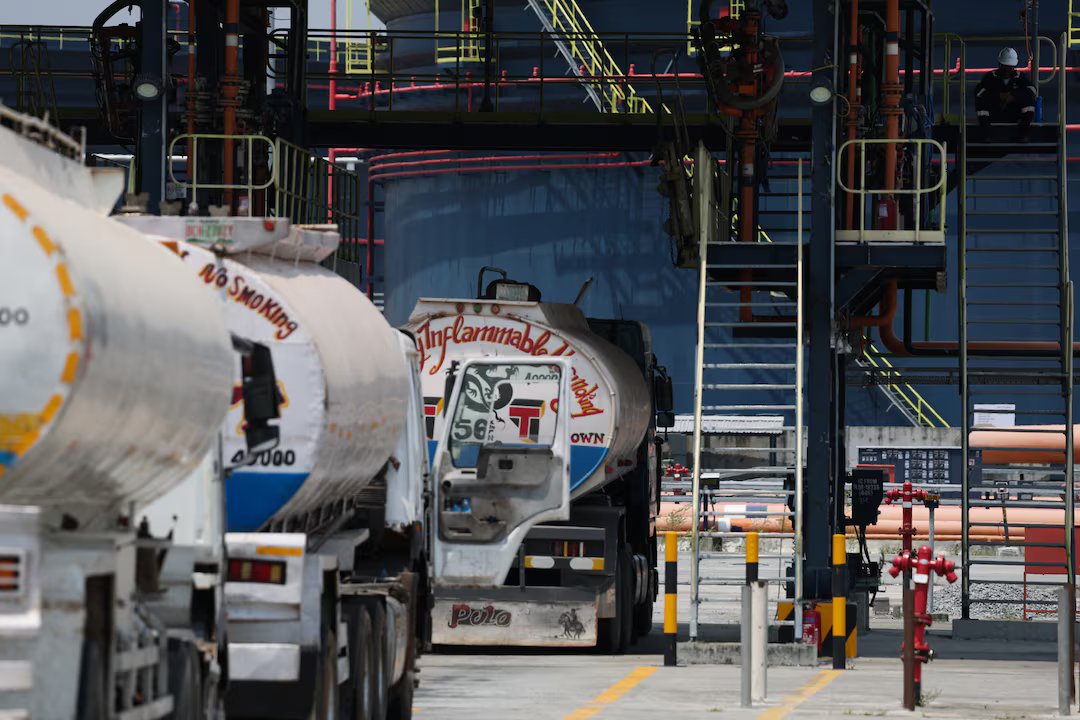
NMDPRA has approved 830,000 metric tonnes of petrol imports for Q4 2026, keeping imported fuel as a supply buffer even as domestic refineries now provide most of Nigeria’s petrol. The permits were issued to six marketers.
For Nigerians, the upside is supply security: imports can help prevent shortages when local production or logistics fall short. But imported petrol also exposes pump prices to the dollar exchange rate, shipping costs and global fuel prices.
So the real progress is not simply having petrol available, but steadily reducing how much Nigeria needs to source from abroad.
The UK has tightened its route for overseas teachers: from September 9, Nigerian- and Ghana-trained teachers can no longer use England’s direct “Apply for QTS” recognition service. The Department for Education says more than 70% of applications from both countries used references from public email addresses rather than official school domains, making verification difficult.
For Nigerian teachers planning to relocate, this means the simplest QTS route has closed, potentially adding extra training, assessment, time and cost. But it is not a blanket ban on Nigerian teachers working in England; alternative QTS routes remain, and some overseas-trained teachers can work temporarily without QTS.
The bigger lesson is that verifiable professional records are becoming as important as the qualification itself.
A 2012 conflict-of-interest controversy involving Peter Obi and the Onitsha brewery is being discussed again. At the time, Premium Times reported that CAC records listed SABMiller, Anambra State Government and Next International among Intafact’s shareholders, while the state invested about ₦2 billion for a 10% stake. Premium Times also said some allegations against Obi could not be independently verified.
Former lawmaker Chudi Offodile argued that Next International’s involvement created a conflict of interest. Obi’s spokesman rejected that interpretation, saying Obi had resigned from directorships and company boards before the investment controversy.
One separate claim has since been corrected: 2023–2024 Anambra tax records placed the brewery sixth among corporate taxpayers, contrary to Obi’s 2025 claim that it was the state’s biggest revenue earner. That current ranking does not by itself settle the original 2012 conflict-of-interest allegation.
Nigeria’s wage problem may be bigger than simply increasing the minimum wage
A new analysis estimates that a single worker in an urban Nigerian centre needs about ₦372,300 monthly to cover basic expenses such as housing, food, transport, healthcare and modest emergency savings more than five times the current ₦70,000 minimum wage. The estimate excludes dependants and several non-essential expenses, so it is a model rather than an official living-wage figure.
That gap explains why the NLC has argued that a realistic wage could be closer to ₦1 million monthly.
But there is an uncomfortable implication: higher salaries alone cannot permanently solve a cost-of-living crisis if producing almost everything remains expensive.
Imagine a business suddenly doubling wages while still paying heavily for diesel, electricity, transport, imported inputs and financing. It may respond by raising prices, reducing recruitment or cutting staff. Workers then receive more naira but discover that food, rent and services have become more expensive too.
That is why Nigeria’s coming wage debate is ultimately about more than the number written on a payslip.
Workers need incomes that can support basic living, but businesses also need an economy where paying those incomes does not threaten their survival.
If wages rise while the cost of producing goods keeps rising with them, Nigeria could end up paying workers more money without making them much richer.
JAMB has relaxed its restriction on SIM swaps and email changes, allowing candidates who genuinely lose access to their registered phone number or email to update them from September 21. The service can be used only once and requires biometric verification, a court affidavit and processing through designated JAMB CBT centres.
For Nigerian students, this could prevent a lost SIM or inaccessible email from disrupting UTME registration and admission processes.
The relief is practical, but JAMB is keeping the process strict to stop fraud and impersonation.
Petrol is becoming a “hidden tax” on almost everything Nigerians buy
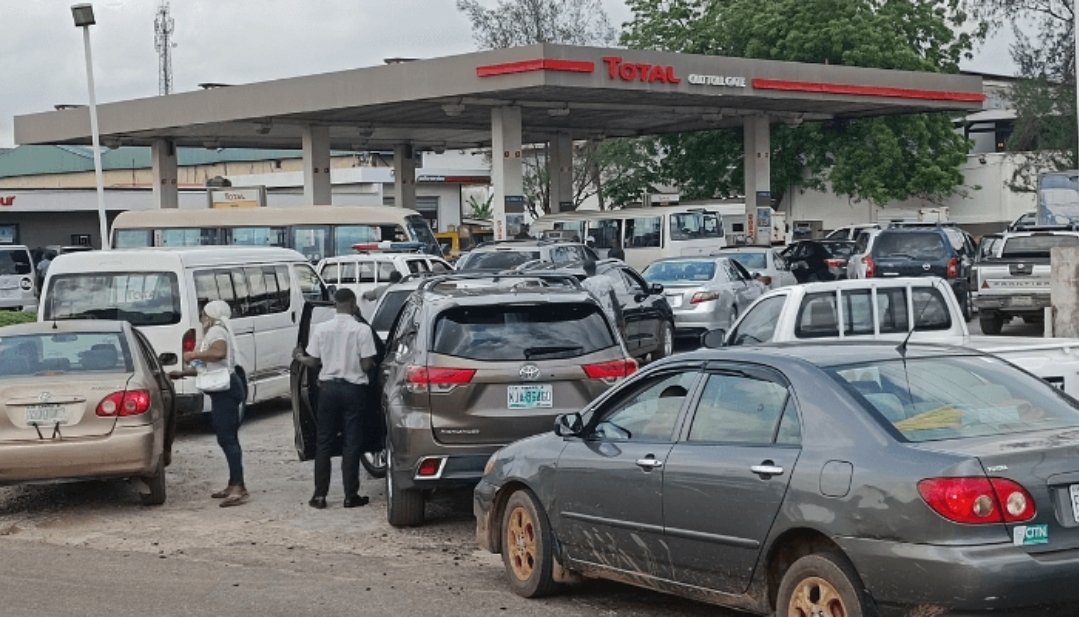
Nigeria’s rising petrol prices hurt motorists first, but the bigger problem is what happens after the filling station. Recent reports put petrol around ₦1,430 – ₦1,500 per litre in parts of the country, as global oil disruptions push energy costs higher.
Since petrol subsidy removal, consumers have become much more exposed to movements in international crude and domestic market costs. Reuters has previously documented how this has contributed to record Nigerian petrol prices.
The real-life implication is that petrol now behaves almost like a hidden charge on everyday living.
A bus driver pays more for fuel and raises fares. The trader transporting tomatoes from the farm pays more. Delivery riders charge more. Small businesses running generators spend more. Eventually, even someone who does not own a car can pay for expensive petrol through higher food prices, transport fares and service charges.
That makes fuel inflation particularly painful for lower-income households because transport and food already consume a large part of their earnings. Reuters recently documented Nigerians whose salaries are struggling to keep pace with rising living costs.
The uncomfortable reality is that Nigeria can earn more when crude prices rise while households simultaneously become poorer from expensive fuel.
That is why petrol is no longer merely something Nigerians buy at filling stations. Its price increasingly follows them into almost everything else they buy.
200 dialysis sessions a month sounds encouraging but it also shows how kidney disease can quietly take over a family’s life
Lagos says Alimosho General Hospital now performs up to 200 dialysis sessions monthly, with eight functional machines: six for general patients and two reserved for patients with HIV or hepatitis. Sessions can begin around 6am and continue until the last patient is treated.
The less obvious implication is that 200 sessions does not mean 200 patients have been treated and moved on.
Dialysis for kidney failure is usually repetitive. In-centre haemodialysis commonly happens about three times every week, with each session lasting roughly four hours. So one patient may require around a dozen sessions in a month, depending on their prescribed treatment.
That turns kidney failure into more than a hospital problem.
For a household, it can mean repeated transport costs, time away from work, someone accompanying the patient, medicines and consumables, and several hours surrendered to treatment every few days.
The good news is that Alimosho’s capacity appears to have expanded significantly: a 2024 investigation reported only three working dialysis machines there.
But the bigger lesson is this: dialysis capacity should not only be measured by machines or monthly sessions. It should be measured by how many families can consistently access life-sustaining treatment without their finances, jobs and daily lives collapsing around it.
The Trump administration has pledged at least $410 million to expand “third-country” deportations sending people to countries other than their own. More than 25,000 people have been sent to at least 28 countries, including about 20,000 to Mexico. The Washington Post reports $81 million was pledged directly to 13 governments, with another $303 million pledged to IOM and the UN Refugee Agency.
A federal appeals court has now ruled the fast-track policy unlawful because migrants must receive effective notice and a meaningful chance to raise fears of persecution or torture. It is not yet a blanket permanent halt, however: DHS says the policy remains in force while the ruling takes effect and further appeals are expected.
For Nigerians in US immigration proceedings, the key takeaway is that a removal order does not necessarily mean being returned directly to Nigeria and the legal fight now centres heavily on what protections must come before someone can be sent elsewhere.
Changpeng Zhao’s estimated fortune jumped $9.76 billion in just 24 hours to $91.2 billion, according to Forbes’ real-time billionaire tracker, with much of his wealth tied to his stake in Binance and crypto assets.
For Nigerians, the striking lesson is how differently wealth behaves when it is tied to ownership rather than salary or cash savings. A surge in the value of a major company or crypto asset can create billions in paper wealth overnight.
But that also works in reverse. Net worth is not the same as cash in the bank, and fortunes linked to crypto can move sharply with market valuations.
30 states spent ₦168.17 billion on internal security and home affairs capital expenditure in 2024, with Lagos, Ondo and Benue accounting for the biggest amounts. The NGF says its public-finance database is built from state budget documents and audited financial statements.
For Nigerians, this kind of spending should show up in practical things: patrol vehicles, surveillance equipment, emergency-response capacity, safer roads, markets and communities.
But capital expenditure is not the same as total security spending, and a bigger allocation does not automatically mean better security. The real value is whether residents actually experience faster response and less crime.
Jehovah’s Witnesses have made a major adjustment to their blood policy. Members can now personally decide whether to accept red cells, white cells, plasma or platelets, and whether to donate blood specifically for use as components or fractions. The longstanding refusal of whole-blood transfusions remains unchanged.
For Nigerian Witnesses, this could widen the medical choices available during surgery, emergencies and other hospital treatment, while leaving the final decision to each individual’s conscience.
The key change is significant: what was previously prohibited for the four main blood components is now a personal religious decision.
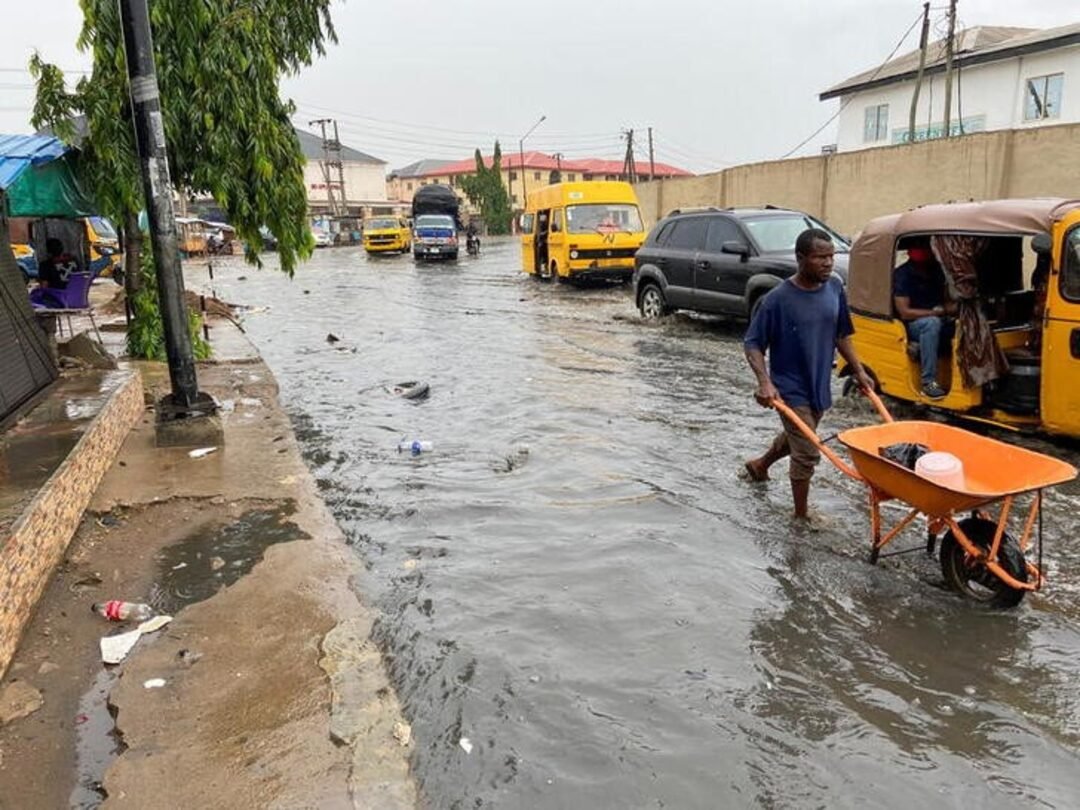
NiHSA has issued a high flood-risk warning for September 19–25, covering Imo, Cross River, Lagos and 12 other states as rising river levels threaten communities, schools, health facilities, markets and farmland. Residents in flood-prone areas have been advised to prepare to move to higher ground.
For everyday Nigerians, the danger is not just water entering homes. Flooding can cut roads, stop children from attending school, destroy crops, disrupt markets and contaminate drinking water while displaced families suddenly face transport and temporary accommodation costs.
Importantly, this is a high-risk forecast, not a guarantee that every listed community will flood. The warning matters because acting before water rises is far cheaper than trying to recover afterwards.
Saudi Arabia’s supply problem could mean more money for Nigeria and higher costs for Nigerians
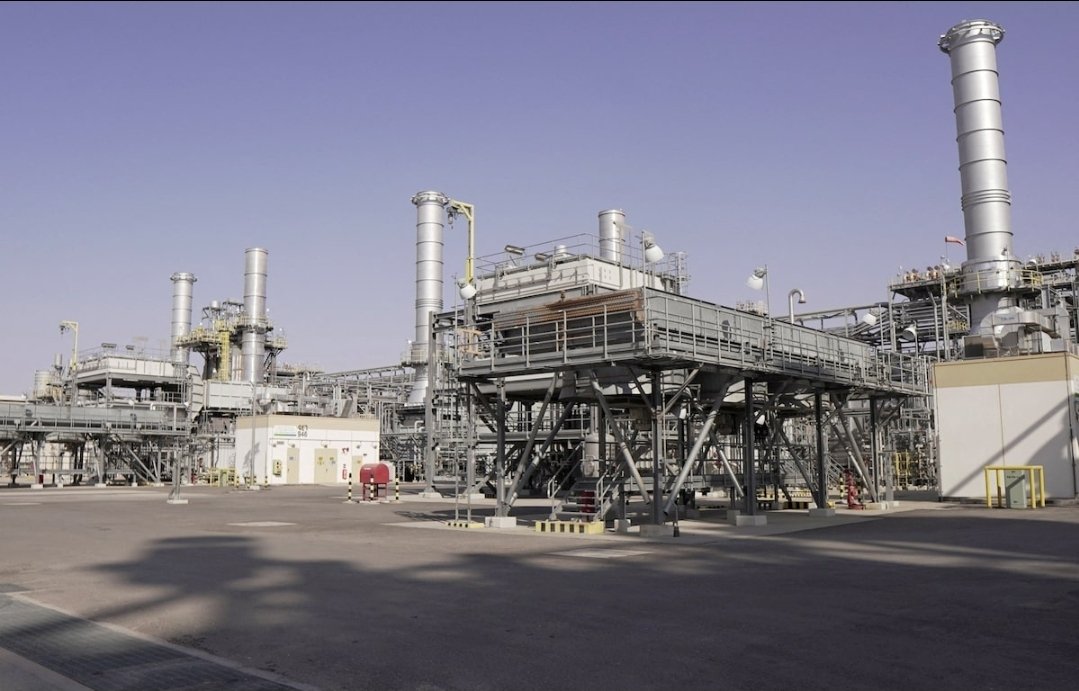
Saudi Aramco has told European refiners that some October crude deliveries will not arrive after a drone attack damaged pumping stations on the kingdom’s crucial East-West pipeline. The pipeline normally helps move Saudi crude to the Red Sea while bypassing the troubled Strait of Hormuz.
For Nigeria, there is an uncomfortable win-and-lose scenario.
European refiners suddenly searching for replacement barrels could increase demand for crude from alternative suppliers. Poland’s Orlen, for example, has already bought additional cargoes from several regions after Saudi disruption. Nigerian grades could potentially benefit if they fit refiners’ requirements.
Higher crude prices can also mean more export earnings and potentially higher government oil revenue.
But ordinary Nigerians may experience the opposite side.
Brent was trading above $104 per barrel on September 18 amid the supply concerns. Crude is a major input in petrol, diesel and aviation fuel pricing. If elevated prices persist, refiners face higher feedstock costs, which can eventually affect fuel prices, transport fares, logistics and ultimately food and other goods.
So an oil-producing country can actually earn more from expensive crude while its citizens simultaneously suffer from expensive energy.
That is Nigeria’s oil paradox: what looks good on the government’s revenue sheet can feel very different at the filling station.
President Bola Tinubu met French President Emmanuel Macron for a private dinner at the Élysée Palace in Paris on Thursday, with both sides describing the meeting as part of efforts to deepen Nigeria–France relations.
For Nigerians, the real value of such high-level diplomacy is what follows it, investment, trade, technology partnerships, jobs and stronger economic cooperation.
For now, this was a diplomatic meeting, not the announcement of a new deal. The impact will depend on whether the relationship produces concrete agreements Nigerians can eventually feel at home.
Nasarawa State has banned anyone under 18 from mining activities and set up a monitoring and enforcement team to tackle illegal mining and child labour. Officials say children have been found working around artisanal mining sites in Wamba, Nassarawa-Eggon and Kokona, exposing them to health risks and disrupting their education.
For families, the policy could mean fewer children being pulled into dangerous mine work and more staying in school. But enforcement will matter most, especially in communities where mining income supports entire households.
Protecting children from hazardous work works best when families also have safer ways to earn a living.