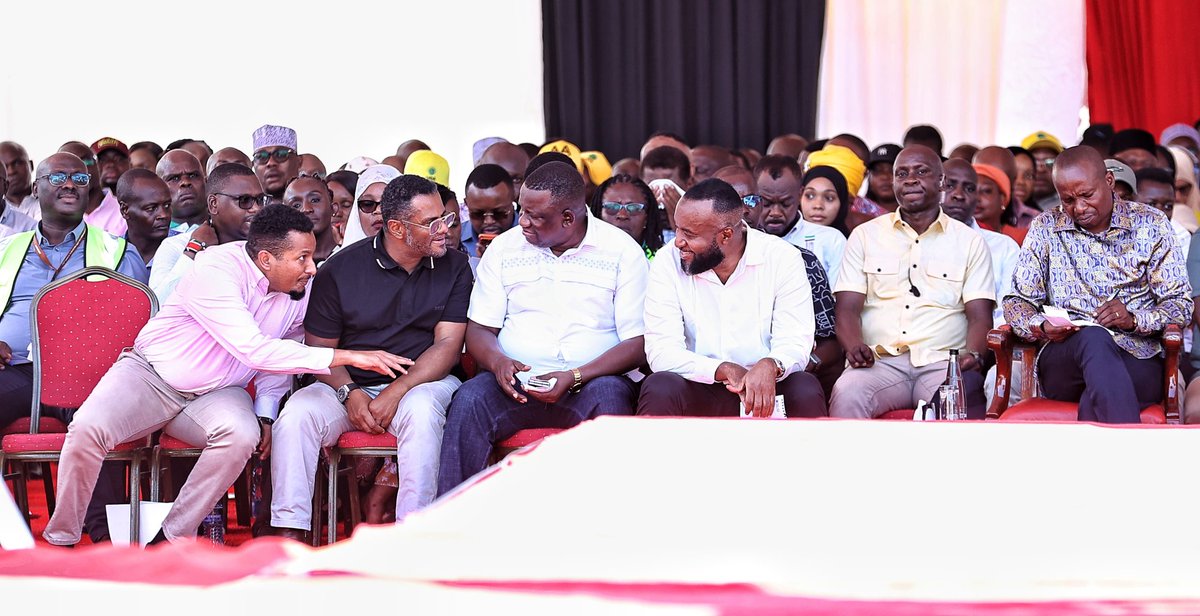
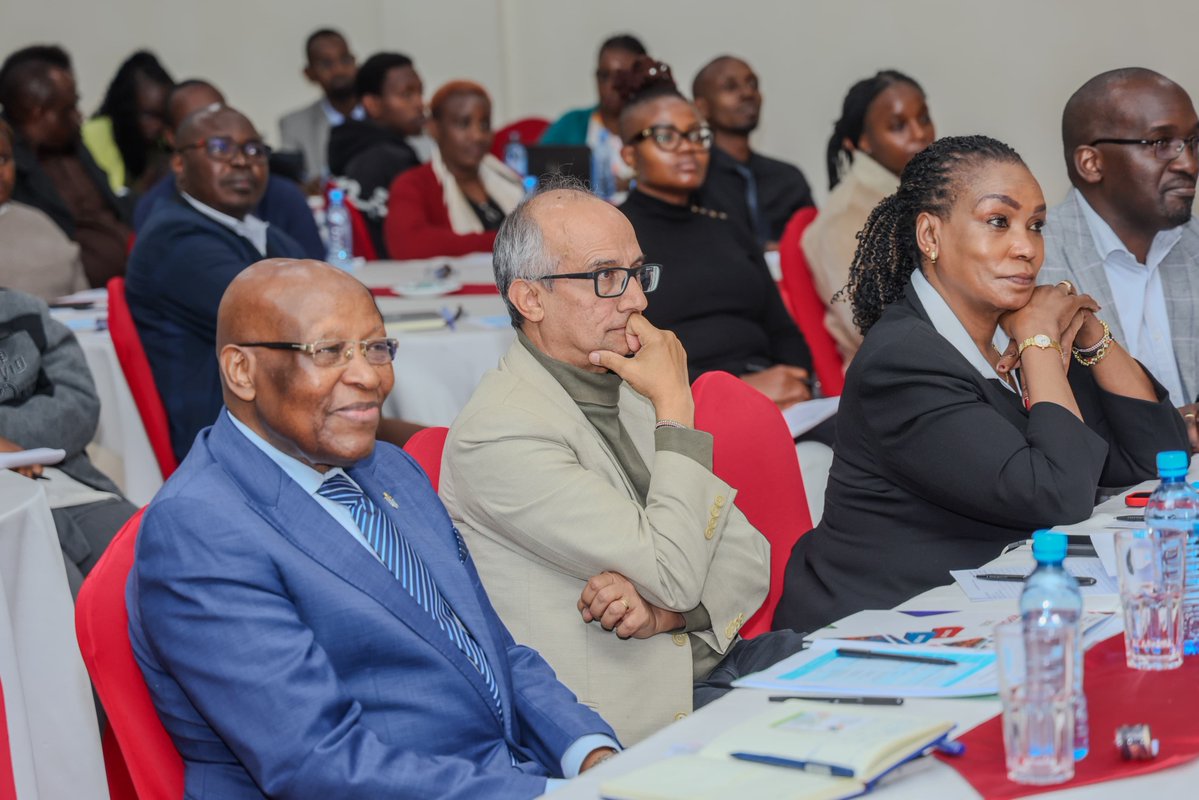
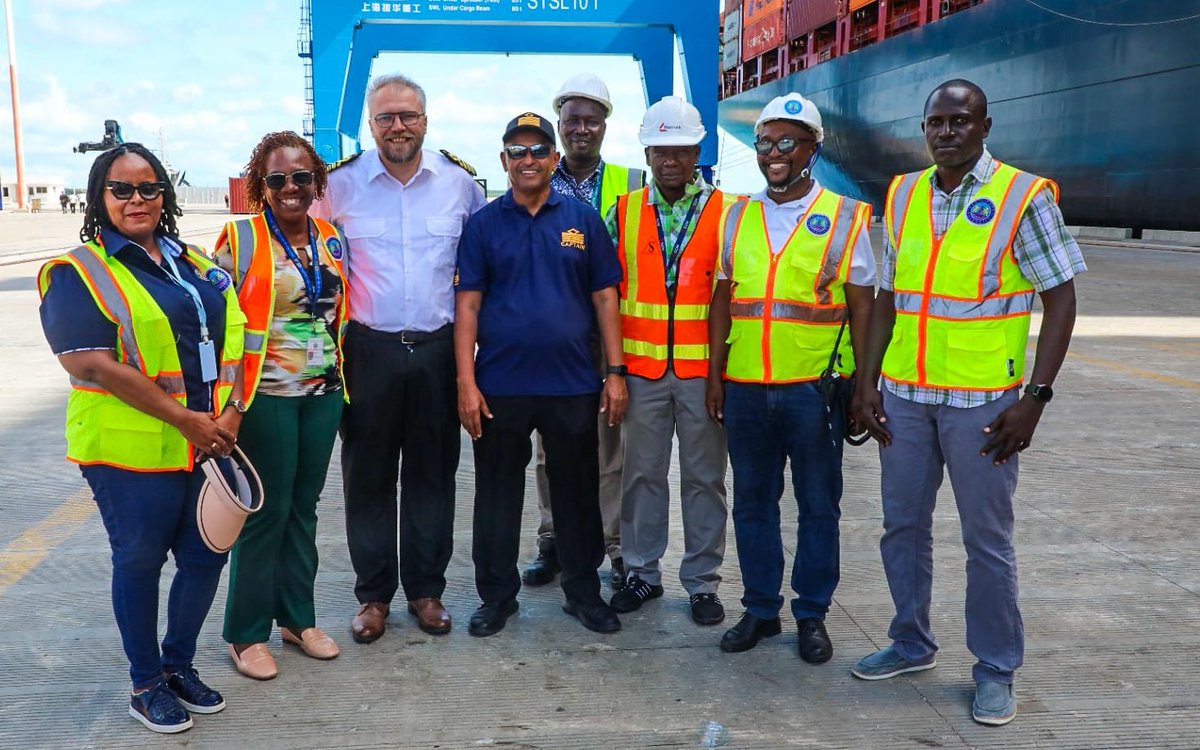
This Morning, I addressed the Annual General Meeting and Members Forum of the Shippers Council of Eastern Africa (SCEA), where I reaffirmed the Government's commitment to building an efficient, integrated and competitive transport and logistics system.
Through continued investment in ports, roads, rail and related transport infrastructure and digital solutions, we are working to reduce logistics costs, improve cargo movement and strengthen Kenya's position as the gateway to Eastern and Central Africa.
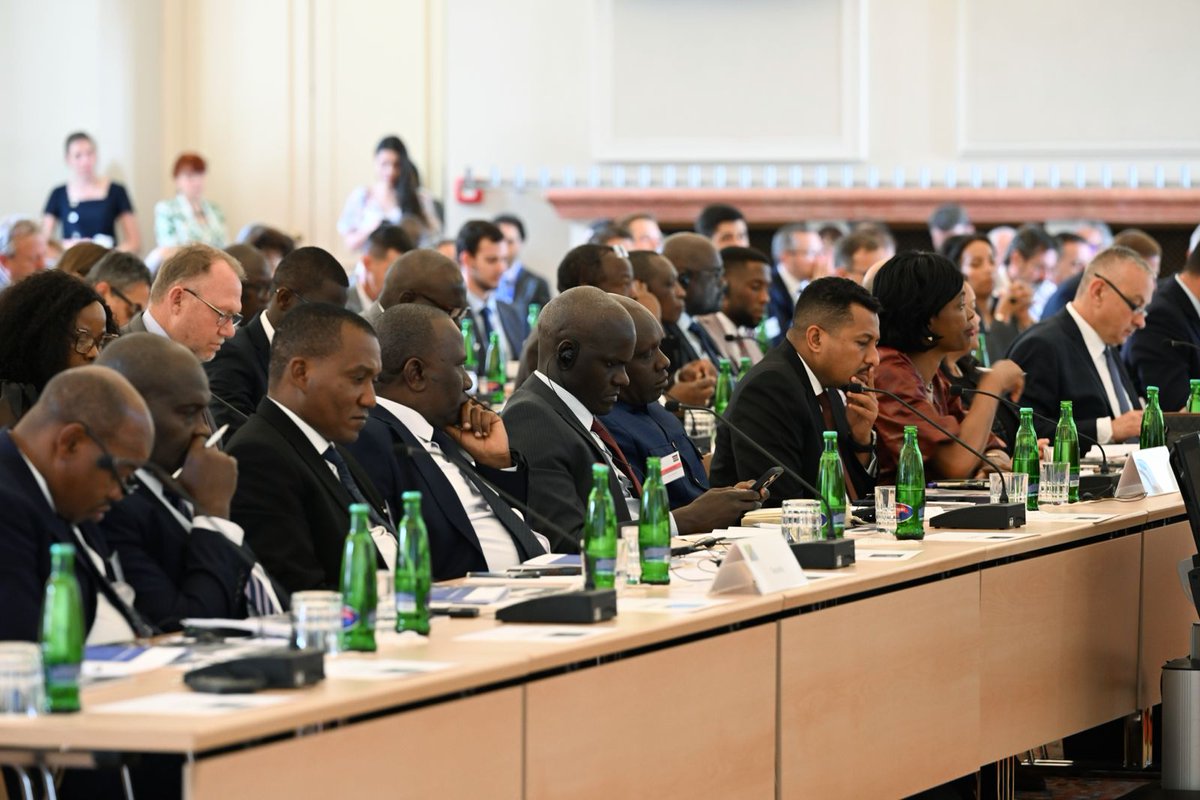
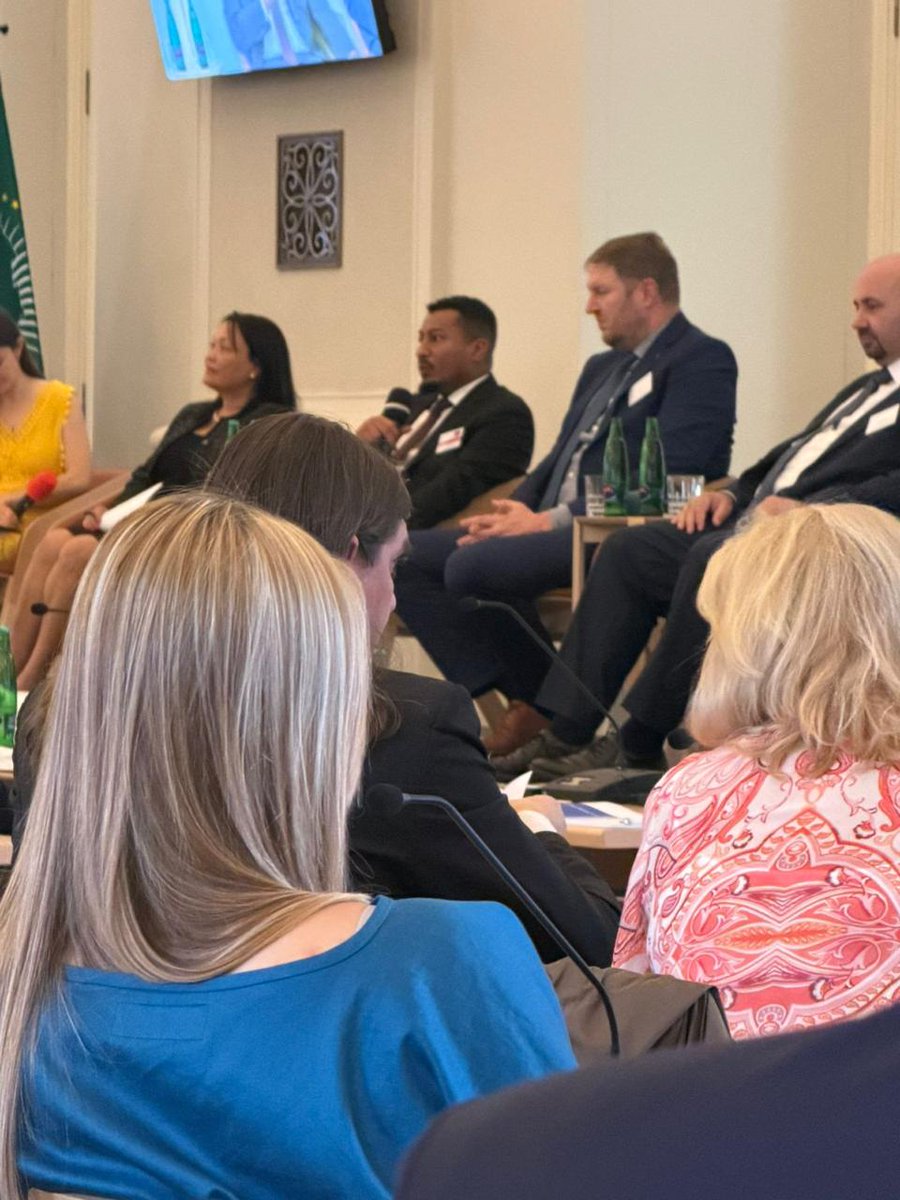
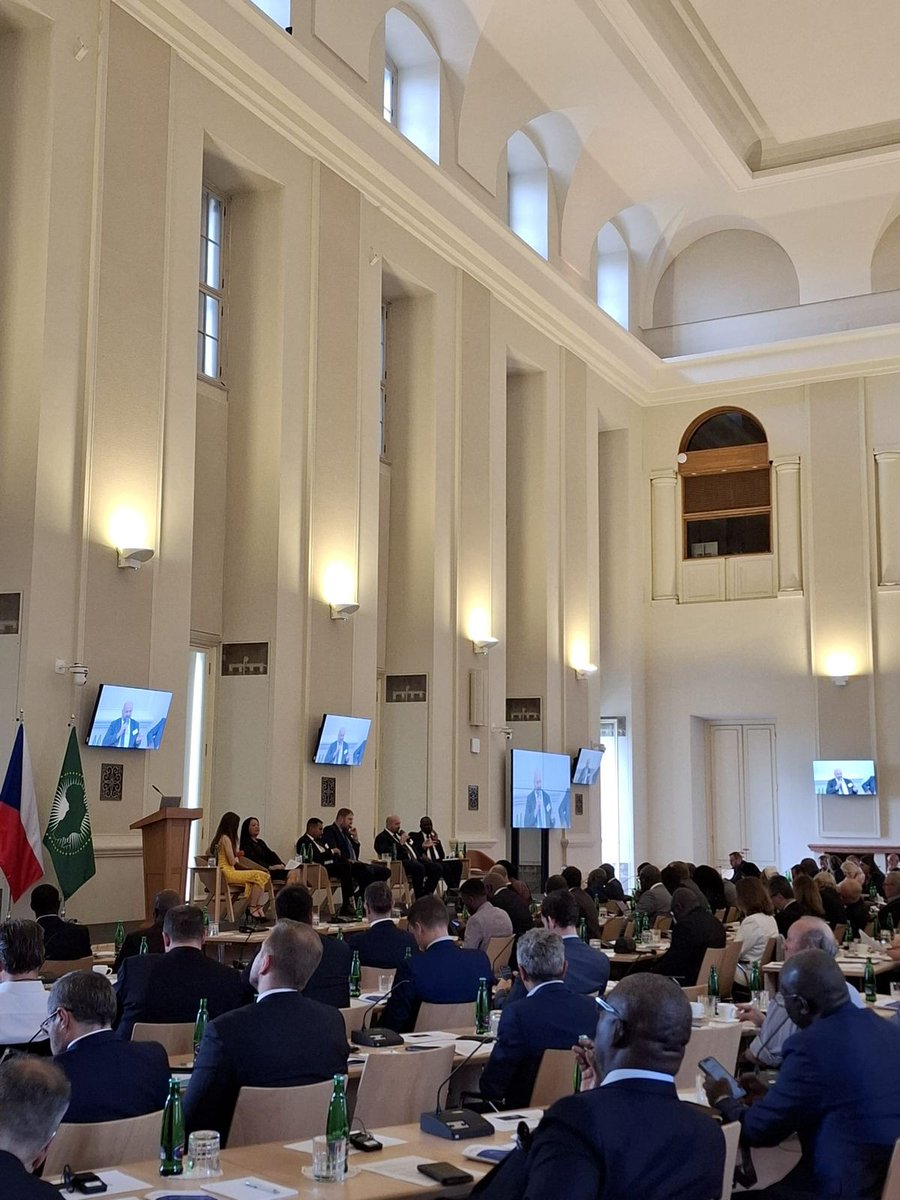
I participated in the Africa Smart Mobility Forum and URBIS 2026 in Prague, Czech Republic, where I shared Kenya's vision for leveraging Smart Mobility as a driver of sustainable economic growth, trade facilitation, regional connectivity, and climate resilience.
Kenya is making significant strides in transforming its transport sector through intelligent transport systems, Bus Rapid Transit (BRT) development, digitalisation of transport services, e-mobility adoption, and integrated multimodal planning. These initiatives are aimed at improving mobility, enhancing road safety, reducing congestion, lowering logistics costs, and supporting sustainable urban development.
As the gateway to East and Central Africa, Kenya remains committed to building a modern, efficient, and resilient transport system that supports economic transformation and regional integration.
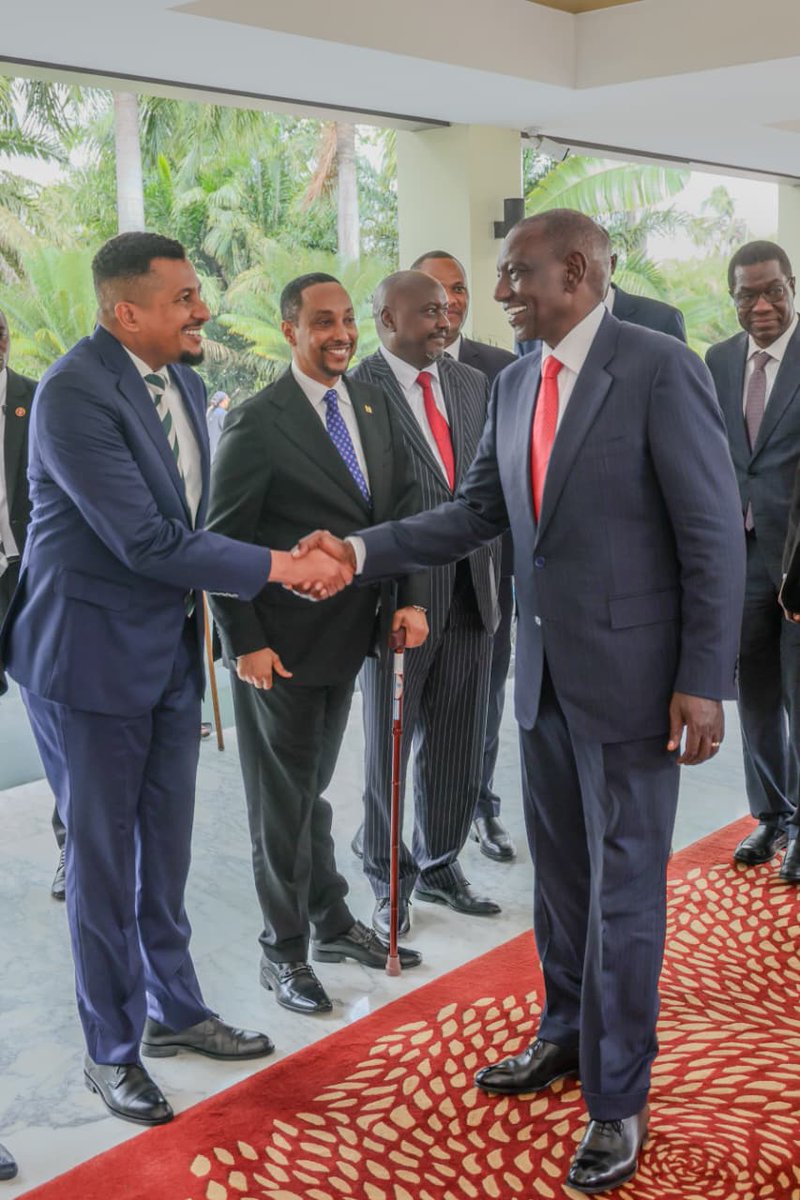
Delighted to have received a courtesy call from the Ambassador of the Netherlands to Kenya, H.E. Henk Jan Bakker.
We engaged in fruitful discussions on strategic infrastructure development and bilateral logistics partnerships, focusing on leveraging the shared position of our two nations as premier regional logistics gateways — Kenya to East Africa and the Netherlands to Europe through the Port of Rotterdam.
We also reviewed the ongoing implementation of the bilateral Memorandum of Understanding (MoU) aimed at establishing a seamless cold-chain maritime freight corridor from Malaba/Naivasha to the Port of Mombasa.
This partnership continues to strengthen trade connectivity, enhance efficiency in cargo movement, and unlock new opportunities for regional and international commerce.
I held a consultative meeting on the review of the operational environment within the public transport sector.
Participants included the Federation of Public Transport Sector, Matatu Owners Association, the Association of Kenya Insurers, the Insurance Regulatory Authority, the E-Hailers Transport Operators Umbrella Association, and the Digital Boda and Deliveries Association, among others.
We have agreed on the modality of implementation of interventions that will help streamline the public transport sector, key being those announced by H.E. The President.
“On the commitment, of Mombasa Port and infrastructure associated with Mombasa Port, I can confidently say, we have discharged our commitment to the people of the Coast Province”. H.E. The President @WilliamsRuto.
@TransportKE, @Kenya_Ports ✌️
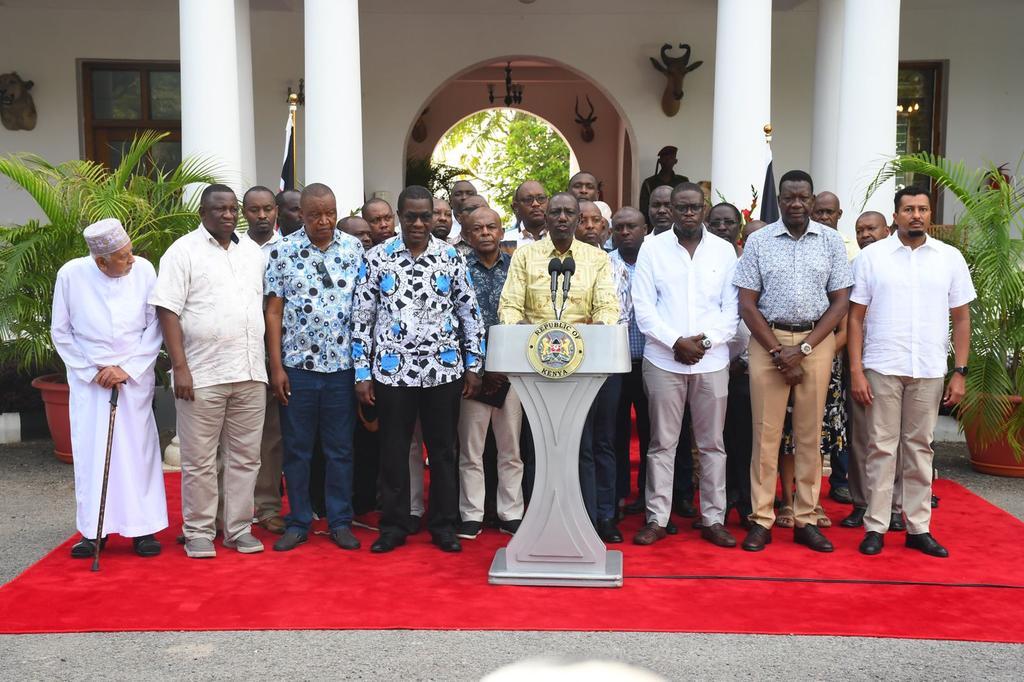
At State House Mombasa, H.E. The President @WilliamsRuto held talks with transport stakeholders and a raft of reforms were agreed on.
The Ministry of @TransportKE and other government agencies will implement the reforms jointly with the transport stakeholders.
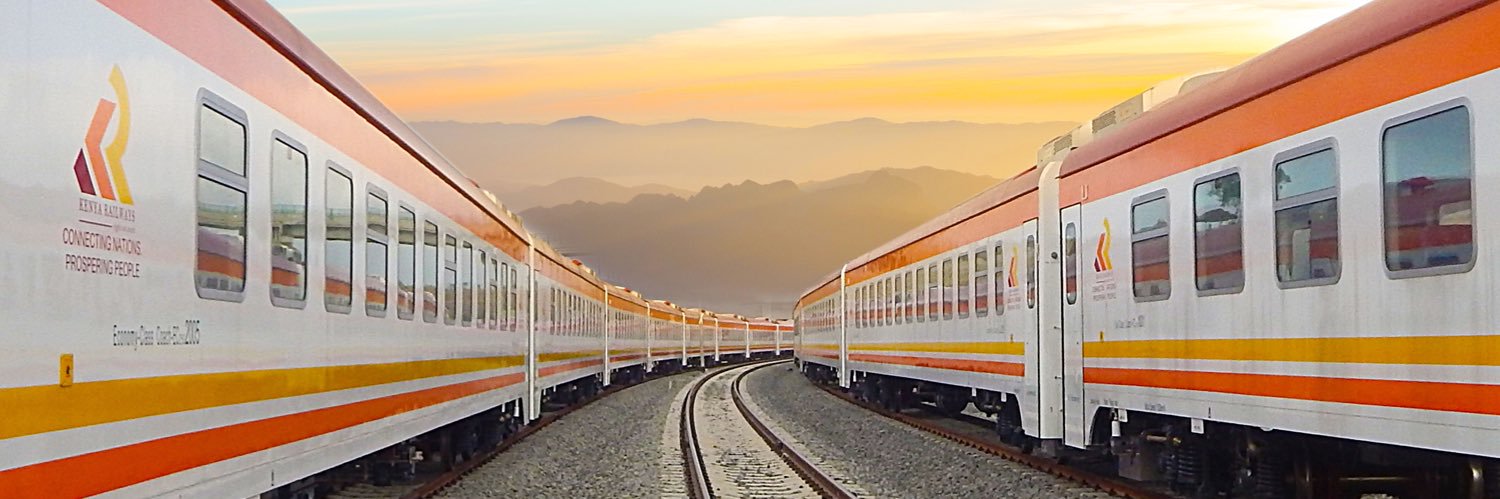
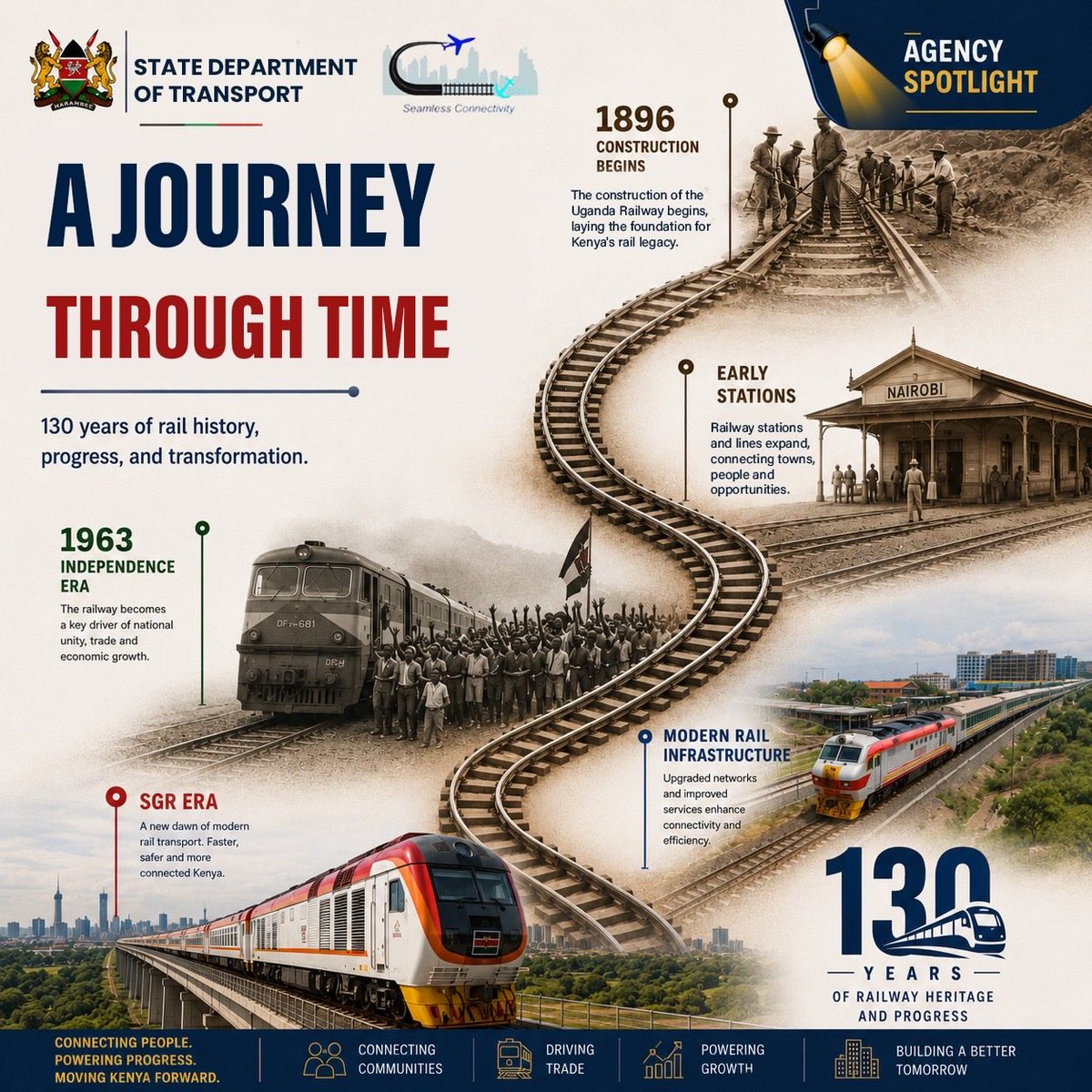
Kenya’s transport systems have evolved from traditional railways and ferries to modern public transport, SGR and emerging e-mobility solutions improving connectivity, trade and mobility across the country.
#TransportThenAndNow#transportKE#FutureOfMobility#throwbackthursday
Joined H.E. President @WilliamsRuto today at Mama Ngina Waterfront for the issuance of title deeds to beneficiaries from Mombasa, Kwale, Kilifi and Taita Taveta counties.
This marks a significant milestone in advancing secure land ownership and empowering communities across the Coast region.
The exercise underscores the Government’s commitment to resolving historical land challenges and promoting socio-economic development through enhanced land tenure security.
We thank the Parliamentary Committee on Delegated Legislation for allowing us to appear and present a post-publication scrutiny to the 3 rules and 1 regulation under the Traffic Act (CAP 403) and the National Transport and Safety Authority Act (CAP 404).
These are on drink-driving, school transport, motor vehicle inspection, and operations of commercial services vehicles. @ntsa_kenya
Cabinet Secretary Mr. Davis Chirchir presented the 2026/27 budget estimates to the Parliamentary Departmental Committee on Transport and Infrastructure. Budget implementation status for the current financial year 2025/26 was presented to the committee as well.
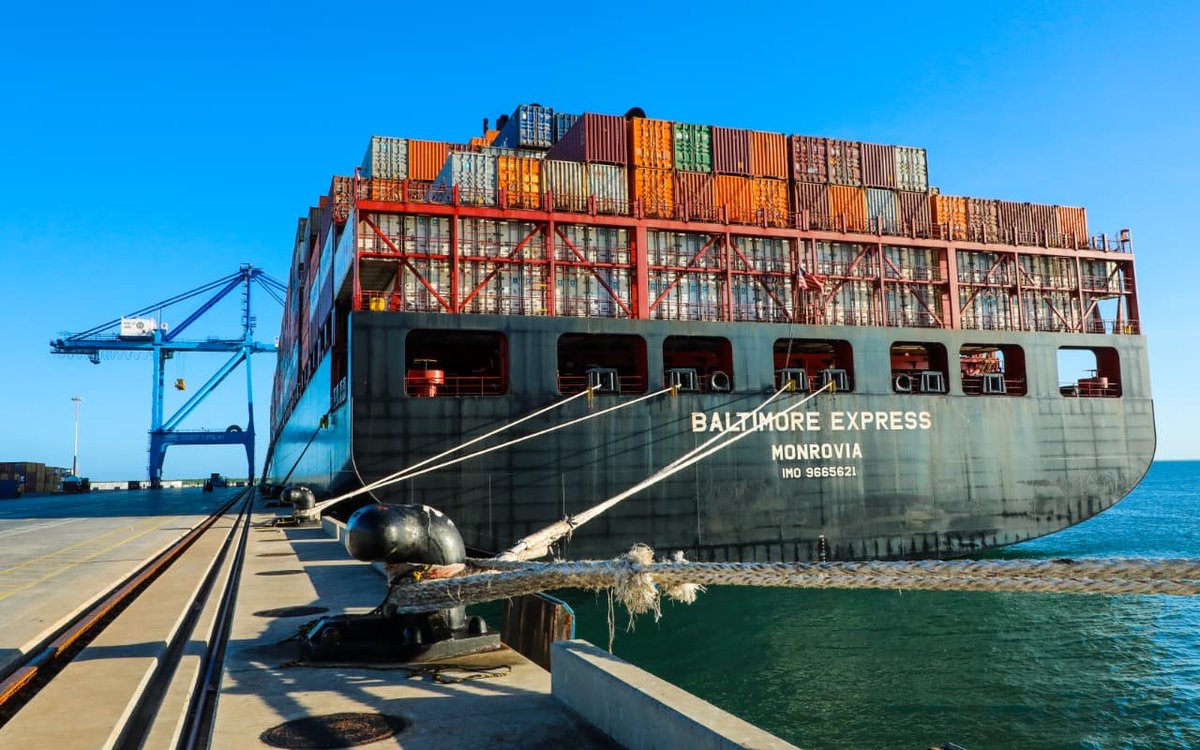
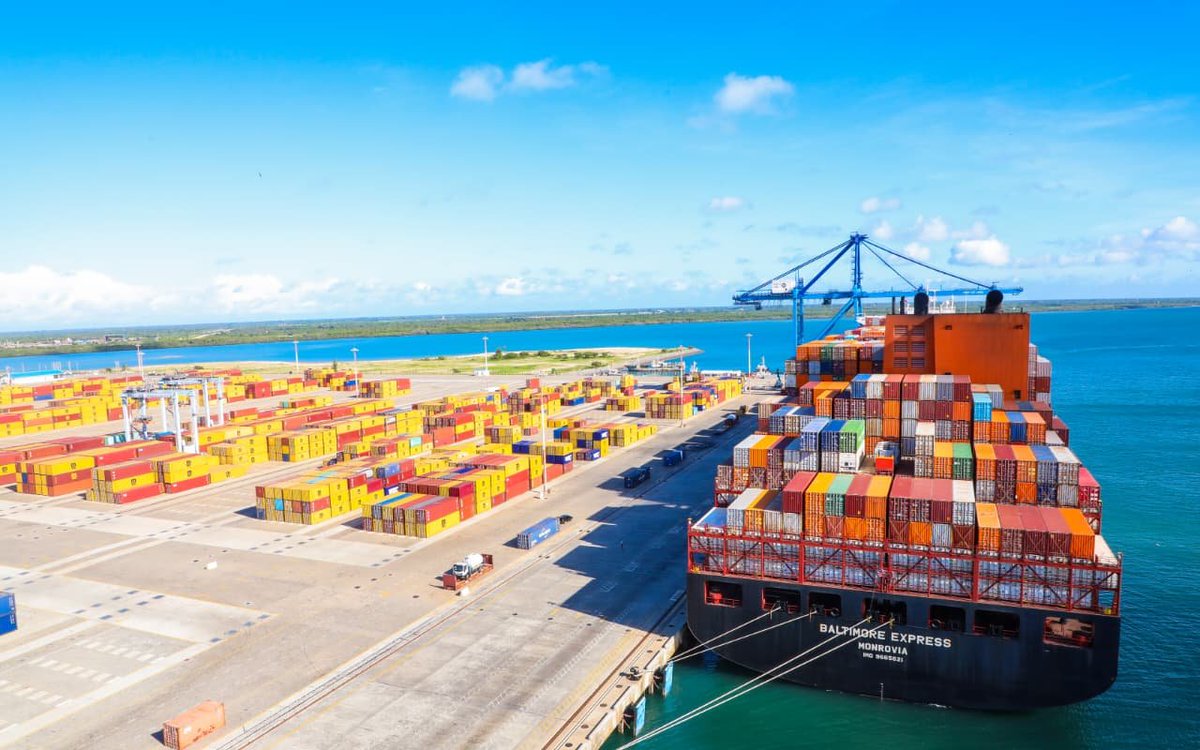
In a historic feat, the Port of Lamu on Sunday evening welcomed the largest vessel ever to dock at any Port in East and Central Africa.
The MV Baltimore Express, a colossal, measuring 369 meters in length overall, arrived from Oman’s Salalah Port.
To put that size into perspective, the ship spans nearly the length of three football pitches with 69 meters to spare. Many regional ports would struggle to accommodate such a giant, but Lamu stood up to the challenge.
With the port’s quay length of 400 meters per berth, MV Baltimore Express docked smoothly without any incident.
The vessel operated by German shipping line Hapag-Lloyd, during her stay in Lamu handled restows of dangerous cargo by repositioning the DGs aboard the vessel in compliance to the International Maritime Organization.
This call follows the earlier record set by a sister vessel MV Nagoya Express, a 335-meter container ship which docked at the Port of Lamu in August 2025.
KPA’s General Manager Port of Lamu Capt. Abdulaziz Mzee welcomed the ship, noting the port’s proven ability to handle ultra-large vessels.
“This call lifts Lamu’s profile on the global maritime map, and compares to some of the world’s most developed ports like Singapore, Rotterdam and Hamburg,” said the GM.
What sets the Port of Lamu apart from other regional ports is its naturally deep harbor of 17.5 meters. This depth allows Panamax and post-Panamax ships to sail into the channel with minimal or no dredging. Many other African ports require constant dredging to deepen seabeds enough to accommodate mega ships and stay competitive.
This natural advantage enables Lamu to rival the world’s most modern ports, positioning it not only as a transshipment gateway but also as a strategic hub capable of handling very high cargo volumes.
Lamu has so far handled over 120 vessels since the start of the year, with more expected to call in the coming days. To complement this growth KPA is investing in modern equipment with the port expected to receive new cranes, terminal tractors and other cargo handling equipment in the course of the year.
Equally Captain Aziz confirmed that ninety motor vehicles out of 5000 which had been discharged in March have already been evacuated from the port.
As the global shipping industry evolves and ships continue to grow, the Port of Lamu stands uniquely ready. It is built for the future, not catching up to it.
@SDoT_Kenya@TransportKE@mohamed_daghar@davis_chirchir
H.E. The President @WilliamsRuto held official talks with his counterpart H.E @SuluhuSamia in Dar es Salaam. A plethora of matters was discussed and agreed upon including the signing of eight Agreements in different sectors.
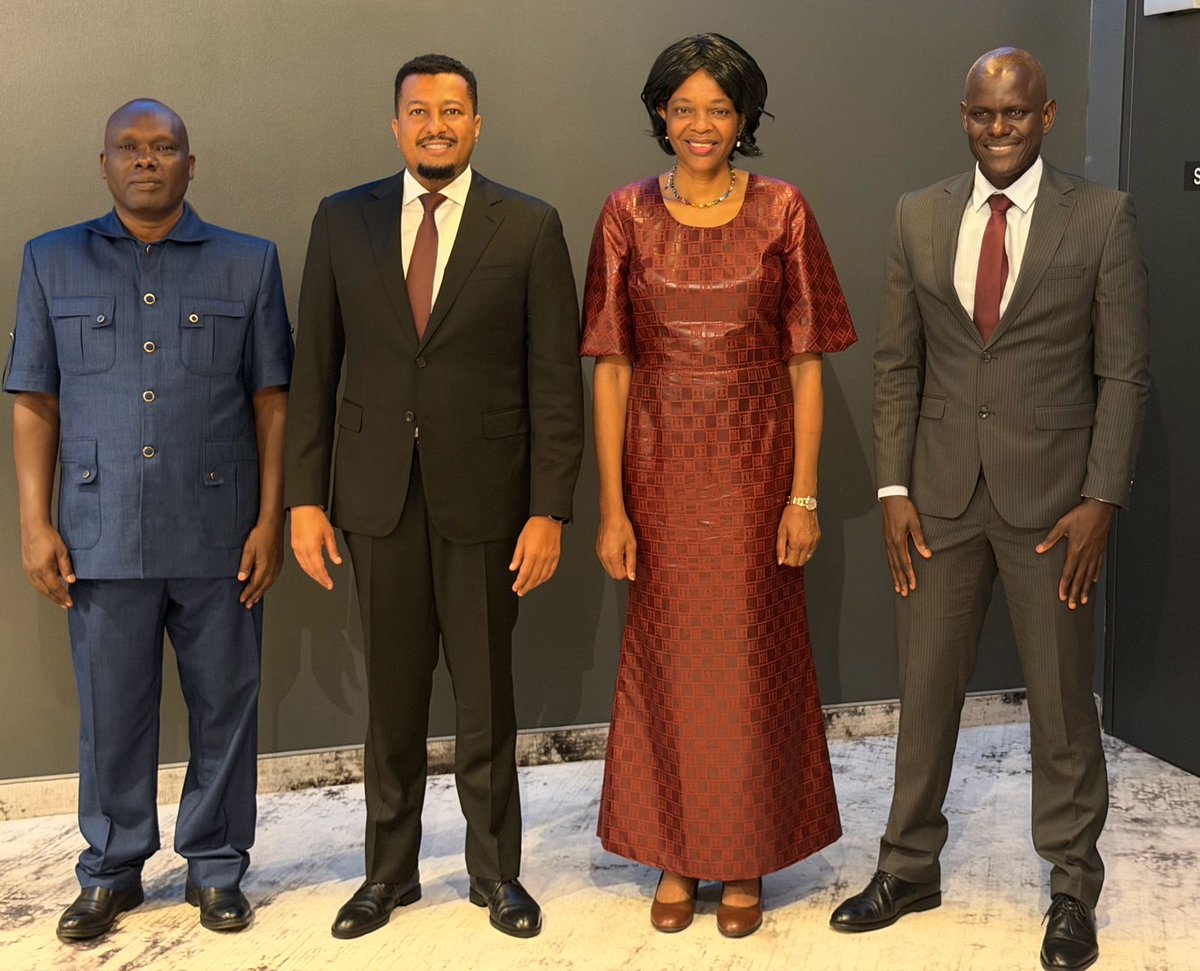
I held bilateral discussions with H.E. Eng. Mohamed Fathi, Assistant Minister for Maritime Transport of the Arab Republic of Egypt, on strengthening cooperation in our transport sectors.
Our deliberations focused on port development, Bus Rapid Transit system, and the adoption of smart and sustainable transport systems.
I met with Ambassadors, Heads of Missions, Government officials, and G7+ Development Partners on behalf of the Cabinet Secretary @davis_chirchir to take stock on the progress of priority transport sector programmes within the Nairobi Metropolitan Area.
Our discussions underscored the critical importance of sustained collaboration in delivering an integrated, efficient, and sustainable urban transport system to decongest Nairobi and enhance mobility.
Key flagship initiatives include the Nairobi Railway City Central Station Project as the anchor, supported by Bus Rapid Transit Lines 2 & 3, Commuter Rail Lines 1 & 2, the SGR link to Syokimau, and Non-Motorised Transport infrastructure; all geared towards enabling the movement of up to 30,000 passengers per hour by 2030.
We are working together with the Prime Cabinet Secretary's office, Government State Departments, Kenya Railways Corporation, KeNHA, KURA, NaMATA, the Nairobi City County Government, and our development partners to fast track project delivery and realise our shared vision of a modern, accessible, and efficient transport system.