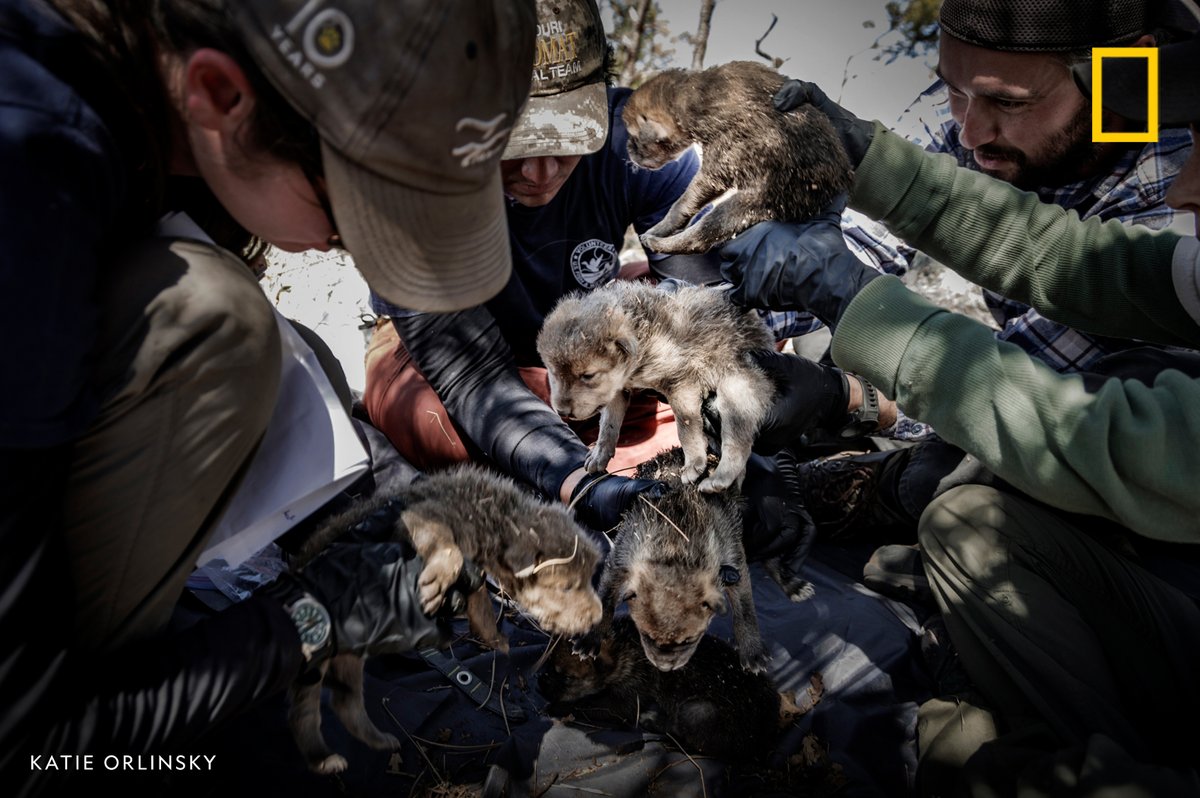
The Mexican gray wolf was on the verge of extinction in the 1970s. On the latest episode of #OverheardNatGeo, hear how biologists and a Texas trapper joined forces on an ambitious plan that continues today to save the iconic predators
…
The fact that there are snappers in the once notoriously polluted Chicago River tells a vital story about the health of our waterways
https://t.co/MwDLlj8uZe
With highways navigating remote mountains, lake shores and vast tracts of wilderness, Canada is the quintessential country for an unforgettable road trip. Here are six spectacular routes
https://t.co/PwfvkOZoPB
Head to this former seat of Ottomans and kings to find extraordinary landscapes, an emerging food scene and exuberant nightlife
https://t.co/P4tN3Ge2Si
In a world full of post-workout recovery drinks, many endurance athletes turn to chocolate milk. Here’s why—and what it means for you
https://t.co/h51o40BDQy
Raccoons earned a bad reputation from their devious actions in our neighborhoods. But they’re smart enough to use us and our resources for their own good https://t.co/W3cpMXBevT
We’ll never know what was written on the first Vindolanda tablet found in 1973. But since then, more than 1,800 similar tablets have been found, and they’re recognized as some of the world’s greatest archaeological treasures
https://t.co/PBIBAce1pX
Lodgings that commune in some way with nature are more popular than ever, but some travelers want to be close to the wild without giving up amenities. Here are 10 lodging options to celebrate America’s wild landscapes
https://t.co/tjwef8rnZQ
Tucked beyond New Mexican mountain ranges, the Gila Wilderness area is a rugged and raw place, where visitors can experience nature on its own terms
https://t.co/tjYAB8NNyN
The ancient art form has existed for thousands of years. In that time it’s been outlawed, used in religious ceremonies, and celebrated as a symbol of love
https://t.co/ovcAMglXNw
The hybrid between a wild African cat and domestic kitty are undoubtedly beautiful and playful. They're also banned in some places
https://t.co/ShO9tOgaXH
Scientists have long argued that the blood donation restrictions are discriminatory and unscientific. Now, eligibility will be determined using individual, risk-based questions regardless of gender or sexual orientation
https://t.co/HfOGIrqp7M