How to account for trade-offs between input types in efficiency assessment? we propose to use agroecological principles for assessing the multidimensionality of input-use efficiency in ruminant farms
👉https://t.co/5McrNf1h2g
with @bdumontAE @HijarGonzalo@UMR_Herbivores
Master Internship Offer:
Assessment of production efficiency and environmental impacts of French beef suckler systems across different scales
Collaborated project between @UMR_Herbivores and @WURanimal
More details: https://t.co/PMmc0qOQ3N
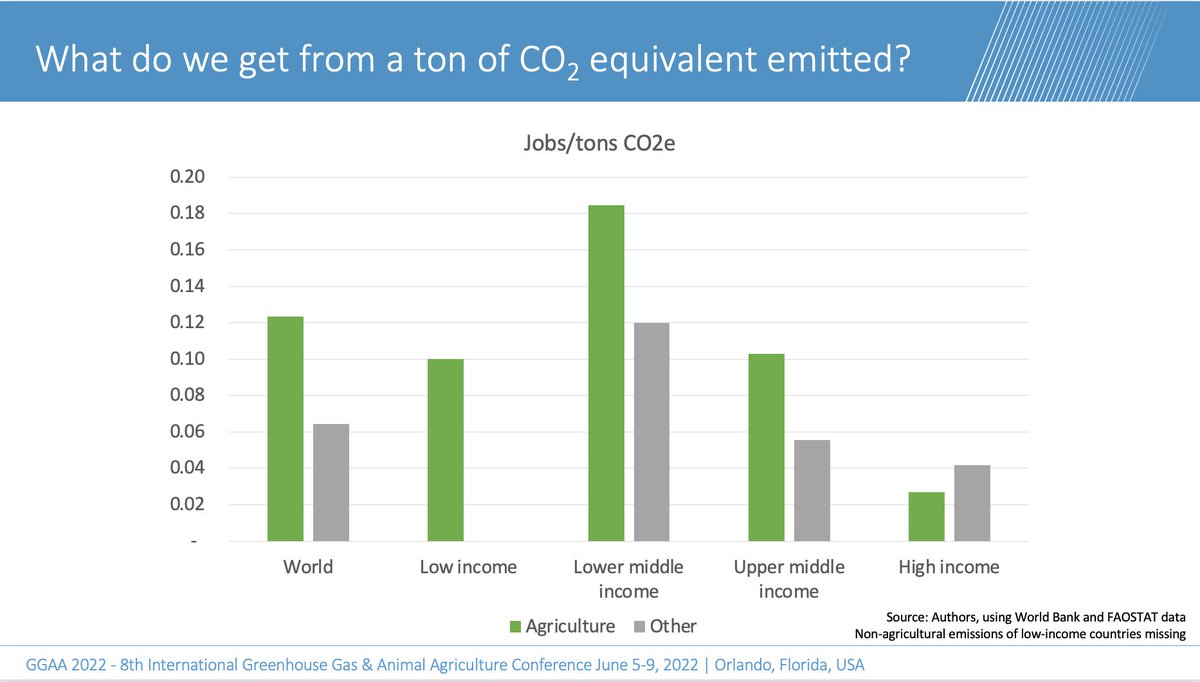
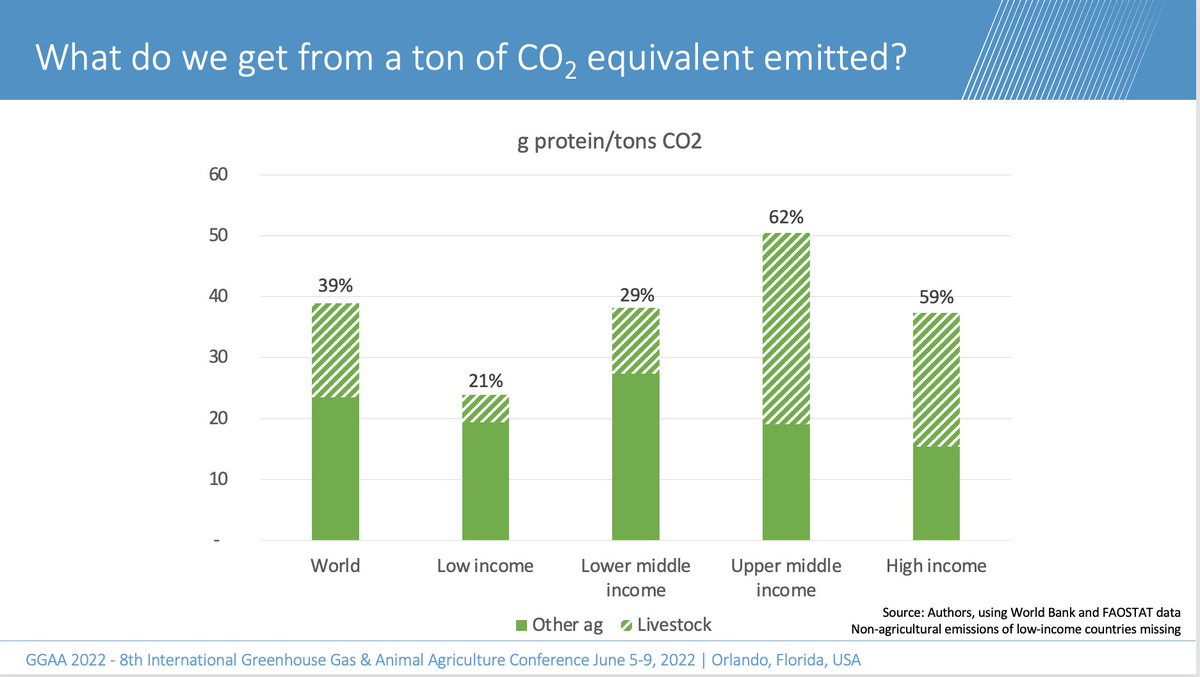
If carbon was the limited currency, should it be spent for money, jobs or food? What we get from a ton of CO2 in #agriculture and elsewhere. Thank you #GGAA2022 for the chance to present this today. Curious to hear if that makes sense, colleagues! @FAOLivestock#GHG#livestock
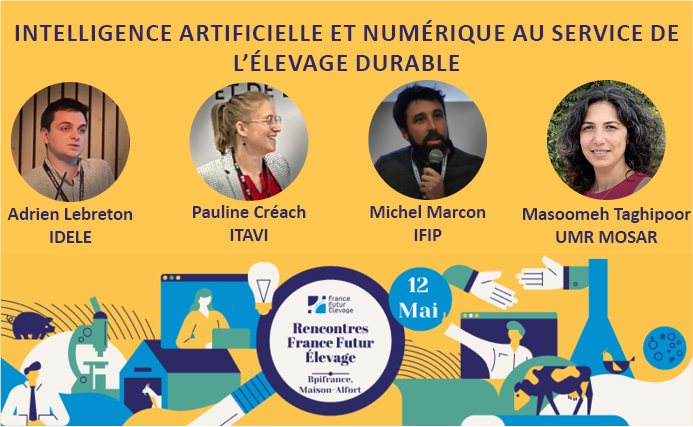
📅Le 12 Mai prochain aurons lieu les #Rencontres France Futur Élevage. Au programme : #Intelligence#Artificielle et #numérique au service de l’#élevage durable. Avec la participations de Pauline Créach, Michel Marcon et Adrien Lebreton.
Inscrivez-vous : https://t.co/VbNeV4jGSt
Motivated students interested by modeling, machine learning, animal welfare and living in Paris: Phd opportunity at UMR @mosar_team@INRAE_DPT_PHASE on animal welfare and modelling (AI) https://t.co/E4fWEQ6ye9
I enjoyed working with @Yvette_deHaas, @rfveerkamp, and Gerben de Jong on our paper "Selective breeding as a mitigation tool for methane emissions from dairy cattle". We explored the effect of selecting for lower methane and phenotyping strategies.
https://t.co/xiwqcCtO2u