James Rattling Leaf, Sr., NC CASC Tribal Engagement Specialist and CIRES Tribal Advisor, contributed to a Department of the Interior handbook on Indigenous Knowledge that was published last week. Check it out here: https://t.co/BR6BzCMVvb
#climatetwitter
The Environmental Data Science Innovation and Inclusion Lab (ESIIL) at CU Boulder is hosting a 2025 Innovation Summit. Fill out your application by January 31 to join the summit!
https://t.co/Wt5EcNEFcS
#summit#climate#climatetwitter
Happy New Year from the NC CASC! Our newsletter is now out, highlighting our research and activities over these last few months. Read it here: https://t.co/GBkFAb6vR0
#climate#climatetwitter#newsletter
The NC CASC webinar, "Dreams from the Anthropocene," by Robin Hextrum, is now available on our YouTube channel! Check it out here: https://t.co/RRjTRNfy0C
#climatetwitter#climate#art
The NCA5 Key Messages Tool, developed as part of the NC CASC’s 2024 Rapid Climate Assessment Program (RCAP), provides a state-specific summary of the NCA5 for the north central region of the US. Learn more here: https://t.co/KFCDzsIlSi
#climatetwitter#climate
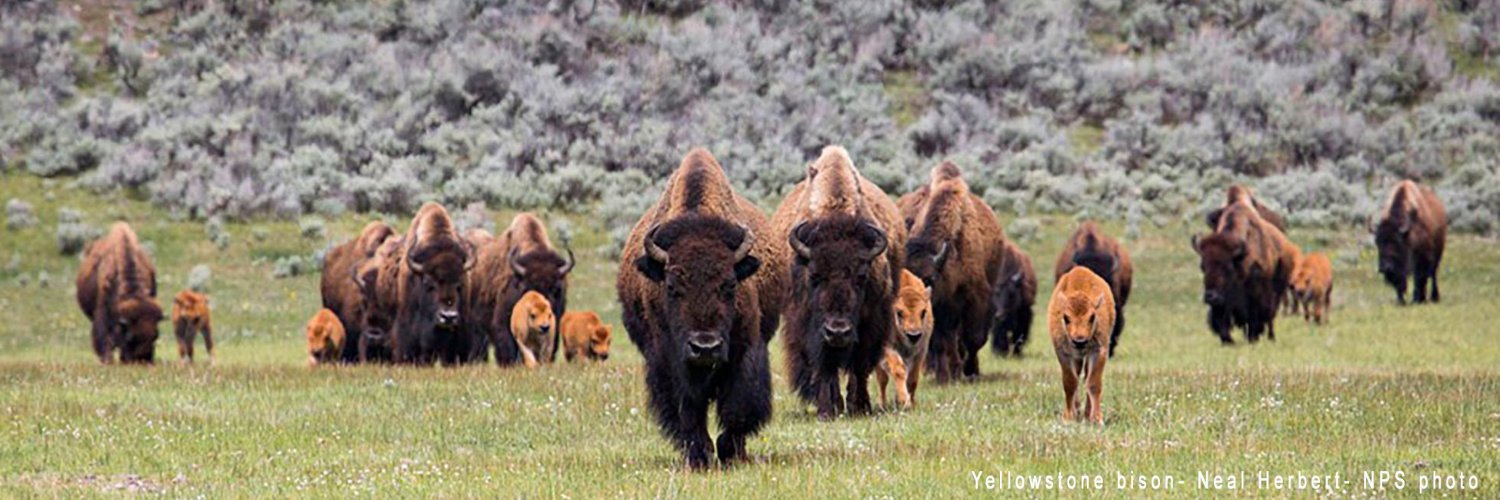
We welcome Alex B. Shupinski, a postdoctoral researcher who is currently conducting species distribution modeling on Bison to help predict their future habitat suitability across North America with the changing climate. Read more here: https://t.co/usP0I4syNj
#climatetwitter
Our new Science Spotlight story covers Dr. Ana Davidson's work on the Central Grasslands and keystone species, like the black-tailed prairie dogs. Learn more here: https://t.co/eMXMEpnj0x
#climate#climatetwitter#grasslands#conservation
Our next webinar is on Thursday, December 12, from 11 AM - 12 PM MT. Hear from Robin Hextrum, an artist and environmentalist, about the role of art in processing and raising awareness about the impacts of climate change.
To register: https://t.co/a597jpCFZR
#climatetwitter
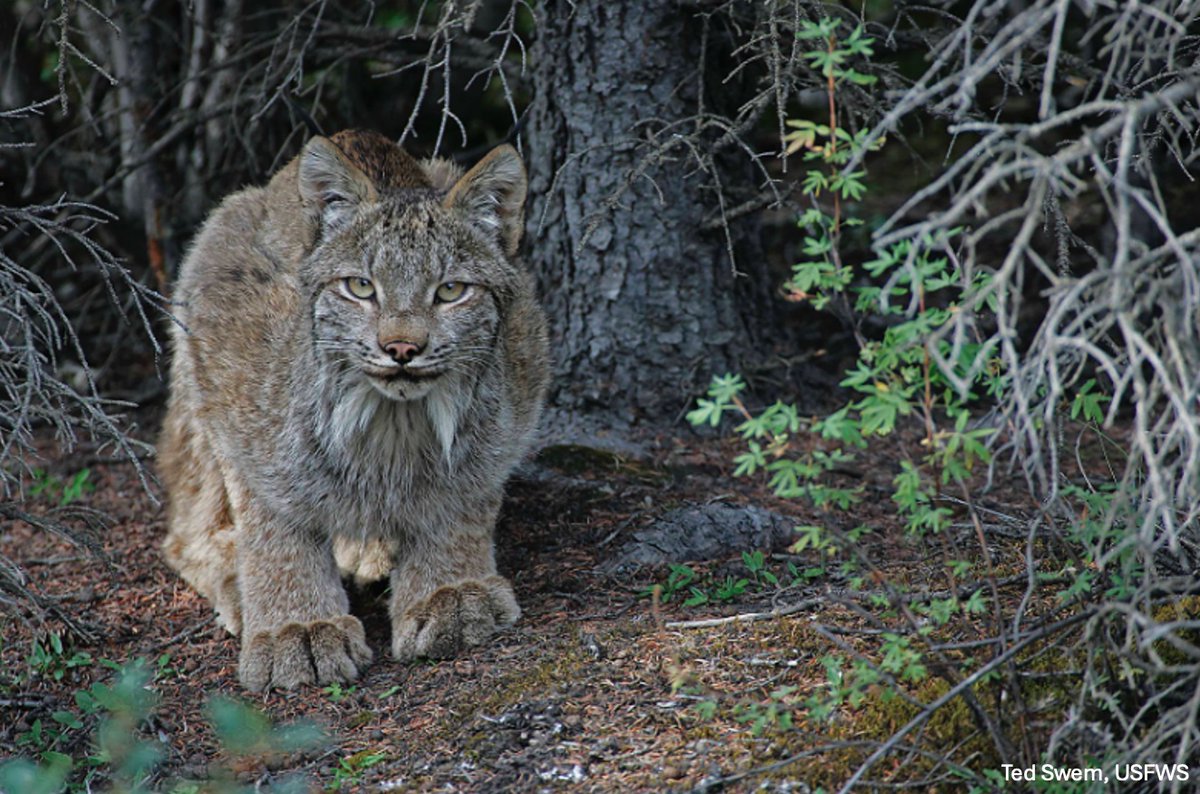
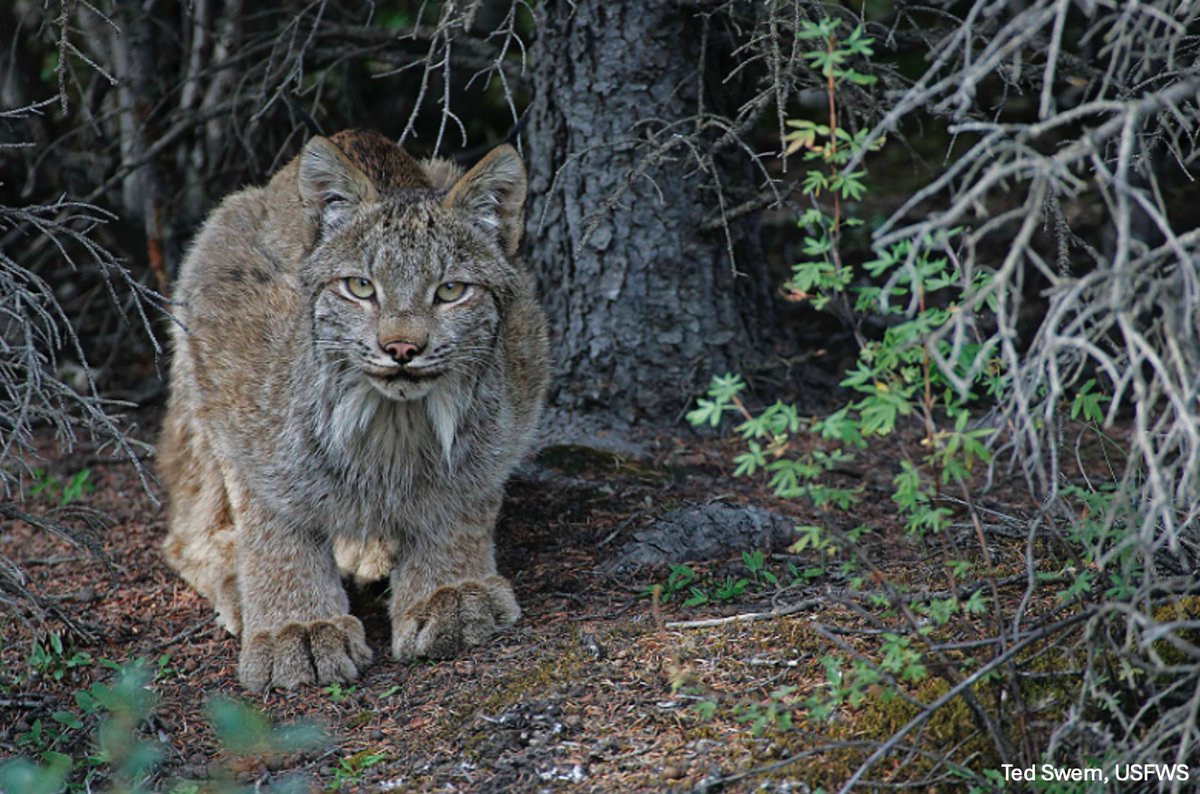
Reminder! Our next webinar is this Thursday, Nov 14, from 11 AM - 12 PM MT. Learn more about the lynx, which has been listed in the contiguous U.S. as a threatened distinct population segment (DPS) since 2000.
Register here: https://t.co/bLBUgyLd4C
#climatetwitter#climate
Our next newsletter is out! Learn more about our new consortium; our updated strategic science plan; and communications products based on work by Summer 2024 Rapid Climate Assessment Program (RCAP) teams: https://t.co/rfwslujbKs
#climatetwitter#newsletter
Ethical space is a framework of engagement between Western science and traditional knowledge. Learn more about it and its importance from NC CASC's James Rattling Leaf, Sr.:
https://t.co/4QqOSSBMlP
#TEK#Indigenous
A new publication is now out! Learn more about a data-driven approach to co-producing drought vulnerability assessments.
https://t.co/ycuD8PGm9I
#climate#climatetwitter#drought#publication
Check out some new products from the NC CASC's Rapid Climate Assessment Program! One covers research at the Upper Missouri River Breaks National Monument, while the other focuses on sagebrush ecosystems in our region.
https://t.co/8f1SCcnRBr
#climatetwitter
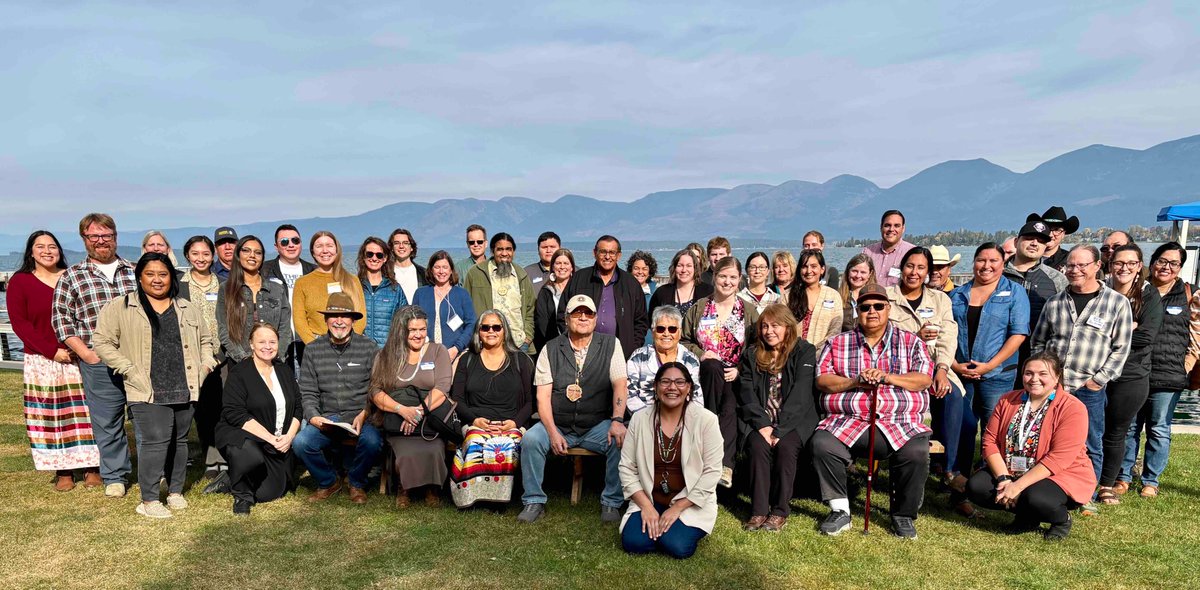
The Tribal Climate Workshop was a wonderful success, bringing together over 50 participants from approximately 15 tribal nations.
Read more here: https://t.co/eKVgH1KxQm
#TEK#climatetwitter#climate#Indigenous
Our next webinar is on Thursday, November 14, from 11 AM - 12 PM MT. Learn more about the lynx, which has been listed in the contiguous U.S. as a threatened distinct population segment (DPS) since 2000.
To register:
https://t.co/T9GdExrsfe
#climatetwitter
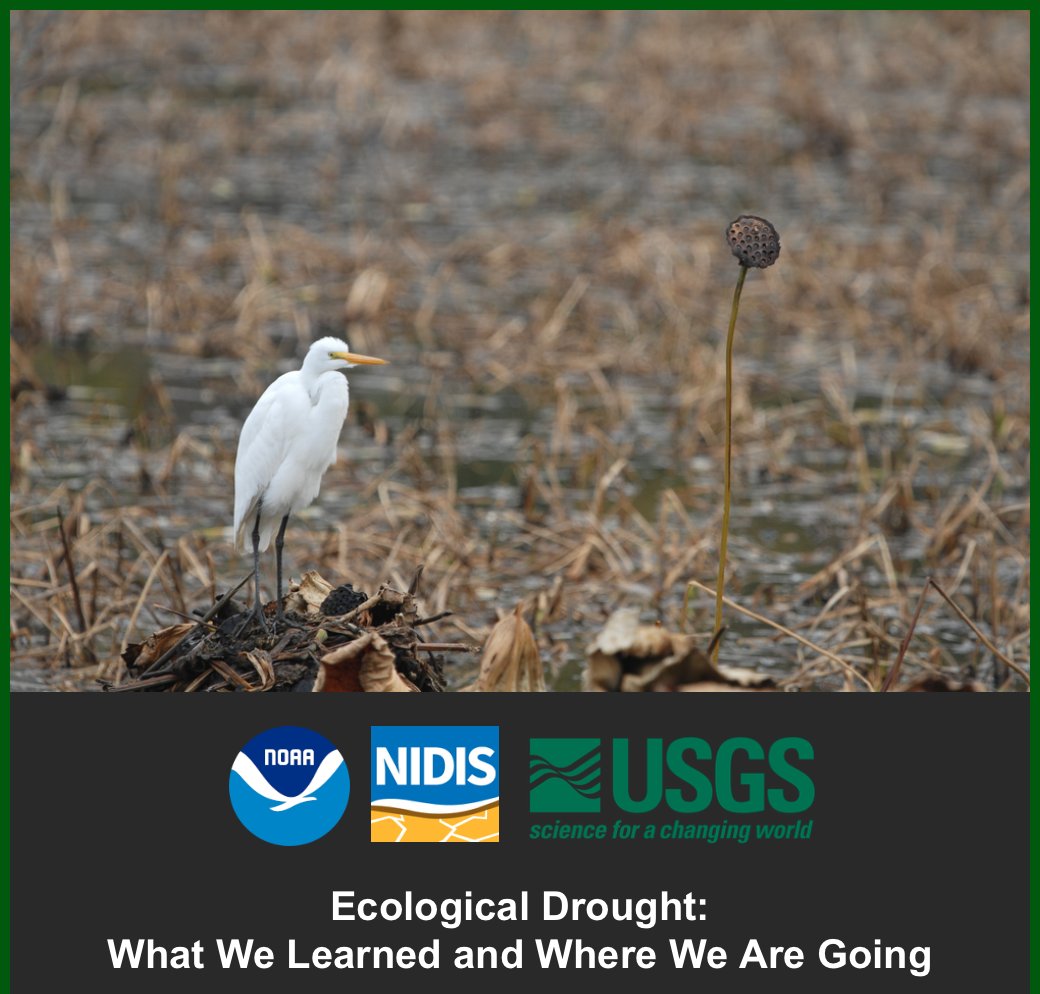
NC CASC affiliates, Dr. Wynne Moss and Shelley Crausbay presented in the 2024/25 National Ecological Drought Webinar Series.
Learn more here: https://t.co/75RS6RAnSc
#drought#climatetwitter
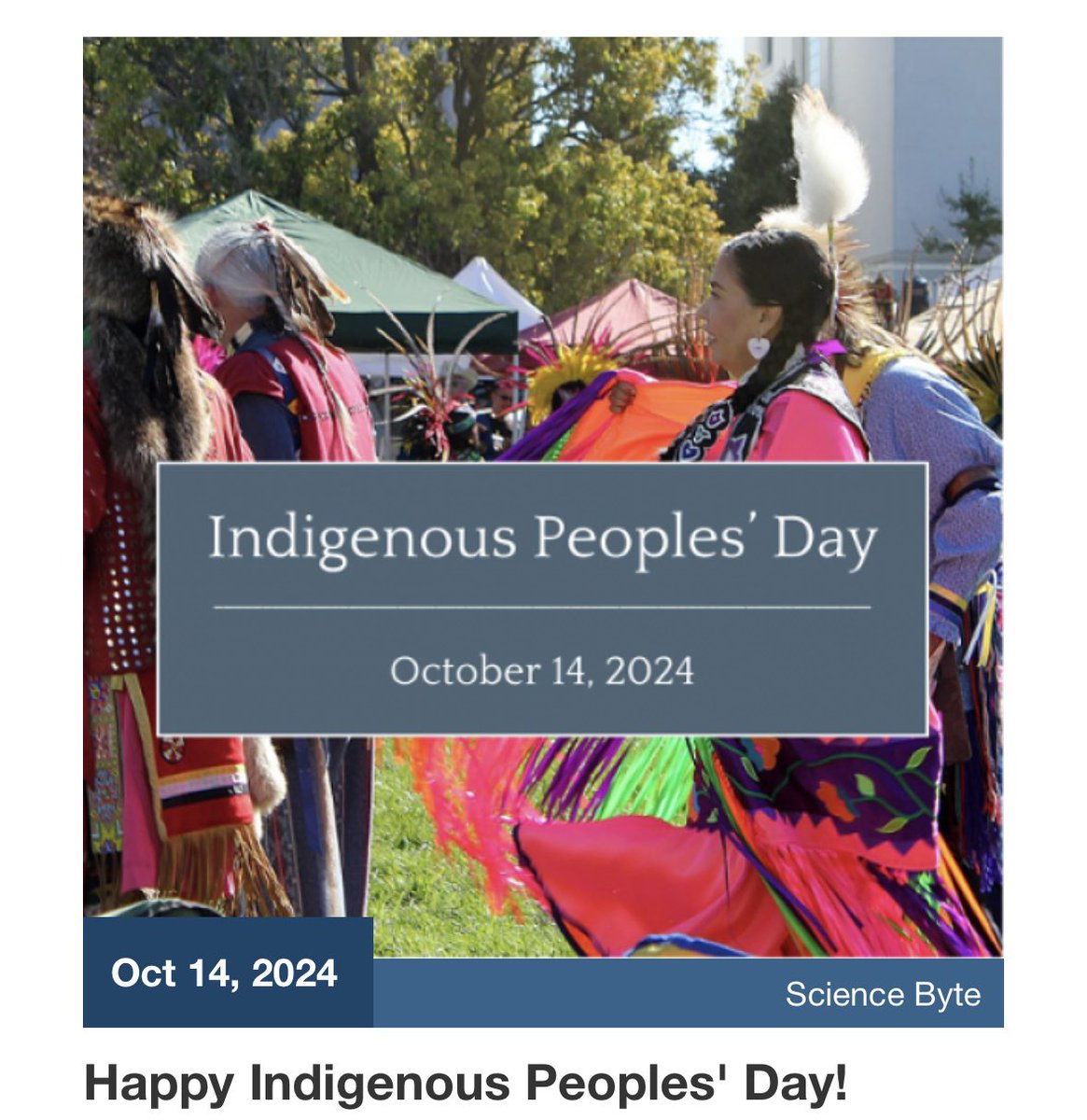
The NC CASC is happy to celebrate Indigenous Peoples’ Day today, October 14. We celebrate and honor the connection Indigenous Peoples have with their cultural lands, including the lands where we live and work today. Read more here: https://t.co/GgblQdWxNN
#IndigenousPeoples
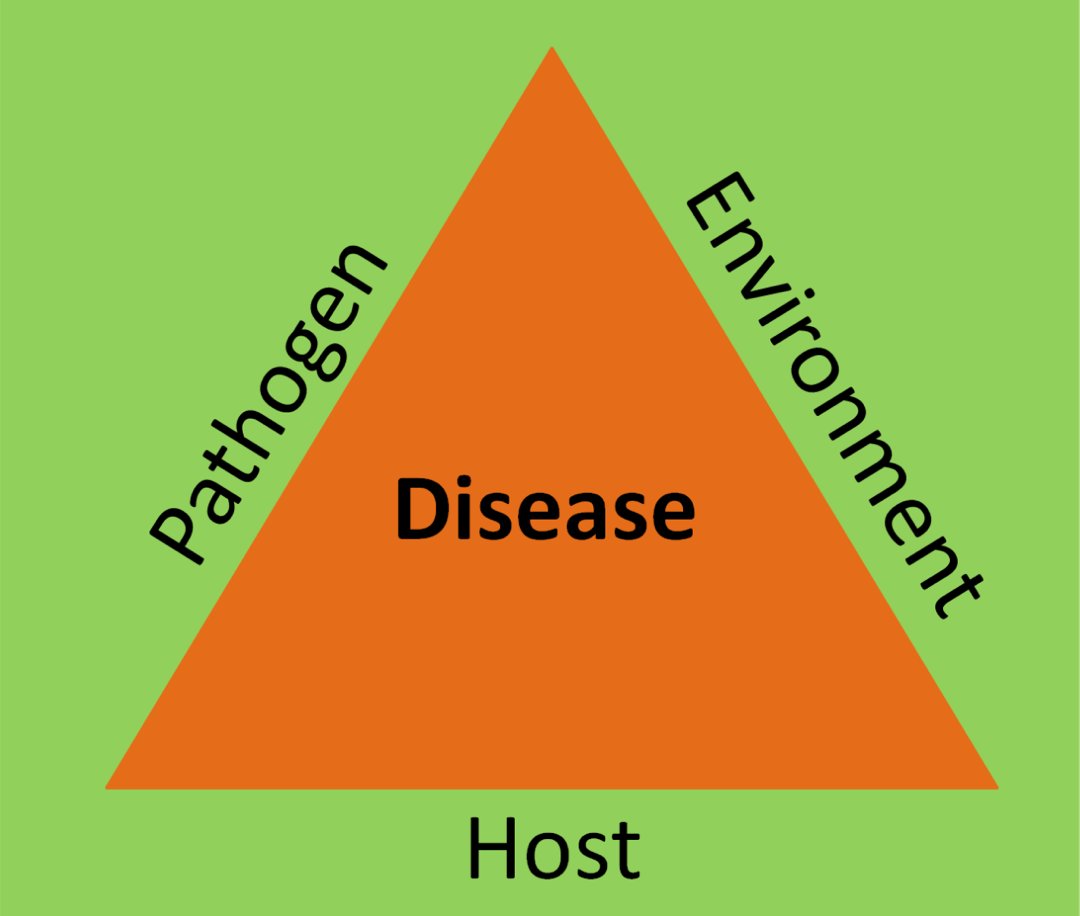
A new blog by RCAP (Rapid Climate Assessment Program) student, Kyle Schutz, explores how navigating wildlife infectious diseases in the context of climate change is daunting – what can agencies do?
https://t.co/TNfnYAIZEv
#climate#climatetwitter#wildlife#disease