It’s written here:
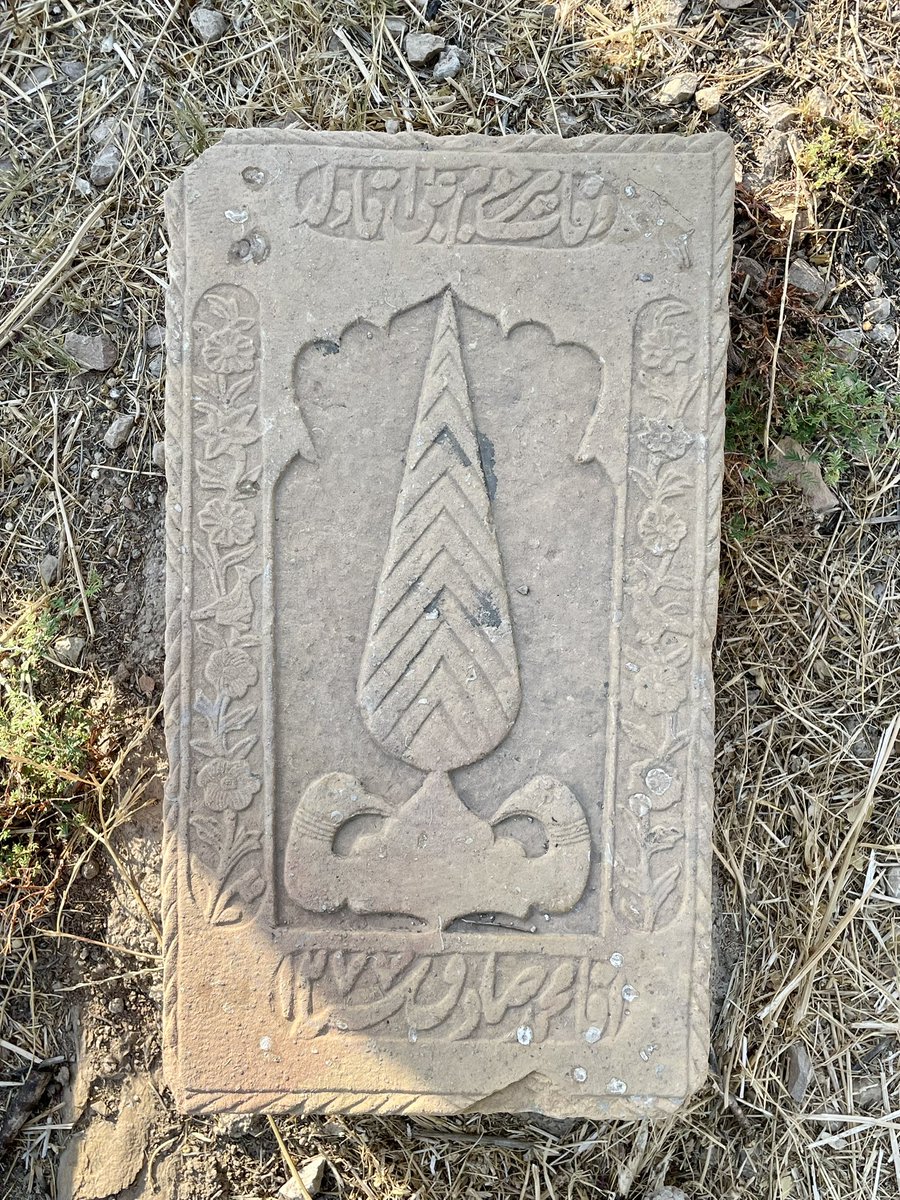
تاج الملة و الدّین محمود بن الشیخ المُعمَل الاعظم المغفور و شرف زینته فی الدین تقی الملة و الدین دادا محمد الیزدی ، ثلاث و خمسین و سبعمائه ۷۵۳
he was one of the well-known Sufis of Yazd.His followers followed a Sufi path known as the Dada’iyya
طریقت دادائیه یزد
نکات جالبی دربارهی سرو و گورستانهای ایرانی وجود دارد. یکی از آنها که برای نخستینبار میخواهم به آن اشاره کنم این است که در مواردی «برگهای»سرو -یعنی خطوط هشتی داخل سرو-نشاندهندهی سن متوفی است. در این حالت هر نشانِ ^ شکل معادلِ «۲» سال است. در این سنگ علی آقا ۲۳ سال دارد
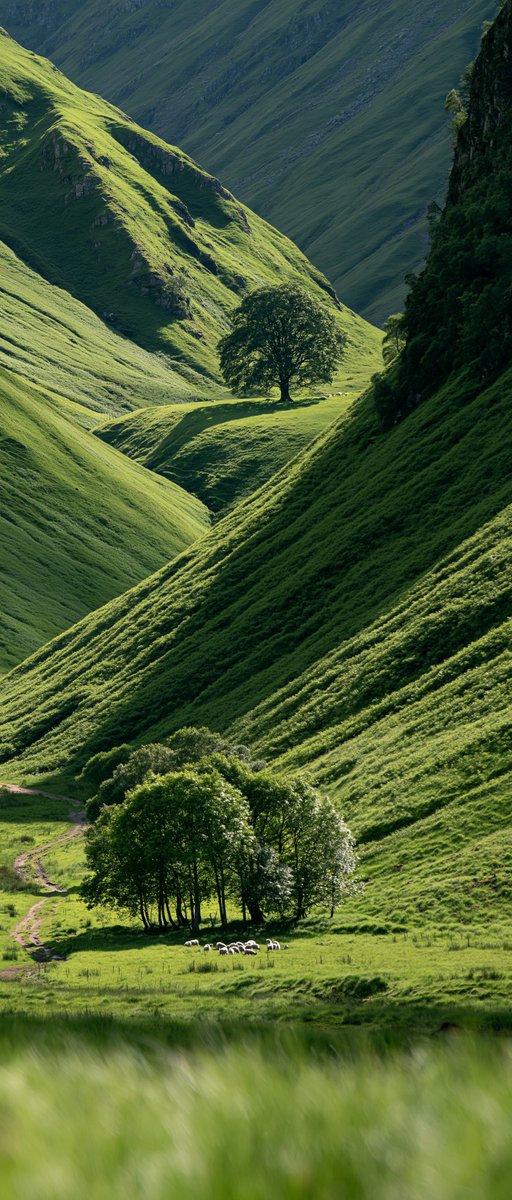
west and the Marvdasht plain and Persepolis to the east. There are also large stretches of farmland across the area.
Unlike northern Iran, where forests, trees, and greenery seem to be everywhere, here you have to cross barren land and vast fields, then follow winding roads | 2
When I first visited Dasht-e Bayza, I was curious to see what the place associated with Sibawayh, al-Hallaj, Ibn Salaba, Ibn Muqla, Qadi al-Baydawi, and even Cyrus the Great was actually like.
It’s a vast plain nestled among the Zagros Mountains, with oak-covered slopes to the |1
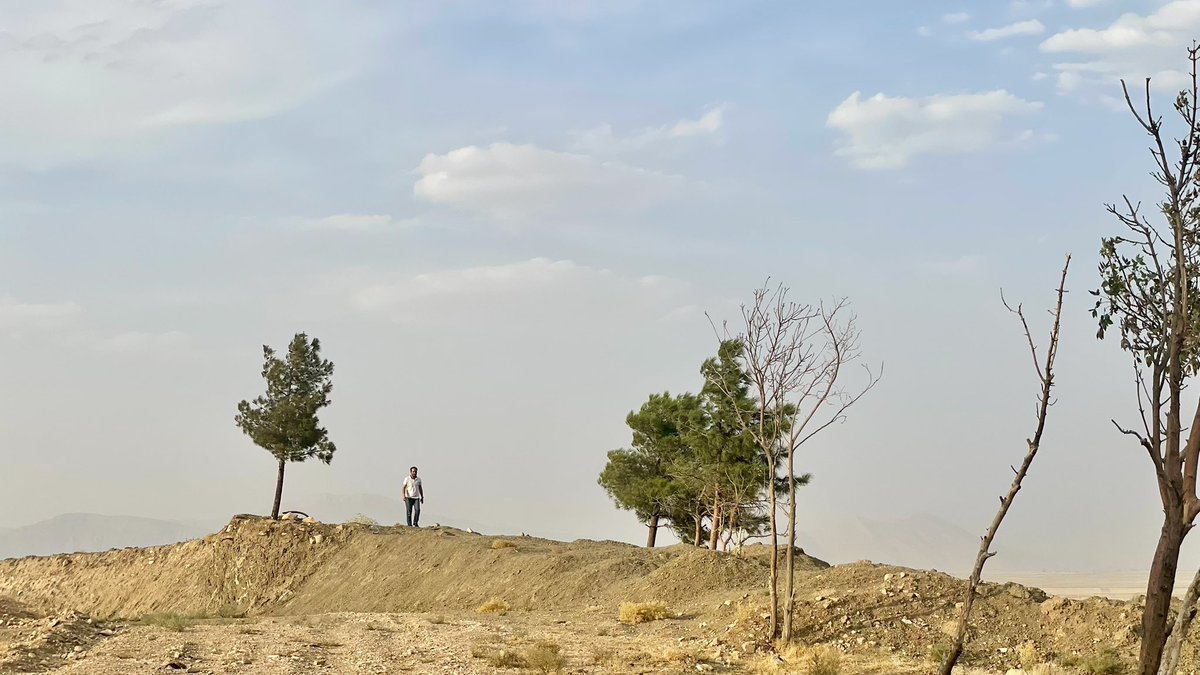
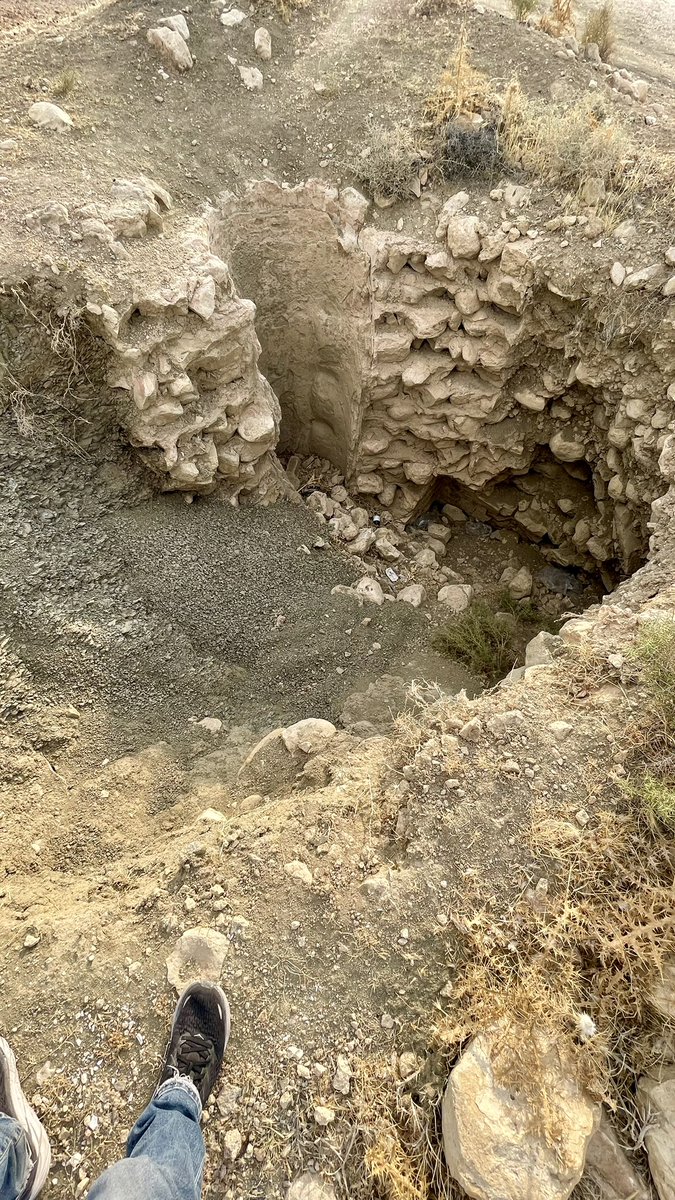
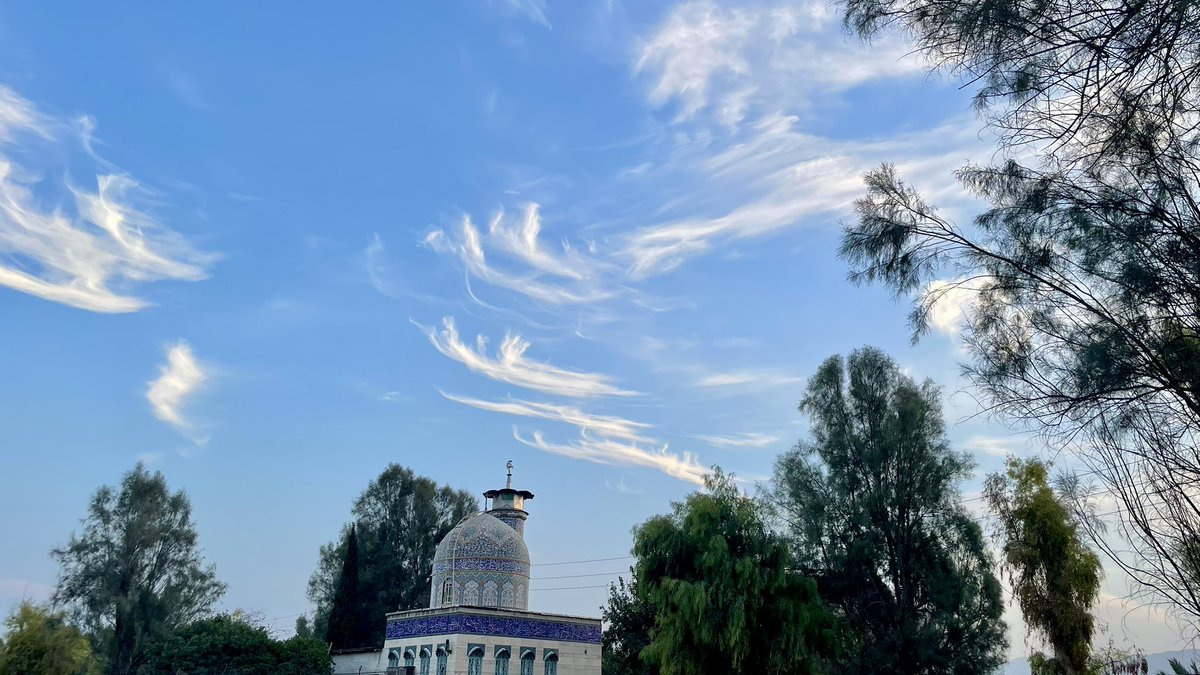
Thursday was such a beautiful day at Darb-e Salm Cemetery. I took this photo that day, and also found my third stone bearing a لعنة (curse) inscription, hidden beneath the pillars of a wall.
I’ll be writing about what exactly a curse inscription is in the next few days
Stay tuned
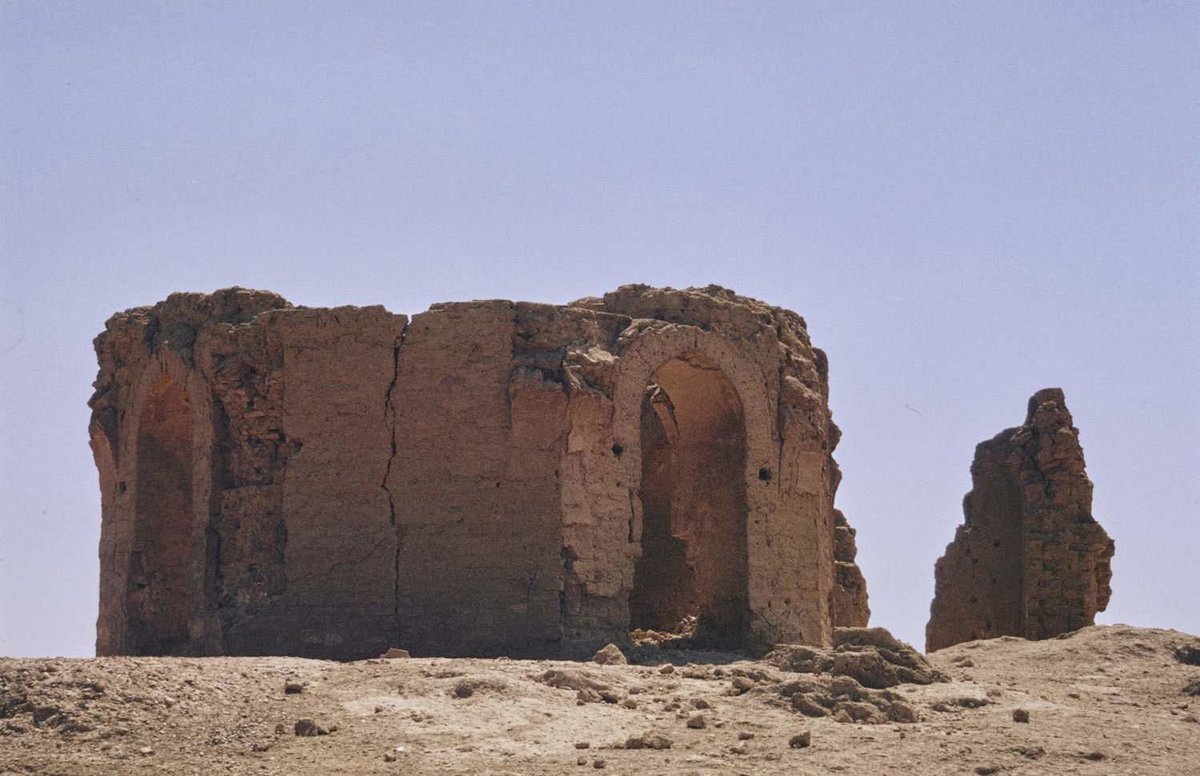
Looking at chahārṭāqi چهارطاقی in Iran teaches us a lot that goes beyond architecture
Besides Konarsiah, Neyasar, and the many others scattered across Iran, take a look at the Chahārṭāq of Farashband and the one at Darb-e Salm, too. A book of its own could be written about them
An undecorated, translucent glass vessel, probably made in Raqqa for specialised use, perhaps in chemistry. Its plain surface may have allowed chemical reactions to be observed. It reflects the Abbasid era’s scientific and technological advances. Museum of Damascus,9th–10th c. CE
Umayyad or early Abbasid period, fragment of an official letter (نامه دیوانی) on papyrus, 8th century CE
I suspect it reads: “From Ṣafwān ibn Ḥārith al-Jaʿdī to Ḥabīb …”
من صفوان بن حارث الجعدی الی حبیب…
I couldn’t find this name in historical sources in a quick search
The Blue Qur’an,dating from the late 9th to mid-10th, is a stunning manuscript featuring gold Kufic script on indigo-dyed parchment, with silver verse markers. Its parchment may have required the skins of around 150 sheep.
where was it made—Khorasan, Kairouan, Iraq? No one knows
A copper coin of ‘Ali ibn ‘Isa ibn Mahan, struck in Bukhara in 185 AH
علی بن عیسی ماهان
An Abbasid general who served under Mahdi, Harun al-Rashid, and Amin. His coins don’t mention the caliph’s name, possibly hinting at an attempt to break free from Harun al-Rashid’s control.
The news of Tahir killing ‘Ali ibn ���Isa, the oppressive governor of Khurasan, reached Amin while he was fishing. He showed no reaction to the defeat of his army. he told the messenger: “Damn it! Kawthar, the servant, has caught two fish, and I haven’t caught a single one yet!”
Building tombs over graves was controversial in early Islam. One early example is the Qubbat al-Sulaybiyya in Samarra, reportedly built over the grave of Abbasid caliph al-Muntasir (d. 248 AH) by his Christian mother. It is among the earliest monumental tombs in the Islamic world
Here’s an observation I believe has never been noted before: on some old Iranian gravestones, the “leaves” of the carved cypress encode the deceased’s age. Each chevron (^) represents 2. Counting them on this stone shows that Ali Agha was 23 years old when he died.
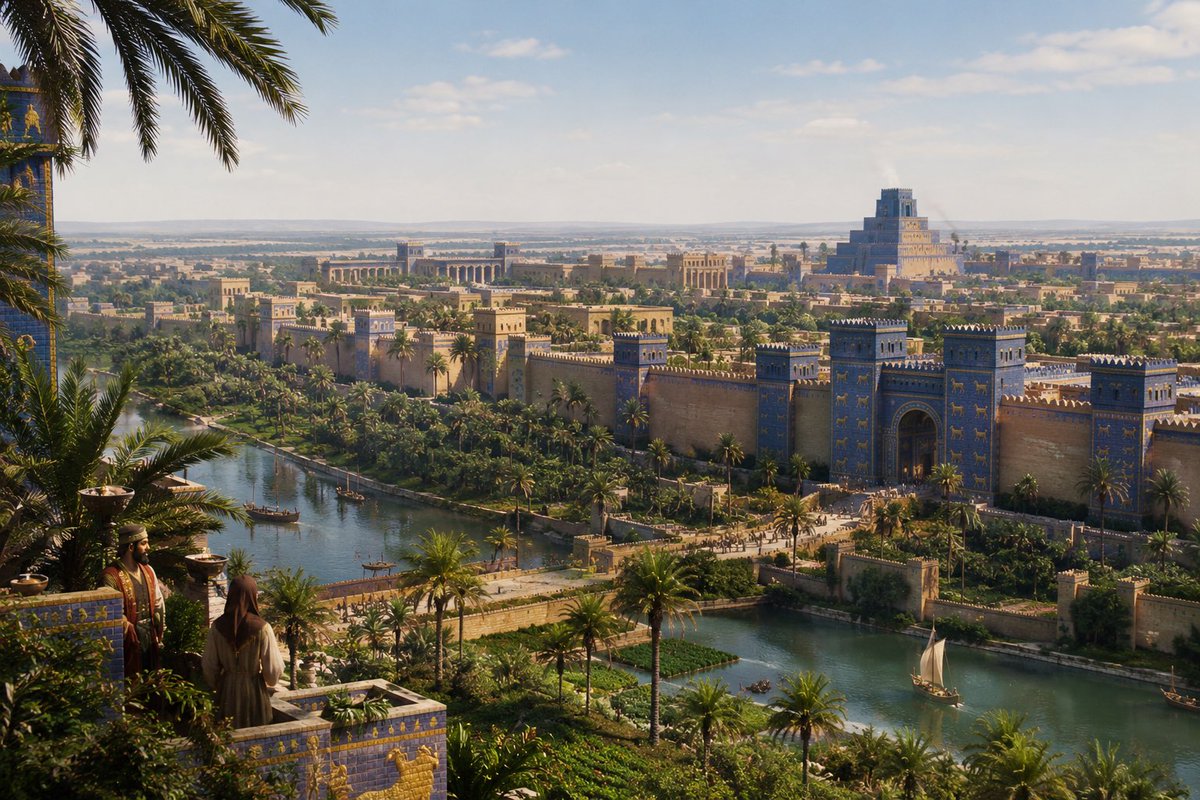
In early Arabic sources, Babylonia was known as al-Sawād (السواد). According to al-Balādhurī, when the Arabs first encountered its many villages, palm groves, and other trees, they exclaimed in amazement: “We have never seen so much sawād (literally, ‘stuff’) before!”
سده چهارم برای درمان بیماریهای جسمی نیز به کار میرفتند.
حمامهای عمومی در شهرهای گوناگون، از سیراف و کرمان تا آنی در ارمنستان و بخارا و… وجود داشتند. حلوان به چشمههای گوگردی و ارجان به صنعت صابونسازی شهرت داشت. بااینحال، استفاده از حمام برای همه یکسان نبود: ذمیان برای | ۲
در سدهی سوم هجری، بغداد بنا بر گزارشها ۵۰۰۰ حمام داشت. این رقم در سدهی چهارم به ۱۰ هزار رسید، اما در سده ششم تنها ۲۰۰۰ حمام گزارش شده است. البته این آمارها را باید با احتیاط پذیرفت. از سده سوم به بعد، منابع بارها از حمامها و چشمههای آب گرم یاد میکنند؛ چشمههایی که در | ۱
Muslims traditionally filled the end of a line by writing extra words upward, one above another. Christians and Jews, by contrast, wrote downward.
See Nafāʾis al-funūn fī ʿarāʾis al-ʿuyūn, vol. 1, p. 88 (1938).
Does this distinction hold for Christian and Jewish manuscripts?