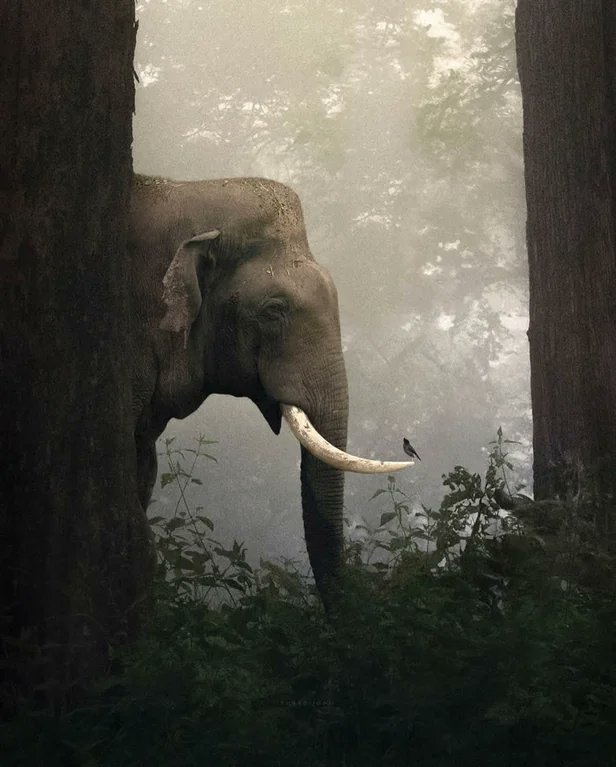
Photographer Shaaz Jung captured a rare and enchanting moment: An elephant, deep within the mist-shrouded forest, stood in quiet communion with a tiny bird perched on his tusk.
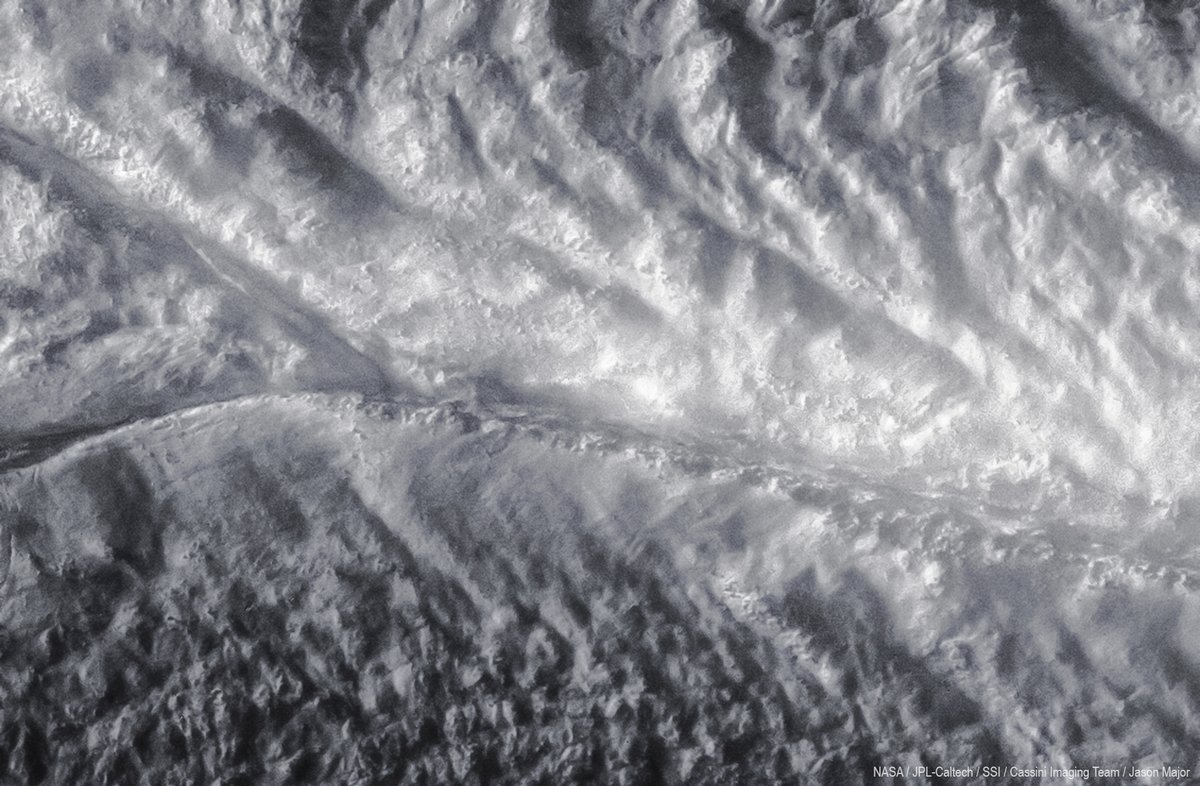
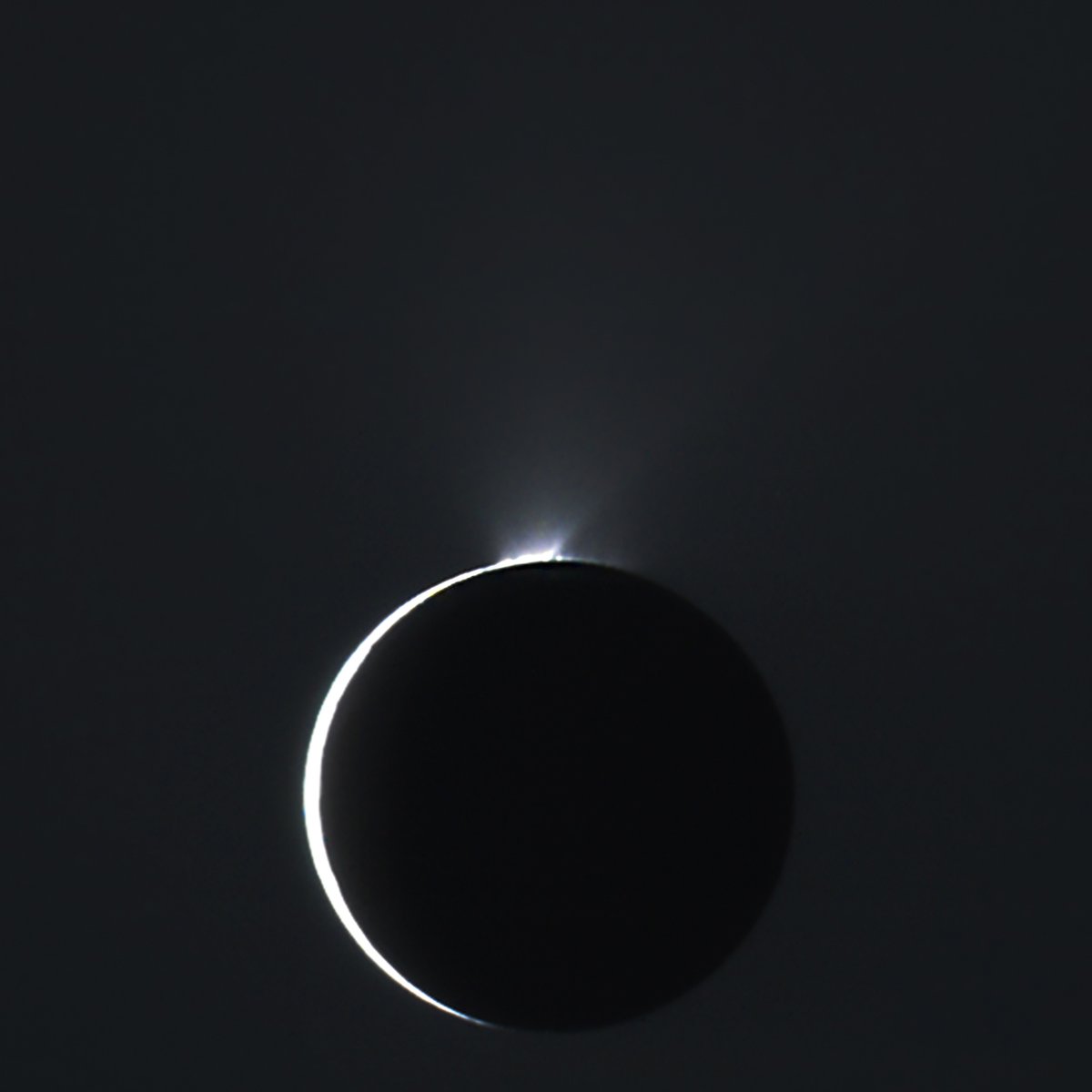
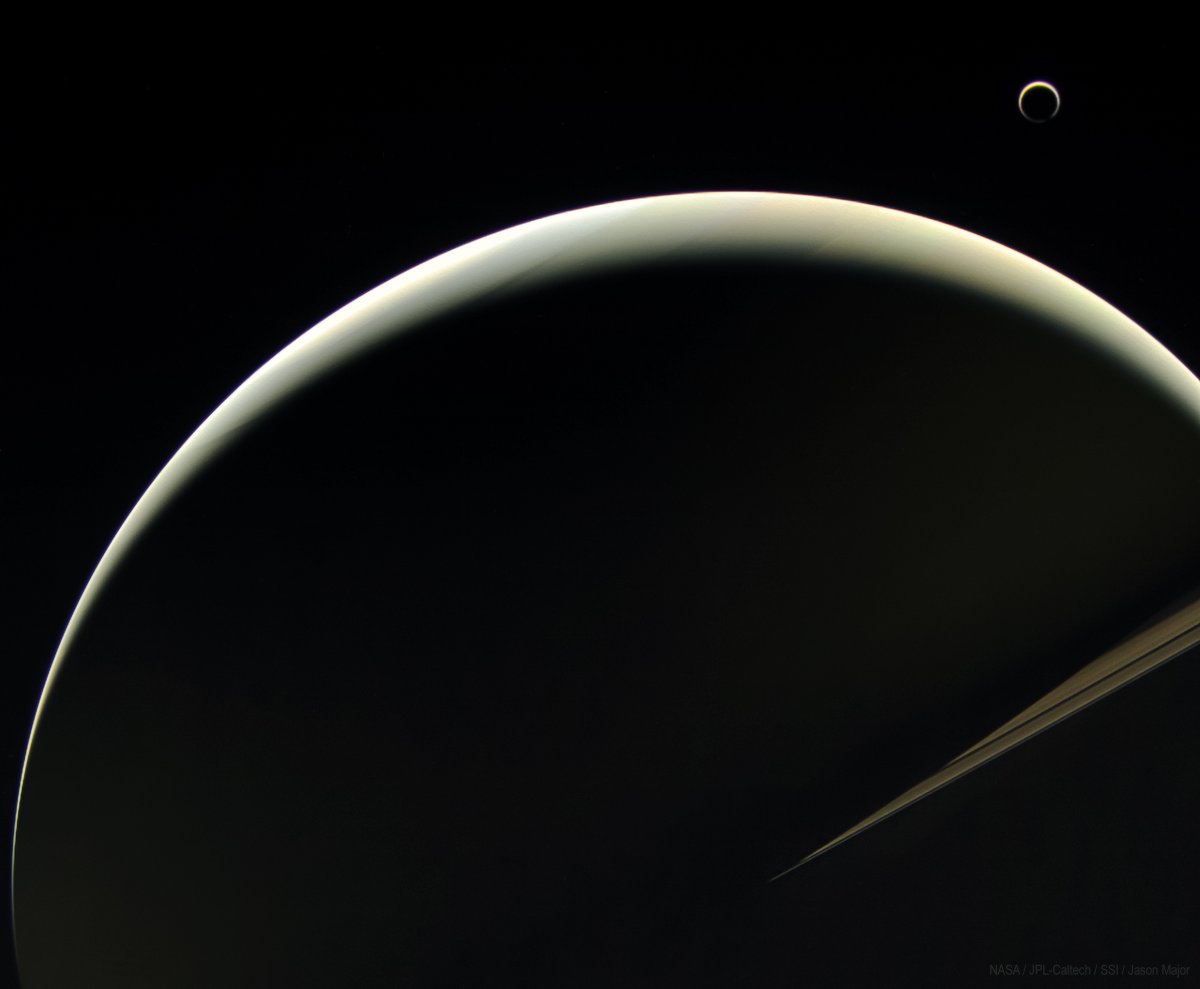
Images of Saturn's moon Enceladus spraying water vapor and ice particles into orbit captured with @NASA's Cassini spacecraft during a close pass on August 13, 2010 #OTD
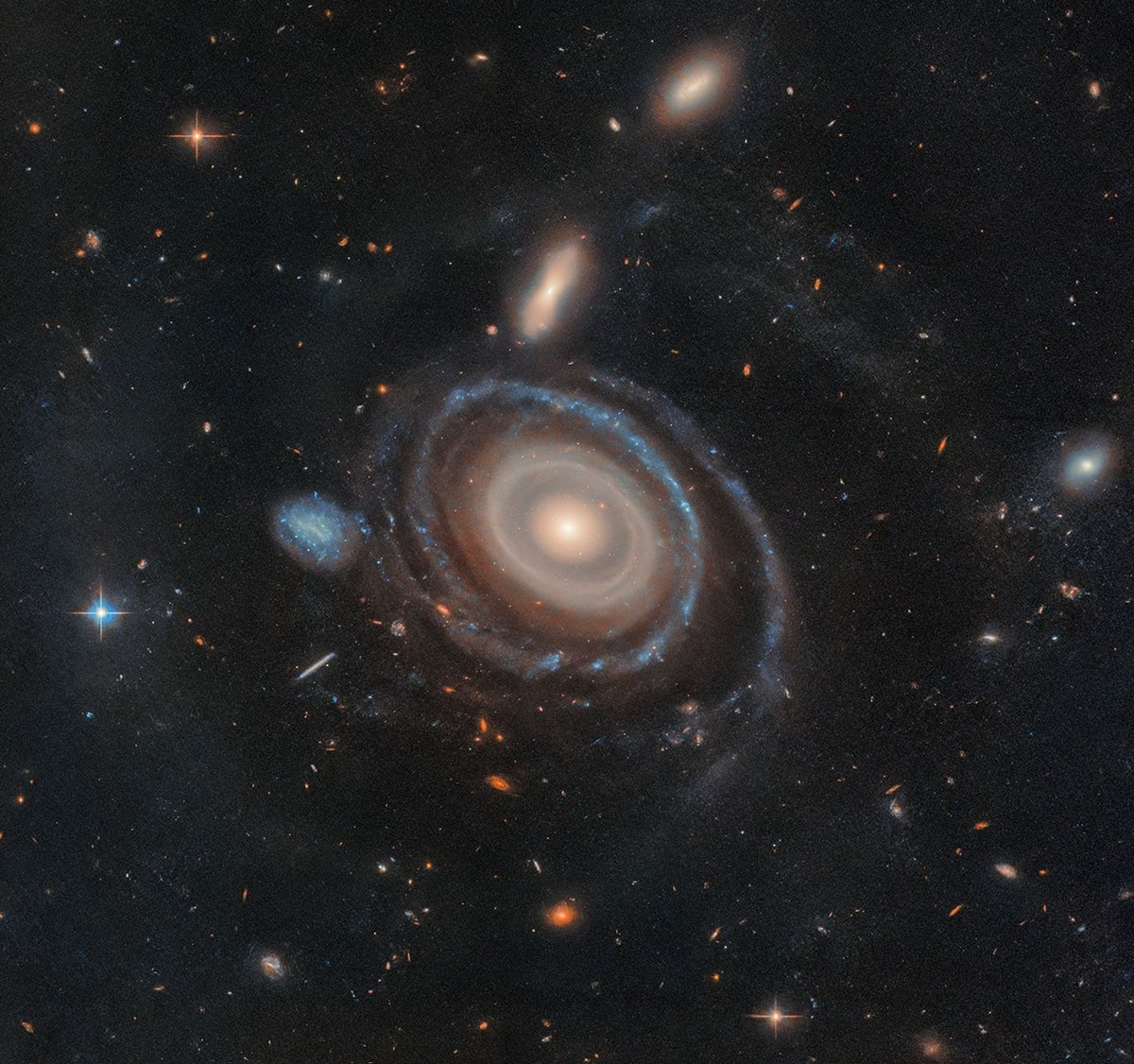
Biggest black hole ever seen - weighs as much as 36 billion of our Suns, distorts the light of a more distant blue galaxy into a ring around its own, ancient orange galaxy. Beautifully pushing the edge of what we understand.
details: https://t.co/Z16cNJrgqO
If you could stand on Venus -- what would you see? Pictured is the view from Venera 14, a robotic Soviet lander which parachuted and air-braked down through the thick Venusian atmosphere in March of 1982. The desolate landscape it saw included flat rocks, vast empty terrain, and a featureless sky above Phoebe Regio near Venus' equator. On the lower left is the spacecraft's penetrometer used to make scientific measurements, while the light piece on the right is part of an ejected lens-cap. Enduring temperatures near 450 degrees Celsius and pressures 75 times that on Earth, the hardened Venera spacecraft lasted only about an hour. Although data from Venera 14 was beamed across the inner Solar System over 40 years ago, digital processing and merging of Venera's unusual images continues even today. Recent analyses of infrared measurements taken by ESA's orbiting Venus Express spacecraft indicate that active volcanoes may currently exist on Venus.
Image Credit: Soviet Planetary Exploration Program, Venera 14; Processing & Copyright: Donald Mitchell & Michael Carroll (used with permission)
#PPOD: ISS and the Moon
Once again, photographer Andrew McCarthy has stunningly captured the @Space_Station transiting the Moon. He noted, "[There is] something so ethereal about seeing something we built juxtaposed against the grandeur of a celestial body."
Credit: @AJamesMcCarthy
My cameras were powered off more than 25 years ago, but people often want to know what it would look like if I could take a picture now. 📸
From interstellar space, our Sun would look like nothing more than a star in the night sky – and Earth wouldn't be visible at all! -V1
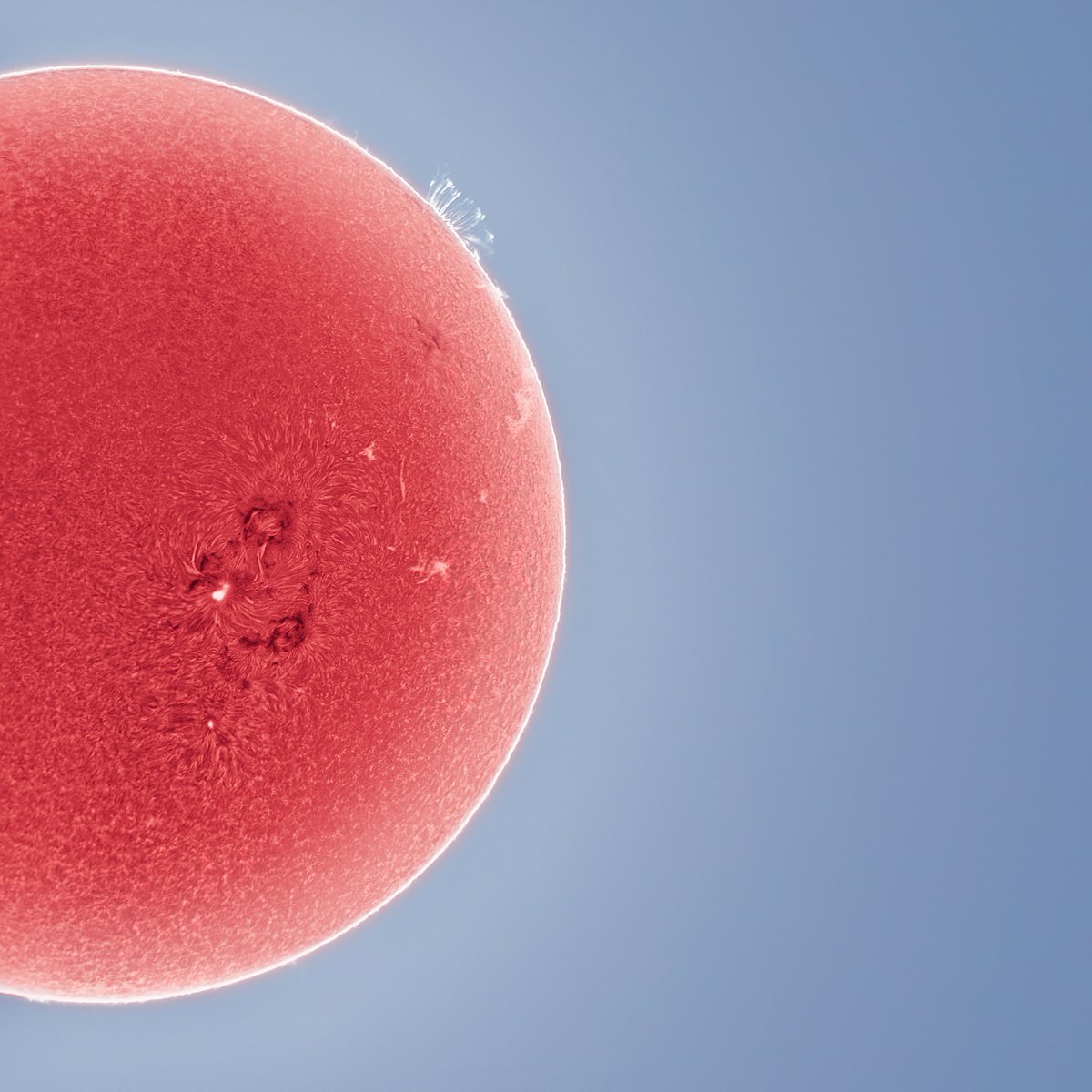
Capturing a photo like this can be dangerous if you don’t know what you’re doing. The sun’s energy focused into an eyepiece would blind you, and melt your camera.
By modifying the optics like I did, you can get incredible photos.
Our sun is so ridiculously cool.
The ISS transiting our sun: a photograph that requires the right equipment and sufficient planning to pull off.
While I’ve captured the ISS many times, this is one of my favorite photos of it. Something incredibly humbling seeing it juxtaposed against the power of our star.
#PPOD: @HubbleTelescope Spies Cosmic Pillar in Eagle Nebula
This newly reprocessed image, released on April 18, 2025, provides a new view of an enormous, 9.5-light-year-tall pillar of cold gas and dust. Despite its size, it’s just one small piece of the greater #EagleNebula, also called Messier 16.
The Eagle Nebula is one of many Milky Way nebulae known for their sculpted, dusty clouds. Nebulae take on these fantastic shapes when exposed to powerful radiation and winds from infant stars. Regions with denser gas can better withstand the onslaught of radiation and stellar winds from young stars, and these dense areas remain as dusty sculptures, such as the starry pillar shown here.
Credit: @esa / Hubble & @NASA, K. Noll















![SETIInstitute's tweet photo. #PPOD: ISS and the Moon
Once again, photographer Andrew McCarthy has stunningly captured the @Space_Station transiting the Moon. He noted, "[There is] something so ethereal about seeing something we built juxtaposed against the grandeur of a celestial body."
Credit: @AJamesMcCarthy](https://pbs.twimg.com/media/Gqb3MTPW0AAGhNo.jpg)