A common theme in our research lab is the focus on trajectories. In the #PedsICU we don’t need a fancy #AI model to tell us who is sick and who isn’t. What we need to know is: amongst those who are sick (red circle in the fig), who will stay sick and who will recover?
Excited to share the results of our study describing a clinically relevant, high-risk sepsis phenotype📈
This was a labor of love 🫶 with collaborations across 13 PICUs 🏥 and analysis of almost 40,000 kids 🖥️
Feature article @PedCritCareMed#PedsICU
https://t.co/vHV7KSdUVI
I’m going to climb 80 floors in the Step Up for Kids fundraiser. The donations will support Lurie’s Family Services, which play a huge role in the wellbeing of our patients and their families in the intensive care unit. You can help too by donating here: https://t.co/30OUCoEjua
https://t.co/Wn9WKE7IBJ
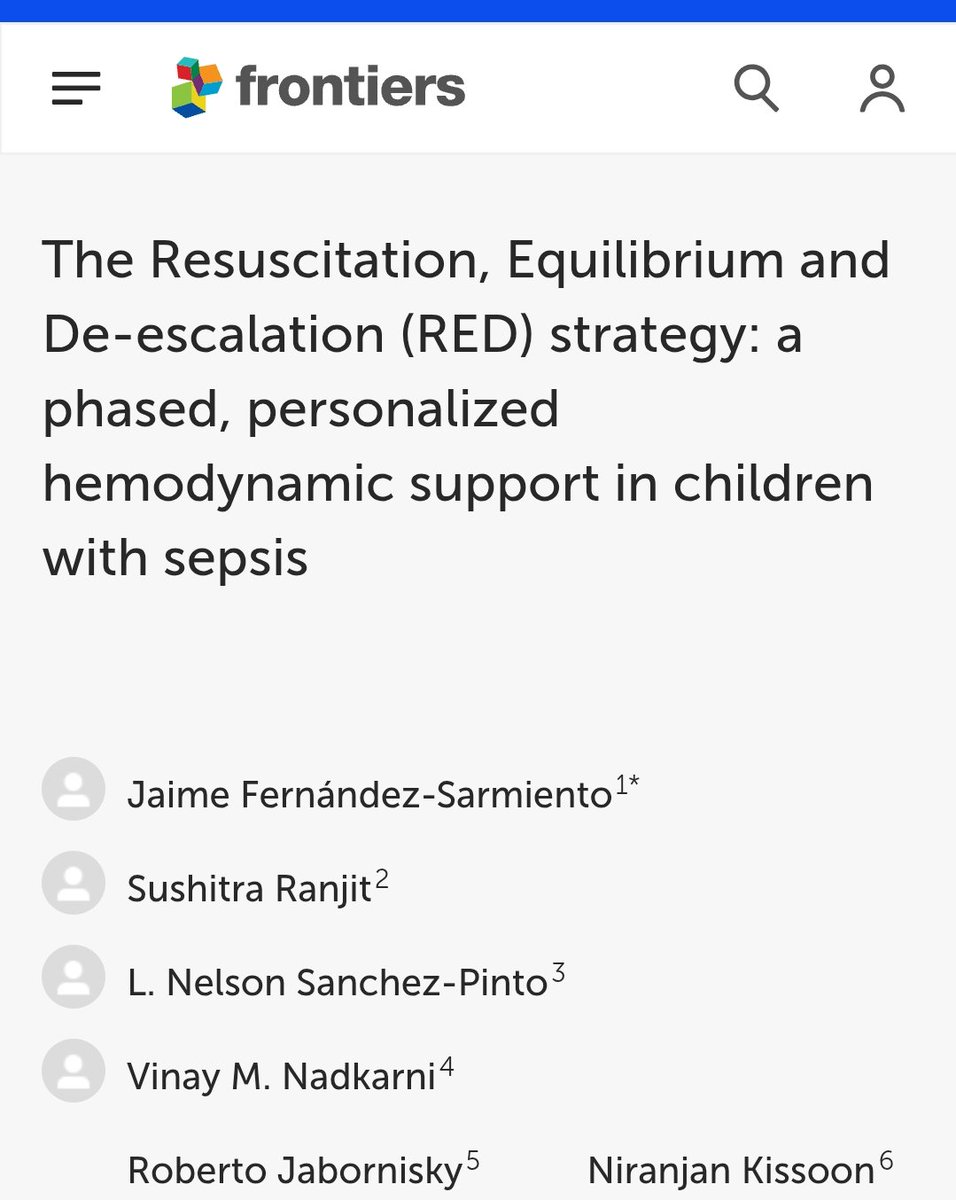
Este artículo propone la estrategia *Resuscitation, Equilibrium, and De-escalation (RED)* para el manejo hemodinámico en #PedsICU con sepsis, estructurando el tratamiento en tres fases dinámicas 🧵🧵 (1/3)
@jfersar@nelsonSpinto@FrontPediatrics
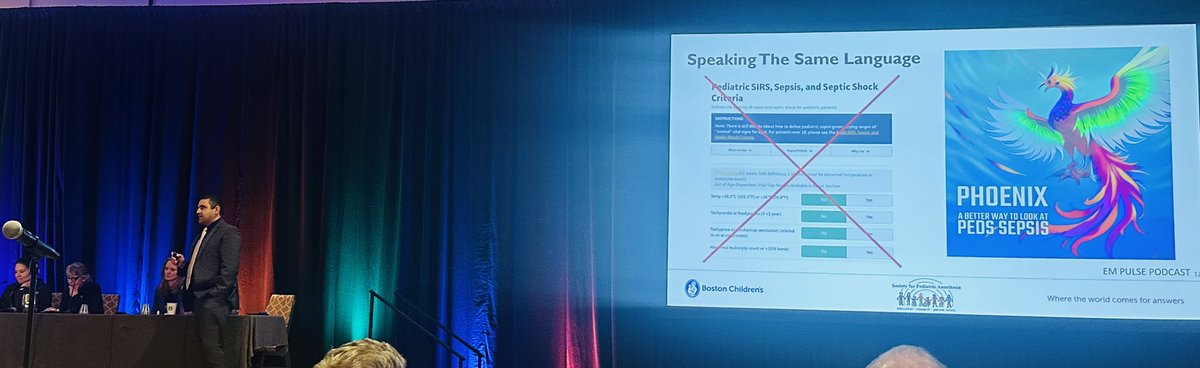
No one better to educate the #PedsAnes crowd about #sepsis at #PedsAnes24 than combined #PedsICU - #PedsAnes colleague Dr. Shawn Jackson @bch_anesthesia!
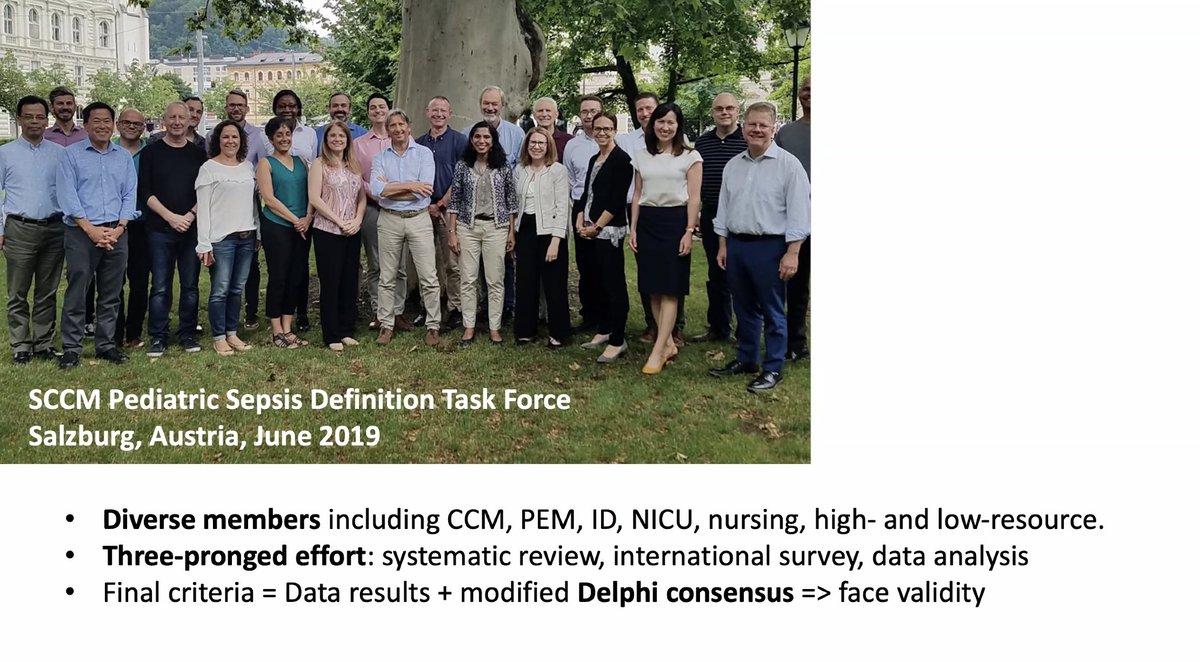
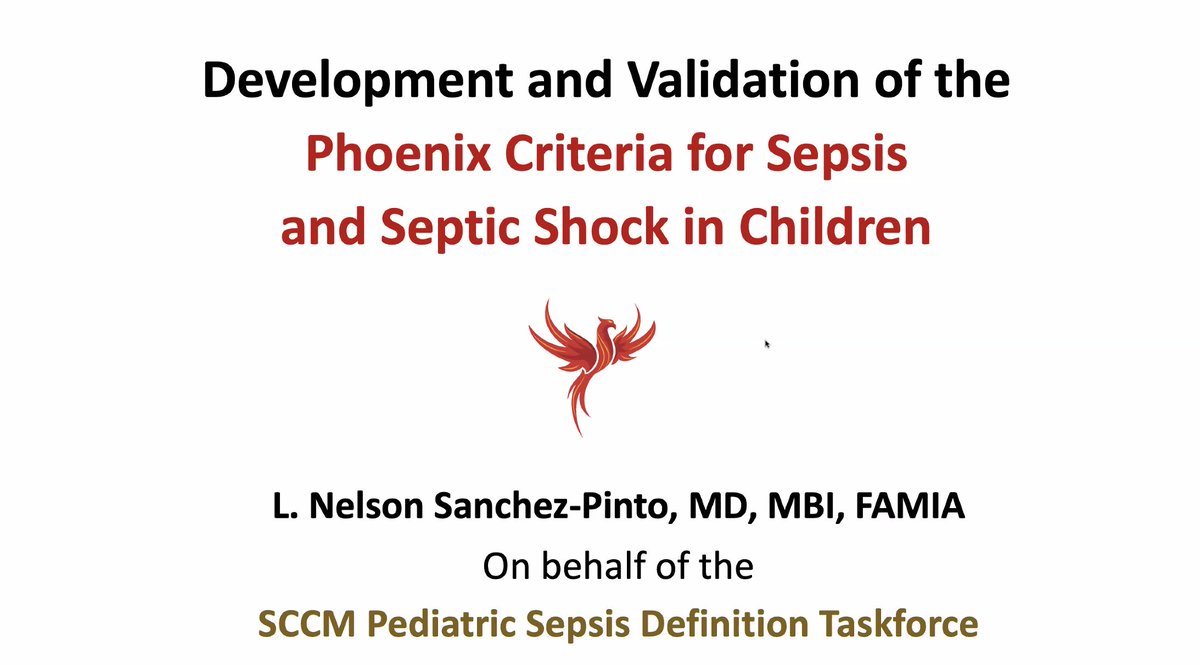
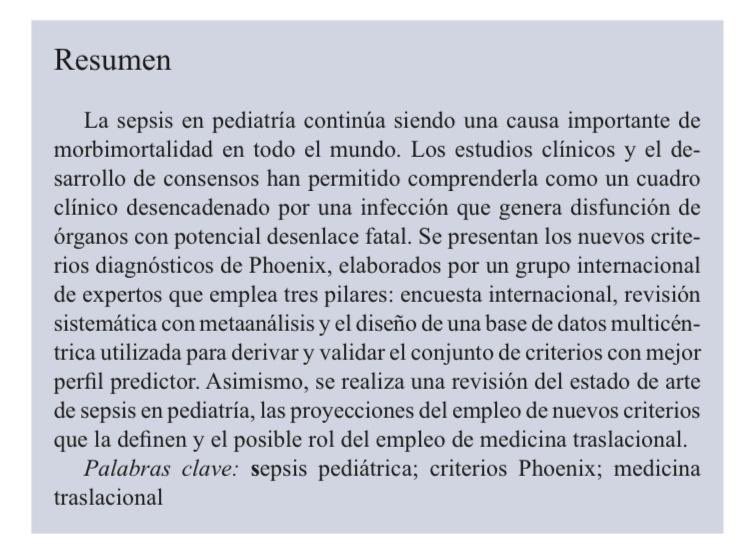
Artful PedX talk to close out today’s meeting. Here discussing new Phoenix criteria.
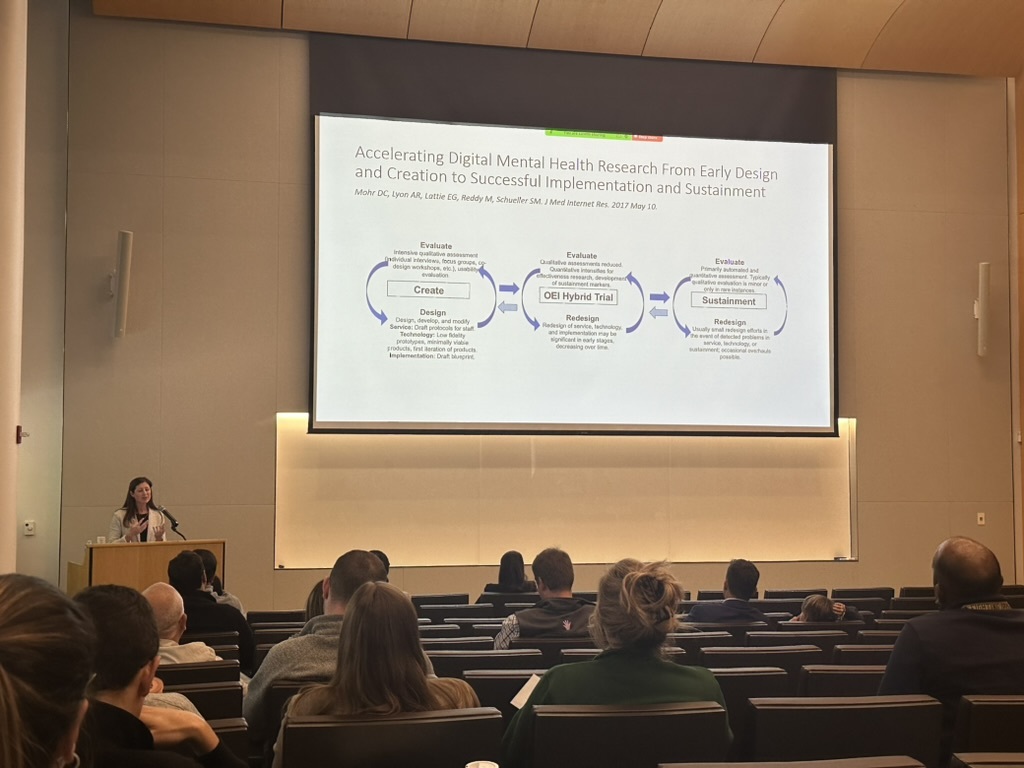
Love to see Dr. Andrew Berry representing @NUFeinbergMSS and his deep expertise in human centered design at the Human-Centered AI and Patient Safety Symposium @NUFeinbergMed@LurieChildrens led by Dr. @nelsonSpinto & Dr. Becca Stephen 💜
Congrats @ColleenMBadke on an outstanding lecture at today’s Human-Centered AI + Patient Safety Symposium. CBITs is proud to support your innovative K-award research on applying human-centered design to machine learning to predict clinical deterioration!
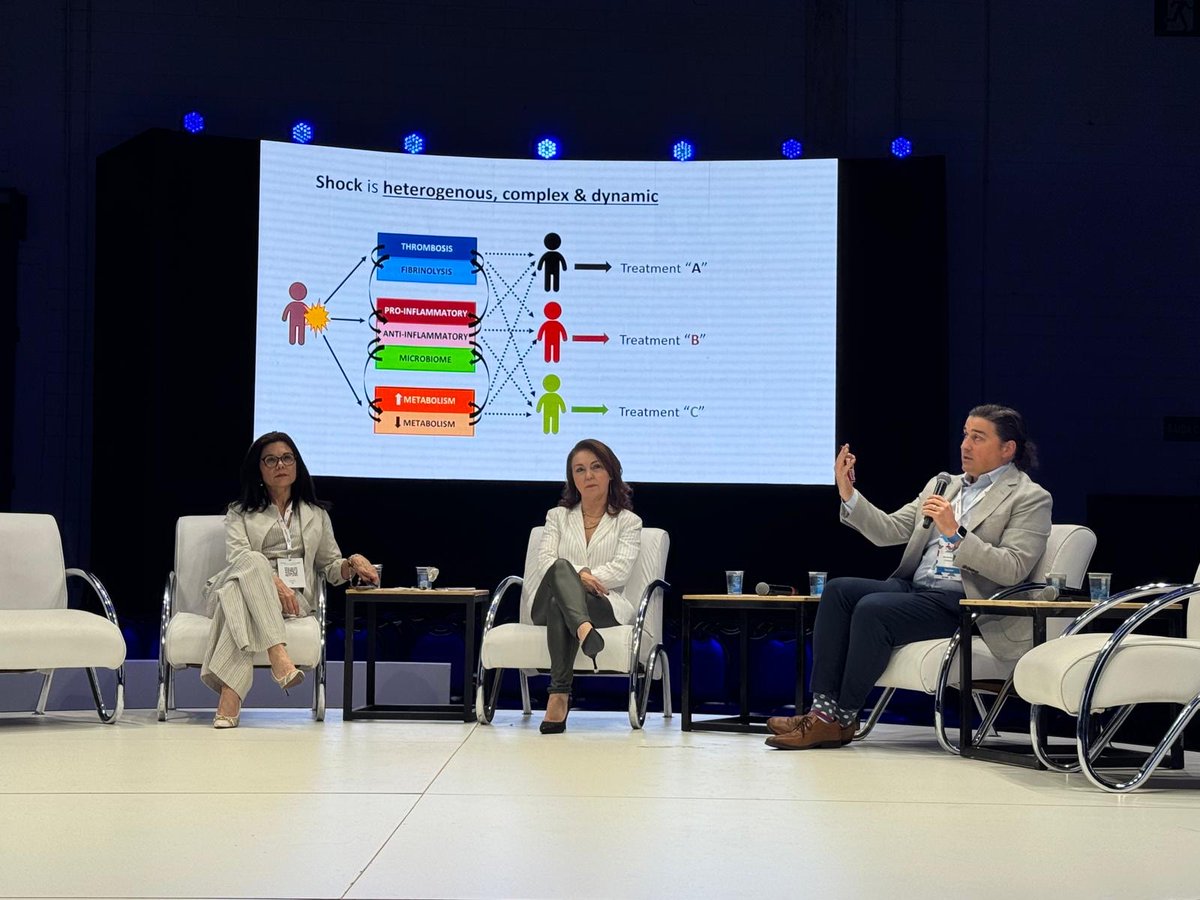
@nelsonSpinto starts by talking about the development & validation of the *new* #sepsis Phoenix criteria followed by Dr. Argent who speaks to the practical implications of these criteria & importance of ensuring equity in their application.
#SepsisForum24 @SepsisForumBBB
.@ColleenMBadke, MD, receives NIH K23 grant of $815,400 to research longitudinal prediction models of clinical deterioration using high-frequency physiological monitor data and EHR-based clinical variables. https://t.co/49qWTGILsm @LurieChildrens@NUFeinbergMed@nelsonSpinto