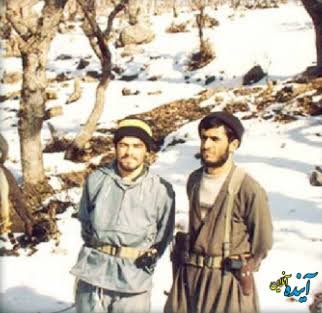
@HemdadArwandi Here are IRGC-affiliated figures and Iranian officials, such as Ahmad Reza Radan and Mahmoud Ahmadinejad, wearing traditional Kurdish clothes. Additionally, Masoud Pezeshkian is fluent in Kurdish, speaking it without an accent, whereas he speaks Persian with a noticeable accent.
@HemdadArwandi Furthermore, it has long been a tactic of Fars supremacists to pose as Kurds rather than being honest and acknowledging the fascist behavior of their regimes past & present. Turks and Arabs usually do not sink to that level; they are more direct in their hostilities toward Kurds.
@HemdadArwandi Here are IRGC-affiliated figures and Iranian officials, such as Ahmad Reza Radan and Mahmoud Ahmadinejad, wearing traditional Kurdish clothes. Additionally, Masoud Pezeshkian is fluent in Kurdish, speaking it without an accent, whereas he speaks Persian with a noticeable accent.
Hurro-Urartian Word of the Day 188
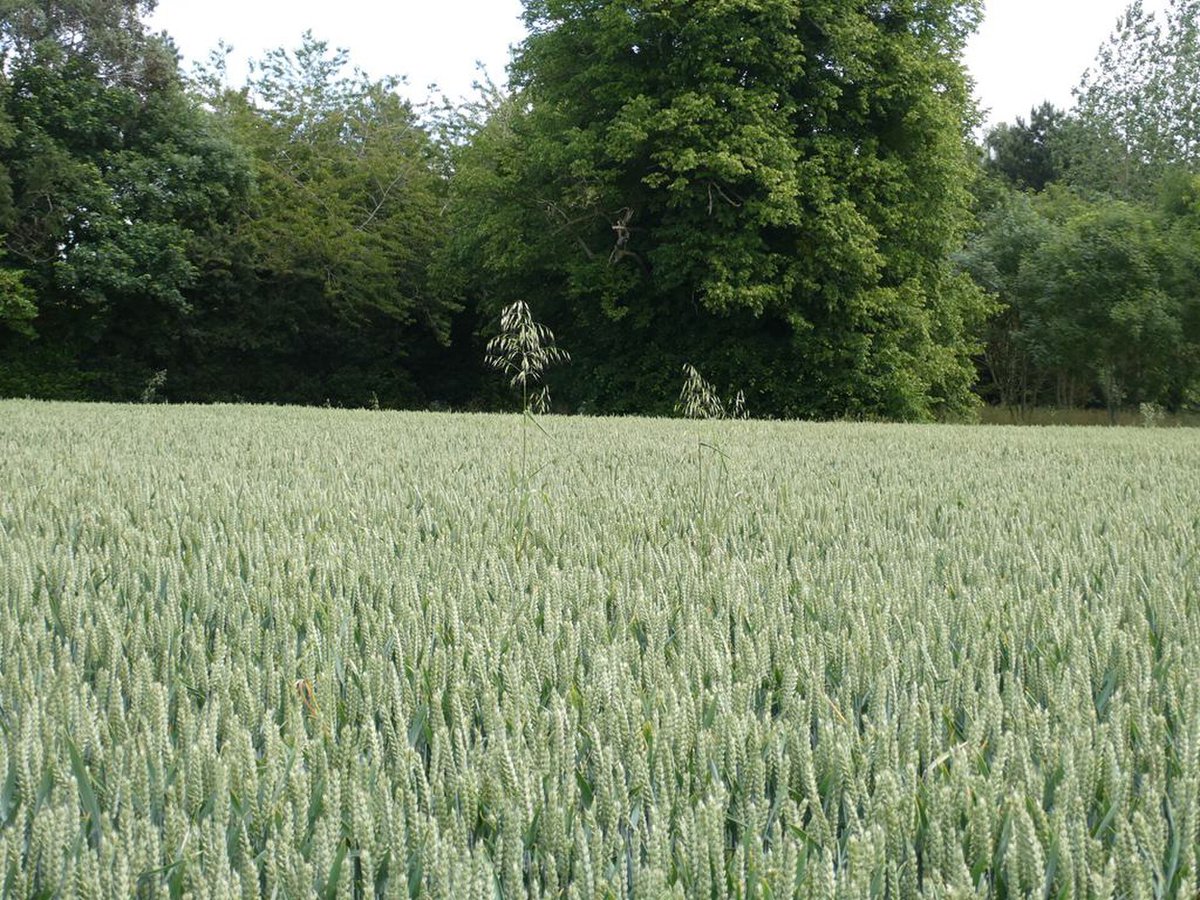
Hurrian: aβašini, cereal harvested when green.
Kurdish: awæši, overwatering crops or grain fields. When land is flooded with too much water, it causes the crops to turn yellow, rot, or wither in certain spots, damaging the yield.
ئاوەشی
Hurro-Urartian Word of the Day 131
Hurrian: abundi "plowed field"
Kurdish: awenya "plowed field" (specifically, when the field is plowed after summer and cereals are sown, which grow early the following year).
Note: The common Kurdish b → w sound shift.
��اوەنیا
🧵1️⃣
Hurro-Urartian Word of the Day 84
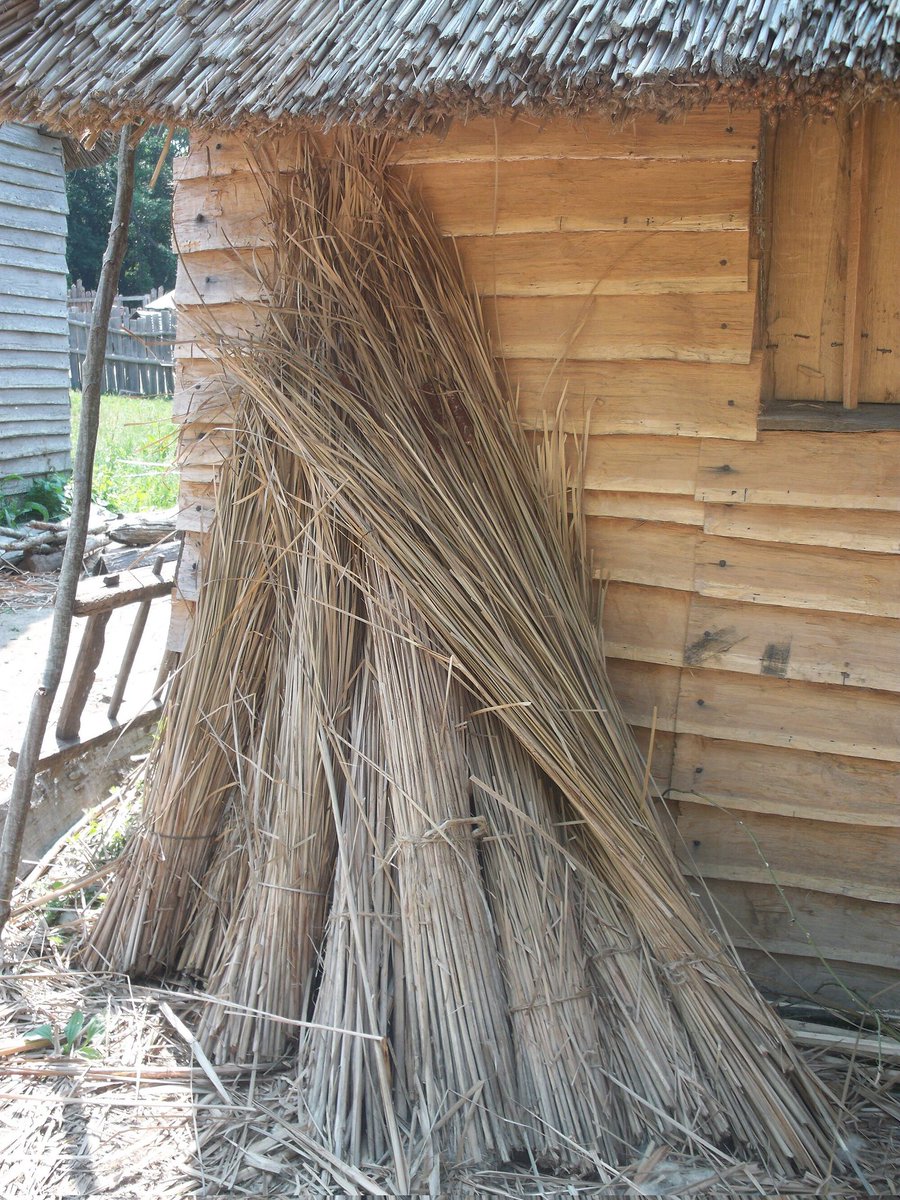
Hurrian: natakošri — “raw product of grain, cereal, or similar; uncooked seed matter.”
Kurdish: nakhoşar — “split pea,” sometimes “hulled / peeled pulse.”
Both refer to the unprocessed or minimally processed edible seed of cereal/legume.
Anchoring in their Zagrosian roots unifies Kurds, unlike the superficial Iranic narrative, which only fosters internal disunity. This is precisely why Persian ultra-nationalists pose as Kurds, to push 'Iranianism' and relegate Kurds to a subordinate group under Persian supremacy.
Une langue n’est pas seulement un moyen de communiquer : c’est une archive vivante. Découvrez comment des traces anciennes peuvent encore survivre dans les langues kurdes actuelles. La grande idée de ses recherches L’un des points les plus importants du travail de Mohammadirad ⤵️
@HemdadArwandi The footnote states: 'In some (read: actual) manuscripts, it is written as Kurdish religion.'
However, I personally think Ayeen-e Yaran (meaning Yarsan religion) rhymes better. The word itself probably of Zagrosian pre-Iranic roots.
@kurdish_sense1 Now you'll see Iranian regime cyber bots and ultra-nationalist Iranian elements, often LARPing as Kurds (or other ethnic groups, depending on the context), pouring in to object.
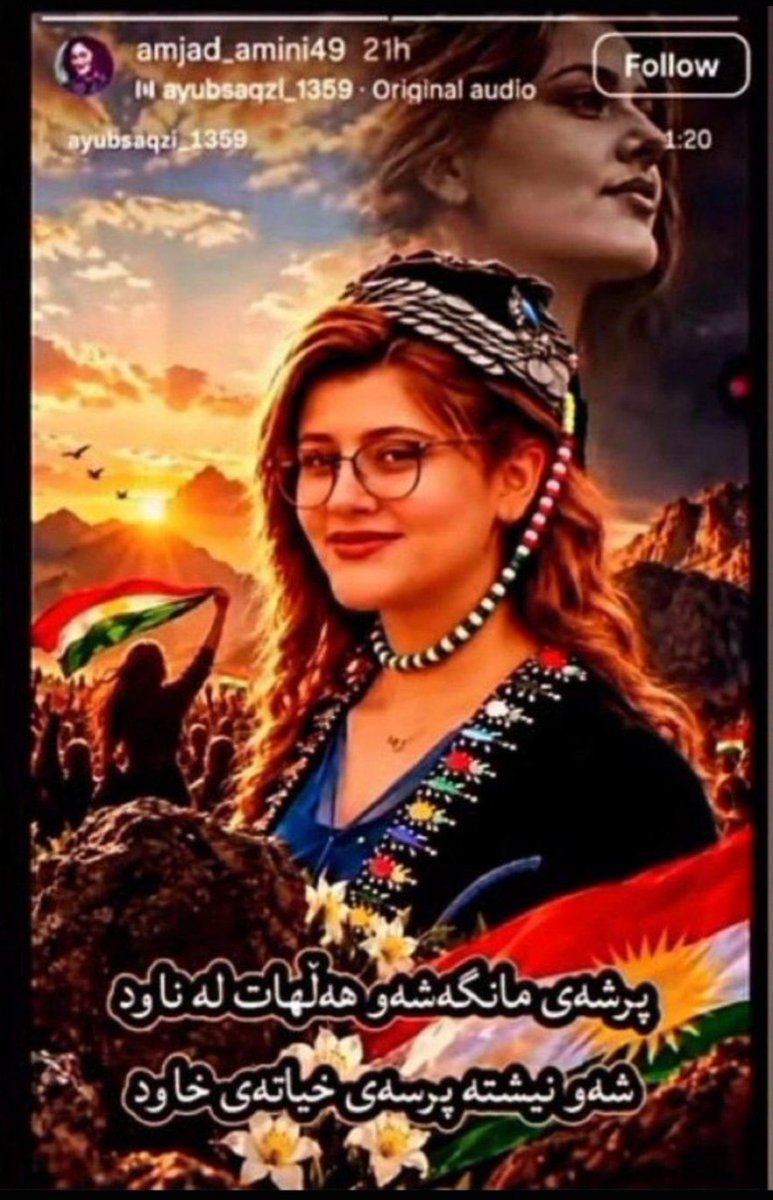
Iranian nationalists and monarchists have now launched a frontal attack on Jîna Amini's father after he shared a poem in Kurdish honoring the anniversary, accompanied by a Kurdish flag. First, his Instagram profile was temporarily suspended due to mass reporting, but it is now back up after Meta probably reviewed the post and determined that it did not violate the platform's rules.
From these circles, deeply fascist, Shia-Islamist, and dictatorial narratives are pouring forth, attempting to force Kurds back into the Iranian fold and encapsulate them under the historical "Lion, Sun, and Islamic Sword" flag. While the reality for the Kurdish people is entirely different, they are trying to construct a false narrative of the "good Kurd" as a loyal subdivision of the Iranian national identity. But the reality is that the Kurdish nation, as an independent entity, rejects both this forced Iranian national identity and the symbolism behind the "Lion, Sun, and Islamic Sword", and has done so for over a hundred years.
Instead of trying to speak for us or dictate our identity on behalf of a people that many of you looked down upon and mocked before 2022, you should at least read @RojinMukriyan's research on what Jin-Jiyan-Azadî actually means for Rojhelati Kurds, including how the national, Iranian oppression of the Kurds and the Kurdish nation is an inseparable part of the very core of Jin-Jiyan-Azadî.
This was proven crystal clear in practice through the massive mobilization, organization, and activism that once again shut down all of Kurdistan in solidarity with the anniversary of Jîna. It stood as an inescapable signal to all of them out there that this deep, uncompromising, and completely unique resistance struggle has its permanent anchor among the population in Kurdistan and within the Kurdish parties. It became painfully clear to those who deliberately renamed Jîna to "Mahsa" and who attempted to distort and "Persianize" both Jin-Jiyan-Azadî and its deep roots in Kurdistan.
@HemdadArwandi Because a century ago, the concept of Aryanism and claiming connection to an 'Aryan race' reached its peak popularity. It was a prevalent trend.
Une langue n’est pas seulement un moyen de communiquer : c’est une archive vivante. Découvrez comment des traces anciennes peuvent encore survivre dans les langues kurdes actuelles. La grande idée de ses recherches L’un des points les plus importants du travail de Mohammadirad ⤵️
Lorsqu’un groupe humain change de langue, il peut conserver : certaines structures grammaticales ;
certaines façons de construire les phrases ; certaines habitudes de prononciation ;
certaines formes verbales. Ces éléments peuvent ensuite être transmis dans la nouvelle langue.⤵️
Les mots voyagent facilement entre les peuples. Une langue peut emprunter des milliers de mots à une autre langue à cause : du commerce ;
des échanges culturels ;
de la religion ; de la domination politique.
Mais la grammaire est beaucoup plus résistante.⤵️
Pour l’étude du peuple kurde, cela est important car cela montre que pour comprendre son histoire, il ne faut pas seulement regarder les royaumes, les inscriptions ou les événements politiques. Il faut aussi écouter la langue elle-même.⤵️