For associations, the AMS is rarely just one system.
It sits in the middle of the website, dues, event registration, member records, and renewal season. When one connection changes, the effects travel quickly.
The next examination should validate the year, not define it.
ATS has operated this work since 1994, through GLBA, the Interagency Guidelines, and New York's Part 500 as amended.
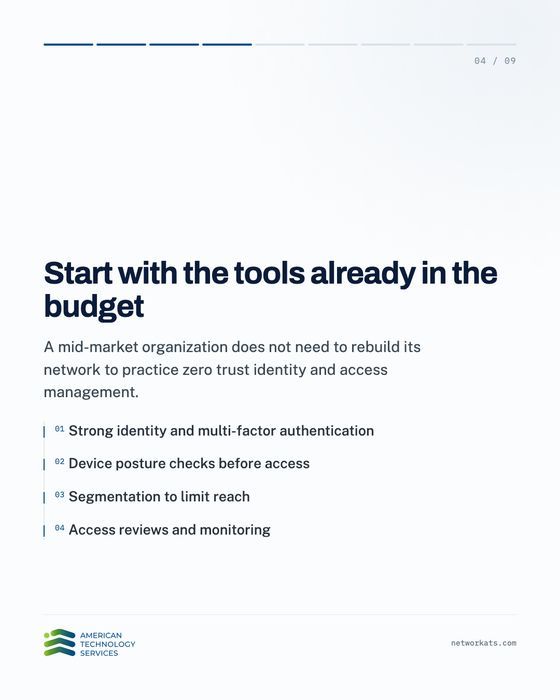
Zero trust is not a box to buy.
A contract clause or examiner may introduce the term, but the work is deciding what it means for the environment you actually run, without turning it into a shopping list.
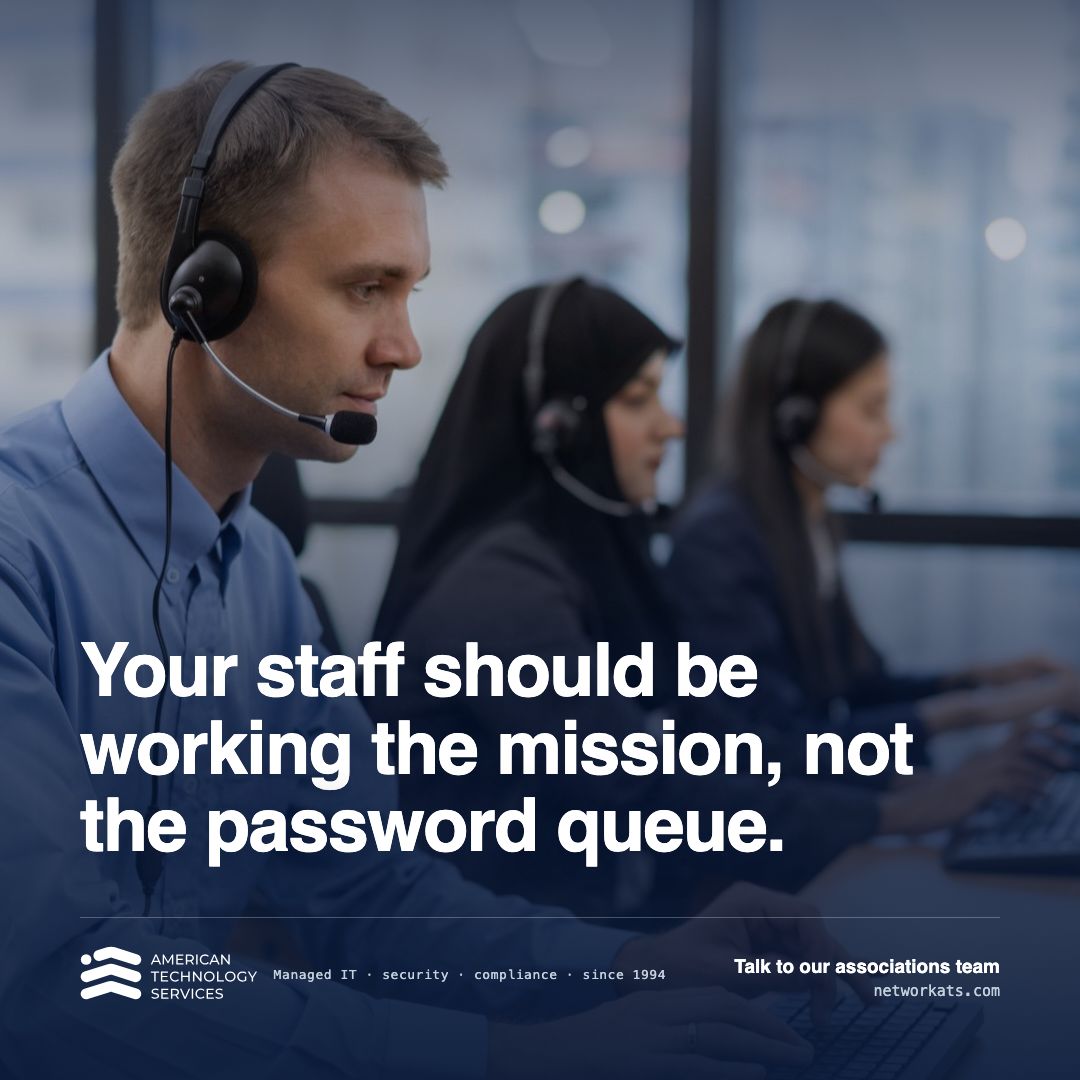
Your association probably does not have a spare IT team.
And mission staff should not become one.
A US-based Help Desk takes the password queue and day-to-day issues. The engineers behind it take what the desk cannot resolve alone, so staff can get back to member work.
The worst time to figure out who owns the environment is during an incident.
When the same team already runs the day-to-day, escalation starts with context: they know the systems, the history, and who picks up.
That continuity is part of incident readiness.
Cyber renewal increasingly asks organizations to attest to specific security controls.
A yes on the questionnaire should be backed by evidence, because what you represent can matter later if a claim is reviewed.
Examiners do not grade intentions.
They read the record.
That record should show a security program mapped to the Interagency Guidelines, vendor files kept current, and an incident response plan that has been exercised and revised.
The assessor should not be the first person to find the gap.
ATS does not perform CMMC certification. The readiness work comes first: gap assessment, remediation, an SSP that describes the environment you actually run, and evidence created as the work happens.
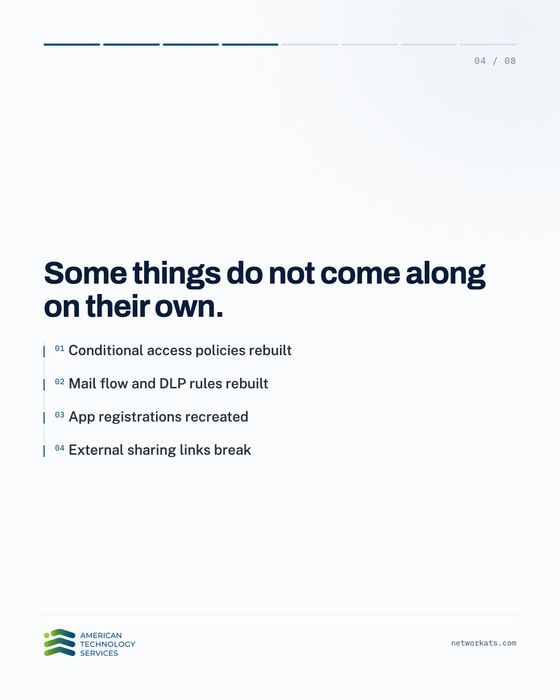
For many government contractors, the question is not whether GCC High is coming. A contract clause or prime flowdown may have already answered that.
The live question is sequence: which tenant, what moves first, what breaks, and who owns each decision.
IT transitions expose everything nobody wrote down.
A departing IT lead, a retiring provider, or an AMS migration can turn unwritten knowledge into risk overnight.
The exam, the audit, the incident: none of them care whether the timing is convenient.
Readiness is built in the ordinary weeks, when there is still time to document the work, close the gaps, and fix what the next hard day would expose.
A penetration test is most valuable before an examiner or insurer forces the question.
The engagement should leave you with more than findings: a scoped report your board and examiner can use, plus a clear path to remediation.
For contractors handling ITAR data or certain DFARS obligations, the destination is only the first decision.
The move to GCC High has to be planned and sequenced, then the environment has to be operated with the same discipline that got it there.
When leadership asks what happened last quarter, nobody should be reconstructing the answer from email and memory.
The record should already exist where the work happened: requests, actions, resolutions, and the history behind them.
Dues renew on a date. The annual meeting opens on a date. The board convenes whether or not the systems behind those dates are ready.
https://t.co/Mu49oMrb2g
An FFIEC examination measures the year behind it. By the time the first-day letter arrives, most of the record is already written.
https://t.co/8z6NEmP2WY