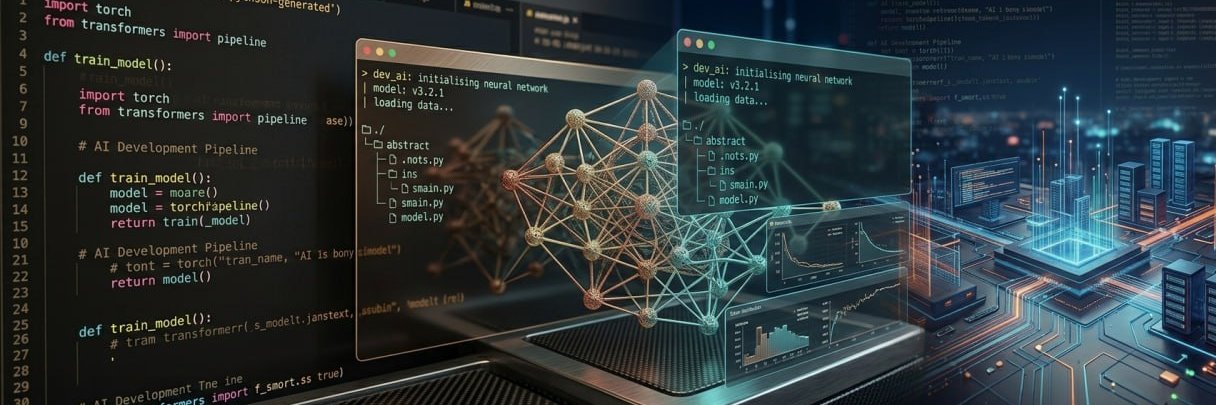
Forget about Nvidia graphics cards. The next version of AI will be alive.
While the world is fixated on the race of language models and silicon chip procurement, a completely different industry is quietly taking shape in the shadows — Organoid Intelligence (OI). We are rapidly approaching the creation of biocomputers.
Startups (such as the Swiss company FinalSpark) have already launched platforms where computational tasks are solved not by pieces of silicon, but by actual, lab‑grown clusters of human brain cells — neurospheres. And they can already be accessed via API.
Why is this happening at all?
Energy dead end: Training a single modern neural network requires gigawatts of energy and entire power plants. The human brain, which performs far more complex operations, consumes only 20 watts (like a dim light bulb). The efficiency gap is millions of times.
Death of Moore's Law: We have hit the physical limits of transistor miniaturization. Silicon can no longer keep up.
Super‑learnability: Biological neurons do not need terabytes of data to learn. They can adapt and restructure themselves on the fly, literally forming new physical connections in response to incoming information (dopamine responses).
From Software to Wetware:
We are used to hardware and software. Now wetware is entering the game. Neural networks are no longer just code. They are becoming hybrids.
The main question currently tearing ethics committees apart: if a biocomputer consists of living human neurons, learns, and responds to stimuli — at what point could it become self‑aware? And can a "server" feel pain?
We are no longer programming machines. We are beginning to grow them
The SPL Stake Pool program, managing ~$8.45 Billion in staked SOL across @solana's largest pools, has now been formally verified and audited by Certora. 🫡
We worked closely with the @SolanaFndn to make one of Solana's most complex programs even more robust.
Check the technical details ⬇️
https://t.co/xNBgS74R6Y
Confused about blockchain? Don't know where to even start?
Don't worry. Learn it here👇
URL: https://t.co/ZT9Fjr7Vv9
I built a hands-on demo site where you actually touch and play with the concepts.
This is all you need to get started🔥
And there are 40+ other demo sites too — growing every day.
Relax and just learn. You've got this.
#Blockchain #Crypto #Web3
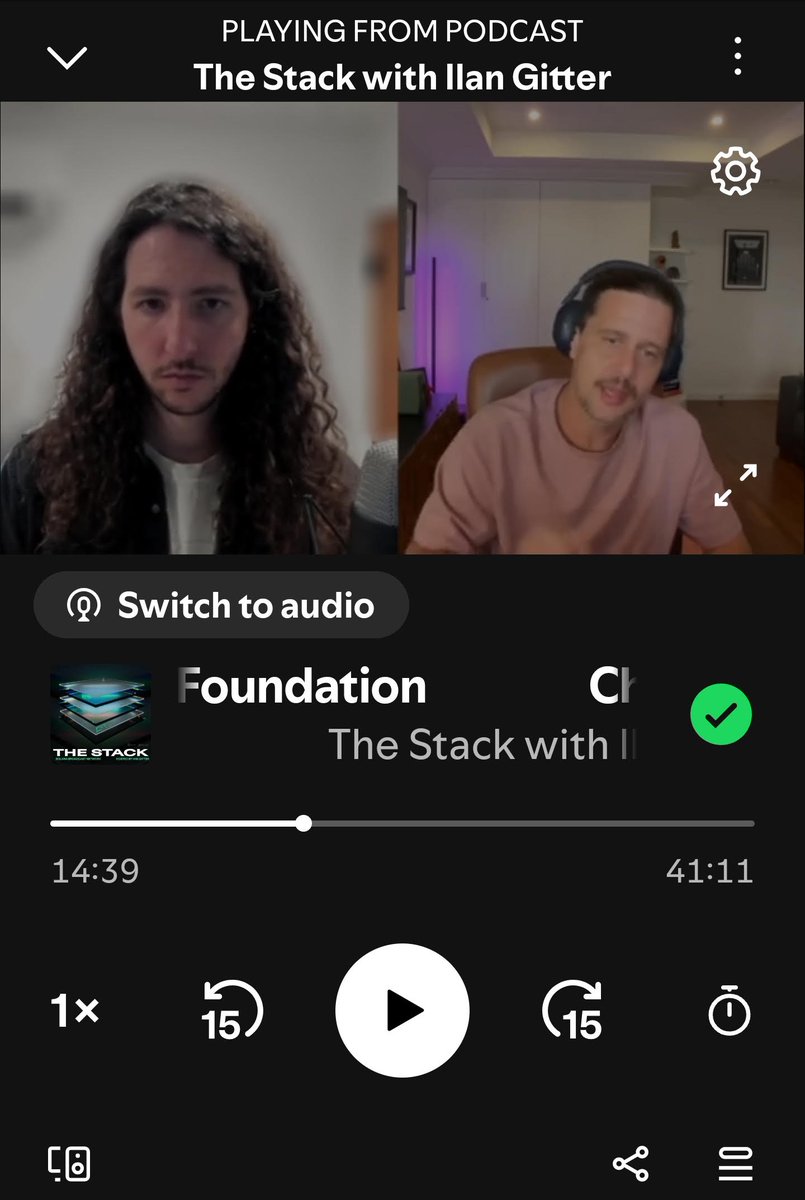
Hit up the Solana Mixer event at @SuperteamSG the other night and met @nocircuit from @SolanaFndn. While talking, he shared that he hosts a weekly podcast: The Stack with Ilan Gitter.
Podcasts are literally how I wind down every single night, so I was all over it. Highly recommend catching up on the episodes he’s got on Spotify.
Link below if you are interested: https://t.co/FNr4UVlxK0
Alpenglow, Solana's new consensus, is almost here 🗻
Before it hits mainnet, we're running a bug bounty competition later this summer.
Full details soon.
https://t.co/cSGhlMesar
Today, we release not one, but two blog posts!
The first is a guide to obtaining the entire @Solana ledger via Old Faithful and @anza_xyz's Jetstreamer.
In the second blog post, we highlight our latest transaction indexing product, Superbank.
https://t.co/mIWaRAhXwx
📣 @solana builders: you ask, we ship.
Today we're launching getTokenAccountsByOwnerAtSlot. Keyword: atSlot.
Nodes can tell you what a wallet holds, but can’t tell you what it held last spring, the peak of last cycle, or the moment a token got listed. So you've been replaying every tx, slot by slot, just to rebuild one old balance.
Now it's one call 👇
1/ Mithril v0.1.0-frodo is here: our independent Solana client written in Go is now an active validator on Alpenglow testnet, producing blocks, voting, and running full Alpenglow consensus.
Try it via the alpenglow-dev branch:
https://t.co/IhaoRgq1re
Solana keeps getting faster, more capable, and more resilient.
Track Alpenglow, p-token, larger transaction sizes, 200ms slot times, and every major network upgrade in one place:
https://t.co/V4fyPMa4AD