Building local AI systems and autonomous agents on real hardware.
Testing Hermes, Ollama, LM Studio and open-source models.
No hype. Just practical results.
Neuralwerk is where I document what actually works in local AI and autonomous agents.
I build and test:
• Local LLMs on a 128GB Mac Studio and RTX 4090
• Hermes and Jarvis agent workflows
• MCP integrations and autonomous loops
• Real projects, failures and benchmarks
No recycled AI news. No empty hype.
Just practical results from someone actually building these systems.
Follow Neuralwerk if you’re building with AI — not just watching it.
Last Known District – devlog #5
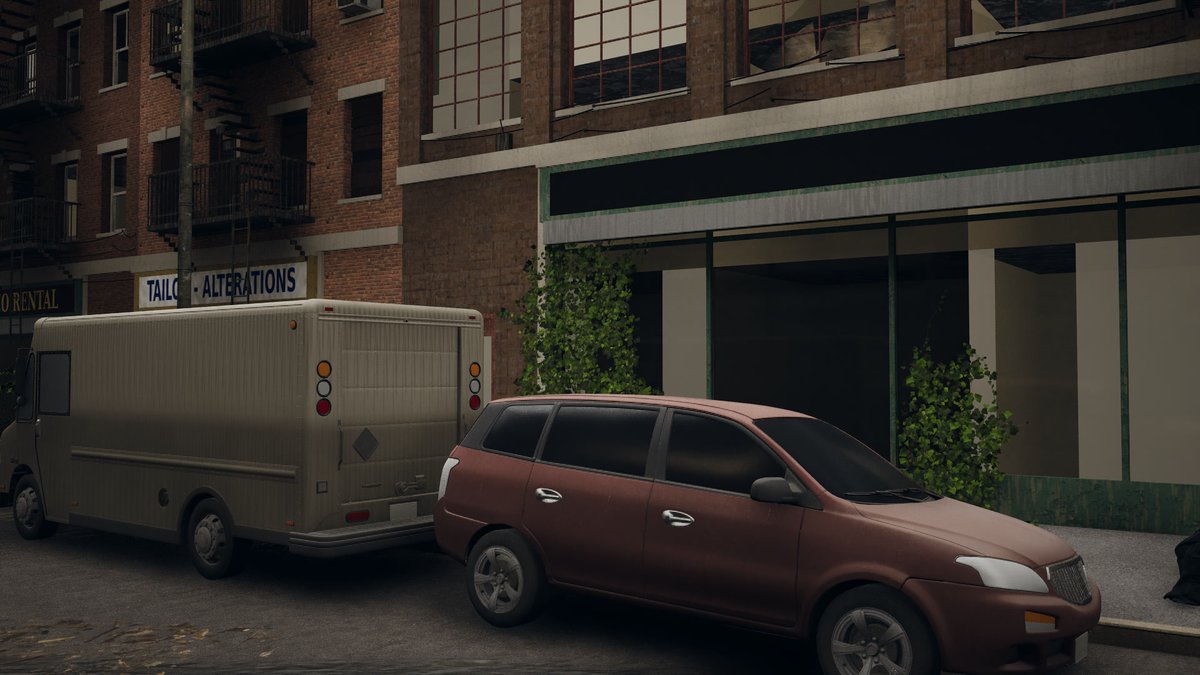
Our New York blocks are growing wild: 29 new procedural assets – ivy mats, creeper that turns red in fall, knotweed, weeds in sidewalk cracks and front gardens behind cast-iron fences. First pass is now in UE5.
#UE5#gamedev#indiedev
Last Known District – devlog #4
New weapon in UE5: a military-style pump shotgun, built from a parametric CAD script, with 4 LODs, 28 bones, 19 sockets and separate parts for field-stripping. Our other four guns got a new finish pass too.
#UE5#gamedev#indiedev
Last Known District – devlog #3
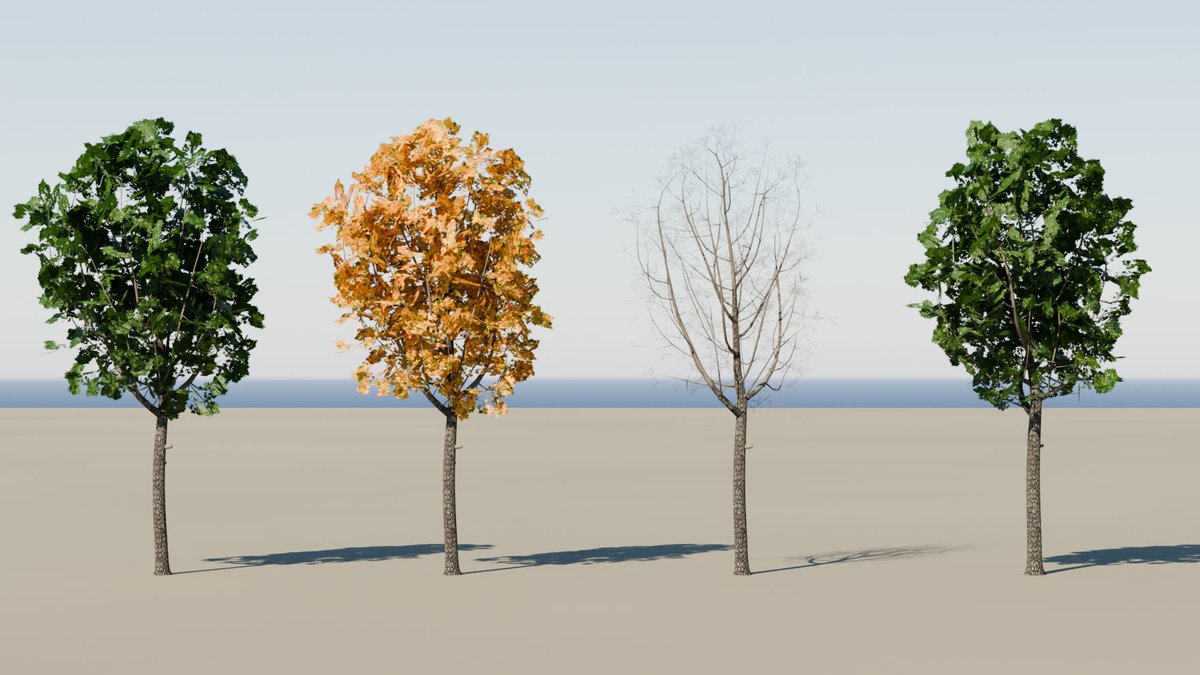
6 new procedural street tree species for our NYC block: two lindens, Norway maple, plane, honey locust, tree of heaven. Summer, autumn and bare, plus young, dead and stump forms. Blender test renders, UE5 import next.
#UE5#gamedev#indiedev
Forge Studio – devlog #1
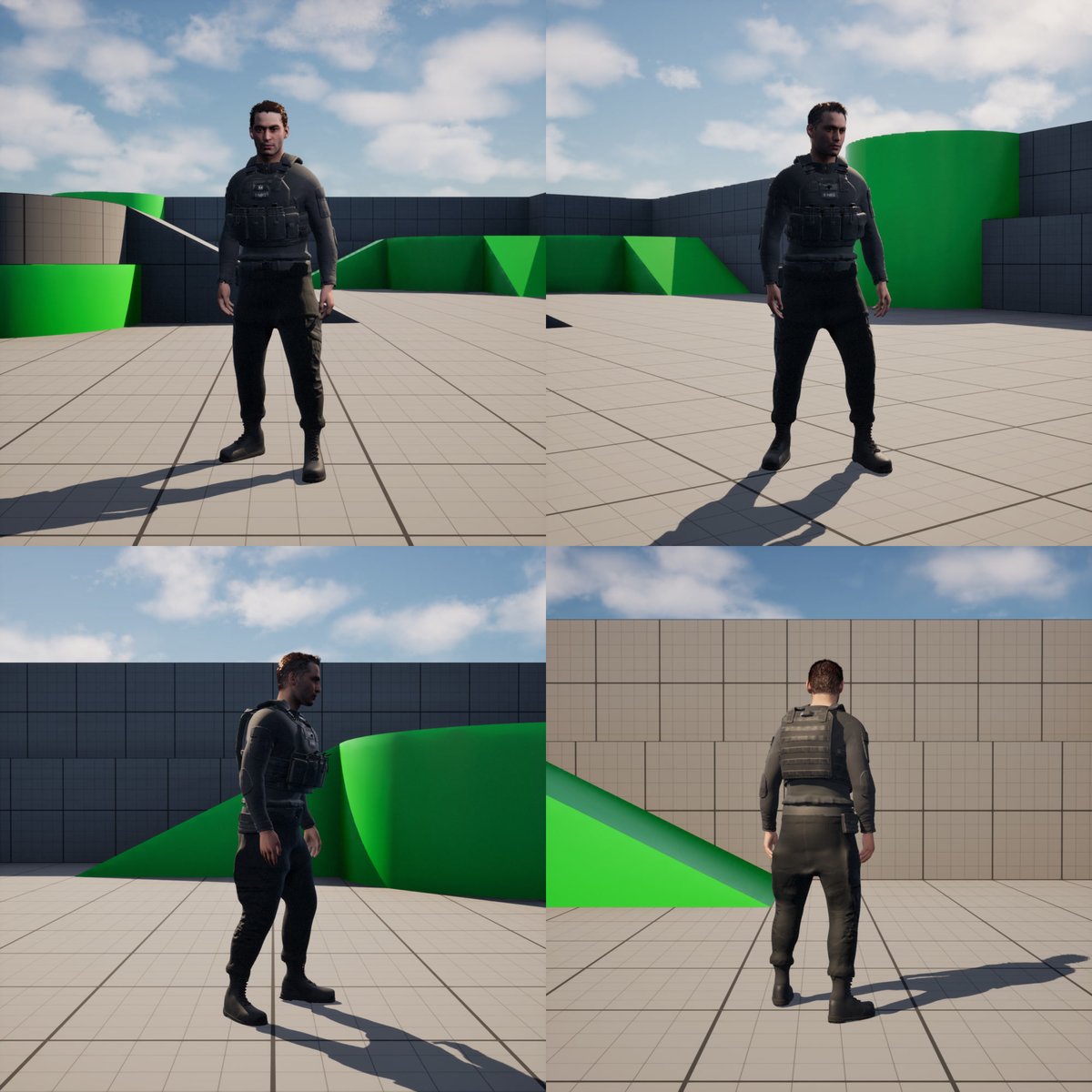
First look at our in-house 3D asset tool: from three reference photos it built these cargo joggers – rigged, 3 LODs (16.7k–6.7k tris), 38/38 automated checks passed, straight into UE5. Only the pants are Forge output.
#gamedev#3D#indiedev
Last Known District – devlog #2
Street furniture pass on test block M1: 40 street lamps, 16 hydrants, 13 newspaper boxes (measured night cost: +0.14 ms/frame), plus 15 mast-arm traffic lights replacing our older signals. Props from Epic's City Sample.
#UE5#gamedev#indiedev
Last Known District – devlog #1
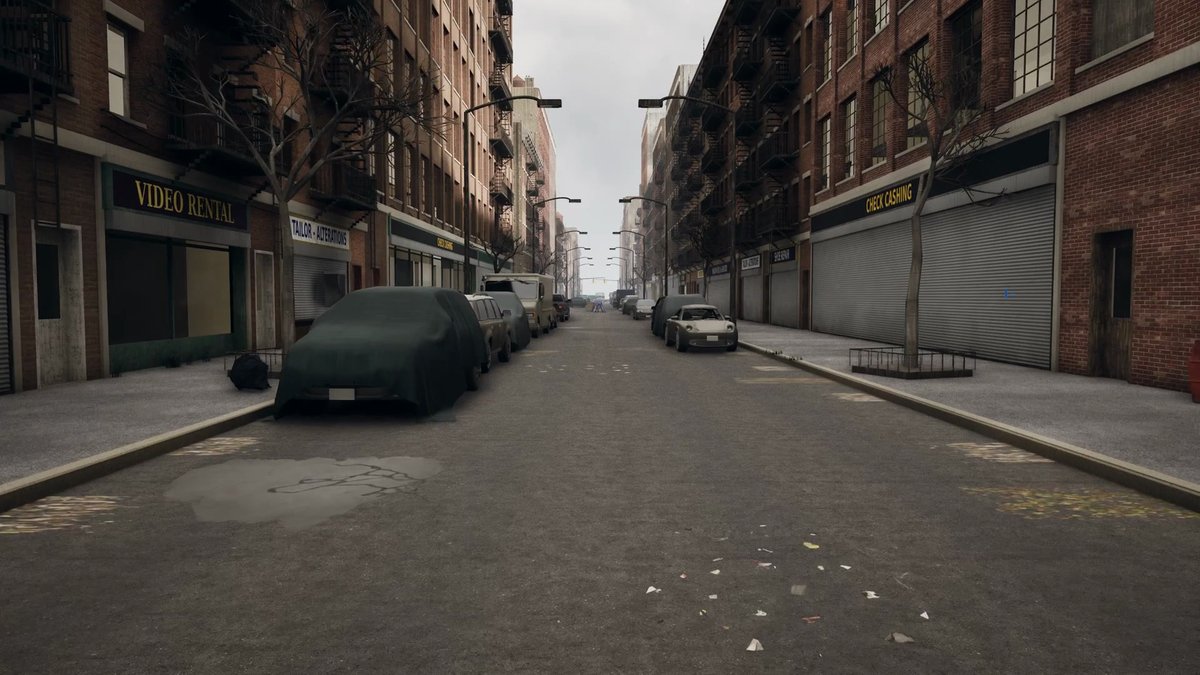
Test block M1: a fictional 2000s New York street, rain at night vs. overcast day.
New: police lights no longer bleed through barriers, tarps sit right under sodium lamps, and a leaner GI setup saves ~2 ms/frame (testing).
#UE5#gamedev#indiedev
Coin & Charter – devlog #1
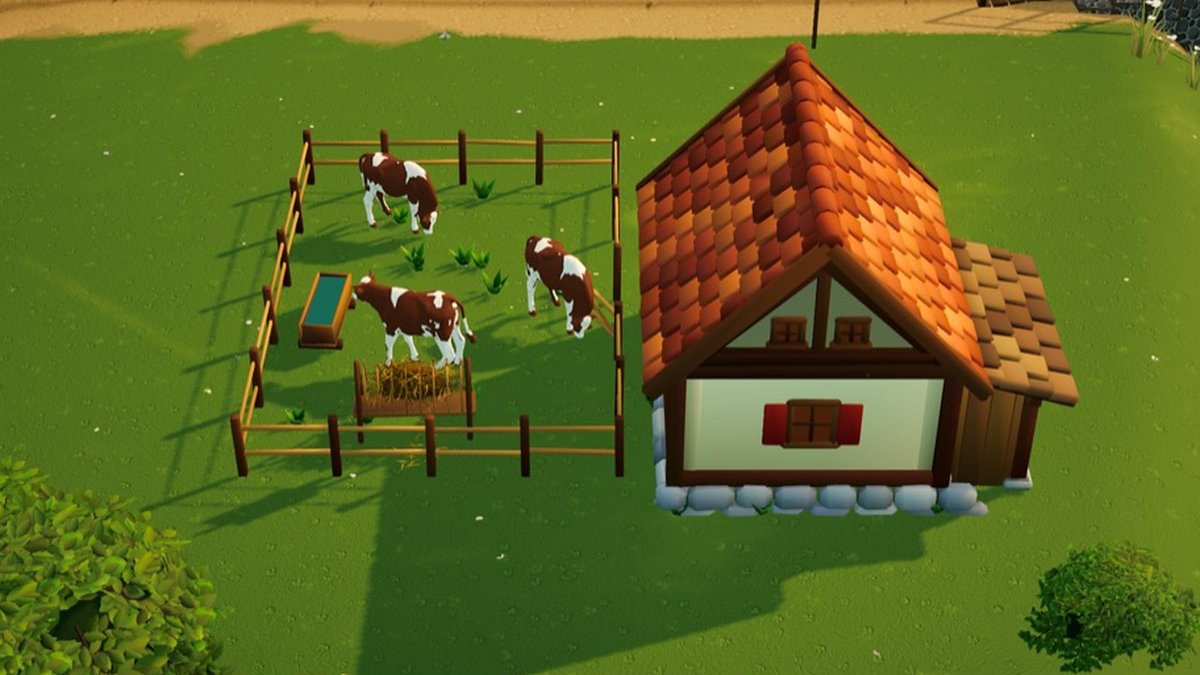
Today's update: the cattle farm got a new comic look that grows with its level, and its cows now walk to the hay and the trough. Plus: report & block players from the "···" next to their names.
https://t.co/JNi4Na9iR1
#indiedev#gamedev#browsergame
Deutschland verfügt über erhebliche KI-Infrastruktur: Der Supercomputer JUPITER am Forschungszentrum Jülich ist Europas erster Exascale-Rechner (rund 24.000 NVIDIA-GPUs, TOP500-Platz 5 im Juni 2026) und gehört zu den leistungsstärksten Systemen weltweit für KI-Training; ergänzt wird er durch weitere Rechenzentren und die JUPITER AI Factory.
Es existieren etablierte deutsche KI-Systeme und -Unternehmen, darunter DeepL (führende Sprach-KI mit Milliardenbewertung und breiter Unternehmensnutzung), Helsing (Verteidigungs-KI, Bewertung um 18 Mrd. USD nach Series E 2026), Aleph Alpha sowie SAP und zahlreiche weitere Spezialisten; die Behauptung völliger Abwesenheit ist faktisch falsch.
Eine beschlossene „KI-Steuer“ gibt es nicht: In der Koalition wird über eine mögliche Besteuerung von KI-Umsätzen diskutiert (u. a. von Digitalminister Wildberger und Familienministerin Prien), doch andere Stimmen wie Wirtschaftsministerin Reiche und Kanzler Merz lehnen dies ab und priorisieren Wachstum; die Debatte allein belegt keinen automatischen Untergang.
@project_vice@WSJ You can't be serious @WSJ right? Making a mistake once—okay, that can happen. But sending a reporter with no background knowledge into an interview is also a failure on the part of your news editor. Unfortunately, it's very embarrassing.
@RepYassAnsari Only someone with very little—if any—technical expertise would come up with an idea like that. That would be an exceptionally bad decision—not only economically but also geopolitically very concerning.