Empowering Neuro Education: Tips, research updates & book recommendations for Neuro residents, students & specialists. Unlocking brain mysteries! 🧠🔔#Neurotip
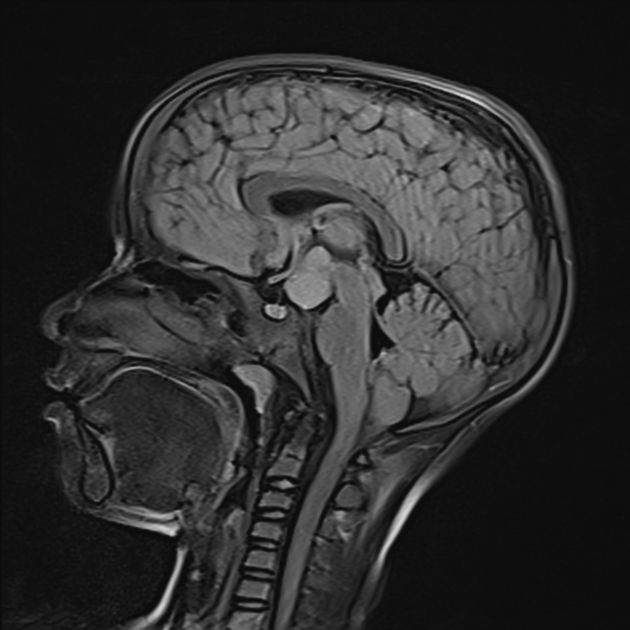
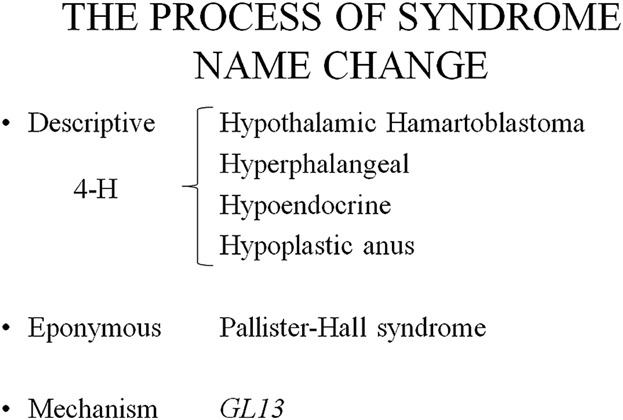
Gelastic seizures, marked by bouts of uncontrollable laughter, are classically linked to hypothalamic hamartomas. They may also be associated with Pallister-Hall syndrome (caused by a GLI3 mutation on chromosome 7). Present in infancy. EEG often normal due to deep seizure focus.
#neurotip #neuropediatrics #epilepsy
An easy way to differentiate these midbrain syndromes is to remember that, moving from anterior to posterior, all three involve oculomotor nerve damage, with additional distinct features:
Weber’s syndrome – affects the anterior midbrain, involving the corticospinal tracts, leading to contralateral weakness.
Benedikt’s syndrome – involves the mid-midbrain, including the red nucleus, causing abnormal involuntary movements such as tremor and chorea.
Claude’s syndrome – localized to the posterior midbrain, where superior cerebellar peduncle fibers (after decussation) are affected, resulting in cerebellar signs (think Claude = Cerebellar).
#Neurotip
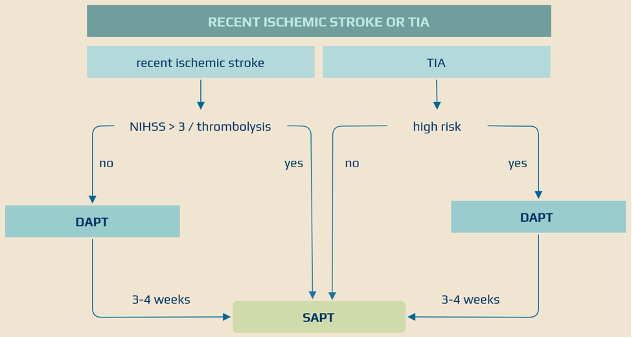
@NeuroWalid This is outdated, especially after multiple trials and the CATALYST meta analysis, which supports early (less than or equal 4 days) in ischemic strokes.
An easy way to differentiate these midbrain syndromes is to remember that, moving from anterior to posterior, all three involve oculomotor nerve damage, with additional distinct features:
Weber’s syndrome – affects the anterior midbrain, involving the corticospinal tracts, leading to contralateral weakness.
Benedikt’s syndrome – involves the mid-midbrain, including the red nucleus, causing abnormal involuntary movements such as tremor and chorea.
Claude’s syndrome – localized to the posterior midbrain, where superior cerebellar peduncle fibers (after decussation) are affected, resulting in cerebellar signs (think Claude = Cerebellar).
#Neurotip