We’re the museum looking deeper into the Earth’s past to shape a new future where both people and planet thrive.
Protecting the planet, it’s in our nature. 🌍
You might be surprised to hear that seaweed is much older than dinosaurs!
Discover more about the seaweed display in Hintze Hall in our series, Natural History Museum Showstoppers.
A reminder that the Museum will be closed on 9 October as we're hosting a charity gala. 🦖
We rarely close to the public, however, hosting events like this helps us to continue our vital work, including scientist research and finding solutions to the planetary emergency.
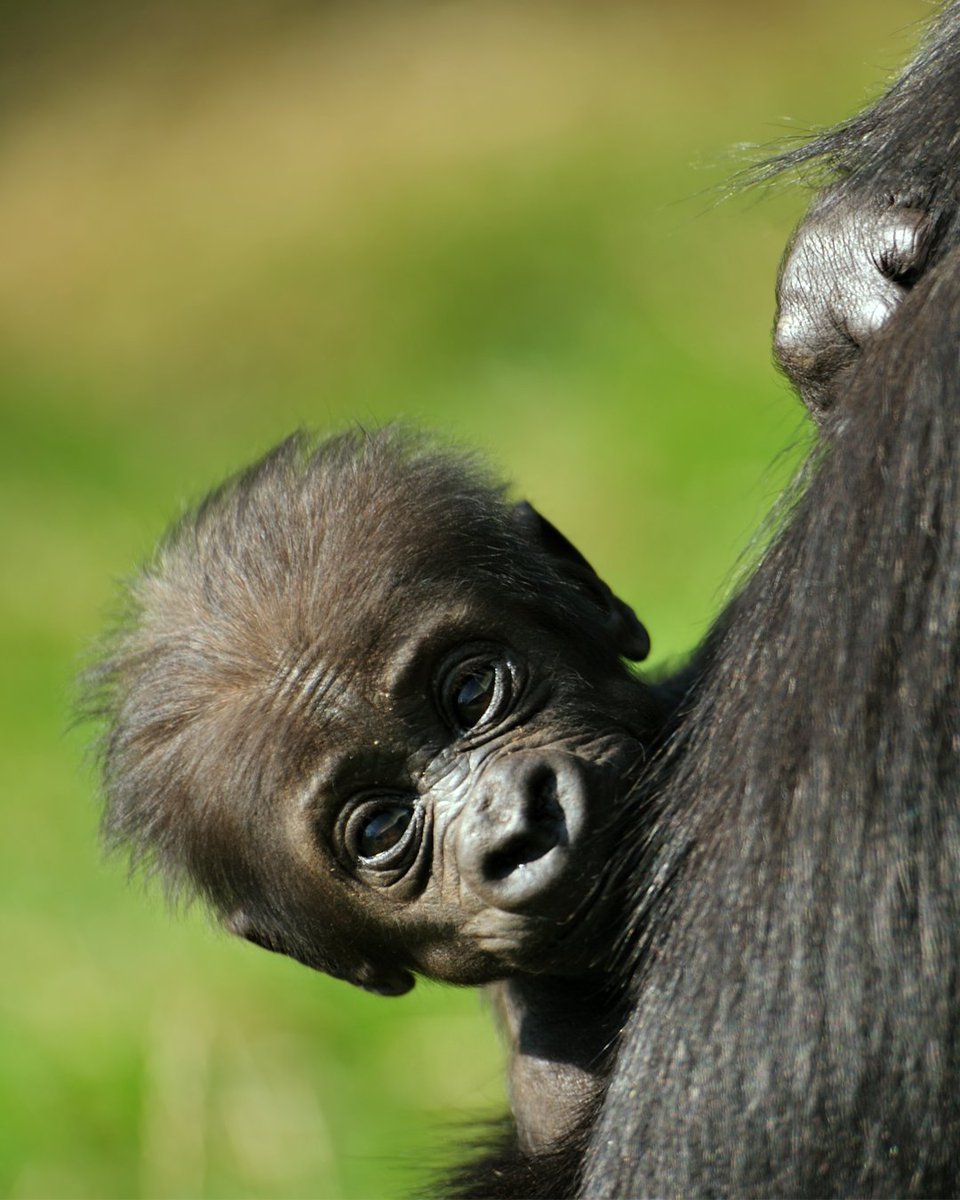
Chimpanzees and bonobos are our closest living relatives in the animal kingdom, sharing approximately 98.7% of our DNA. Gorillas come in close second, as we share about 98% of our DNA with them! 😲
Rhino horns aren't made of bone like antlers, they're largely made of keratin, a protein also found in human fingernails, and hair! Did you know that their horns don't stop growing during their lifetime? 😲
Rhinos are known for their iconic horns, but what they’re made up for might surprise you…
Rhino horns are made up of the same stuff as which of our body part? 🦏
Today is the start the Marine Conservation Society’s Great British Beach Clean! Join thousands of volunteers taking part in beach cleans across the UK.
The litter data collected is used to make a positive impact on our ocean. 🐚
Find out more: https://t.co/cjqLXJk6ym
But some have already been lost. 💔
Seven migratory bird species are thought to have gone extinct in the past 150 years, including the slender-billed curlew.
Stronger protection along migration routes, particularly major flyways, could help migratory birds recover.
🐦They’re called flyways!
The latest State of the World’s Birds report is out, and it contains some worrying news.
About 45% of migratory bird species are declining, including cuckoos, turtle doves and Arctic terns.
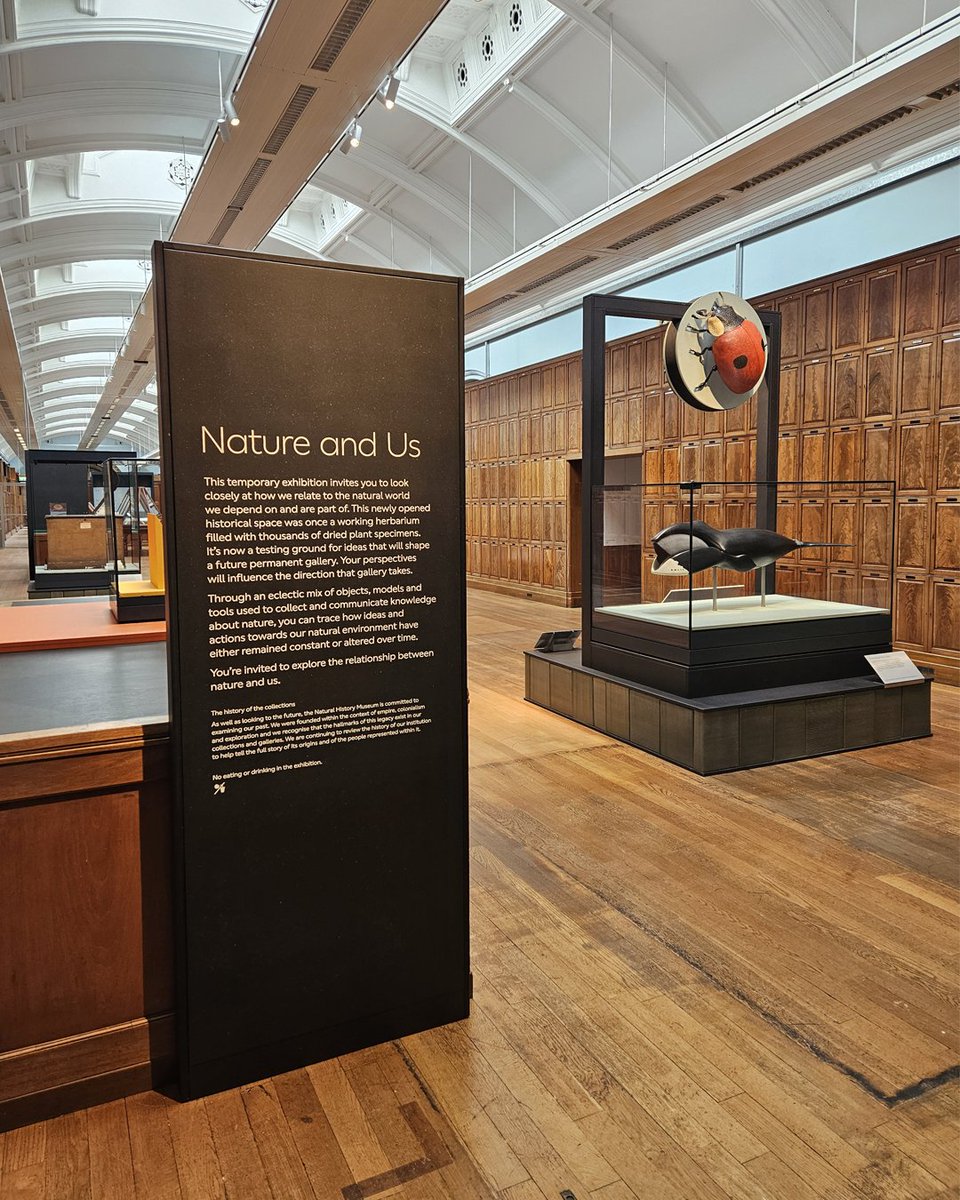
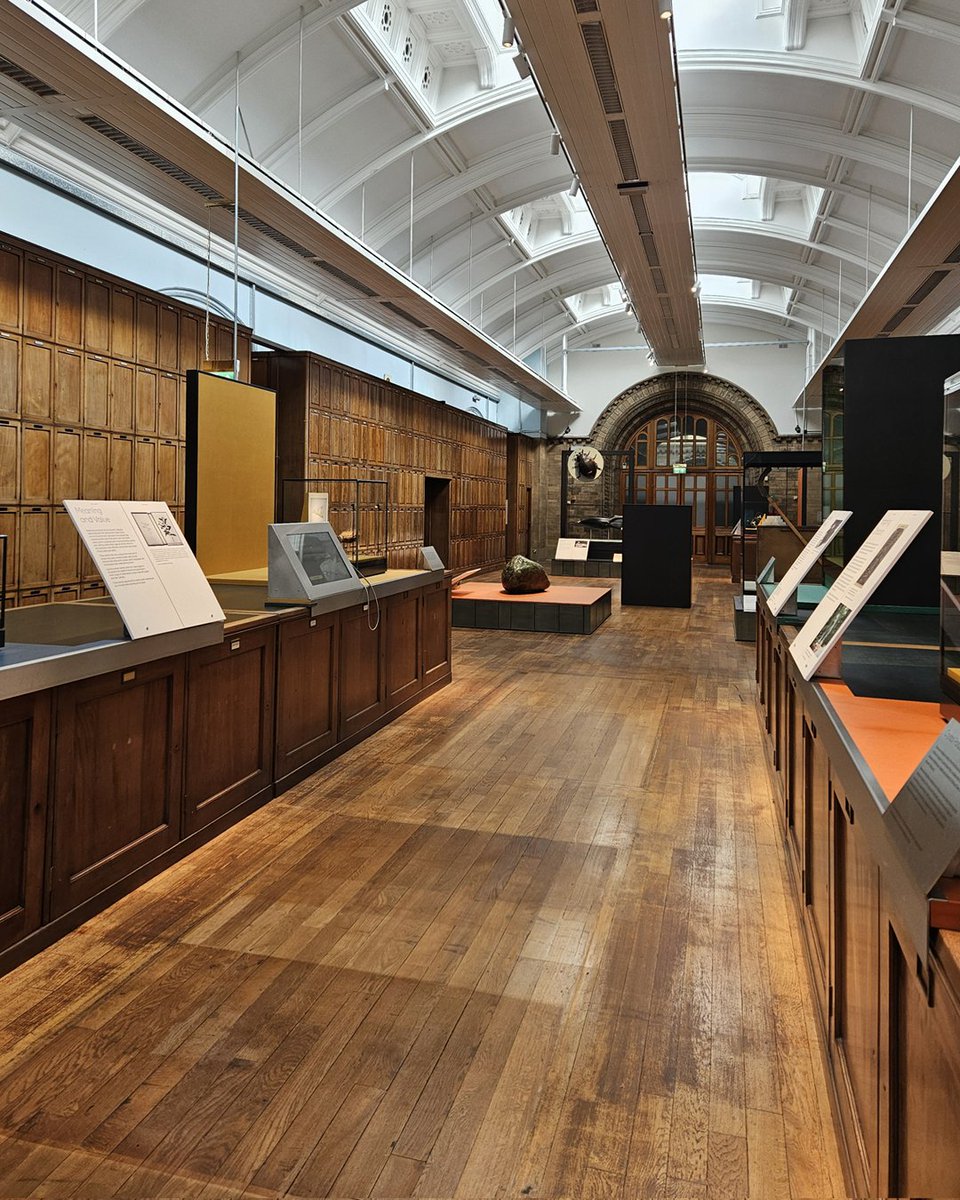
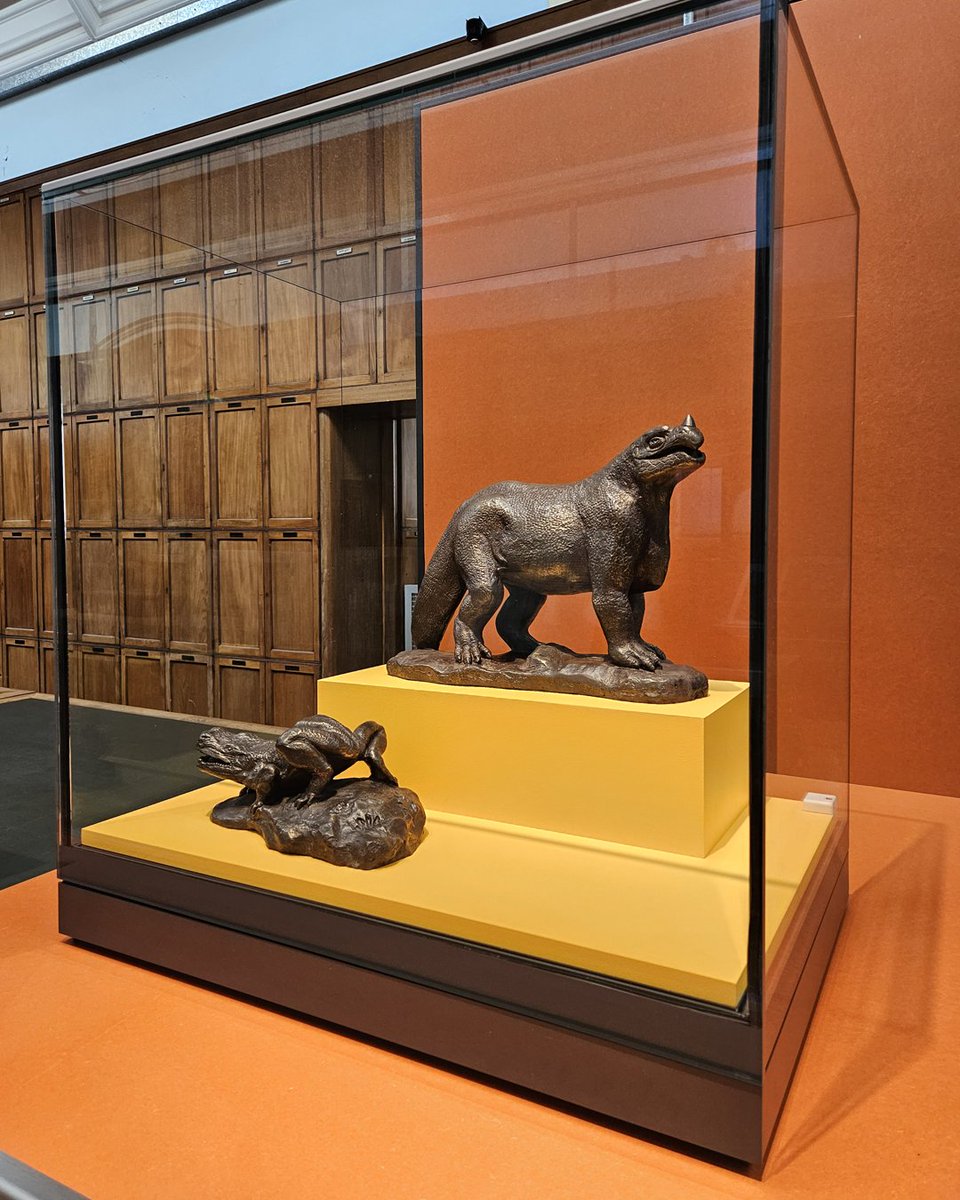
Our new temporary exhibition, Nature and Us, is open! 🌿
Housed in a gallery closed to the public for over 80 years, this exhibition explores our changing relationship with nature. There's over 50 specimens to discover – would you like to learn more about them? 👇
As talks on a Global Plastic Treaty continue, researchers say stronger recycling laws, including for items like bottle lids, will be vital to tackling plastic waste.
Would you support a global treaty on plastics? Let us know in the comments 👇
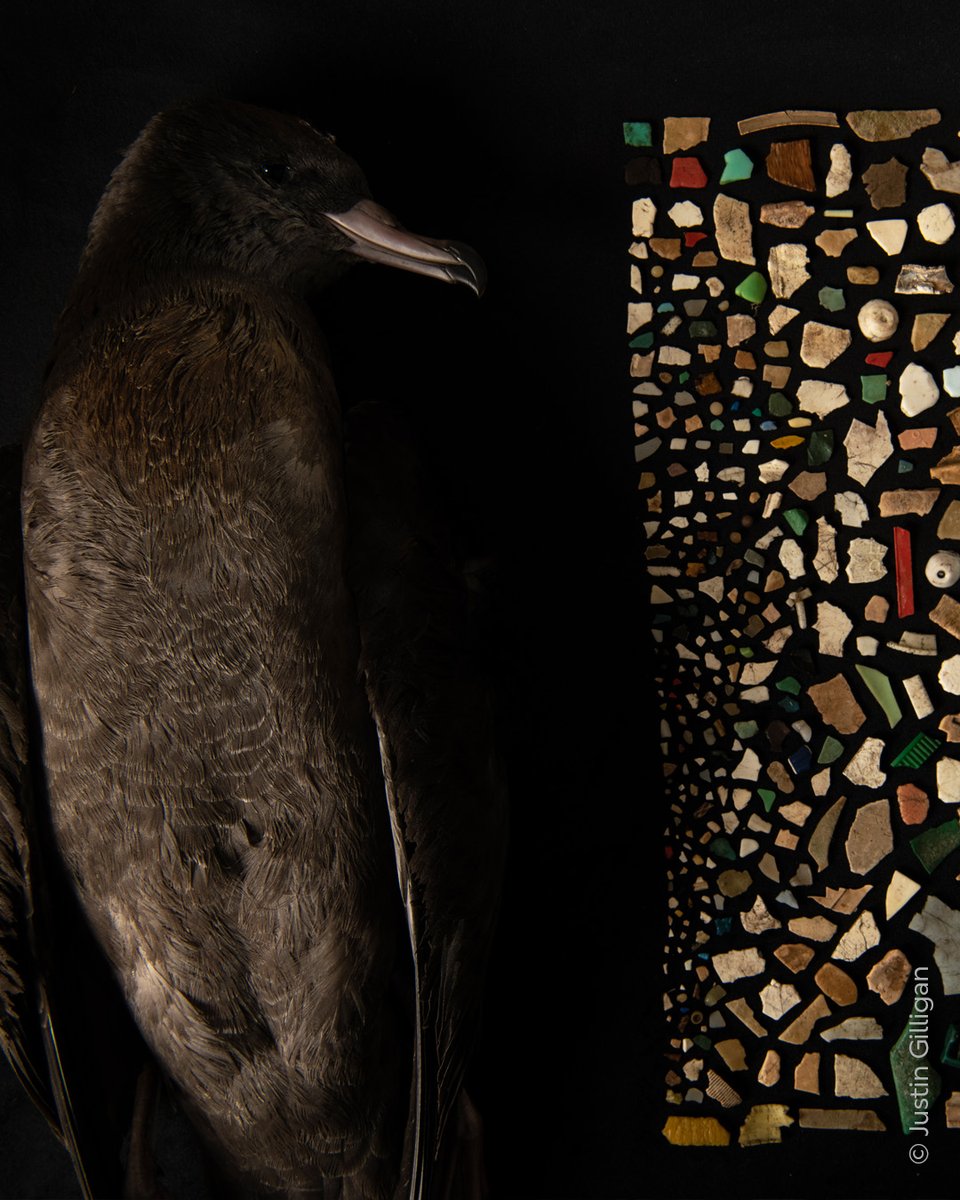
A 16-year study of sable shearwaters on Australia’s Lord Howe Island has found a worrying trend.
More and more plastic is ending up in the birds’ stomachs.
Last year, one bird was found with a record-breaking 900 pieces in its stomach.
Can you spot the difference? 👀
Although these photos were taken over 100 years apart, our Minerals Gallery is much the same - right down to the original oak display cabinets from 1881.
Do you like the original Victorian gallery feel, or do you prefer something more modern?
Did you know that some of the treasures in our collection were donated as gifts in wills? 🔬
This #RememberACharityWeek, why not help support scientific research and inspire the next generation by leaving a gift in your will? 🎓
Find out more: https://t.co/QsAUHciJlE
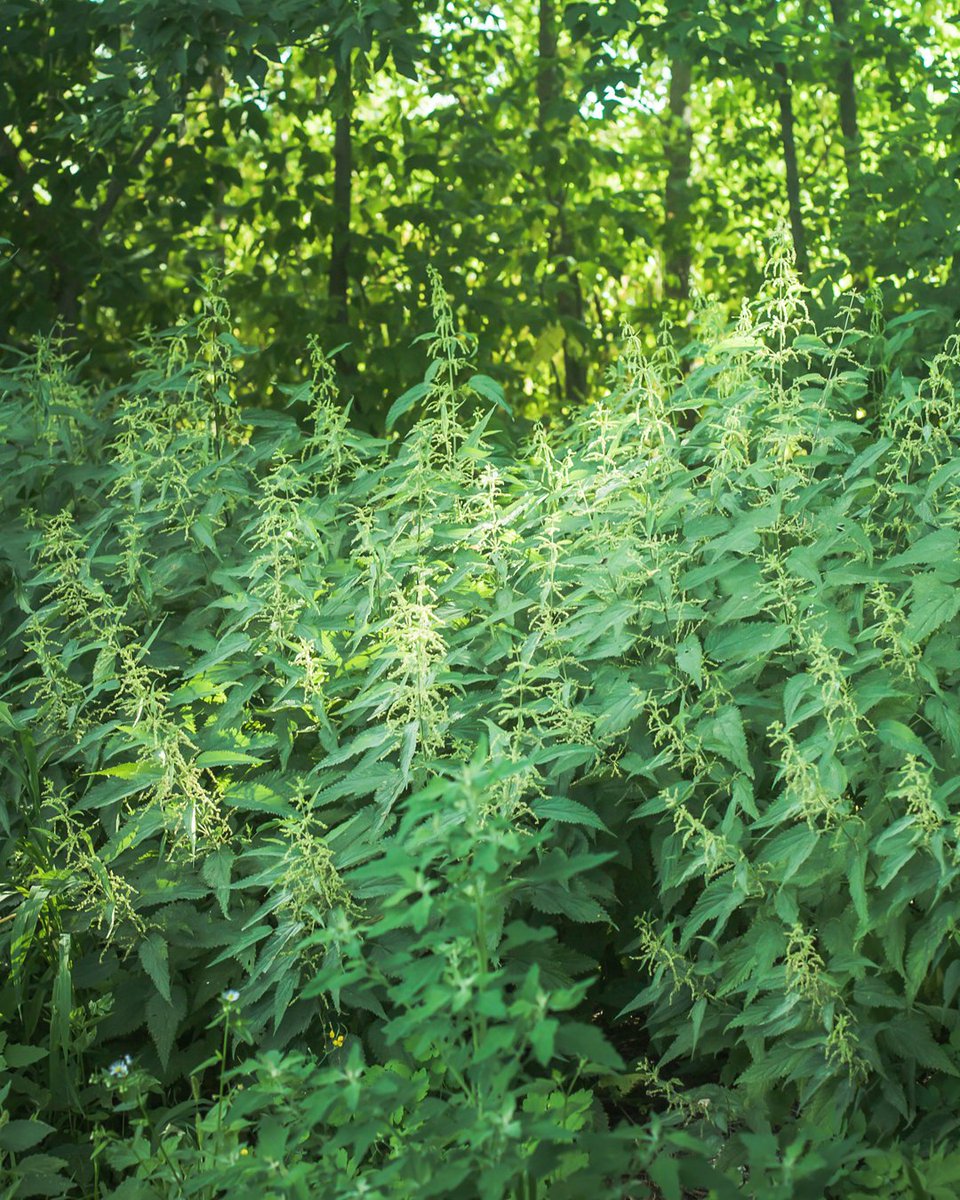
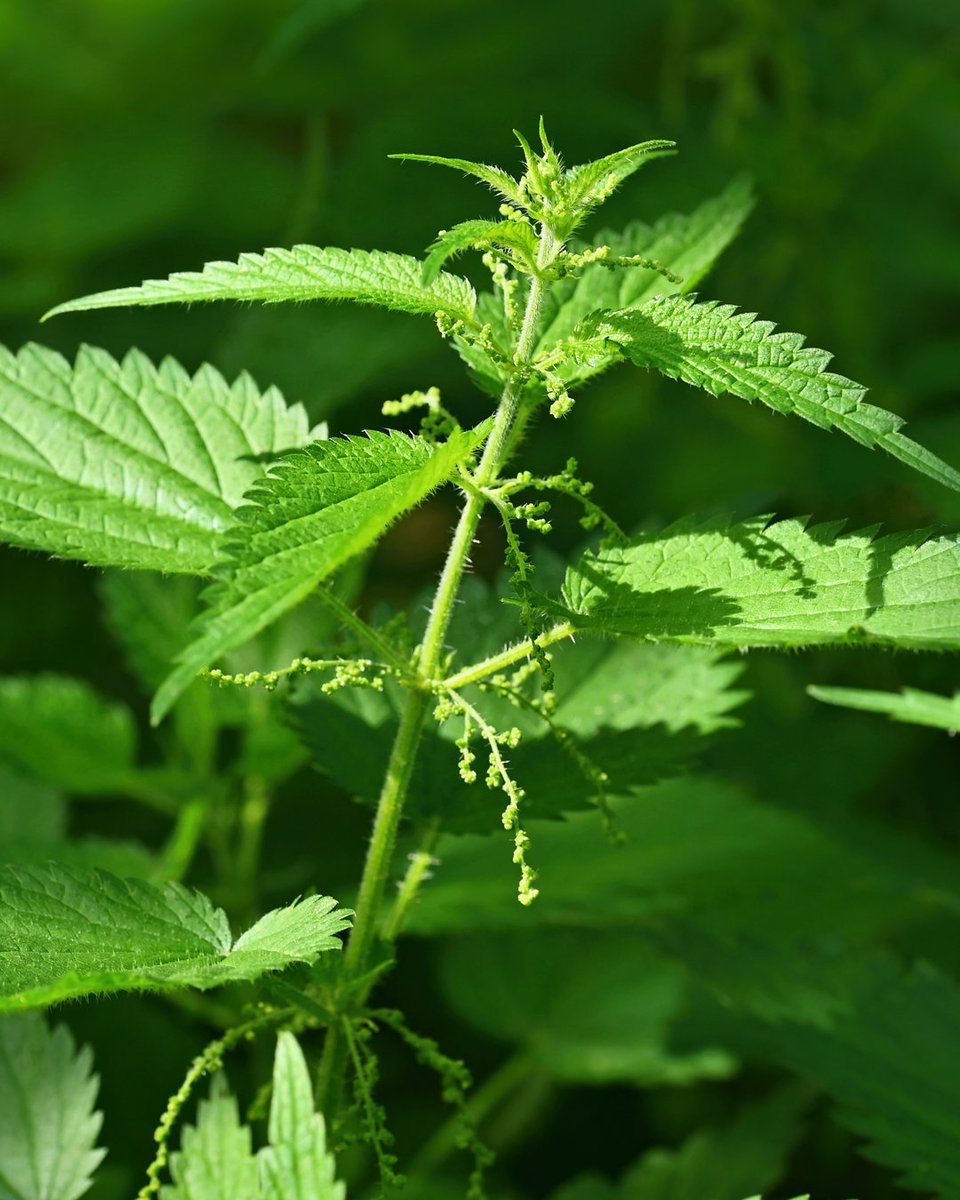
Despite their bad reputation, nettles can be beneficial to our health! When prepared properly, they can be turned into tea, pesto and even baked into cakes. 🍰
They’re also crucial for biodiversity, providing food for a variety of pollinators, including butterflies. 🦋
Their stings are a defence mechanism to protect themselves from being eaten by herbivores.
The plants are covered in needle-like hairs called trichomes. When something touches them, the tips break off, releasing chemicals that cause an allergic reaction. 😖