Friends, Romans, countrymen—lend us your ears!
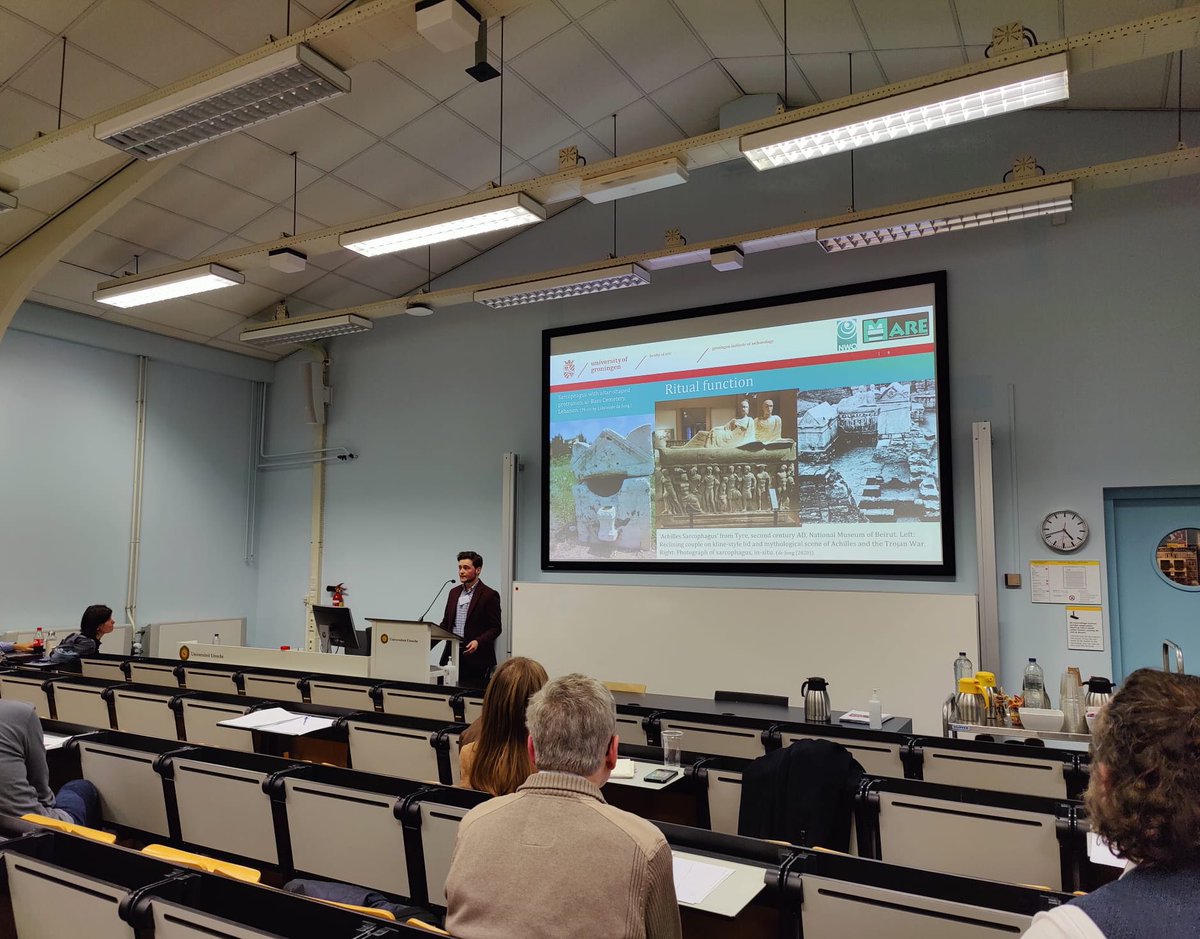
We @MARE_Project are delighted to announce the call for papers for our final
conference: ‘Mortuary Ritual in the Roman Near East: Current Work and Future Directions’ ⛏️💀❤️🏛️🌸🏺🔎
More info on how to apply: 🧵
The impulse to insert the present into the sacred past and the delicate intersections of sacred and politics are not new—what changes is how society judges them. In this image of a Roman model of the shield in the British Museum, can you spot the two men? https://t.co/xM5mhk3wdl
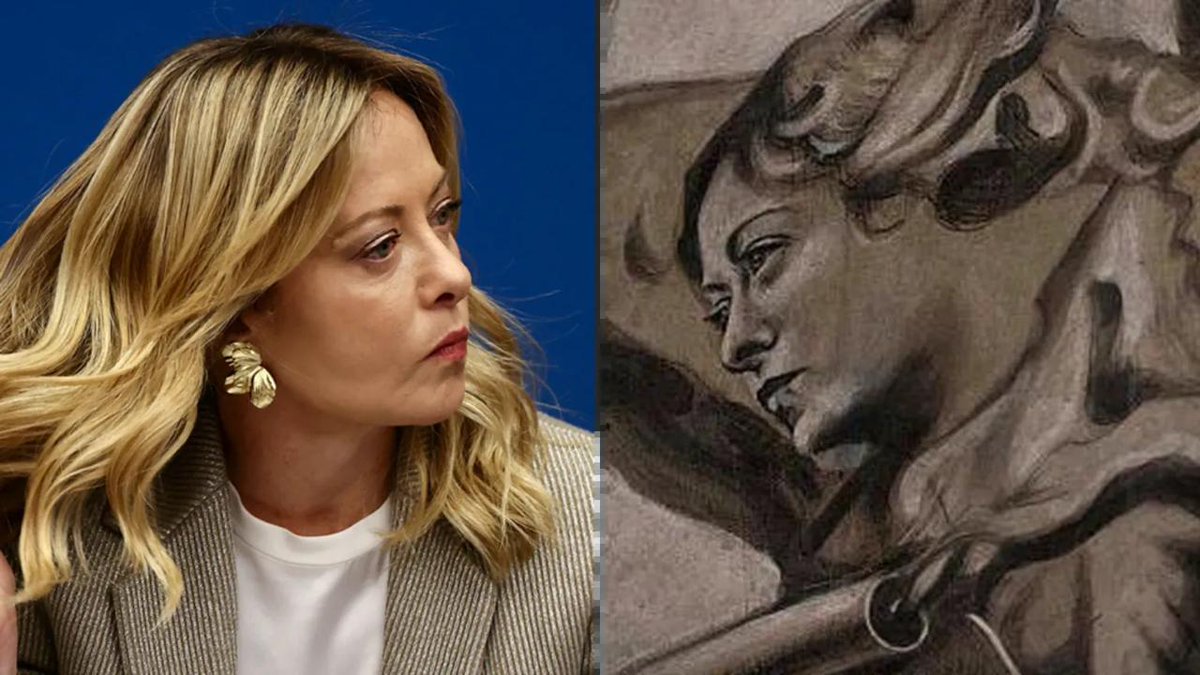
Hearing reports that a contemporary figure’s face may have been painted onto an angel in an Italian church made me recall ancient debates about self-inscription in religious art, although the circumstances differ. Plutarch (Pericles 31), a Greek biographer in Roman times...
The face of an angel resembling Giorgia Meloni in a Roman church will be restored to its original version
The face of an angel in the Roman church of San Lorenzo in Lucina, which acquired a portrait-like resemblance to Italy’s prime minister after restoration work, will be returned to its original 2000 version, when the fresco was created, La Repubblica reports.
According to the newspaper, after the story about the “Meloni-like angelic face” attracted media attention, the church’s parish priest was contacted by the Vatican.
The parish priest, Daniele Micheletti, confirmed that “technicians from the episcopate are looking for a solution, and the drawing will be modified.”
‘Phidias’ as an old man wielding a stone over his head and ‘Pericles’ with spear partly obscuring his face. But this was clearly not enough to stop people criticising the artist as a sort of scapegoat for their views on Pericles’ rulership.
wrote that Phidias, the artist of the famous Athena Parthenos statue in the Temple of Athena on the Acropolis, of sculpting both himself and Pericles, the ruler of Athens onto the shield of the statue. There, the two men are said to have fought amongst mythological figures.
Yesterday, I presented my PhD project for the first time at the @NINO_Leiden Annual Meeting @UniUtrecht. Looking forward to exchanging more research on the Near East within this community in the coming years. @MARE_Project
https://t.co/Pcsdi2uWBv
Today the MARE team attended the Mediterranean Archaeology Day where @NicholasAherne presented our project. Great to hear about all ongoing research in the Low Countries! Thanks Platform Argos and @UvA_Amsterdam for organising and hosting
#Archaeology@GArchaeology@ZooArchGIA
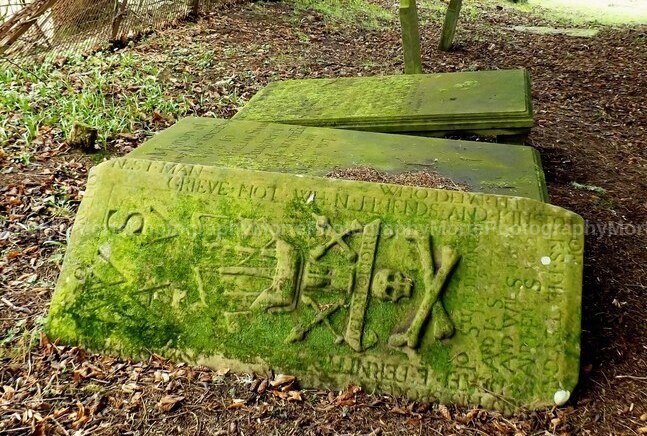
Spending the morning filing images when I came across one of my favourite grave markers. Had to share. Located in St Regulus Churchyard, Cromarty, aka The Pirates Graveyard, this rather wonderful stone, the Swan Stone, dates to c. 1675 💀
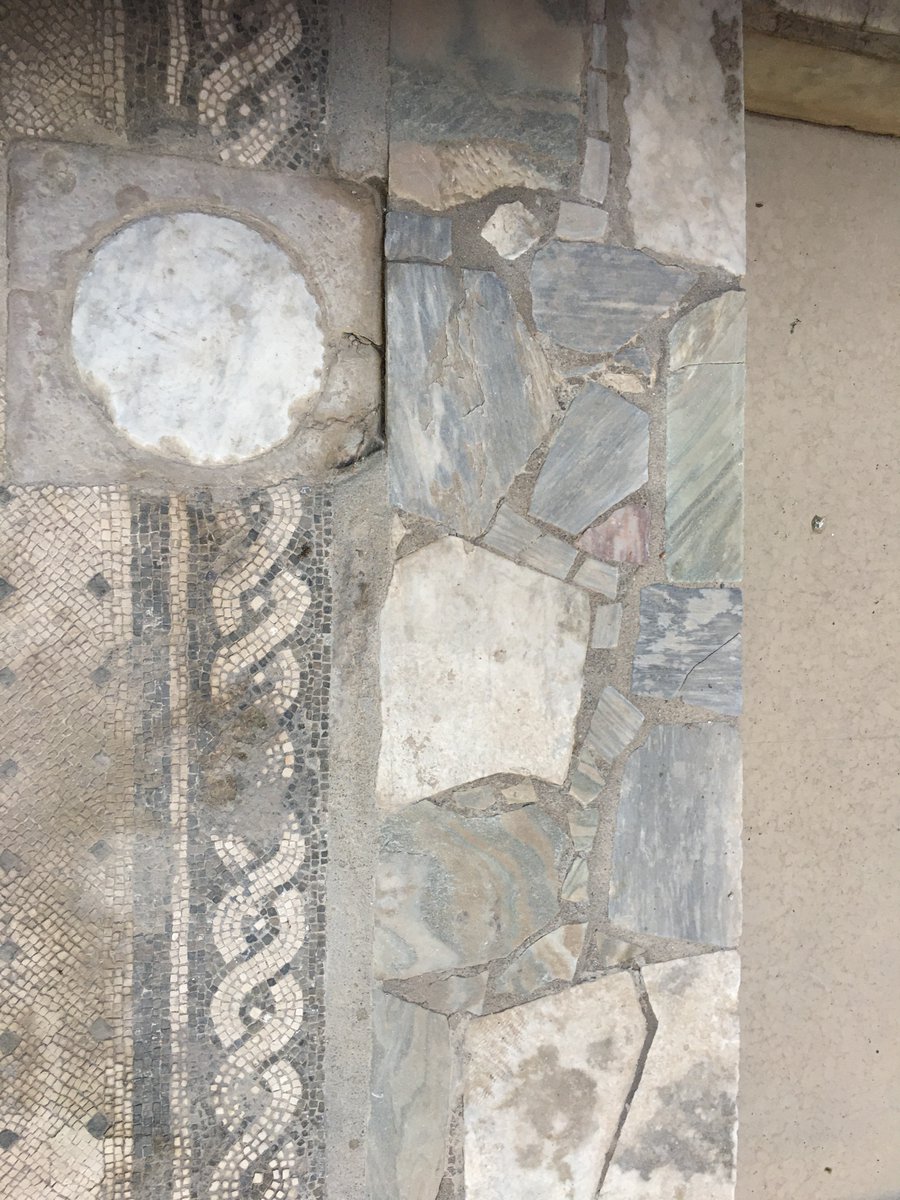
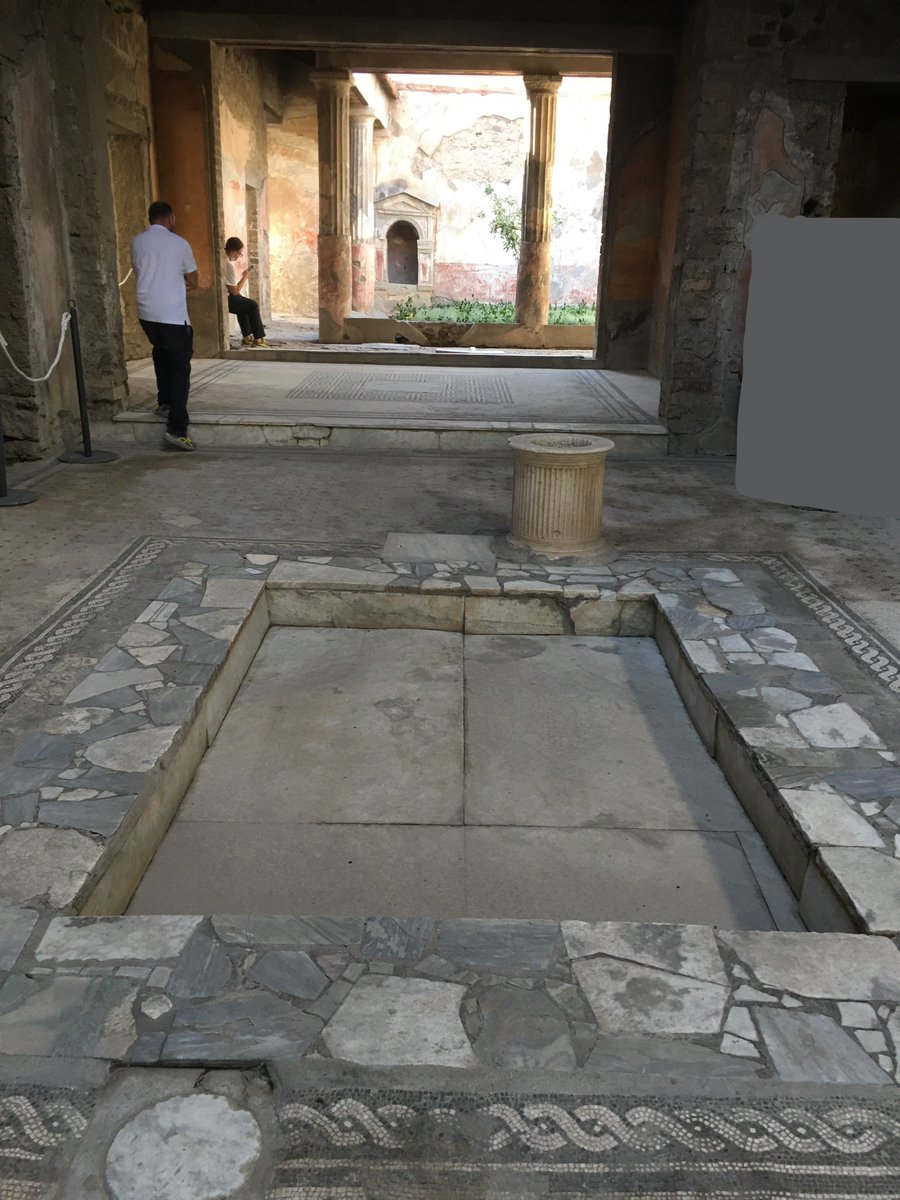
@romanmosaics I asked the same whilst visiting Pompeii this summer. Impluvium, House of the Tragic Poet. Interestingly, the coloured marble is not present in some reconstruction drawings: https://t.co/TDsAtrQe5w
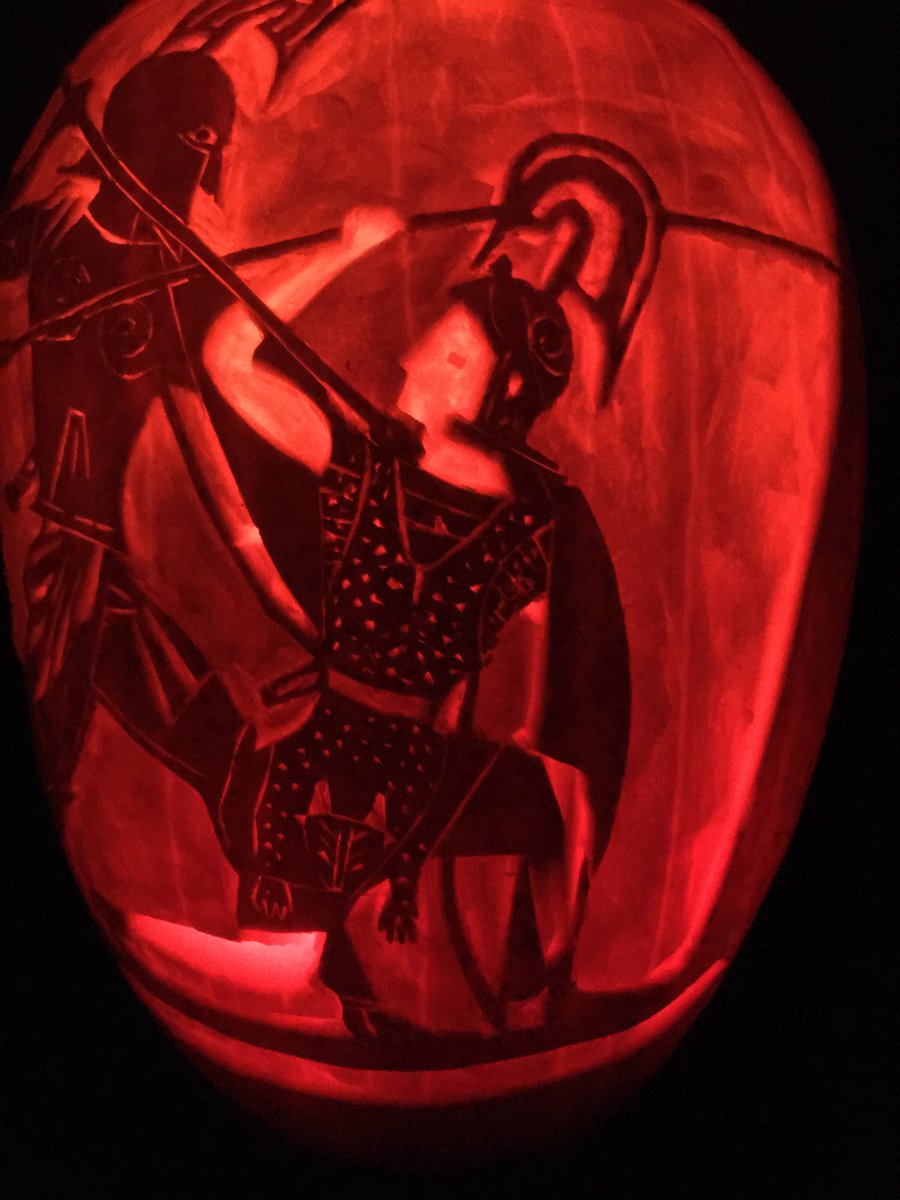
Front scene from the Exekias Amphora, @britishmuseum Achilles slaying the Amazonian queen, Penthesilea.
#Halloween#Pumpkincarving#ClassicsTober
Credit to the amphora-shaped pumpkin for its apt shape and colour.
https://t.co/6iQ1suKtsZ