Did you know this man in the painting was a real person? His name was Matthew of Clermont.
Very little is known of Matthew’s life, not even his birthday is known to us. However what we do know is that he was a member of the Knight’s Hospitaller, a chivalric order founded in 1113 on the 15th of February.
Matthew would eventually achieve the rank of Marshal, being sent to lead a contingent of Hospitaller knights to reinforce Tripoli in 1289. The County of Tripoli, once a Crusader stronghold, became a vassal of the Mongol Empire around 1260, when Bohemond VI submitted under the influence of his father-in-law, Hethum I of Armenia. Tripoli supported the Mongols during the sack of Baghdad in 1258 and the invasions of Syria in 1260.
After the Mongol conquests of Baghdad and Damascus, Islamic authority shifted to the Mamluks in Cairo. Internal struggles among the Mongols slowed their westward expansion, allowing the Mamluks to regain territory. In 1271, the Mamluks besieged Tripoli but withdrew after Prince Edward of England arrived in Acre with reinforcements.
By 1291, the Mamluks would set their sights on the city of Acre, one of the last major strongholds of the Kingdom of Jerusalem. As the Mamluks prepared to siege the city, the crusaders were reinforced by a force of Templars, Hospitallers, Teutonic Knights, Knights of Saint Lazarus and the Knights of Saint Thomas.
The Mamluk army launched a total assault on the city beginning at dawn and they attacked along the entire length of the walls to the sound of trumpets and war drums carried by 300 camels. The Mamluks poured through the breaches in the walls as they crumbled, by 9 a.m., the city’s fall was all but certain. They quickly seized the Accursed Tower on the inner wall, forcing the defenders to retreat to the Gate of St. Anthony, where Guillaume de Beaujeu, the Grand Master of the Templars, was mortally wounded while trying to hold the line.
After the breach of the walls on the 16th of May, Matthew himself rallied the defenders who were initially trying to flee and led a counter attack against the Mamluks, pushing them from Acre by Saint Anthony’s Gate. On the 18th the city was stormed again. In a surprise attack, the city was caught off guard, and what ensued was a bloody battle through the streets. Matthew rushed to rally his troops and evacuate civilians. The docks were the most likely point of exit, and Matthew prioritized its defense with the full might of his force. As the city fell street by street, Matthew and his force were surrounded. Facing certain defeat, Matthew ensured that his forces boarded the ships, and he himself defended the escape until his last breath, dying on the docks, sword in hand, as his ships pulled away.
Jean de Villiers, the 22nd Grand Master of the Knights Hospitaller survived and escaped the besieged city. He knew Matthew well and paid tribute to him in a letter he had written to the Grand Master of Provence in 1291 which goes as follows: “He was noble, courageous, and well-versed with arms. May God have mercy on him!”.
Matthew of Clermont died fighting valiantly in the face of insurmountable odds and yet, he displayed great courage and rallied all he could to face the attackers head on. I believe he should be remembered as one of the last great crusader knights who was a prime example of a man embodying the ideals of courage, leadership, and self-sacrifice. He may not have an extensive history covering his life from birth like Godfrey or Richard. We do not even know where he is buried or if he was even buried at all.
Espectacular hilo! Los problemas de una flota submarina relativamente pequeña y las "dos guerras frías" que la Royal Navy enfrentaba en los 80s. La Armada Argentina detectó varios submarinos en esa época, en algunos casos fueron contactos sub vs sub.
Carlos Burle was deep under a giant Nazaré left on 3 December 2025, still holding a small camera with both hands. The 58-year-old had survived decades in big waves. This time, the shot he wanted delayed the move that could help save him: pulling his inflatable vest.
Lucas “Chumbo” Chianca had towed Burle into the wave at Praia do Norte. Burle later said he read the line wrong and thought he could make it. The wall closed, hit him at speed and drove him deeper than expected. He kept hold of the camera so he would not lose it. In his own account, that delayed the inflation.
When Burle finally surfaced, another wave was already there. Then came more. He never blacked out, but each brief breath was followed by more white water. By the time Chumbo reached him, the message was short: “I’m not well. Take me to the beach.”
The first pickup failed. Chumbo tried to pull Burle onto the rescue ski, but another wave knocked both men back into the water. Chumbo stayed beside him and worked to keep his head up. Willyam Santana then brought in a second ski. He backed the rescue sled toward them while Chumbo pushed Burle aboard, and the team finally cleared the impact zone.
I chose the wide rescue clip because the ride is only the first few seconds. Watch the skis circle, the empty patches of foam and the moment one rescue becomes two. At Nazaré, safety is not one brave rider arriving quickly. It is drivers, rescue sleds, inflatable vests, clear roles and another team ready when the first plan breaks.
On the sand, Burle was exhausted and struggling to breathe. The team removed his vest, gave him oxygen and sent him to hospital for checks. He was released without major injury. He later described it as his worst hold-down and said removing the vest felt “like being born again.”
The camera detail is what stays with me. A hand that is protecting a camera is not pulling a vest tab, covering the head or helping with a rescue. Burle did not hide from that. He blamed an aggressive line and too much confidence, then questioned how far a surfer should go for a good image.
There was one more turn. In 2013, at the same break, Burle helped rescue Maya Gabeira after she was knocked unconscious. Twelve years later, Chumbo and Santana had to do for Burle what Burle once did for her: find a fading surfer in the foam and bring him back to the beach.
"Horacio Adolfo Balvidares: ejemplo de soldado argentino"
Veterano de la Guerra de Malvinas
Esteban Vilgré La Madrid
En 1982, subteniente, Regimiento de Infantería 6 "General Viamonte", Mercedes, Buenos Aires, Ejército Argentino
#Malvinas#IslasMalvinas#Argentina
Horacio Marín te explica, de manera clara y con palabras bonitas 😊, cuán ignorantes y estúpidos son los de Greenpeace y todas esas organizaciones impresentables (incluidos políticos) que gritan "van a contaminá el agua" 😵💫
🔥 TE EXPLICO POR QUÉ MICHAEL BURRY VE UNA BURBUJA AÚN PEOR QUE LA DE 2008, AHORA EN LA IA, EN MENOS DE 10 MINUTOS
Si tampoco entendías por qué el trader de The Big Short está TAN shorteado en el sector, GUARDA esto
Siempre es bueno ver la posición contraria
Vamos a ello 👇🏼
El programa de Pergolini ODP hizo este clip con IA sobre la vida y los logros de San Martin. Es muy bueno y deberían pasarlo en todos los colegios y universidades no solo como historia para entender en cuatro minutos quien fue Don José sino porque también sirve para mostrar las enormes ventajas de la IA cuando está bien usada.
Impecable.
Aplausos.
Viralicen!
@2010MisterChip Dos títulos del mundo en dieciséis años. No exististe en el mapa global antes del siglo XXI. Lamento que se te haya subido este éxito a la cabeza, eras un twitero interesante, ahora solo sos un estadístico selectivo.
@2010MisterChip España siempre será la madre patria, a pesar de los españoles… quien me atrevo a afirmar ya no sabemos quiénes son, dado que los González, Martínez y Fernández juegan de este lado, y los Yamal y Williams del otro.
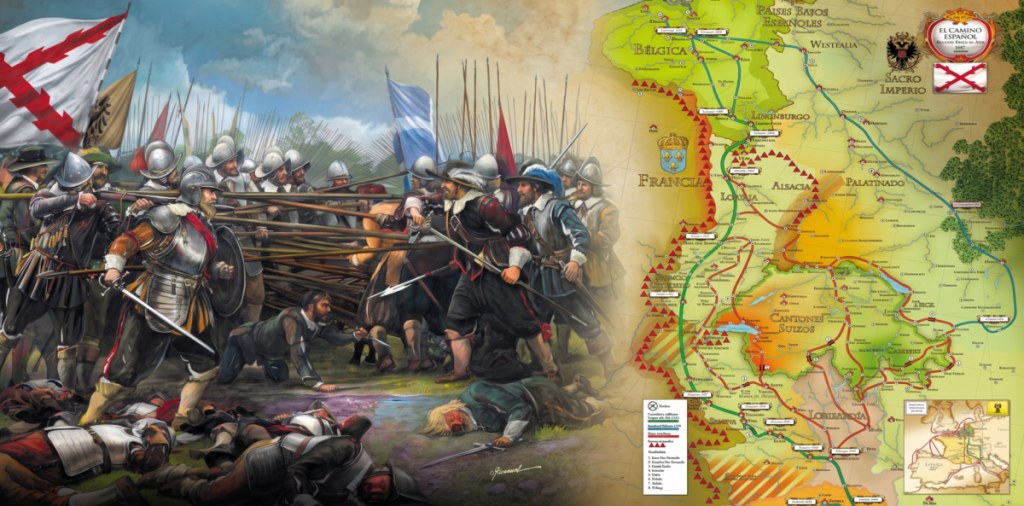
Durante 80 años, España sostuvo una guerra en Flandes gracias a algo que casi nadie recuerda: una ruta militar de más de 1.000 km que cruzaba media Europa a pie.
Se llamó el Camino Español. Y es una de las mayores hazañas logísticas de la historia militar. 🧵👇
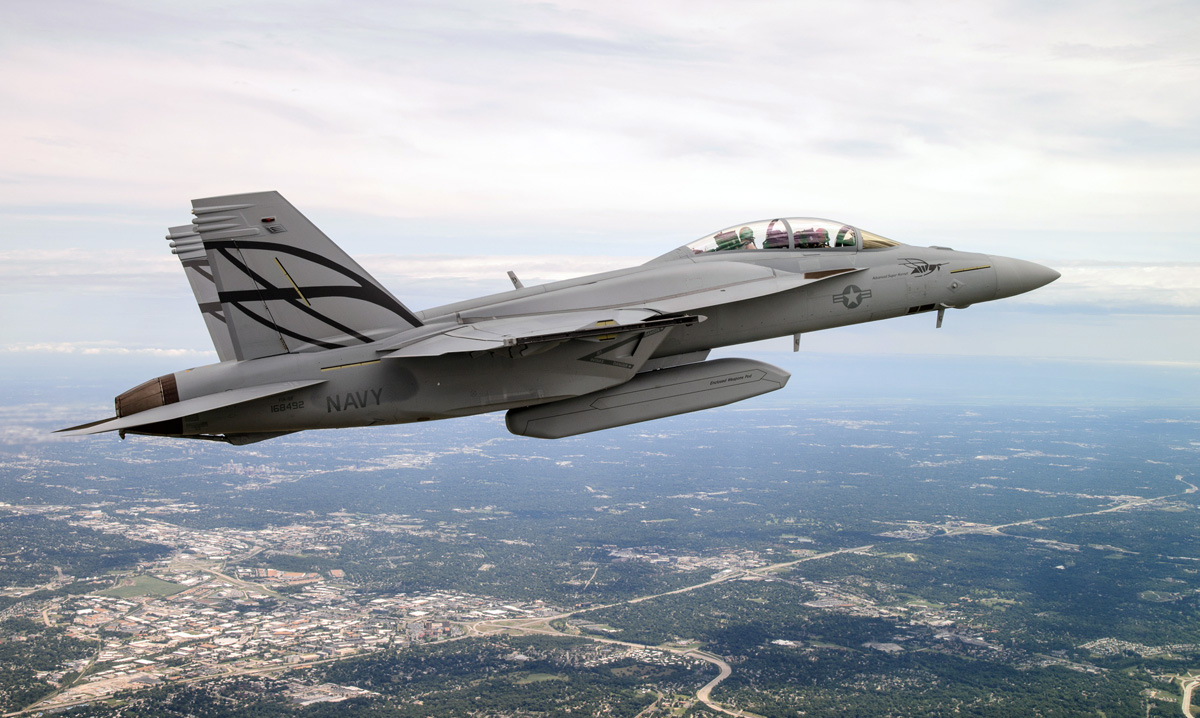
Muchos habrán oído esa historia que se ve por ahí de un avión de caza que se acerca a un bombardero y el piloto le vacila por la radio diciéndole "Mira que cosas puedo hacer." y se pone a hacer maniobras impresionantes...
Conviene definir primero de qué hablamos. Un monovolumen es un coche de un solo volumen, sin capó marcado ni maletero diferenciado, con techo alto, suelo plano y una cabina grande y aprovechable sobre una plataforma de turismo, no de furgoneta.
Çin 43 milyar dolar harcadı, hâlâ yapamadı.
Litografi makinesi.
Yapabilen firma sayısı: 1. ASML, Hollanda.
Yapmaya yakın firma sayısı: 0.
100.000 parça. 5.000 tedarikçi. 60 ülke.
ASML'in kendisi sadece %15'ini üretiyor. Ama bir araya getirip çalıştırabilen tek firma onlar.
Tedarik zincirinin kalbi Almanya.
Aynalar Zeiss, lazer TRUMPF. İkisinin de alternatifi yok. Zeiss bu aynaları atomdan ince parlatıyor. Almanya büyüklüğüne büyütsen en büyük pürüz 0.1 milimetre.
Bu hassasiyeti ölçecek aleti bile başka kimse yapamıyor.
1 megawatt elektrik giriyor, cipe ulaşan ışık 25 watt.
Dünyanın en pahalı makinesi, insanlık tarihinin en verimsiz ışık kaynağıyla çalışıyor.
Nikon denedi, bıraktı.
Canon denedi, bıraktı.
Her şeyi kendi içlerinde çözmeye çalıştılar. 100.000 parçalık sistemi tek başına götüremezsin.
ASML farklı yaptı. Müşterilerini ortak etti. Intel, Samsung, TSMC 2012'de toplam 5.4 milyar dolar yatırdı. Hisse karşılığı. Müşterileri aynı zamanda yatırımcısı oldu.
Çin deneme aşamasında. SMEE henüz ticari ölçekte DUV makinesi satabilmiş değil. EUV prototipi gizli laboratuvarda. 3.000'den fazla araştırmacı. Bir kısmı eski ASML çalışanı. Makineyi söküp kopyalamaya çalışıyorlar.
Henüz tek çip basabilmiş değiller.
1984'te Philips'in arka bahçesinde, yağmur sızdıran bir barakada 31 kişiyle kuruldu.
Bugün piyasa değeri ~700 milyar dolar. Bu makine olmadan 5 nanometrenin altına inilemez.
Çin'in prototipi 150 watt üretiyor. ASML'inki 600.
Aradaki fark en az 10-15 yıl.
Yo hoy me enteré que la Ilíada y la Odisea son solamente DOS POEMAS de un compendio de ocho (en total) que cubren la historia entera desde las causas del sitio de Troya, hasta la muerte de Odiseo. Ocho, majes.
¿Y saben qué es lo peor?
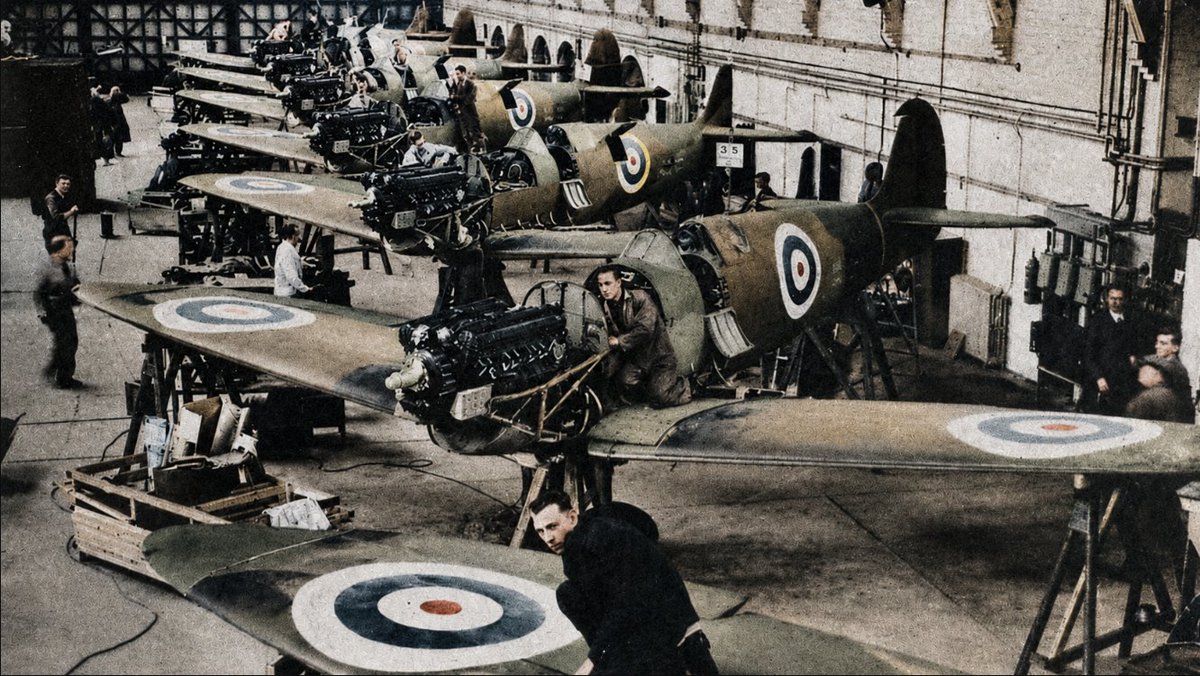
In September 1940 the Luftwaffe bombed the Spitfire factory in Southampton and claimed to have wrecked it. They had every reason to believe they had crippled British fighter production.
What followed instead was that the Spitfire was taken apart and hidden. Production was scattered into garages, laundries, bus depots and sheds across southern England.
Much of the work was done by young women in their teens and twenties.
This is the story of the Secret Spitfires..🧵1/5