It is with great delight that I can announce the documentary ‘Frostbitten’ is now available on @amazon Prime, @AppleTV and Adventure Sport TV.
https://t.co/kZubmTxten
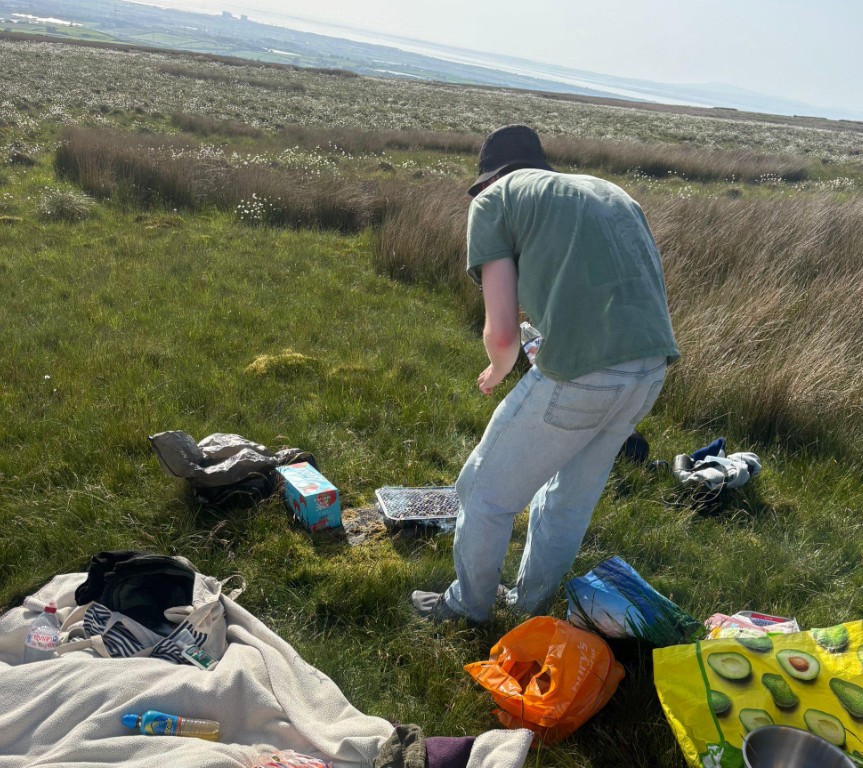
This greeted a North Pennines keeper in private woodland - habitat the estate manages for the Red-listed Spotted Flycatcher.
Bags of rubbish. Discarded kit. No respect for the land or the people who look after it.
We're told keepers are too quick to move campers on. This is what they're left to clear up.
Can't take your litter home? Then you've no business in the countryside.
🎞️ Courtesy of Northern Pennines Moorland Group
Ive seen images of folk setting fire to each-other and then jumping in the water for a laugh. I’ve spent time in a burns unit. I don’t recommend it… https://t.co/P3LZaCKkkP
🚒 Are we doing enough to protect the firefighters who protect our moorlands?
A recent study by the University of Stirling and Queen Mary’s University London reveals the UK is falling behind international standards in recognising the occupational health risks our firefighters face.
With wildfires on the rise and new hazards from modern technology, the nature of rural firefighting is changing. Yet, the UK legal system still makes it incredibly difficult for these brave men and women to receive recognition or support for work-related illnesses.
Good stewardship extends beyond conservation; it requires evidence-based policy that protects the rural communities working to keep our landscapes safe.
Read more on our website - link is in replies 👇
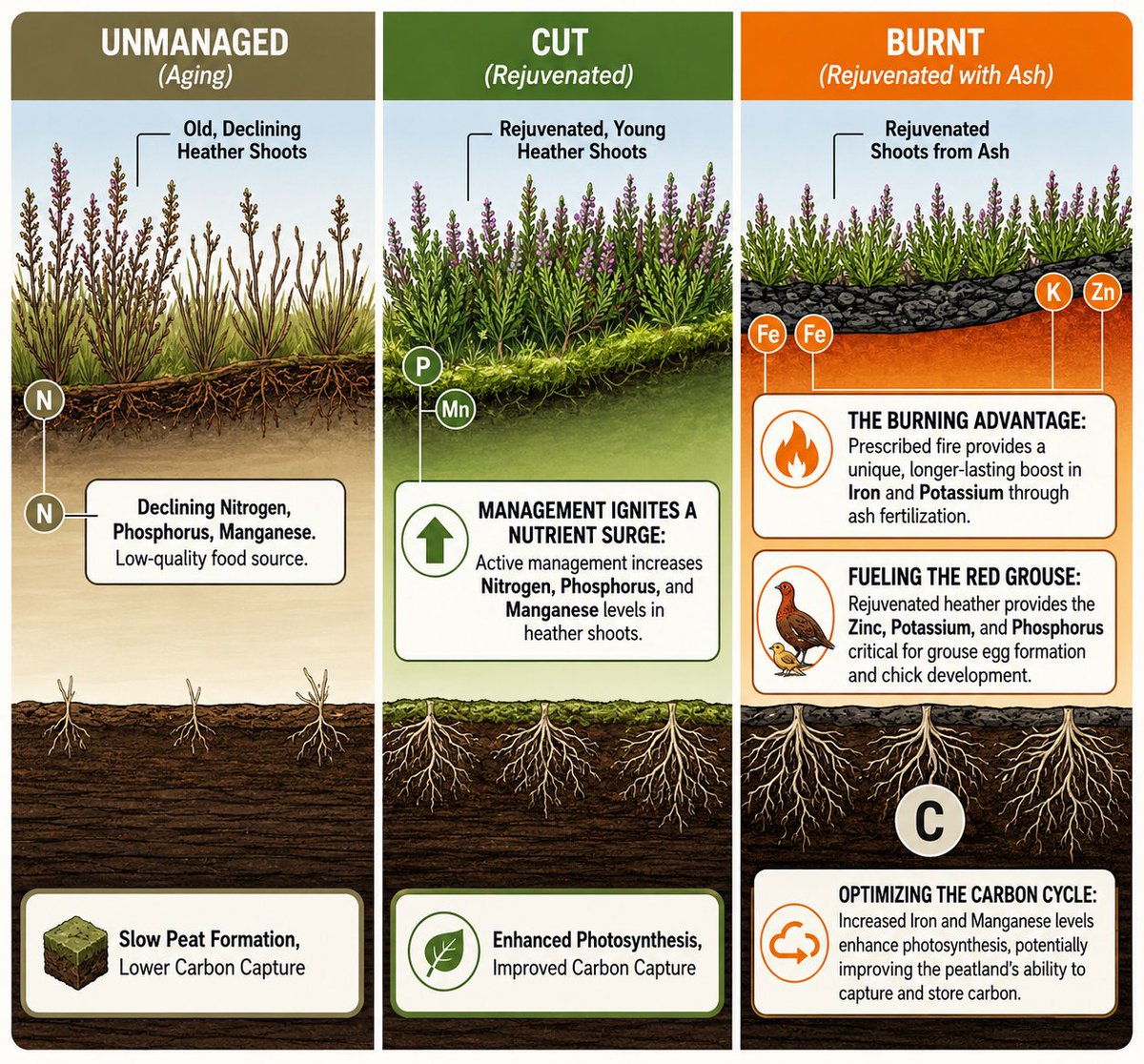
🌿 Research confirms what rural workers have long known: active moorland management is vital for nature.
A 10-year study by the University of York reveals that traditional controlled burning acts as a powerful natural fertiliser. It creates a massive surge in essential nutrients like potassium, iron, and manganese in young heather shoots.
These minerals are the lifeblood of our iconic red grouse and upland livestock, ensuring they have the energy to breed and thrive in harsh conditions. Without this careful stewardship, unmanaged heather loses its nutritional value, leaving wildlife hungry.
The science is clear: the traditional 'patchwork quilt' approach is a masterpiece of conservation.
Read more on our website - link is in replies 👇
🔥 The US has put a number on what UK policy refuses to measure: $3.73 of avoided wildfire damage for every $1 spent on prescribed burning and forest thinning.
A peer-reviewed study tracked 285 wildfires across 11 Western states from 2017–2023.
The findings:
• £2.2bn in avoided damages
• 2.45m tonnes of avoided CO₂
• ~60 premature deaths averted
• 22,680 tonnes less fine particulate pollution
• 61,500 hectares of unburned ground
Wildfires release ~83% more fine particulate than prescribed burns over the same area. The communities downwind of Saddleworth Moor in 2018 know what that means in practice.
Meanwhile, Defra tightened restrictions on controlled burning without publishing a single cost-benefit figure for doing so. The default - that restriction is the cautious option - is itself unevidenced.
Read more - link in replies 👇
27 Years ago today, I almost froze to death, but was saved by the wonderful rescue services in Alaska. My life changed beyond comprehension and I was advised to ‘get off on the sick’ for the rest of my career. I did quite the opposite..🧵
After serious amputations and extensive skin grafting I worked for another 25 years in the electricity industry, have climbed numerous mountains, bashed through dense jungle, crossed deserts and kayaked with icebergs. I’ve set British and World Records, and
Public lands are home to the wildlife that lives there year-round. We're the visitors. Treating that time in their habitat with respect; keeping distance, managing pets, and storing food is part of the deal.
🕷️ 20 years ago, the UK recorded around 250 Lyme disease cases a year.
Today, public health guidance estimates 3,000��4,000 new cases annually. GP-record studies put the figure closer to 10,000. Some estimates go as high as 45,000.
Gamekeepers, farmers and moorland managers are reporting a massive, visible increase in tick numbers across northern Britain. In some spots, visitors and their dogs are stepping out of cars and finding themselves covered.
Lyme is often misdiagnosed as ME, lupus, arthritis or even COVID. Untreated, it can cause neurological problems and chronic fatigue lasting decades. Red grouse exposed to tick-borne louping-ill virus can suffer mortality rates of up to 80%, and the protective vaccine is currently unavailable.
Active land management - targeted grazing, bracken control, vegetation cutting and managed burning - keeps tick habitat in check. Personal vigilance does the rest.
Read more - link in replies 👇
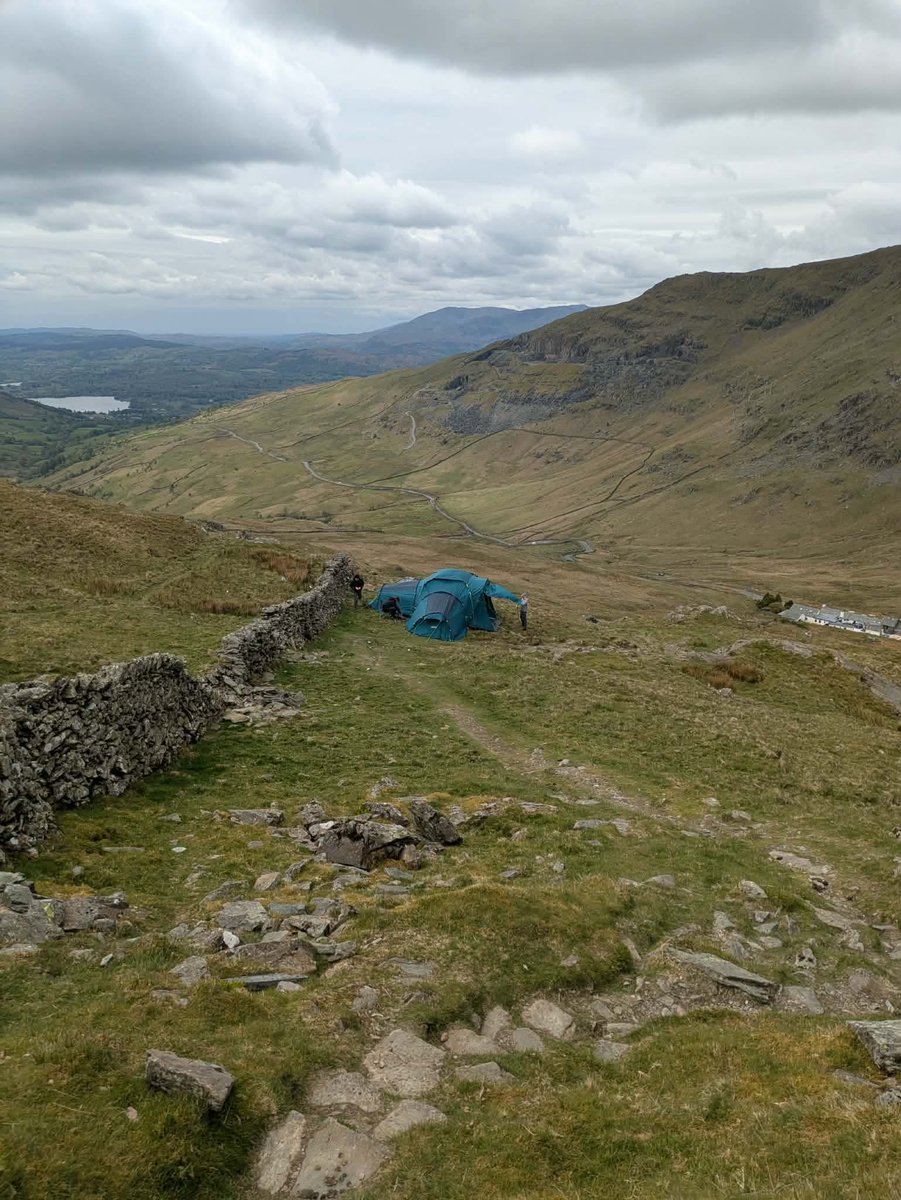
Look at these utter ignorant fools! Fly camping above the Kirkstone Pass Inn 😮🤯
It’s been reported to @WandFCouncil but who knows if anyone will head out to educate and enforce Public Space Protection Orders within a UNESCO World Heritage Site? #lakedistrict#countrysidecode
My fell running pal sent me these images infuriated asking where are the rangers.
Fact is such inconsiderate and irresponsible behaviour needs reporting. Hopefully, they’ll be approached with care and education.
It’s a helluva tent to carry up that steep part of the fell above the Kirkstone Pass Inn!
I’m sure the guests staying in the boutique accommodation holiday let by the pub will appreciate such views.
I wonder if it’ll be abandoned on the fellside tomorrow? How much litter is left behind? Maybe fire pits that harm the land? 🤔🤔
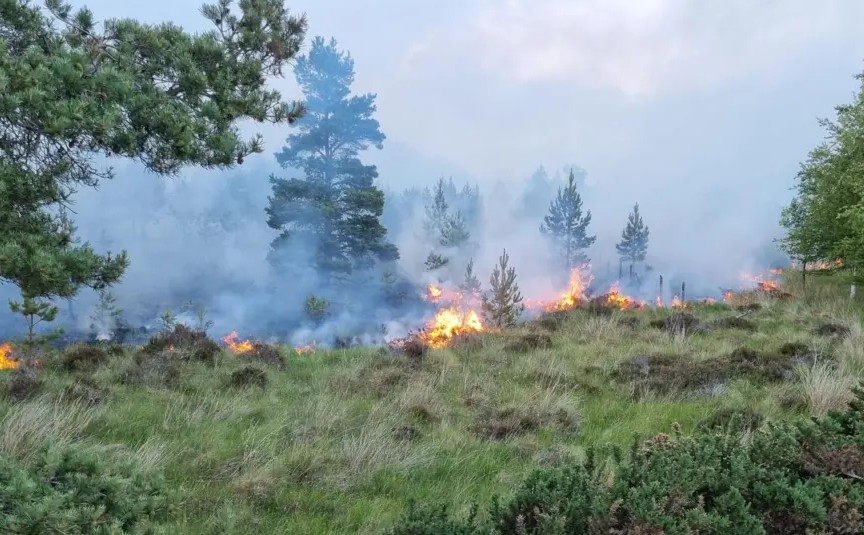
💧 A puddle. Sitting beneath vegetation burned right down to the ground. That single image, taken after the recent wildfire at Appleton Common in North Yorkshire, cuts through a long-running argument.
The flames travelled through the fuel, not the soil.
Key takeaways:
- Standing surface water did nothing to stop fire taking hold above it
- Where fuel loads are heavy and tinder-dry, the ground being wet is irrelevant
- Suppression worked only where firefighters intervened directly
🔥 Rewetting peat is often presented as a complete answer to wildfire risk. Appleton Common shows it isn't. Saturated ground beneath a dry, continuous canopy of vegetation will still burn - and will still spread fire.
Active fuel management - prescribed burning, cutting, grazing - remains essential to keep our landscapes and the communities around them safe.
Our thanks to the firefighters, gamekeepers and estate staff who tackled the blaze.
🔥 Ask any gamekeeper. The fires you can stop and the ones you can't are decided long before they start.
That is the Moorland Association's case to the EFRA Committee's wildfire inquiry - drawn from members who manage around a million acres of English and Welsh upland.
The shift we are asking Parliament to make is simple: stop fighting fires after they start, and reduce severity before ignition.
What that means in practice, and what Defra schemes should fund:
- Grazing, cutting, bracken control, rewetting and prescribed winter burning
- Regional resilience plans mapped to real local risk
- Firebreaks, water points and trained staff - not passive fuel accumulation
- Monitoring that records why fires spread, not just hectares burned
🚒 The gamekeepers and estate teams who often reach incidents first are part of the answer - and need to be recognised as such.
📨 Add your voice before the deadline. Send your own evidence to [email protected] by noon, Monday 18 May.
Millions of pounds. Sphagnum planted denser than anywhere else in the country. The flagship of Peak District restoration. It still burned.
We walked Snake Moor after the fire earlier this month. The naturally occurring wet flushes - the ones already there, no grant required - were doing fine. They always were.
The harder truth is what grows around them. Sphagnum is a brilliant medium for other plants to take root in. Grasses, heather, scrub. Year after year, the fuel load builds.
Even the best-funded restoration scheme in the country needs active management running alongside it. No management, no prevention - just more fuel.
🎞️ Courtesy of the Peak District Moorland Group