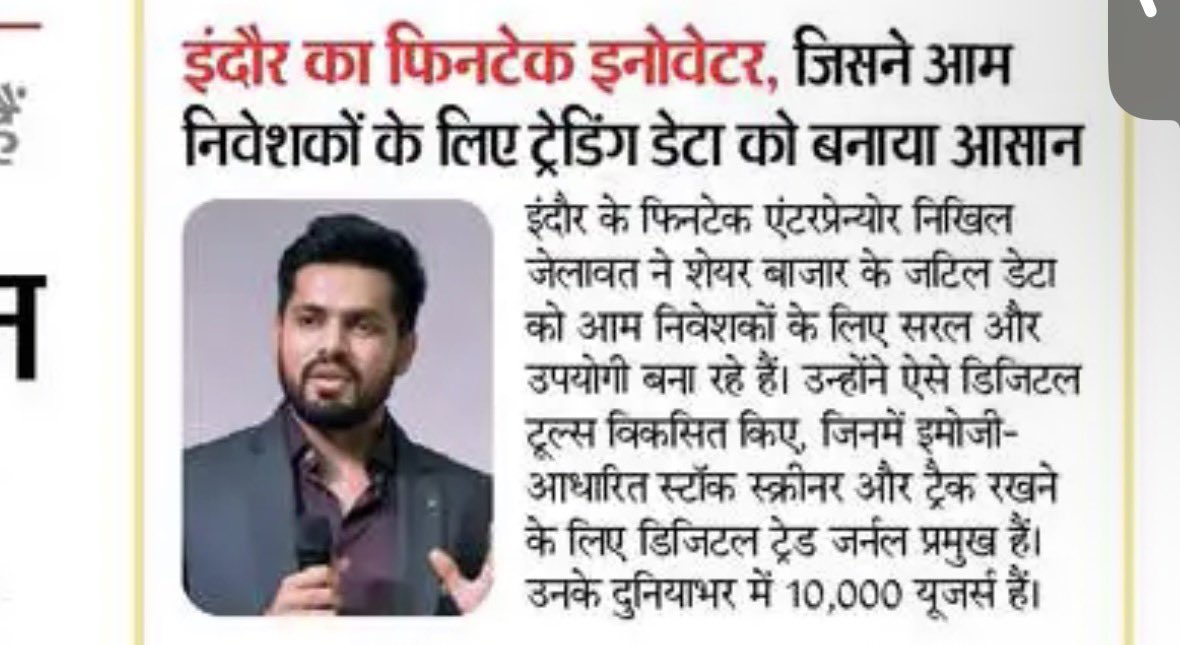
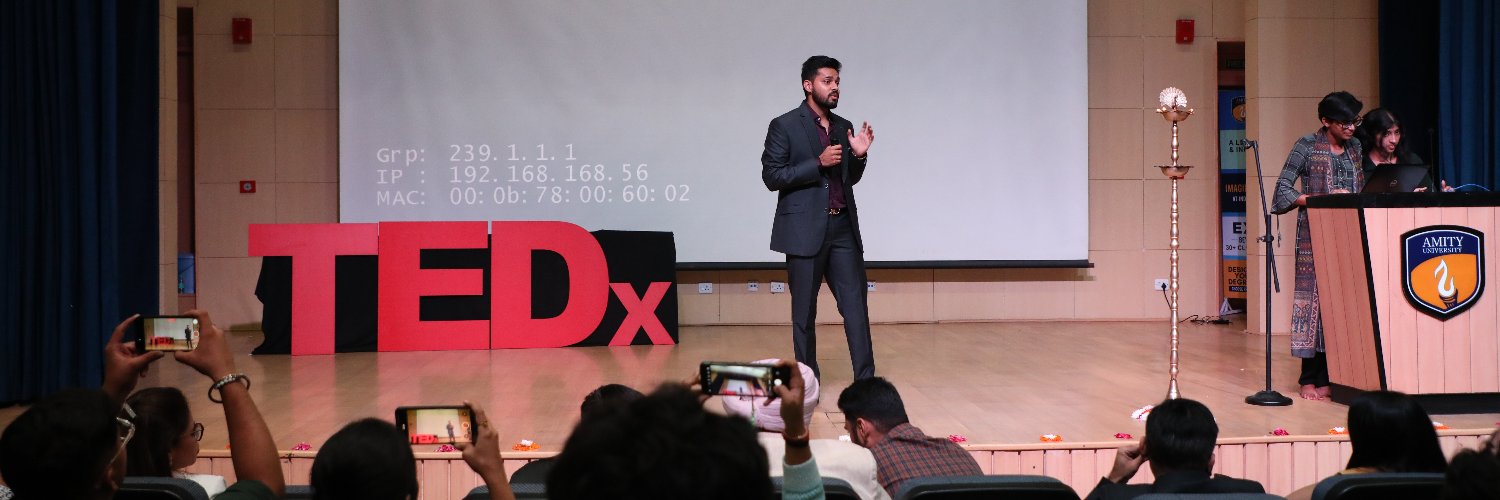
🚀 Excited to announce that my TEDx talk is LIVE! 🎤
From engineer ➡️ full-time trader, I’ve shared my journey of discipline, mindset, and risk management in trading.
Watch it here 👉 https://t.co/o4gNZ0UOiP
Let me know your thoughts! 🧠💬
#TEDx#TradingWisdom#GrowthMindset #DisciplineWins
INDIA, INTERNET, INTERNATIONAL
If you're Indian, don't move to America.
Because the US left hates technocapitalists.
And the US right wants no more immigrants.
Moreover, as the sovereign debt crisis worsens...
It only gets worse. Possibly murderously worse.
So: Indian immigrant technocapitalists need alternatives. And there are three options: India, Internet, and International.
1. India
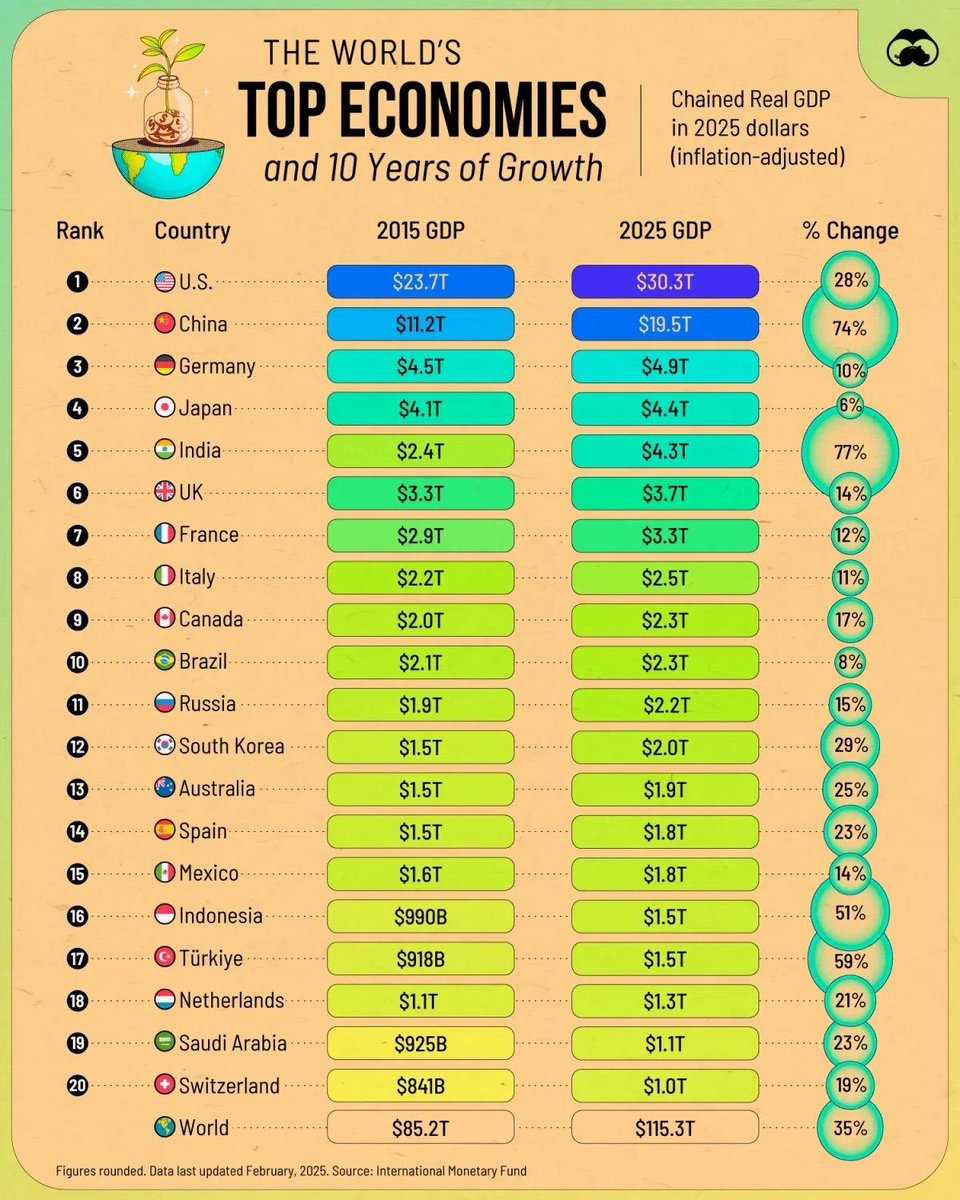
India itself is the world's fastest growing economy, with the #1 growth rate in the world over the last 10 years. Every major company is investing in India. So you can do well in the Indian economy:
2. Internet
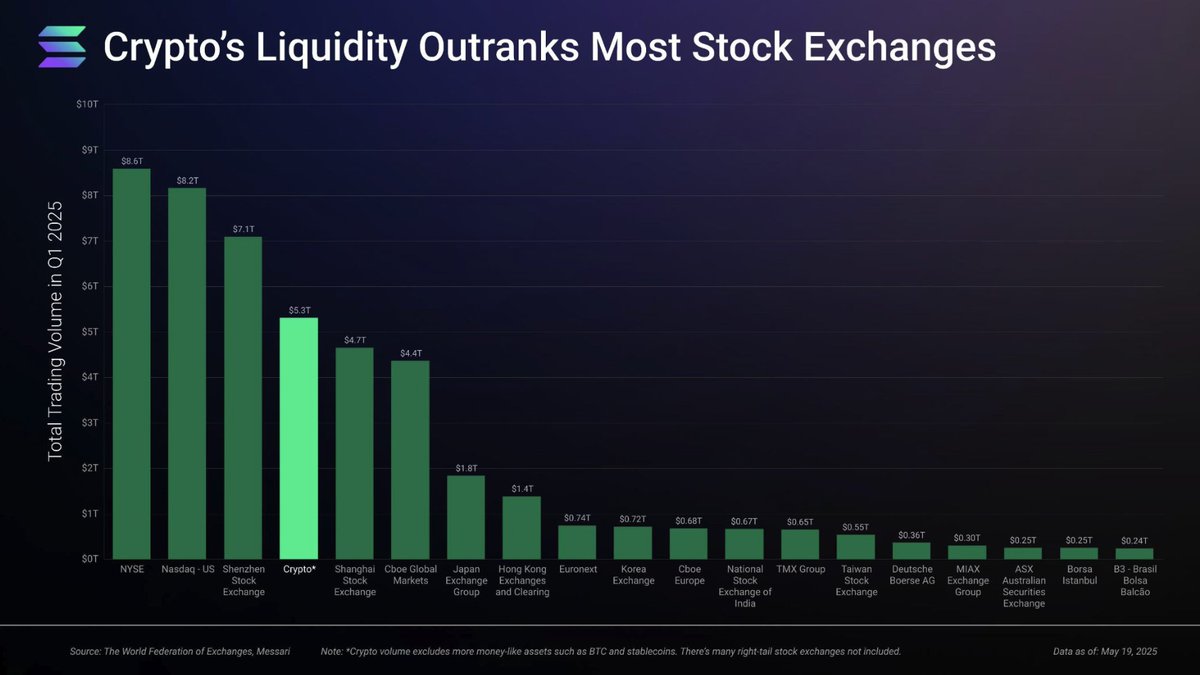
The Internet is taking over from a fading NYSE/NASDAQ as the world's largest capital market. The decline of Delaware and NYC accelerate this; everyone from Elon to Elad Gil to a16z to Dropbox have moved out of Delaware for incorporation, and Mamdani is catalyzing a capital exodus to Miami.
So: the US is no longer a stable place for capital formation. And Solana and Ethereum already put Indians on a level playing field with the entire world, with digital rule-of-law. No one can discriminate against you in a smart contract simply for being Indian, so you can do well in the Internet economy:
3. International
Finally, at the exact moment that the US has stopped recruiting tech talent while India is generating enormous amounts of it, the rest of the world is opening their doors to digital nomads.
Dozens of places from the UAE to Singapore have created many different kinds of talent visas. And so Indian technologists have begun rerouting there, especially to Dubai and Singapore. So that's the third option: the International economy:
In short: do not expect the US to suddenly become more friendly towards immigrant capitalists. The long-term financial outlook is not good, so America is unfortunately no longer a good place to build a stable life and a career. Which is why Americans themselves are in a zero-sum mentality.
You can't fix that.
Instead, if you're an Indian technologist, rely only on TCP/IP rather than H-1B. And build yourself up in India, on the Internet, or internationally.
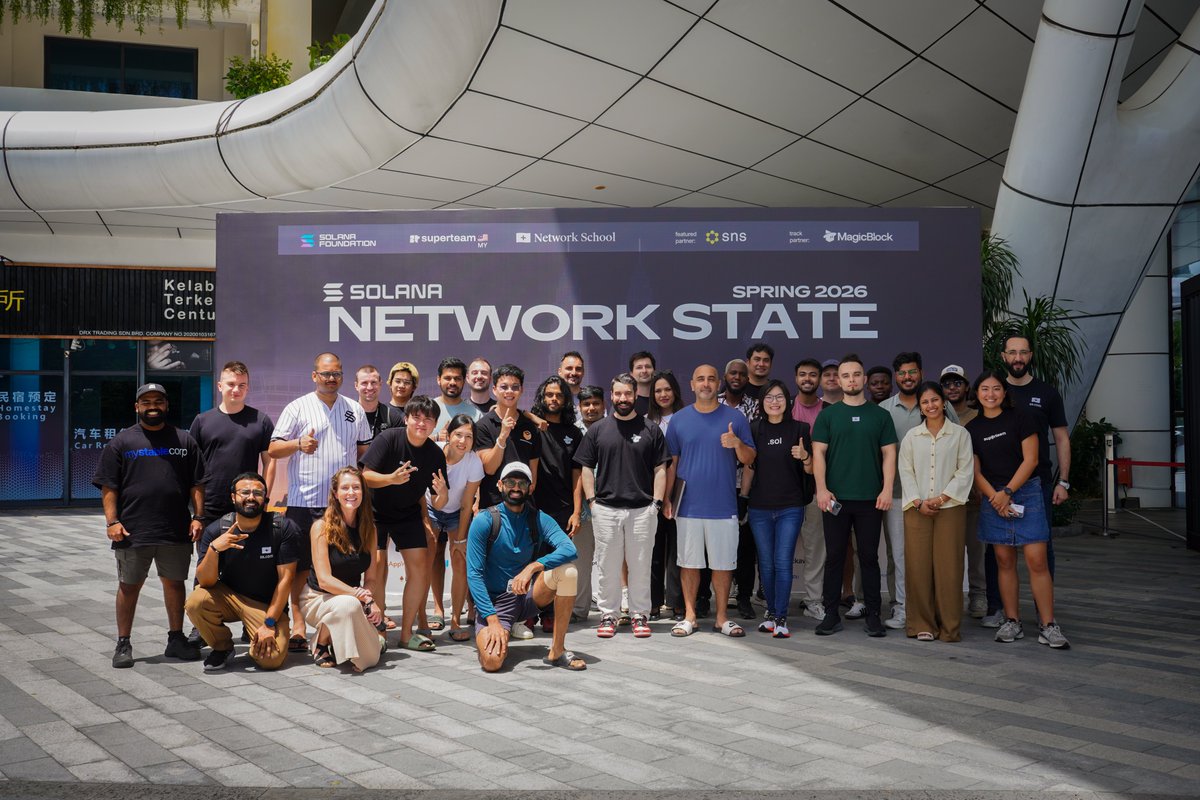
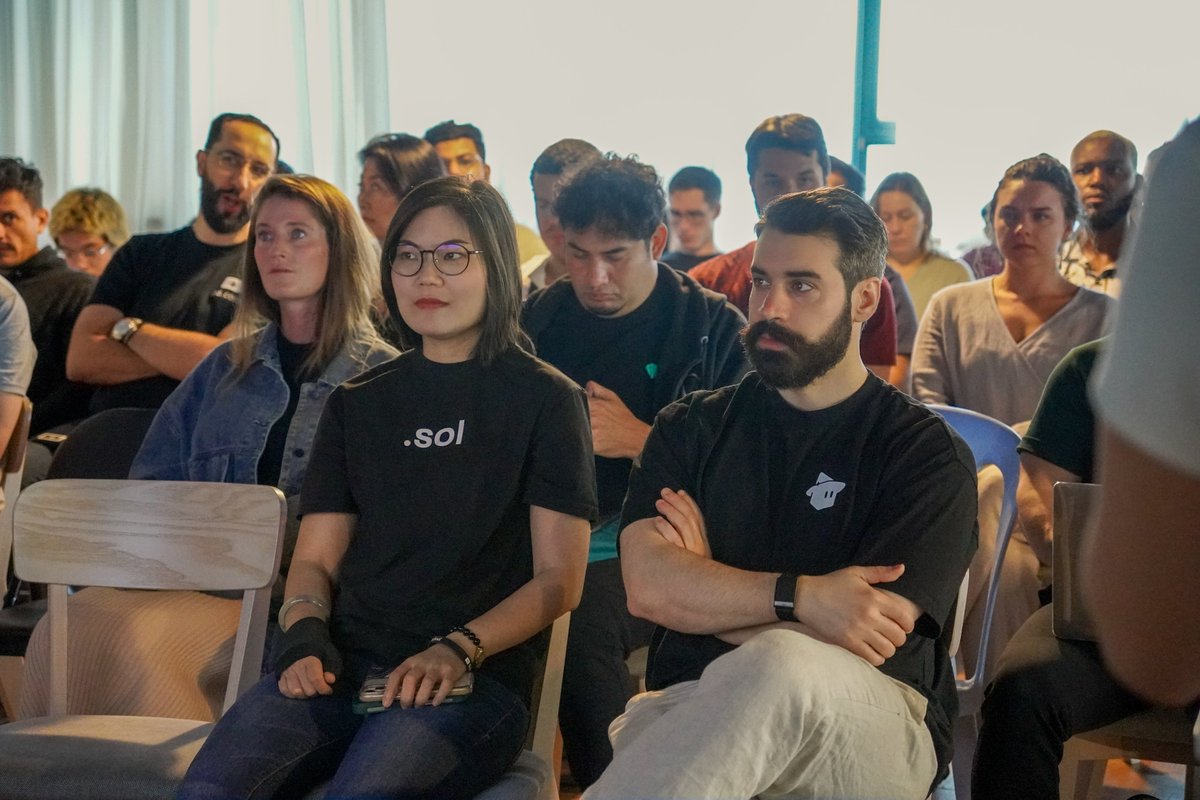
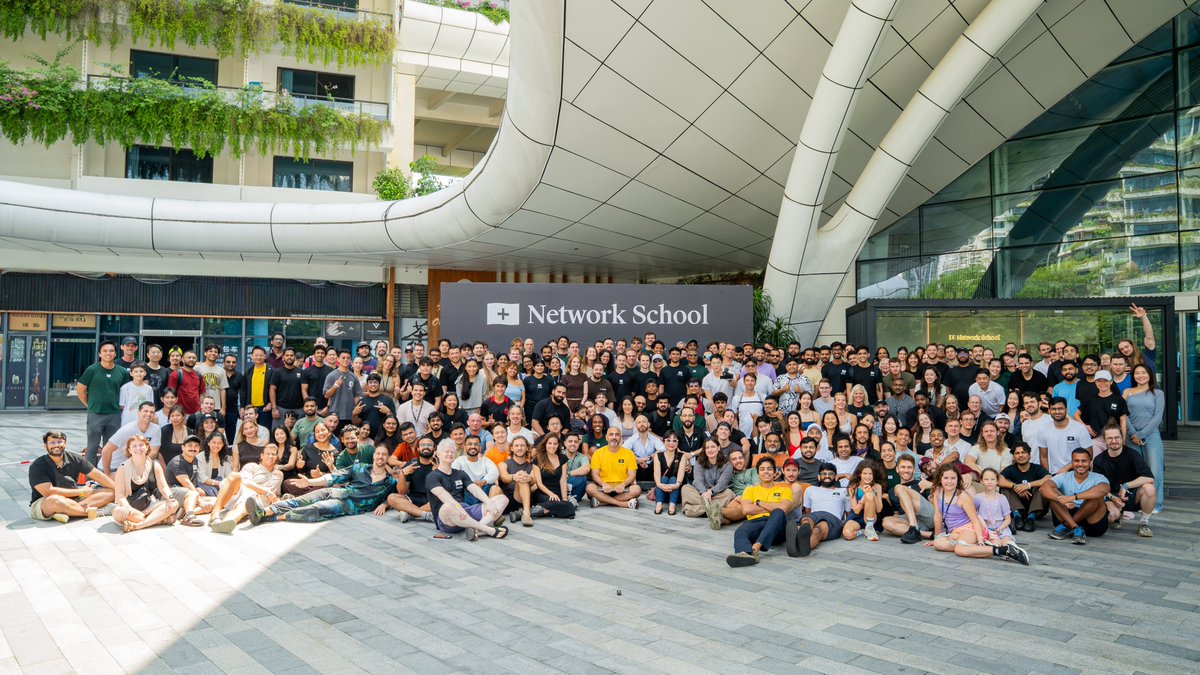
my fave shots of the first 2 days of Solana Network State Spring '26!
> group pic with our @solana builders and the @ns core team that made this happen
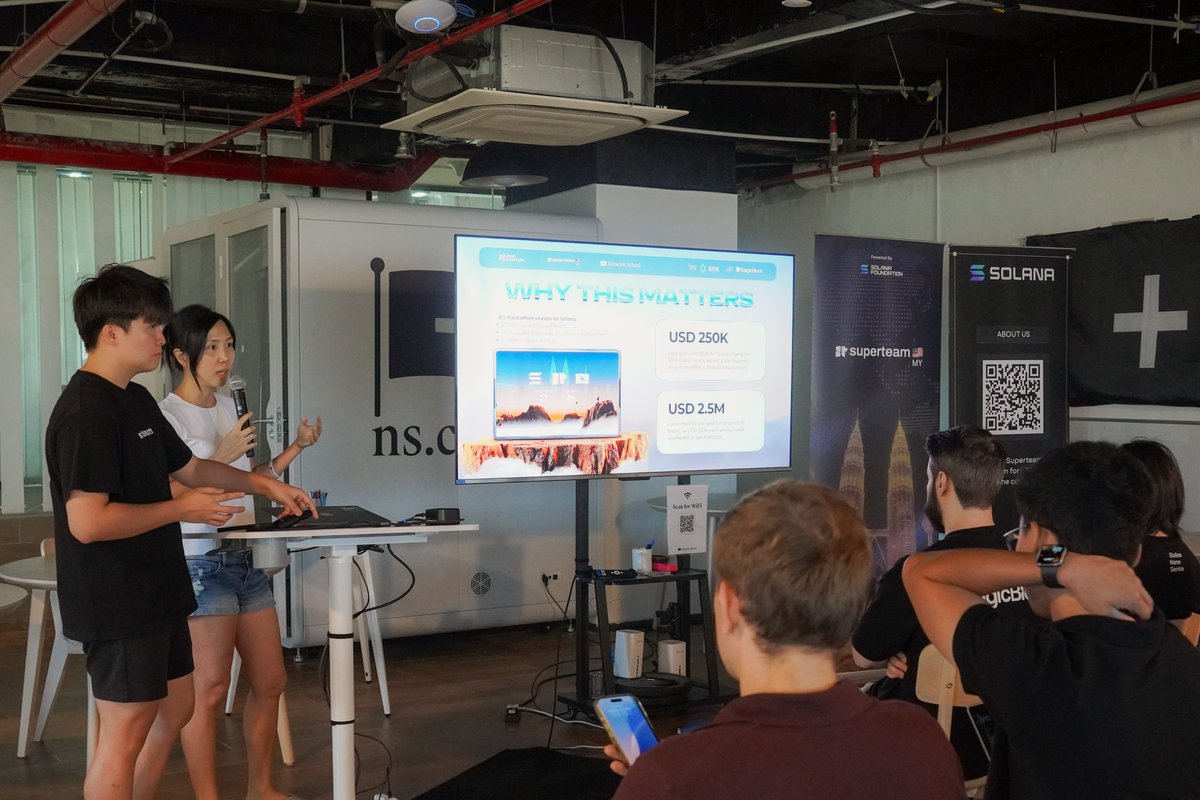
> why @colosseum has a huge impact in our startup ecosystem
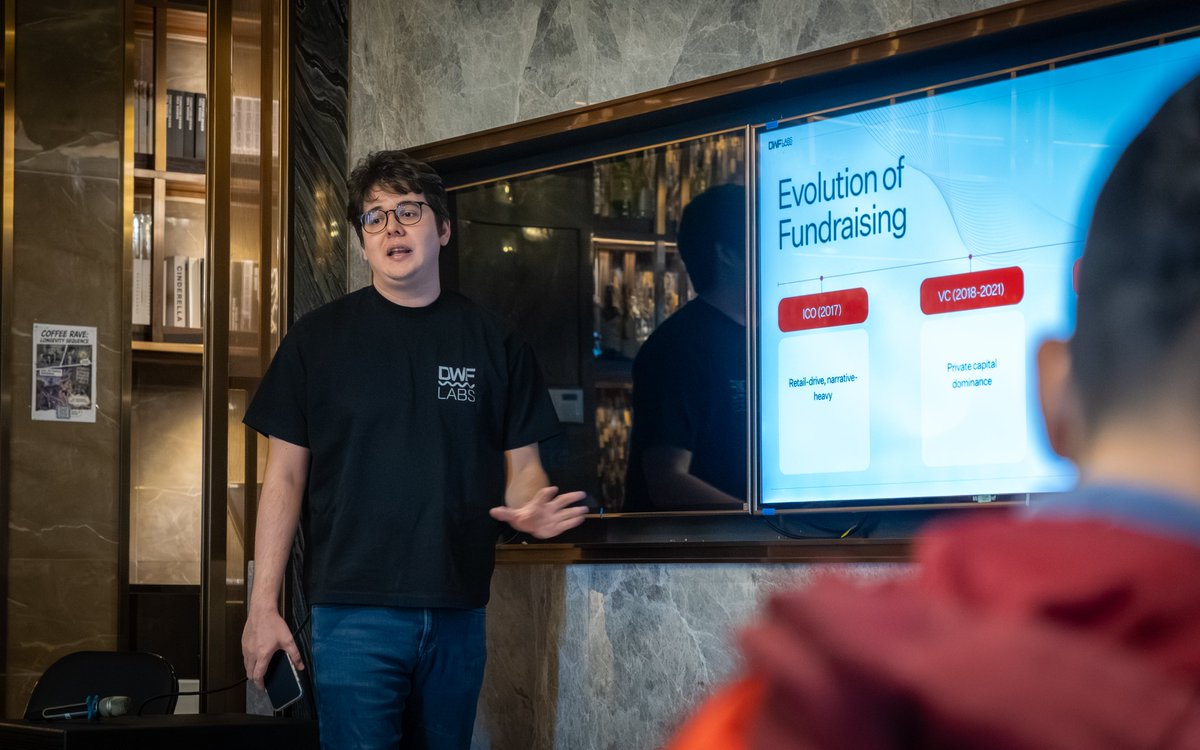
> @0xSeanSS from @DWFLabs who drove all the way from KL just for his 1 hour workshop (full house btw!)
> our amazing partners @aomdotsol and @supermarioblock who are bring a $5k prize pool each for builders integrating @sns and @magicblock tech stack
not in pic but deserves a shoutout: @ashishgupta1527 from @cyreneAI who did an awesome session about raising capital
Extremely disappointed with @KotakBankLtd / Kotak Mahindra Prime.
Despite paying EMIs on time for months, their system keeps marking payments as overdue. I’m repeatedly sharing payment proofs, still receiving recovery calls & SMS.
This incorrect reporting has already damaged my CIBIL score.
Multiple contacts with their team but no resolution.
Request immediate correction & CIBIL rectification.
@KotakBankLtd@kotak811@RBI
Open Letter to Shri Raghav Chadha,
Member of Parliament, India
Dear @raghav_chadha,
I listened to your recent Parliament speech supporting an increase in STT on derivatives and a reduction in LTCG. I appreciate the intent behind your proposal.
With my limited 20 years in market, I would like to share a few simple and practical points.
Increasing STT on futures is not a good idea. It reduces market liquidity and increases the chances of manipulation. In such conditions, small and less-informed investors usually suffer the most.
Higher STT in futures will also push small traders towards options buying. Options buying already has a very high probability of loss, especially for people with limited capital and experience.
Instead, STT in the cash market should be reduced to improve liquidity and support healthy long-term investing.
STT also leads to double taxation. If STT is treated as a tax, investors should get a credit or rebate against their final tax liability. No one should be taxed twice for the same transaction.
Reducing LTCG and increasing STT will not reduce speculation. Speculation is a natural and important part of market structure. Higher transaction costs also drive out market makers, which hurts liquidity and price discovery for everyone.
If the real objective is to reduce risky retail participation in derivatives, a better approach is to focus on access and suitability, as done in South Korea:
1. Higher minimum capital to open derivatives accounts
2. Stricter margin and risk rules
3. Allowing only qualified or experienced retail investors to trade certain products
4. Mandatory education and risk declaration before allowing derivatives trading
5. Restrictions on complex and high-leverage products
6. Stronger suitability checks by brokers
This approach reduced retail participation in futures and options, while shifting activity towards institutions and professional participants. It also lowered excessive speculation.
A healthy and mature market needs thoughtful design, not only higher taxes. If markets are allowed to function, they must be made safer and more efficient, not weaker.
I hope you receive this note in the same positive spirit in which it is written. I truly appreciate your efforts in representing citizens in Parliament.
Warm regards,
Excited to be part of the Face2Face Multi-Asset Trading Conclave 2026 in Goa 🎊
A 3-day, in-person platform bringing together some of India’s sharpest market minds—focused on real-world trading, cross-asset thinking, and learning beyond silos.
Looking forward to sharing thoughts on Momentum Investing and learning from fellow practitioners.
It’s commendable @vivbajaj and the team for curating this ecosystem.