Just catching up with twitterX...
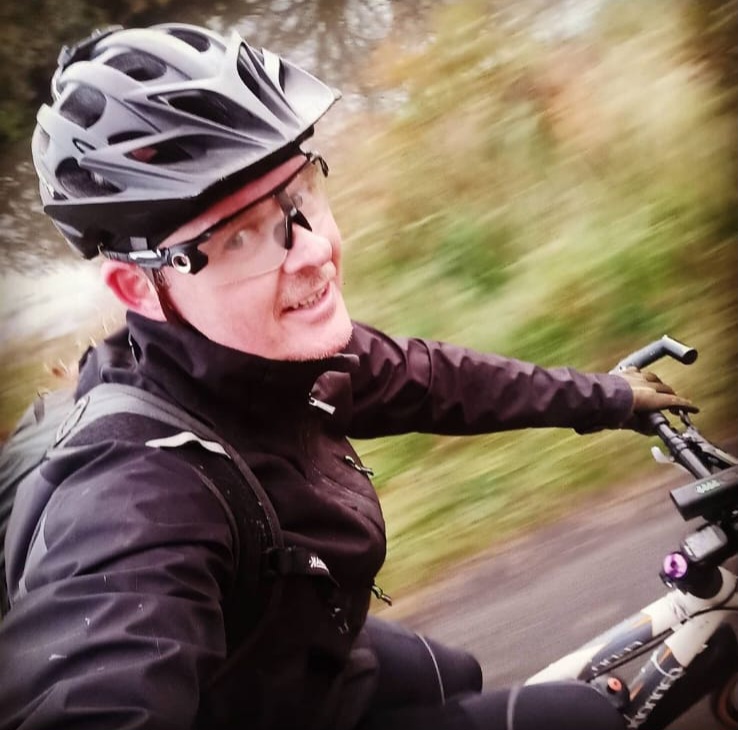
So this was me a couple of weeks ago, 20 years at ERS. It's a great place to work.
Good choice of photo's, showing what I love, science stuff and bikes!
Congratulations Nik Johnson on 20 years of service! 👏👏👏 Nik joined ERS as a Geochemist in April 2004, working in our Bishopbriggs office. Over the years Nik undertook additional training in NAPL investigation and management and became a Technical Specialist within ERS....
At this small but complex #brownfield site, nearly all of the made ground considered a risk to the water environment. Several of ERS' teams were involved across different stages of the work . Watch the video to find out more 👇
#construction#housing#remediation#recycling
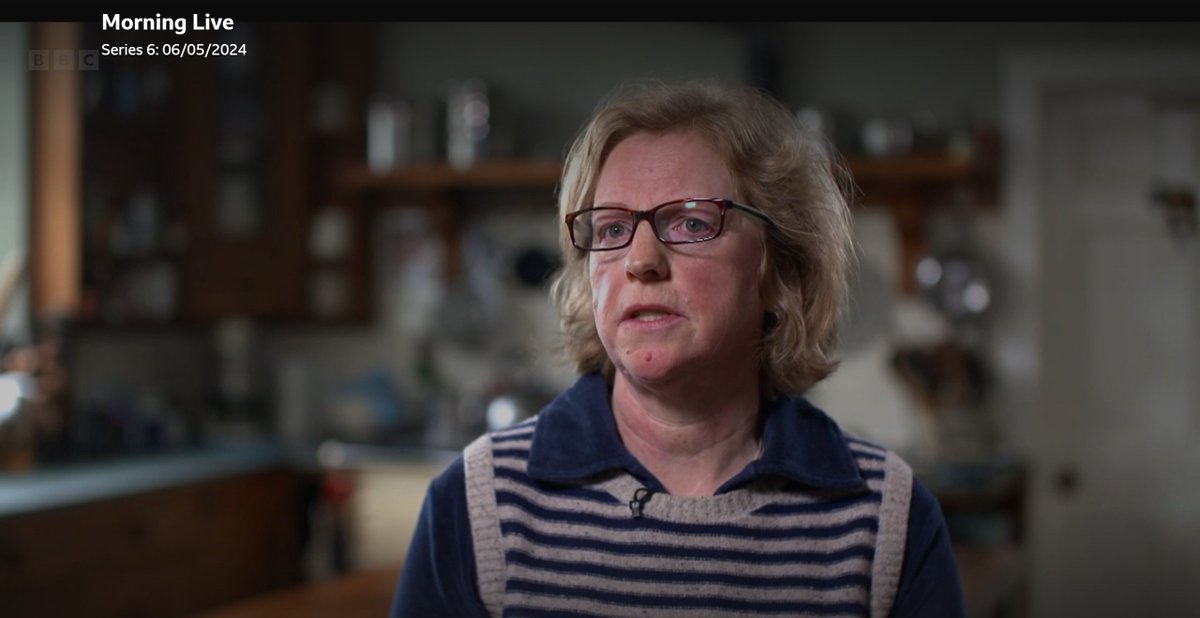
Having been diagnosed last year and still in the treatment phase, it's great to see this being talked about on the BBC.
If it wasn't for my GP testing my ferritin levels, after presenting with a variety of symptoms, I could've been in a much worse position.
Today BBC Morning Live featured #TeamIronOverload with our patron Stephen McGann, CEO Neil McClements & member Lorna.
"There's one condition that's going under the radar...#haemochromatosis"
Watch online : https://t.co/pXN2Ucl2k8 (starts at 4'35 secs)
#EarlyDiagnosisSavesLives
Out for a wander with the dog this morning only to see a mink.
Didn't seem particularly bothered I was there either.
#cadderbridge#Bishopbriggs#mink
(excuse the shoddy camera work, I was multitasking)
Congratulations to ERS’ Nik Johnson on completing the CIWM Level 4 Medium Risk Operator, Competence for #ContaminatedLand qualification 👏.
Nik is 1 of 5 at ERS with a WAMITAB certificate, ensuring ERS can address our clients’ #soil and #groundwater#remediation needs.
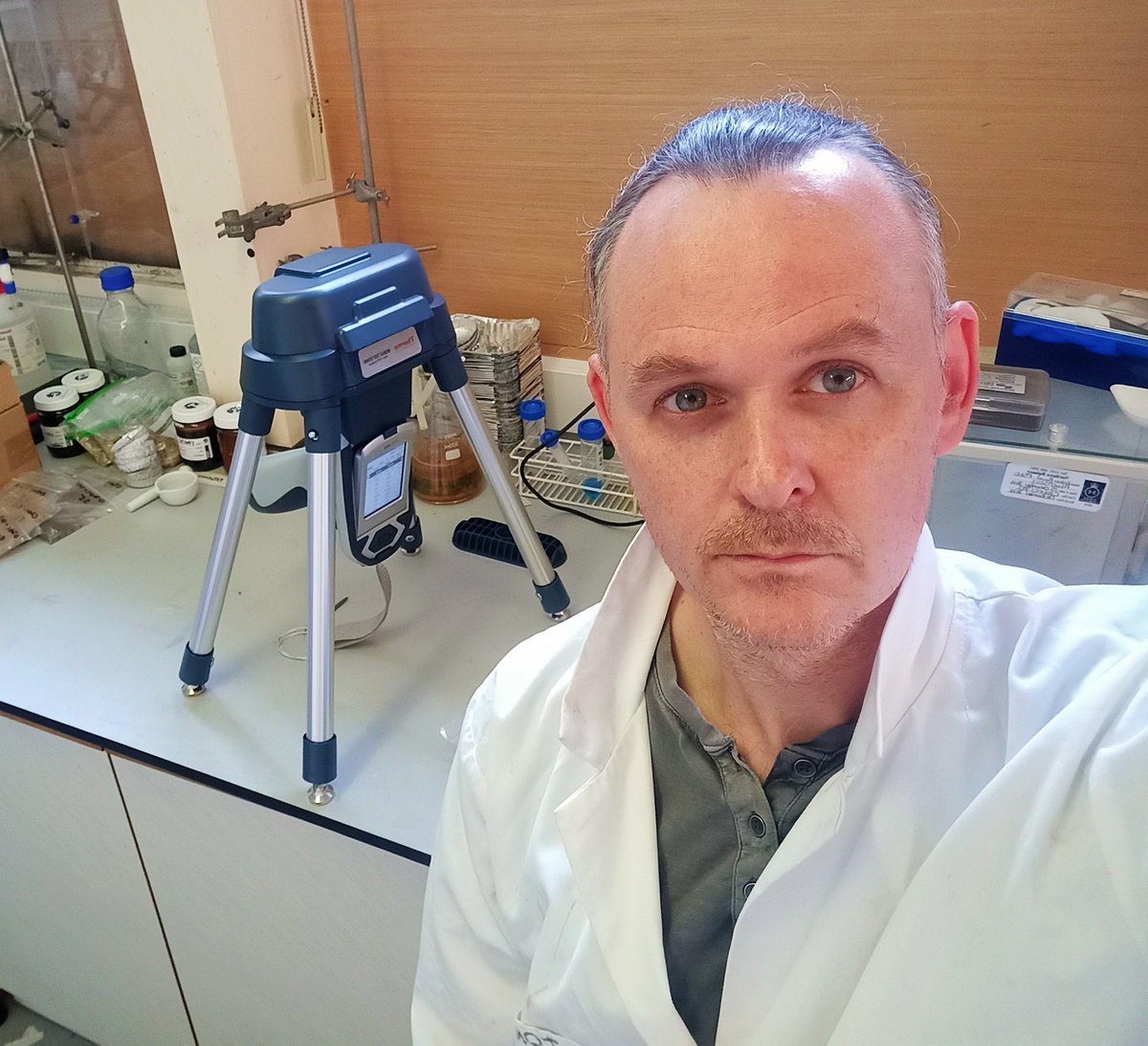
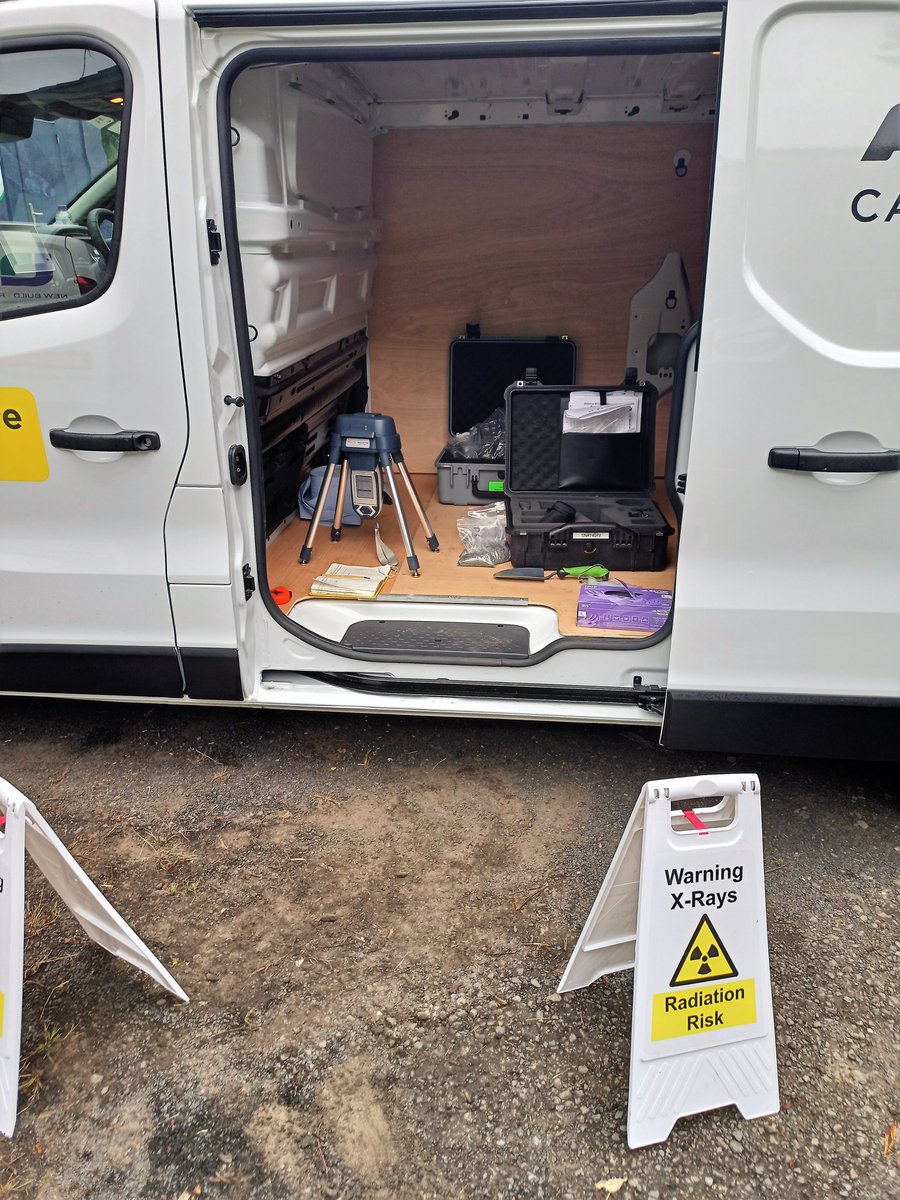
Here is ERS’ Technical Specialist @Nik_Johnson_ in our in-house #treatabilitylaboratory using the portable #XRF and test stand characterising samples for treatment trials for arsenic contamination. Samples were taken from areas identified by #siteinvestigation work (1/2)
pXRF allows rapid decisions to be made onsite to direct locations of exploratory positions. Often not achievable with site investigation techniques that are informed by historic and anecdotal information.
1. Roll back a couple of weeks and there's me, in the lab, with my trusty pXRF, analysing soils for metals (mostly arsenic) characterisation prior to selection for treatment trials.
Just a reminder, we are currently looking for a full time Graduate Earth Scientist/Geologist to assist with our growing site investigation workload. If you know a recent graduate, please share this with them. Visit our website for more details 👉 https://t.co/e1H93SXaxw
#hiring
We're #Hiring!! ERS is #recruiting a full time #GraduateGeologist to assist with our growing #siteinvestigation workload. If you're a recent #Geology graduate and you're interested in working for us, visit our website for more details and how to apply 👉 https://t.co/e1H93SXaxw
Sometimes you stumble across some things that are particularly interesting. This explanation of how GPS works is great, from the basics of positioning to simplifying the more complex systems we use daily. A lot of work has gone in to this and it's much appreciated!
Further to our #Bioremediation social media series, we've combined our Technical Team's knowledge into a blog post on it's use as a low-cost, sustainable remediation method, and how things like nutrients, water and temperature can affect remediation rates https://t.co/EwtcBdzxML
Congratulations to @ChristinaMakri on getting her first paper accepted in the journal Environmental Science and Pollution Research 👏
Read the article here: https://t.co/AOpSQFBAeZ