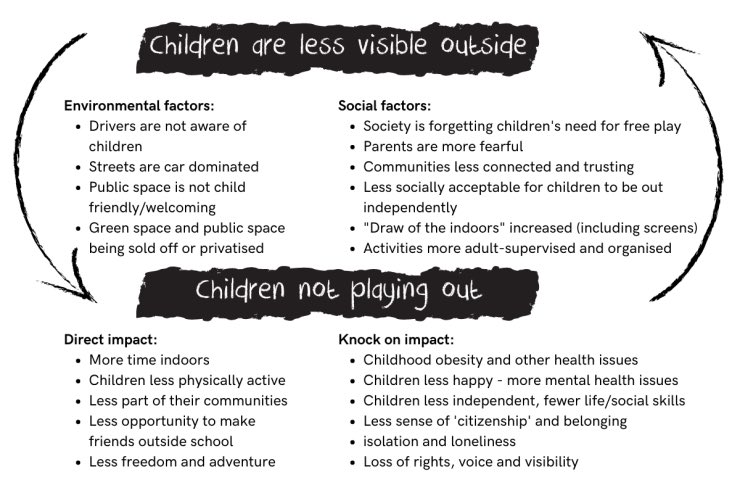
‘The importance of risky play (& the 17-second rule)’ - @ActiveForLife
https://t.co/to03E53mZA
Risky play is any type of play that is exciting and challenging, that might involve some risk-taking or chance of injury. It’s the type of play that tests a child’s limits and challenges ours (adults).
When children push themselves during unstructured play to climb higher, run faster, or engage in other forms of risky play, they learn about their own limits (which makes their play safer in the long run!), how to problem-solve, and how to make decisions.
They become more brave, more inquisitive, and more creative. And when they know they can push the limits of how they play, they tend to become less bored with the exhilaration of challenging themselves and overcoming their worries of “What might happen if . . .”
When a child senses that their parent/caregiver is anxious, it sometimes makes them worried too. So how do we convey our confidence in children and give them the space and time to “figure it out?”. . . The 17-second rule.
Instead of jumping in at the first sign of a child doing something that makes you worried during free play, step back. Breathe. Count to 17. And watch . . . 👀
In those 17 seconds, we’re giving children the chance to problem-solve and think about their next step. We’re also showing children that we are confident in them.
The 17-second rule will grow our confidence in children and their confidence in themselves, which is a positive step forward for their well-being now and in the future.
🏫🚸🌿🍁🍂🪵 🚲 🛴 🛹🛼 🛝 🏃🏼♂️🏃🏼♀️🏃🏾👩🦽🚴🏿🚏🚶🏻🤸🏾♂️🤸🏼♂️🌳🏘️
#PlaySufficiency #FreePlay #RiskyPlay #PhysicalLiteracy #PhysicalActivity #Leisure #Sport #ActiveTravel #PlayStreet #SchoolStreets #StreetPlay #HomeZones #Playces #Splace #Playgrounds #Parks #FreerangeUrbanNeighbourhoods #FUN #KnowBallGames #UNCRC #Article31
Children’s increased access to online space and their loss of access to real, outdoor space are two sides of the same coin. Both caused by an appalling neglect of children’s needs, both feeding into each other, both doing huge harm to children.
It's #WorldKidneyDay! I never thought I would share my story, as it feels less altruistic to share, but since sharing I've had many people ask me about donation. So today, Jessie, Kim, and I encourage you to consider donation! #shareyourspare@UHNTransplant@ArmandoJLorenzo
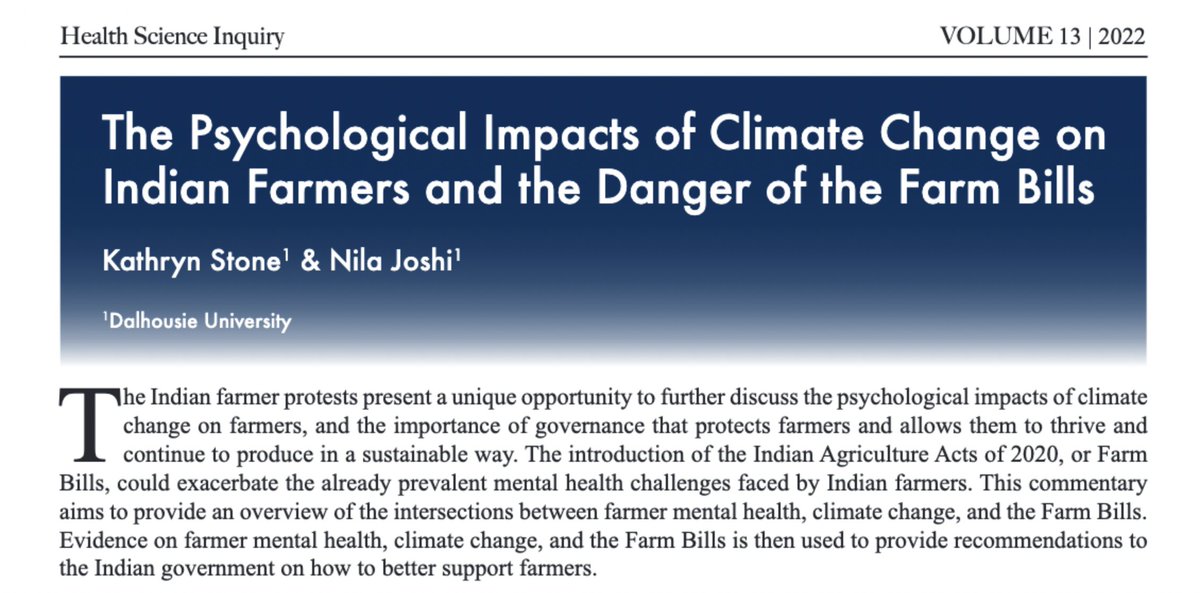
Farmers are hit hard by climate change worldwide and need support. No farmers, no food!
Big shout out to @NilaJoshi22 's dad for helping us understand and unpack the implications of the Indian Agricultural Acts of 2020 👏
https://t.co/dk4JhjGBXg
"Based on the severe health and human rights implications of immigration detention, the public health evidence is clear — it is time to end immigrant detention once and for all" So proud of @EmmaStirlingCam and all the work she is doing!
“Indigenous people make up about 5% of the world’s population, but protect over 80% of the world’s biodiversity, so land defence is something that we need to talk about more"
What a great piece highlighting the brilliant work of @Kathrynmstone. So grateful to learn from u!
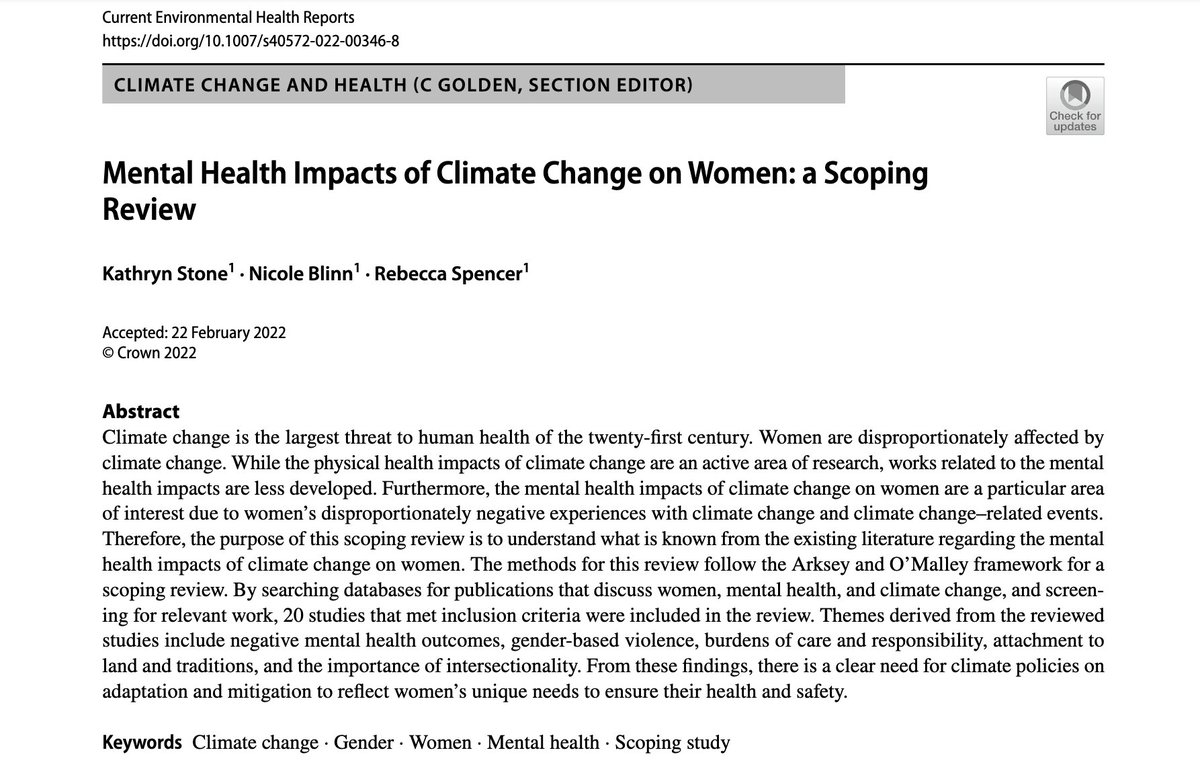
📢Forgot to come in hot w a pub alert! 📢 Big thank you to @SpencerBeckyAnn and @itsnicnow_ for lots of guidance and assistance on this one.
A scoping review on the impacts of climate change on women's mental health 🌍🧠https://t.co/xx3atuwxSk
Such important research being done by @EmmaStirlingCam. This article highlights the findings from two of her published studies on newcomer women’s health!
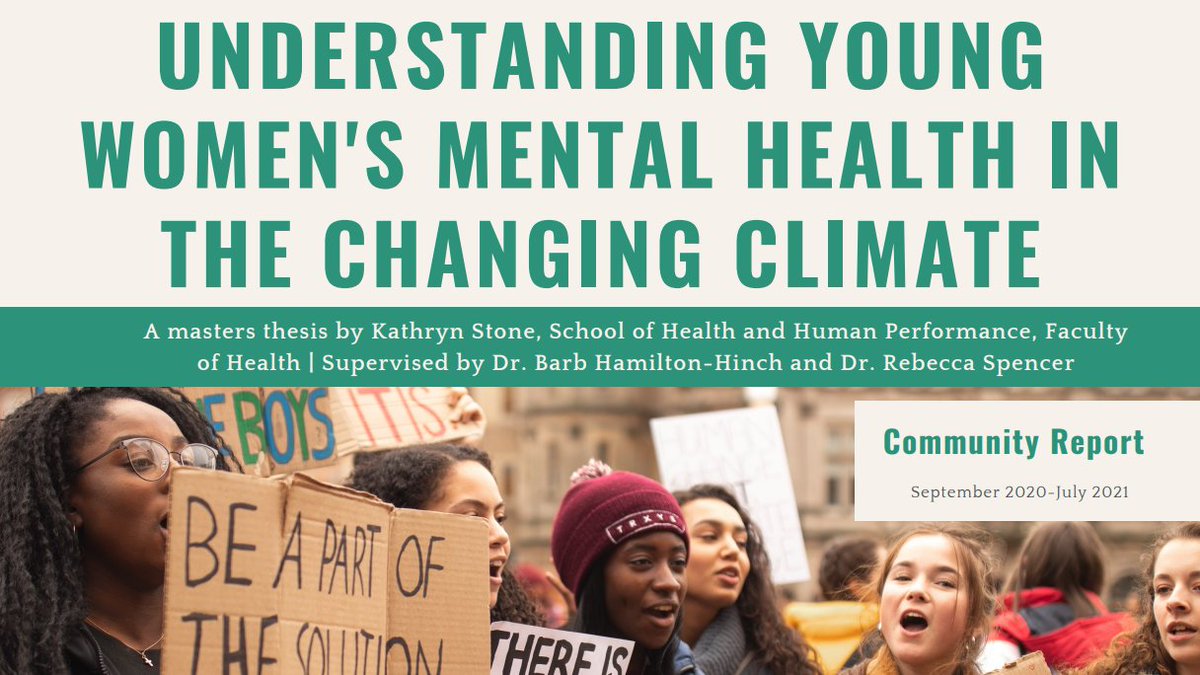
Don't want to read my 100 page thesis? Me neither! But if you're interested in the social, mental, and gendered implications of our changing climate, this short research summary + exhaustive list of recommendations might be for you ➡️ https://t.co/eOX3G0D2EY 🧠🌿🌍