New @UBC study:
💪 15-min exercise bursts
⚡ + 1-day brain stimulation (iTBS)
= faster recovery from depression
Help fund this innovative trial - donate now ➡️ https://t.co/JcNCuvEYnt
Now, we want to take a community-based approach to get this project going. We are giving crowdfundraising a try! Every gift brings us closer to better, more accessible depression treatments.
#Exercise#TMS@VCHRI@UBC_Psychiatry@UBC@UBCKin@UBCKinAlum https://t.co/kwN9BkIkvS
Want to hear the coolest thing we are working on? We’re launching a groundbreaking UBC pilot study to speed up recovery from depression!
Boosting Depression Recovery with Exercise + Brain Stimulation - Crowdfundraising UBC https://t.co/kwN9BkIkvS
Our approach combines short bursts of physical activity (“snacks”) with a single day of accelerated brain stimulation (bursts of stimulation too!). We believe this combination can prime the brain for faster, stronger results.
#Exercise + #TMS https://t.co/kwN9BkIkvS
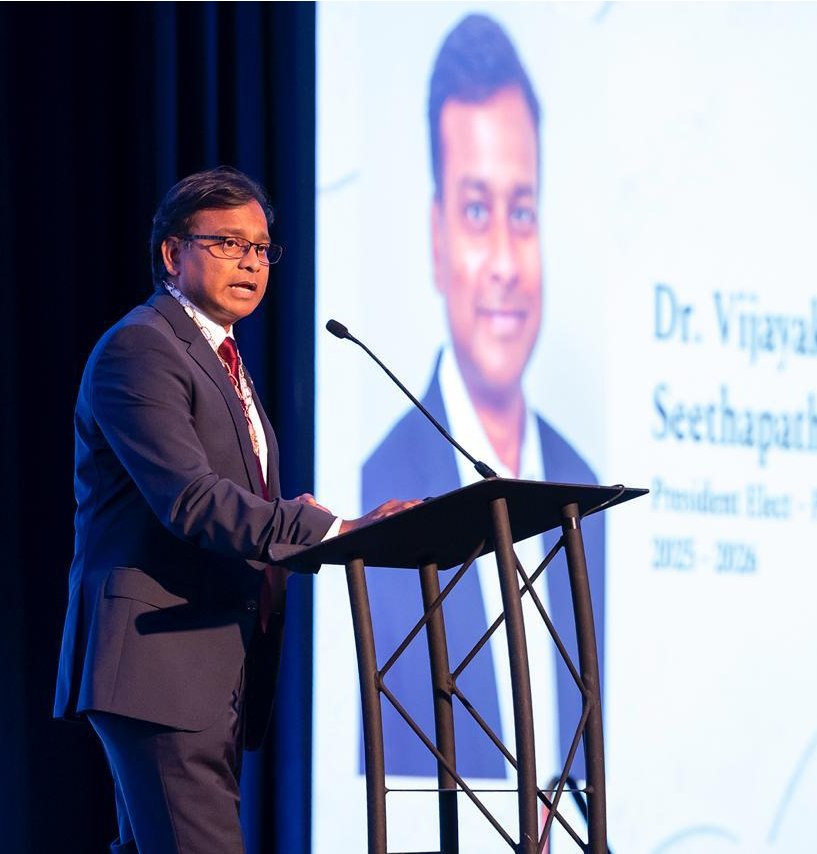
Join us in congratulating @UBC_Psychiatry's Clinical Assoc. Prof Dr. Vijay Seethapathy appointment as @CPA_APC president for the 2025-2026 term! 📢
https://t.co/gUDTWCFjuv
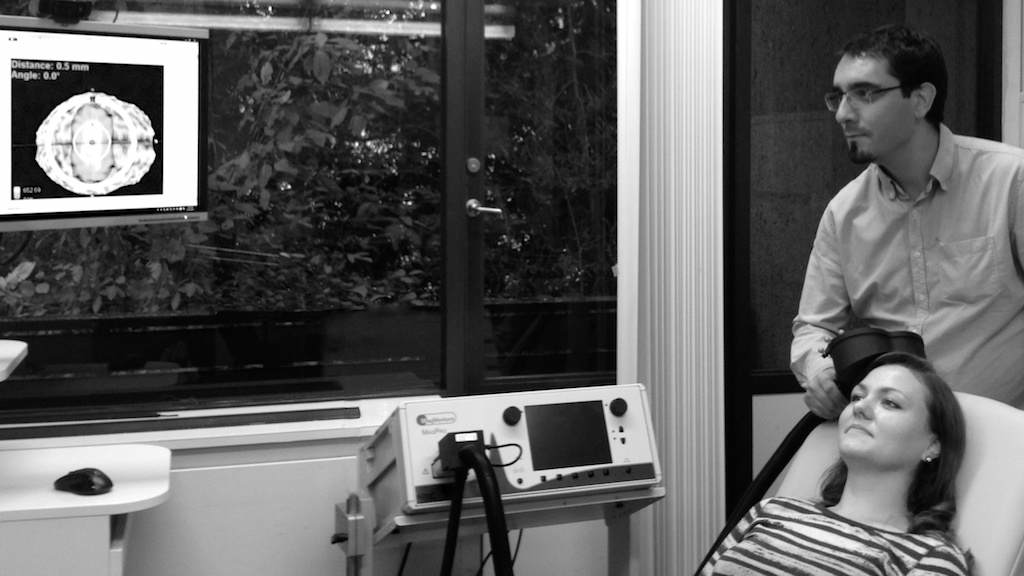
The @NinetLab & @UBC_Psychiatry are pleased to announce a 3-day CPD-accredited course providing psychiatrists with practical & theoretical training in repetitive transcranial magnetic stimulation (rTMS) https://t.co/15bk6FXaxJ
New infographic from the lab, providing a visual abstract of a paper where we showed that #TMS may improve cognitive dysfunction in the context of #depression
https://t.co/Fu1Z5kScWO
New infographic on the ability of #TMS to modulate the autonomic nervous system as a mechanism to treat #depression.
thanks to Michael Smith Health Research Foundation for their support.
https://t.co/vtH7ejTHYH
We measured brain activity with fMRI in people who were about to receive rTMS for depression by doing their very first treatment inside the scanner! The way the brain reacted during that first time was linked to their improvement in a full course of rTMS
https://t.co/HHzkUMIBdU
When treatments don't work to treat depression, it often indicates a more severe illness. In this infographic, we present a study showing a relationship between number of treatments tried and reduced chances of remission with rTMS.
https://t.co/Si39I8h17H
Does handedness matter when considering #rTMS for #depression? Prior research indicated that perhaps left-handed people might improve more with rTMS. However, research suggests that left and right-handed people improve equally from rTMS
@MoodDisordersCa
https://t.co/04y2DfnBII
Developing a robust framework for training in Interventional Brain Medicine is of the essence. Here we present an infographic summarizing work developing a competency-based framework for psychiatry residents.
A #KT project; 🙏 #MSHRBC
https://t.co/72tPUfBnuH
New infographic from the talented team in the lab working on this #Knowledge Translation project. This week: "Who is most likely to benefit from #rTMS?"
https://t.co/80EltwkUgM
On the whole, the brains of older individuals were less excitable than the brains of younger individuals. It's no secret that our #brain changes as we get older, but this phenomenon is not well-understood. KT-infographic
https://t.co/b5SaeBdfqO
New research from the CARTBIND Trial, exploring the relationship between sleep and outcomes in #depression. Worse sleep before #rTMS was associated with worse outcomes. Open access to the paper here: https://t.co/Q4ZIHRhPOY
Infographic: on accelerated MST; delivered daily for 6 days to people struggling with severe depression. Most people improved, and there were few cognitive side effects. First study to explore giving MST rapidly to improve depression. @VCHResearch
https://t.co/8UWQsWExDi