Over the next couple of years, I plan to study #1000mastergames. My goal is to not get lost in the deep dark forest of myriad variations or spend time in the rabbit hole of opening theory. Instead, I will attempt to present instructive moments with 1-2 key takeaways #chesspunks
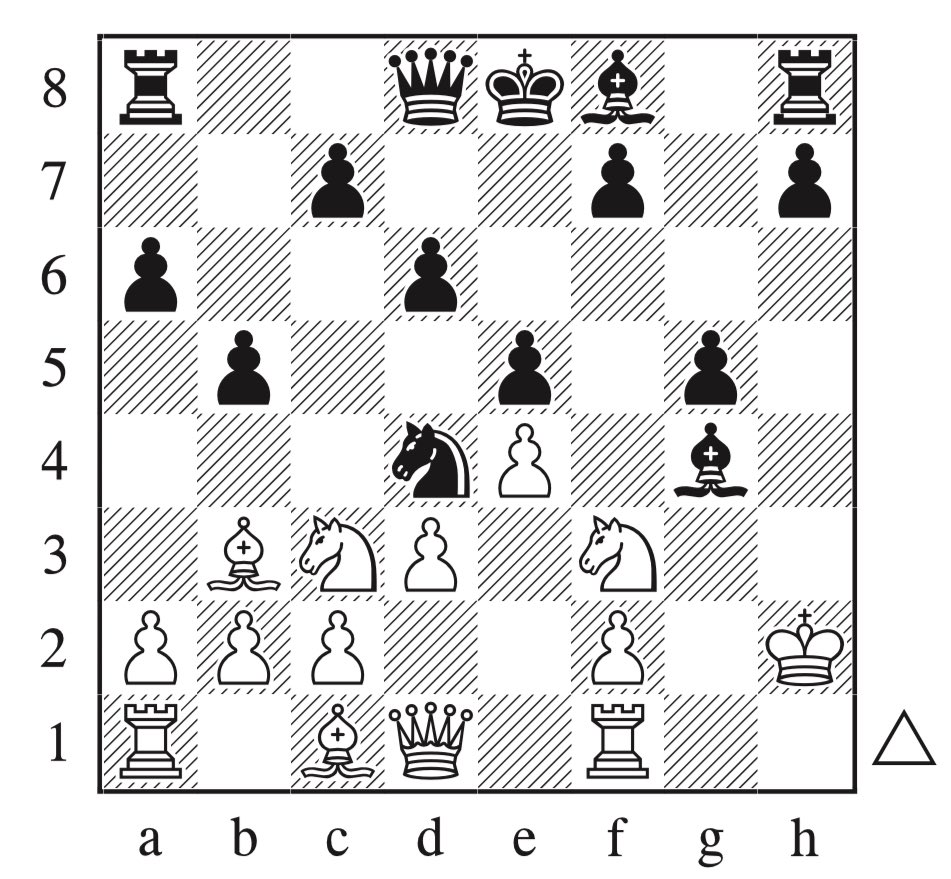
Game 1 of #1000mastergames: Mikhail Botvinnik vs Gyorgy Szilagyi
Amsterdam, 1966. What did White play in this position?
Hint: Don’t look for a brilliant combination that wins material. This one is about control of key squares. #chesspunks
@Bennyficial1 Can’t say enough good things about the latest @Bennyficial1 pod featuring @MihailMarin3. Marin is a delight to listen to …so many riveting tales from the bygone days featuring Alekhine, Korchnoi, Tal, Spassky, Geler, Larsen, Fischer, Simagin, Keres, Karpov, Polgar, Steinitz etc.
Were you able to win this Maghsoodloo-Carlsen endgame from today's #TataSteelChess? If not, check out our 'basic rook endgames' study! https://t.co/HtHRa46Qiv
Endgame skills are always important, so knowing how to play a Lucena can be the difference between a draw, or a win!
In Amsterdam, not very far from #WilkAanZee, former Dutch champion Rudolf Roman (White) reached this position against Emanuel Lasker in 1889. He didn’t find the best move and lost after 22 moves. Can you find the best continuation? #chesspunks
It’s 1882. Blackburn is playing Steinitz in Vienna. What did Blackburn (White) play here? This is a very instructive motif for beginners like me. #chesspunks#steinitz
@MichielAbeln@Bennyficial1@tatasteelchess Really enjoyed the bonus podcast. Caruana offering a draw later to Rapport when his positioned had improved was really a “classy” act to quote @Bennyficial1. Look forward to the next dispatch from Wilk Aan Zee.