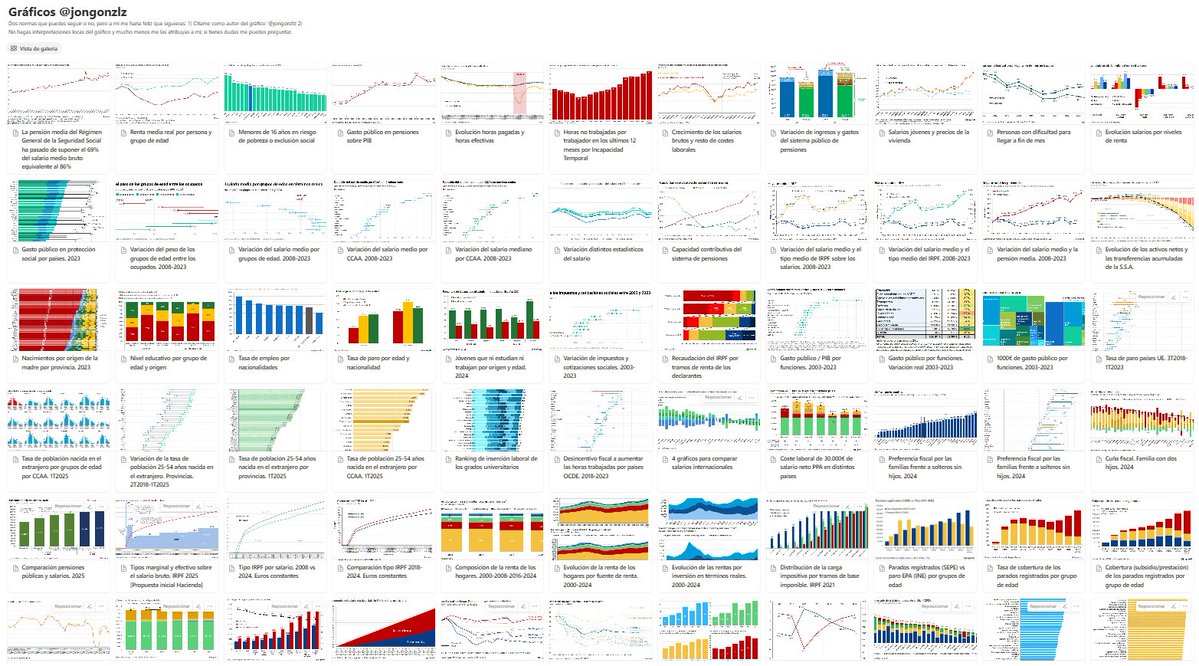
Este post de apoyo a @Jongonzlz está escrito y publicado conjuntamente con @lugaricano.
El sistema público de pensiones contributivas en España se encuentra en una situación muy complicada.
El sistema actual ofrece a los cotizantes una rentabilidad real implícita anual del 3,63 %. Dado el crecimiento de los cotizantes y de la productividad en España, esta tasa está al menos dos puntos porcentuales por encima de la que garantiza la sostenibilidad del sistema a largo plazo. De manera más sencilla: el valor presente descontado de las pensiones contributivas es aproximadamente un 60 % mayor que el valor presente descontado de las cotizaciones. Los jubilados contributivos en España están recibiendo mucho más de lo que pagaron.
Esta rentabilidad excesiva ha generado un problema fundamental: un déficit del sistema contributivo de unos 61.000 millones de euros (el de verdad, no el de las cuentas del Gran Capitán que incluyen las transferencias del Estado) y que no deja de crecer. Este déficit genera presiones sobre las cuentas públicas que limitan la capacidad de las administraciones públicas para implementar muchas políticas necesarias, desde la educación hasta la infraestructura. Y desde el punto de vista de la equidad intergeneracional, esta rentabilidad excesiva nos ha colocado en la paradójica situación de que las personas de 65 a 85 años tienen la renta disponible más alta de todos los grupos de edad en España.
El sistema necesita una reforma profunda. Por ejemplo, es clave reintroducir un factor de sostenibilidad en el valor de las pensiones que considere el crecimiento de los cotizantes, la productividad y la esperanza de vida. Muchas economías avanzadas han introducido estos factores e incluso España avanzó en esa dirección hasta la reforma Escrivá de 2021-2023.
Jon González, @Jongonzlz, de manera casi solitaria, ha acometido una labor impagable de documentar esta situación (y otros temas clave de nuestra economía), y ha conseguido poner a la sociedad frente al espejo de la insostenibilidad de la situación actual.
Desgraciadamente, el sistema político no tiene ninguna gana de enfrentarse a este problema. La edad mediana del votante español está en torno a los 51 años. Uno de cada tres electores tiene 60 años o más; uno de cada cuatro ha cumplido 65 años. Si se suman a los 15 millones de inactivos en edad de votar los casi 3 millones de empleados públicos, el resultado es que más de la mitad del censo electoral residente en España vive de una transferencia o de una nómina pagada con impuestos. La aritmética básica de cualquier elección en España descansa, por tanto, sobre un electorado en el que la minoría la constituyen los asalariados del sector privado en edad activa.
Pedir a un partido con vocación de gobierno que recorte la rentabilidad implícita de las pensiones contributivas es pedirle que confronte directamente a su votante mediano. Ningún sistema político hace eso voluntariamente y el español no es la excepción.
Por eso, en lugar de hablar de números, se busca descalificar al mensajero. Desafortunadamente, las narrativas maniqueas de buenos y malos—si eres bueno, prefieres pensiones altas; si no eres malo o estás a sueldo de los malos, tienen éxito en España porque nuestra conversación nacional se centra siempre en la “justicia” o la “moralidad” y nunca en los números.
Es normal: somos un país con poca tradición de análisis riguroso y, menos aún, de análisis basado en los números. “Mi abuela merece una pensión más alta” siempre es más fácil de explicar que “la rentabilidad real implícita del sistema está por encima de lo que nos podemos permitir”, y, además, le coloca a uno en el “lado bueno”: el de los que quieren dar más dinero, no menos, como los malvados economistas.
Pero lo realmente preocupante no es que se intente descalificar al mensajero en lugar de analizar sus argumentos. Lo que se busca es poner en riesgo su situación profesional. Ante las órdenes de la Moncloa, cualquier trabajo en España es precario. Nosotros mismos lo experimentamos en carne propia cuando, en 2012, se nos despidió de FEDEA, una fundación con la que colaborábamos, por orden directa y explícita de Moncloa.
Ya no es una cuestión de si uno está de acuerdo o no con Jon. Es algo mucho más importante. ¿Se puede analizar la realidad económica de España sin que las jaurías mediáticas busquen tu “cancelación” profesional?
Es este el momento de decir las cosas claras y mostrar nuestro apoyo absoluto y total a Jon. Por eso hemos tomado la decisión inusual de publicar este post simultáneamente.
Jon, te agradecemos profundamente lo que haces.
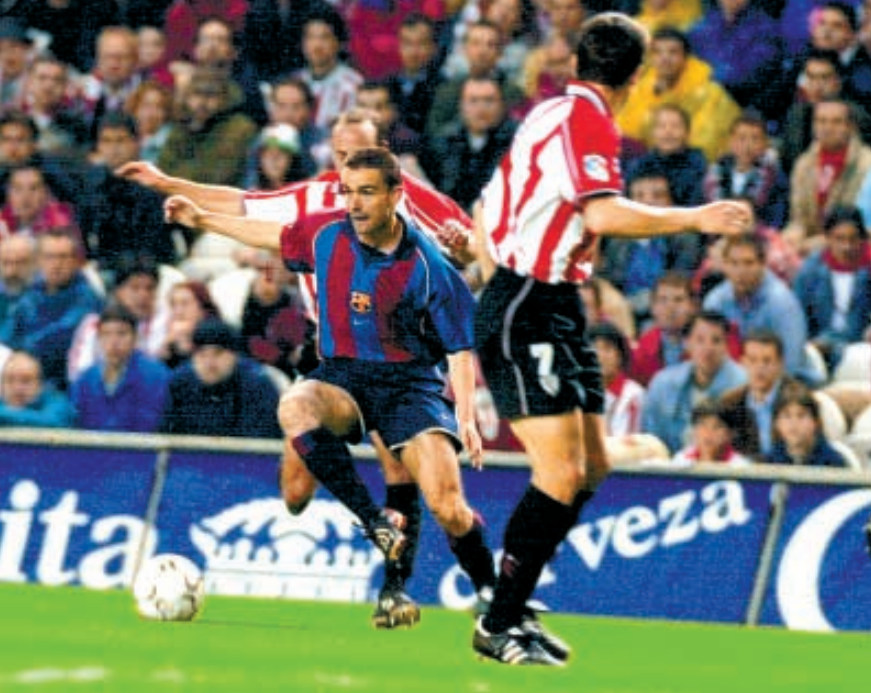
🔵🔴 Avui fa 24 anys, el 06/04/2002, Xavi va substituir Overmars al minut 62 d'un Athletic-Barça
Des d'aquell moment i fins avui, el Barça SEMPRE ha tingut, com a mínim, un jugador de la Masia damunt la gespa. En tots els minuts de tots els partits (1.398 partits)
Dada bèstia, si m'ho pregunteu
Cheesy, but for Jews to go from the Holocaust to hunting antisemites with fighter jets in 80 years is awe inspiring.
I refuse to be shamed into not celebrating this achievement.
Outstanding Early Look By Drago Malesevic @Hedgeye this morning.
"A permanent political class, captured by corporate lobbies and driven by short-term thinking, systematically trades the welfare of future generations for its own enrichment. [...] We've seen this play out predictably: systematic deindustrialization in service of capital and the financing of the resulting overconsumption through massive sovereign debt issuance. [...] What remains unresolved is the exact form of the inevitable clearing event: monetary, kinetic, or some combination of the two."
My favorite Buffett stat is that Berkshire stock could drop 99% and he still would have outperformed the S&P 500 since he took over.
Enjoy retirement.
Nadie mata rusos por Ucrania. Nadie lincha turcos por el genocidio armenio que no reconocen ni por los kurdos que exterminan ahora
Nadie caza chinos por los uigures, ni sirios por los drusos Pero a los judíos se los persigue y asesina “por Gaza”.
No es protesta. Es antisemitismo
Since day one, Jewish blood was cheap and treated as if it were worth nothing. Jews were the easy target, blame, punchbag, and go-to victim. Whoever felt like it, from the drunk peasant in a European village to church officials, kings, and rulers, spilled Jewish blood without even batting an eye. Pogroms, burnings, lynchings, take your pick. For centuries, it was open season on the Jews.
And why? Because no one cared. There was no one to answer to. Jews did not have a state, an army, and a voice. They were at the mercy of whoever held power that day. It did not matter whether it was the mob or a king signing another expulsion order because he woke up in a bad mood. Jews were nothing more than a target.
But I'm here to tell you that Jewish blood is still cheap today.
Not in the medieval sense of mobs with torches roaming European villages, but in a modern, sanitized way. Today it happens on podcasts, social media, and television shows. Jews are accused daily for everything under the sun. Wars, politics, money, media, culture. Somehow it all leads back to the Jews. It's being said behind microphones and studio lights. But the result is the same. It normalizes blame. And it turns Jews into a problem again.
And history shows exactly where that road leads.
That is why everything changed, and it changed for two reasons: the Holocaust and Israel.
The Holocaust was one of the most horrific and unimaginable atrocities in human history. It left the world so raw that even those who had spent centuries crushing Jews had to step back. It was too dark and too vile, even for those who once found pogroms and expulsions amusing. The Holocaust acted like a mirror, and it forced the world to confront its own brutality.
But even something as massive and horrific as the industrial slaughter of over six million Jews, has an expiration date in people’s minds. Over time, people forget. The world gets distracted, the survivors die off, and the lessons begin to fade. The old antisemitism starts creeping back through the cracks.
That is where Israel comes in.
Israel is the one that will never let that happen again. Daring, audacious beyond belief, and unapologetic, this is Israel. It is the only country in the world that has no dilemma whatsoever about doing what it needs to do, whatever and wherever that may be, to protect the Jewish people. No questions asked. No permission sought. No limits.
Israel will bomb, raid, bulldoze, and defend its people to the last man because no one else will. And that audacity, that unrelenting fire, is precisely why Israel is so hated. The people who miss the days when Jews were weak, defenseless, and easy to oppress are the same ones raging against Israel behind a newly found “humanitarian” mask.
They hide their hate behind claims of “human rights” and “justice,” but we know what this is. It is the same hatred that has burned for centuries, just repackaged for a modern age. Deep down, they cannot stand the fact that Jews fight back now. They cannot stand that we refuse to go quietly into the night as we did for so long.
But Israel did more than that. It gave Jews confidence. Even Jews who do not live in Israel, or who may have theological disagreements with the state, are louder and more willing to push back. In the back of their minds, they know that if things ever go south, there is a place they can run to.
So how long do people think it will take before someone in the United States does what just happened in Australia today? How many Jews need to be attacked, beaten, or killed before people stop and say we have gone too far yet again? How many warnings does history need to give before it is ignored for the millionth time?
The Holocaust woke the world up, but Israel is the reason it stays awake. And that is why the hatred is relentless. Israel will not apologize for doing what every other nation would do for its people. And to those who long for the days when Jewish blood was cheap, Israel is their nightmare.
And it is a nightmare that will never go away.