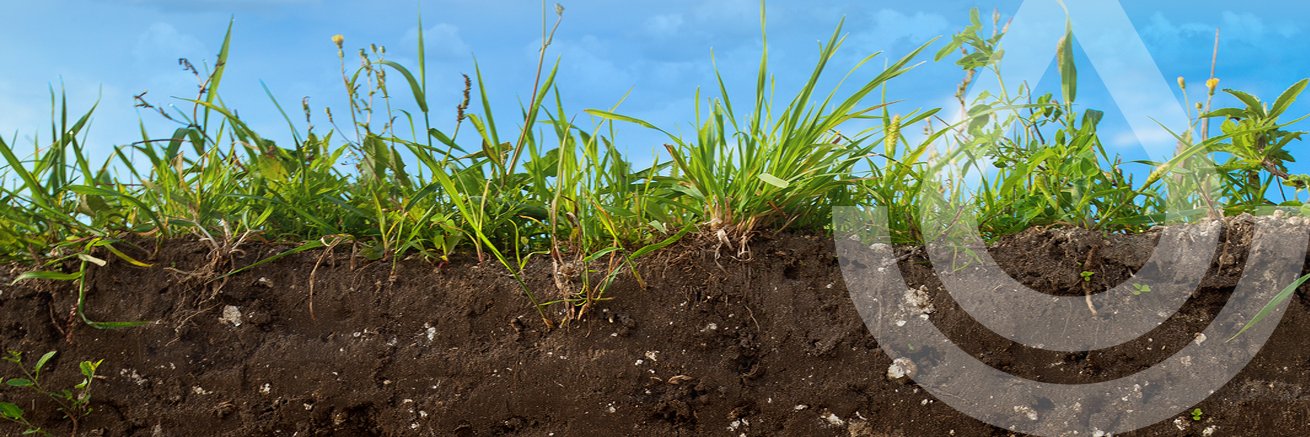
April is National Garden Month, and it all starts with healthy soil. No matter the size of your operation, the same soil health principles make a difference: keep soil covered, reduce disturbance, and keep living roots growing. https://t.co/M1cGSaeGmj
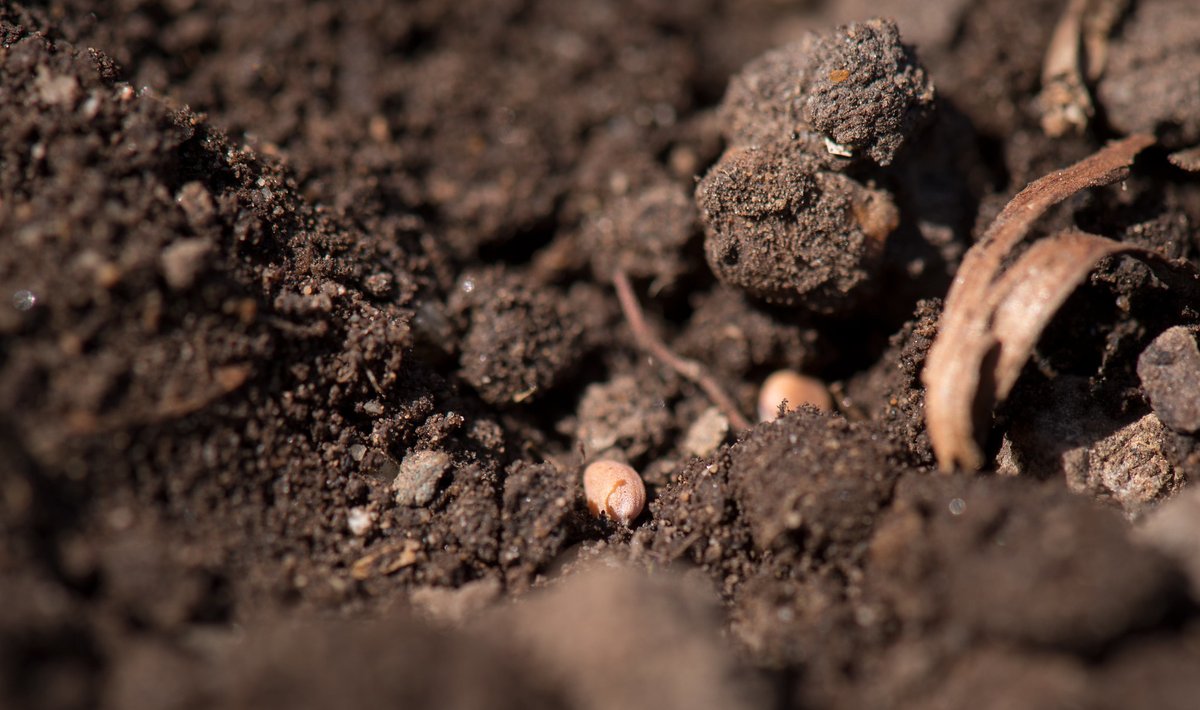
Have you ever seen this happen in your field? Surface crusting can be a sign of aggregate instability or poor soil health. This can happen when soil is over-worked or is left fallow. Some of the best solutions are cover crops and reducing tillage on your fields.
Chief Aubrey J.D. Bettencourt outlines how we're helping producers cut through red tape to plan and implement whole-farm regenerative practices through the new Regenerative Pilot Program. The new pilot program focuses on meeting producers where they are.
Lake Dimock, located 20 minutes south of Mitchell, faced serious challenges in 2019 and 2024 when extreme flooding overwhelmed its auxiliary spillway. To prevent future disasters, NRCS stepped in with our Emergency Watershed Program. https://t.co/llj3vdrJum
Finn Farm Inc. in South Dakota worked with us to address invasive bromegrass. They used chemical suppression and no-till cover crops, and plan to seed the field to permanent vegetation in 2026 using a mix that will enhance the health of the land while improving forage for cattle.
Knowing your soil type is an important part of making land-use and management decisions. The Web Soil Survey is our free tool that can help you identify your soil type and make informed decisions. https://t.co/RnMbuZdXwm
Conservation planners understand each producer has unique challenges to their operations. Comprehensive conservation plans can increase overall effectiveness of the practices because they are implemented more strategically: https://t.co/KkaioLjagZ
@IowaNRCS
The enhanced Rangeland Analysis Platform offers insight into vegetation and production trends on US rangelands, offering users valuable data to better inform land management decisions. https://t.co/v7U94u4h1J
@USDA_ARS@umontana@BLMNational
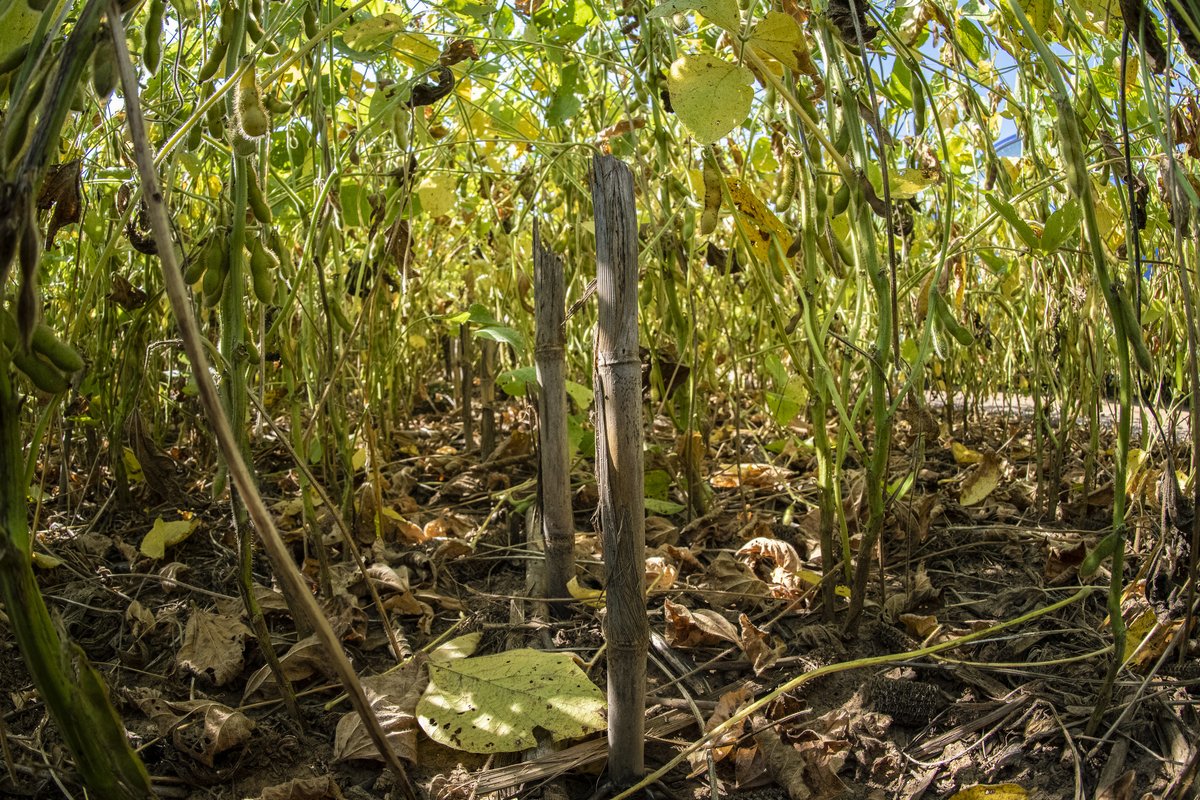
Rotating crops and increasing the biodiversity in your fields can help prevent disease and pest problems. Using cover crops and increasing diversity within crop rotations improves soil health and soil function, reduces costs, and increases profitability. https://t.co/TA6MF7V0tj
European honeybees get a lot of buzz, but native pollinators are estimated to pollinate 75% of flowering plants around the world. Did you know more than 3,500 species of native bees help increase crop yields?
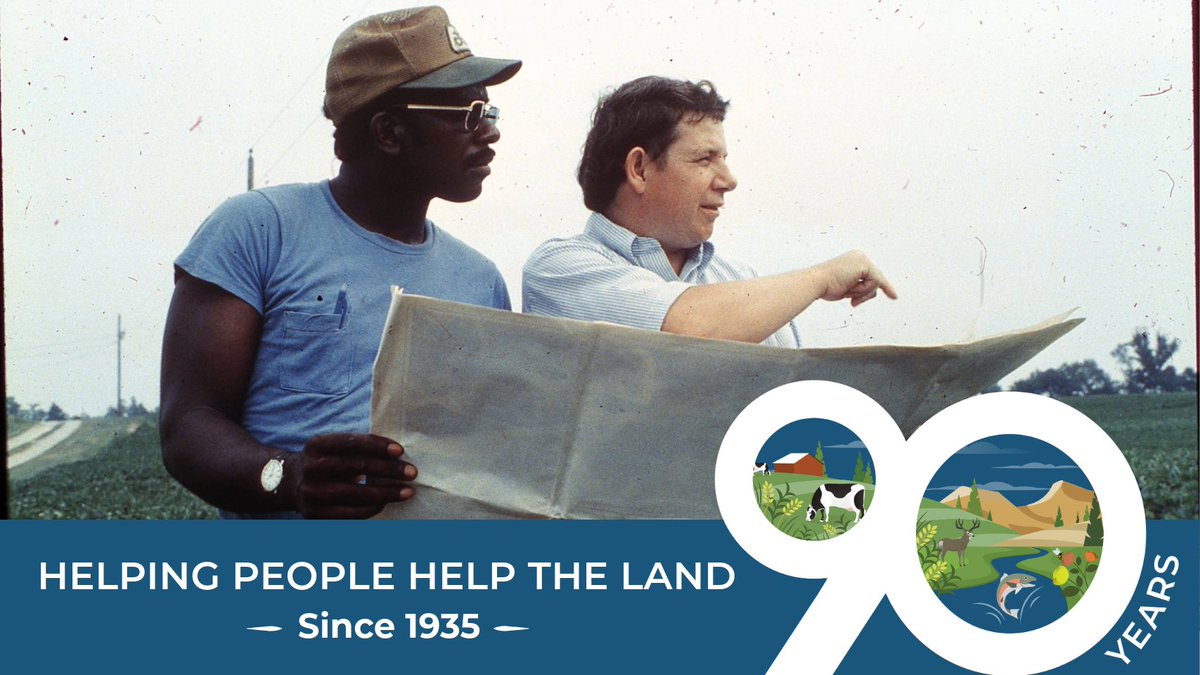
For 90 years, we've been focused on the farmer. Through one-on-one, personalized advice, we work with producers and communities to find the best solutions to meet their unique conservation and business goals. This is a photo of us working with a landowner (on left) in the 80’s.
Grazing land managers nationwide are testing out and investing in virtual fence options that manage livestock distribution and movement without the physical barrier of a traditional fence. Visit us to talk through virtual fence considerations.
Chief Bettencourt is “Dishin’ the Dirt” on how rotational grazing helped a Missouri cow/calf operation improve the health of their animals and pastures. Rotational grazing allows pastures to rest and recover, promoting healthier forage growth, improving soil health and more.
Voluntary conservation has been our guiding principle since our founding. Why? Because it works! We work with you to implement solutions tailored to your operation. No mandates, just science-based assistance. Reach out and see how we can help.
https://t.co/jyL0JOLNox
Whoa there, that’s a lot of wind erosion! If it gets really gusty where you live, remember that the folks at your nearest NRCS office and your local Conservation District staff want to help you keep your soil grounded. https://t.co/FbouSPYloo
📹 Day County Conservation District
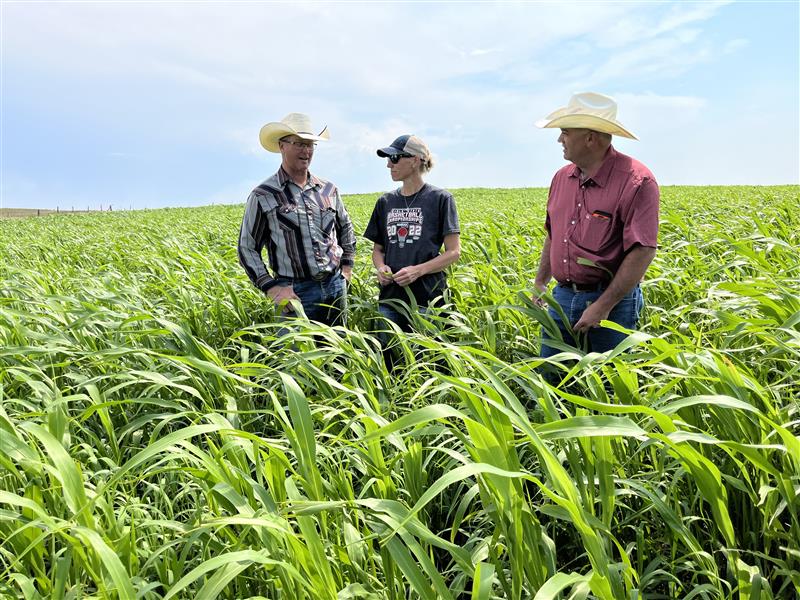
Last week, Associate Chief Aspey visited Ryan, a Garretson, SD producer and participant in our EQIP program. Ryan said, “If it weren’t for the EQIP program, I don’t think I would still be farming.” Check out the sweet soil pit they dug to see Ryan’s cover crop root systems.
Yesterday, we celebrated the Father of Soil Conservation. Born in 1881, Hugh Hammond Bennett’s passion for healthy soil led to the creation of NRCS and a nationwide movement to protect our most valuable resource – our land.
Have you ever been to the Dale Demonstration farm near Huron, SD?!
This farm showcases the following conservation practices-
⚪️Saline and Salty Soil Management
⚪️Grazing Management
⚪️Nutrient Fixation
The @NRCS_SD invites you to visit the farm to learn more!
This week, the ecological threats to our South Dakota grasslands are displayed at the Governor’s Conference on Tourism. Pictured is Lieutenant Governor Rhoden (center), NRCS State Conservationist Tony Sunseri (far right), SDACD, and legislators. #travelsouthdakota
New funding is available through the Urban Agriculture and Innovative Production grants program. Learn more and apply by March 10: https://t.co/e98hFNVe7q