I barely do this but I beg any Ghanaian to read the following write up by Chris-Vincent Agyapong. Bookmark, share etc cos wtf 😳
1/4
“Ghana's NITA Bill 2025: How a Government That Cannot Fix Potholes Wants to Certify Your Keyboard Strokes
There is a particular brand of Ghanaian governance that operates on a simple, well-rehearsed logic: identify the one sector in which ordinary young people, without connections, without family money, without a politician uncle are actually building something for themselves, and then erect a magnificent bureaucratic tollbooth right in the middle of it.
The National Information Technology Authority Bill, 2025 currently making its way through Ghana's legislative machinery with the quiet confidence of a document probably written by a majority of people who have never debugged a line of code in their lives is precisely that tollbooth. It is, in its 105 sections and accompanying Schedule, one of the most breathtaking exercises in regulatory overreach this country has produced in recent memory. And given our regulatory track record, that is genuinely saying something.
The ICT sector is the one industry where a boy from Ashaiman, or, like my friend from Pulima, Aliu Wahab, with a second-hand laptop and a YouTube tutorial, can compete with someone whose father went to Achimota. It is the one space where talent, not tribe; skill, not surname; output, not old-boy network, still carries meaningful weight. It is, bluntly, the only functioning meritocracy left in Ghana's economic life.
And our government, with the NITA Bill 2025 has decided that this is precisely the sector that requires the most elaborate regulatory architecture since the tale of Moses coming down from Sinai with the Ten Commandments.
The Absurdity of Section 46: Certifying Everyone, Everywhere, Always
Let us begin with what is, without competition, the most extraordinary provision in this bill. Section 46(1) states, in plain and unambiguous terms:
"A person shall not be appointed as an ICT professional in a public or private institution unless that person is certified by the Authority."
Read that again. Public or private.
This is not a provision that limits itself to government systems handling national security data. This is not a narrow carve-out for critical infrastructure. This is a provision that means the software developer at a startup in Osu, the data analyst at a logistics firm in Tema, the web designer freelancing from her bedroom in Kumasi, all of them, every single one must first obtain certification from a government authority before they can lawfully be employed.
Who dreamed this up? Under what theory of governance does it make sense for the government of Ghana which cannot consistently process a DVLA licence within six months, which spent years and hundreds of millions on a national identification system that still cannot talk to the health insurance database to position itself as the certifying gatekeeper for an entire profession across the entire economy?
And here is the delicious irony that the framers of this bill seem constitutionally incapable of perceiving: the government's own ICT record is the single most compelling argument against giving it certification authority over anyone. You do not hand the keys of the wine cellar to the person who has been drinking the wine.
Politicians: The One Profession That Needs Certification Most, and Gets It Least
Since we are on the subject of certification, let us pause to consider who in this country is not required to demonstrate any competence whatsoever before being handed consequential power over millions of lives.
Continued below
Barely three weeks ago, I published the following piece in French and spoke about how African governments gaslight their youth , promising them that education is the path out of poverty, then creating no job opportunities, and telling them their failure is a result of their laziness.
And today, I stumble on this comment made by Ghanaian MP.
Here’s the translated article:
Growing up in most of our African countries, fundamentally impoverished, means hearing one simple message: to live with dignity and escape poverty, the clear path is education. Not just any type of education: the academic one. Parents invest everything they have: time, money, hope, into their children’s schooling, convinced that it is the key to freedom and the way out of misery.
They sacrifice themselves, pay for private lessons, hire tutors, sometimes at the cost of their own survival, stretching every resource, in the hope that one day this investment will bear fruit. The promise made to the youths is simple: work hard, focus on your studies, and the world will open up to you.
But the world, in these countries, is not built to receive these efforts. Schools are often broken, incapable of functioning properly. Teachers go on strike for lack of pay. Infrastructure crumbles. After years of effort, the child, now an adult, emerges with a diploma in hand.
And then comes the brutal reckoning: no jobs. The market is saturated and these young people sometimes find themselves learning a trade, work once reserved for those who had “failed” at school. The skills once deemed inferior become their only refuge.
This is where the psychological manipulation begins, what is known in English as gaslighting. The system has betrayed them, because the state failed to create the necessary opportunities. It now seeks to make them believe that their failure is personal. They are told, repeatedly, that it is not the government’s job to employ them, that their difficulty finding work is the result of their laziness, lack of creativity and that true success lies in entrepreneurship: they must “create their own opportunities.”
Entrepreneurship, presented as emancipatory, is often nothing but a veil. It conceals a structural failure and transfers the weight of the system’s collapse onto the shoulders of young people who were promised the world if they followed the rules. The narrative is so skillfully crafted that it sounds like wisdom. It urges them to work hard, be self-reliant, take charge of their own lives.
But behind this illusion lies a cruelty that dares not speak its name. The failure is not theirs alone; it belongs equally to the society and to the state itself. We live in a world where injustice hides behind the language of personal development. To survive, young people must carry the weight of a state that cannot or will not support them. Many do so, in silence, believing they have failed when in fact they have simply been betrayed.
The bankruptcy of the state and the betrayal of trust can no longer remain invisible. We must fight for a society where education is not a gamble on hope but a genuine bridge to opportunity, where governments build real pathways for their citizens to prosper, and where young people are no longer blamed for a system that crushes them. One that was never designed to ensure their flourishing.
Farida Bemba Nabourema, A Disillusioned African Citizen!
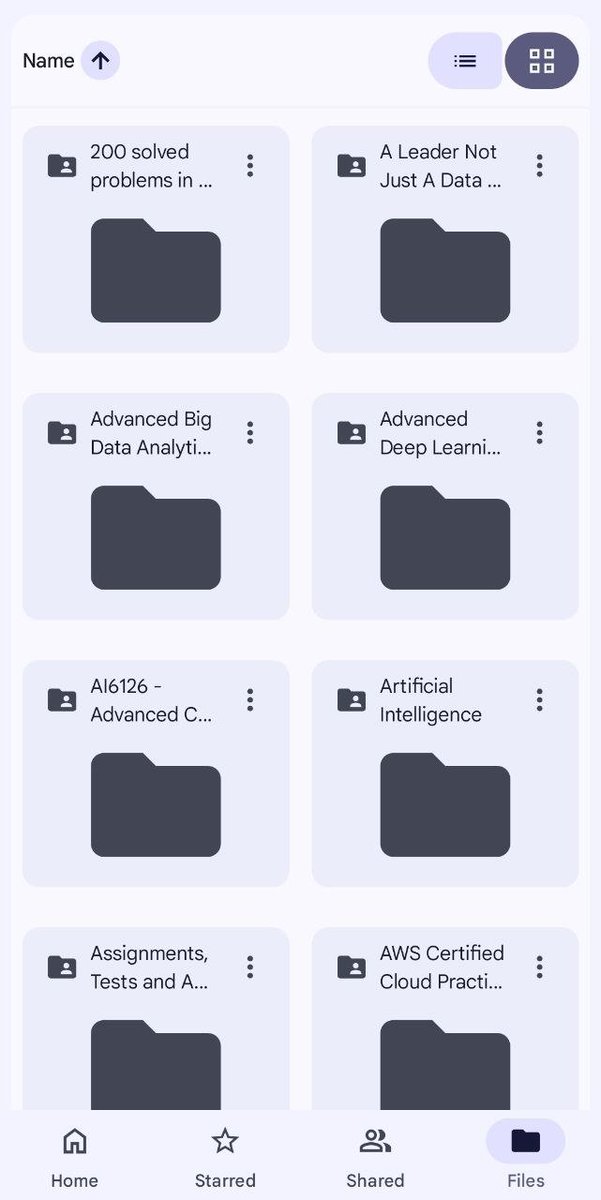
All Paid Courses (Free for First 4500 People)
𝗣𝗮𝗶𝗱 𝗖𝗼𝘂𝗿𝘀𝗲 𝗙𝗥𝗘𝗘 (PART - 1)
1. Artificial Intelligence
2. Machine Learning
3. Cloud Computing
4. Ethical Hacking
5. Data Analytics
6. AWS Certified
7. Data Science
8. BIG DATA
9. Python
10. MBA
(72 Hours only )
To get-
1. Like & Retweet to get DM
2. Reply " All "
A U.S. Army Private First Class, Shamika Burrage, was involved in a car accident in 2016 which resulted in her left ear being torn off.
Surgeons at William Beaumont Army Medical Center in El Paso, Texas, performed an advanced reconstructive procedure instead of leaving her disfigured.
They took cartilage from her ribs and shaped it into a new ear, which was then surgically placed and grown beneath the skin of her forearm for several months.
This technique allowed the ear to develop its own blood vessels, nerves, and soft tissue.
Once the ear was fully grown and viable, it was successfully transplanted back onto her head, restoring both its appearance and sensation.
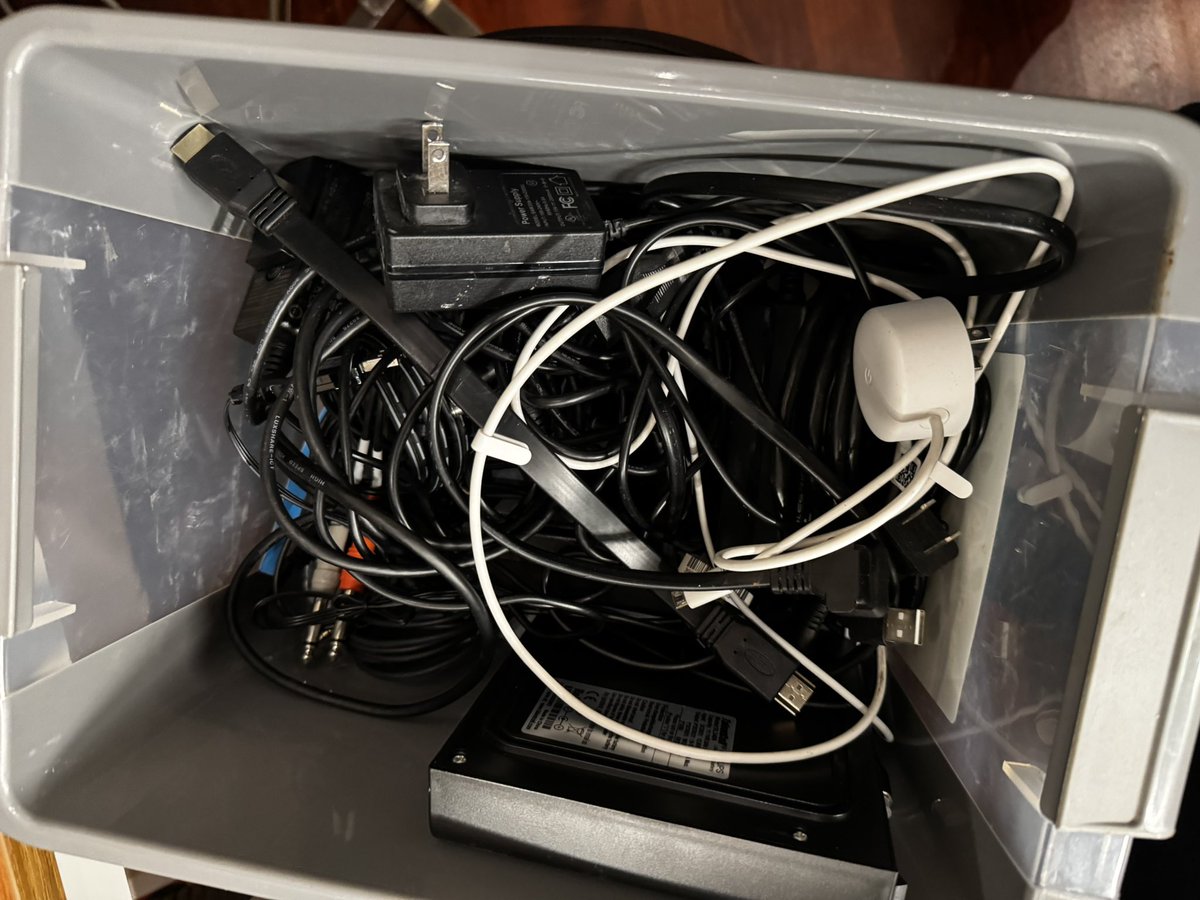
every god-fearing generation of men maintain and uphold The Wire Box, a strategic reserve of technical entropy from which the anonymous will rise up and become the prophesied Chosen Wire in Our Time of Need.