If you’re buying the base or mid variant of any car, don’t waste your money trying to make it look like the top variant. Make it drive like a better car instead.
Here are the upgrades I’d actually recommend:
✅ Horn: Upgrade to a dual-tone horn from Hella or Bosch. It’s louder, clearer and gets noticed in chaotic traffic.
✅ Wiper blades: Replace the stock blades with Bosch Aerotwin, Michelin Stealth Ultra, or Valeo. They wipe cleaner, last longer and are a game changer during the monsoon.
✅ Headlamps: If your car has halogen bulbs, upgrade to premium halogens like Philips X-tremeVision Pro150, Osram Night Breaker Laser, or Philips RacingVision GT200. They improve night visibility without illegal LED conversions.
✅ Tyres: When the factory tyres wear out, switch to better rubber.
Michelin Primacy 4 ST, Continental UC6, Bridgestone Turanza 6, or Yokohama BluEarth-GT AE51 can completely transform ride quality, braking and confidence.
These upgrades won’t bake your car look better but it will surely enhance the driving experience.
Look at how Hyundai has done the interiors of the Bayon.
You don’t need fake wood, big touchscreen (triple) or ambient lights everywhere to make a cabin look good.
The two-tone seats, colour combination, the textures and the overall design. Looks premium.
Koreans really understand how to do interiors tastefully.
A long highway drive is a good reminder of what ADAS can and cannot do.
Adaptive cruise control can reduce workload.
Lane assistance can help on suitable roads.
Automatic emergency braking can provide an extra layer of protection.
But none of them removes the need to watch the road, maintain a safe following distance or anticipate other drivers.
@krishdemons@mynewrainbow Bro roads in India are not designed or built for 120 kph even if they say so. Lots of undulation and expansion joint bumps are on every expressway due to poor workmanship. 100 kph is the safest.
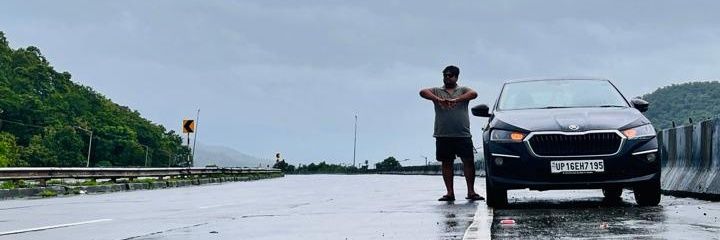
Just wrapped up a 600 km weekend round trip on the expressway.
Hitting a straight 100–120 km/h strip makes you realize very quickly, it’s about predictability and self-sufficiency.
7 real-world rules every driver should follow to survive (and enjoy) long expressway runs:
1. Keep at Least 150 km of Fuel in Reserve
Don't assume fuel stations are every 10–20 km. On new expressways (like Delhi-Mumbai), pump gaps can stretch up to 70–80 km. If a pump is closed, out of stock, or facing a power cut, that reserve tank is your only insurance policy.
2. Never Pass an Operational Rest Stop Expecting a "Better One"
If you need a bathroom break, food, or stretch, take the next available rest area. Expressways are access-controlled deserts; skipping a designated food Plaza hoping for a cleaner eatery in 15 km can turn into a 100 km stretch of nothingness.
3. Treat the Shoulder as a Danger Zone. Not a Parking Bay
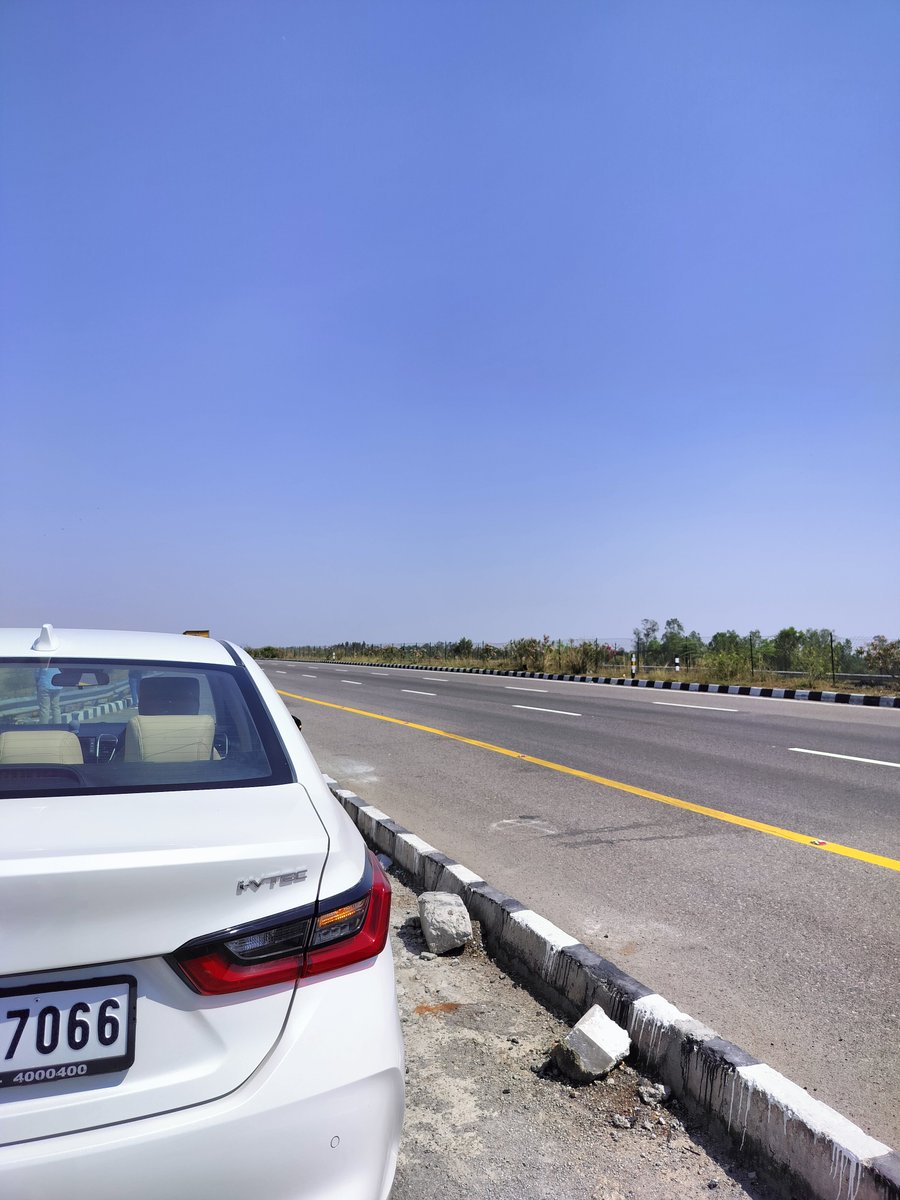
Never stop on the emergency shoulder. Heavy commercial vehicles and distracted drivers at 120 km/h often drift into shoulders. If you must stop, pull off completely into a designated wayside bay or exit ramp.
4. Wipe down Headlights and Windshields at Every Pitstop
Dead insects form a film on your windshield that creates blinding glare against oncoming headlights at night. Clean the glass and light lenses every time you stop for fuel.
5. Stop Camping in the Right Lane
The rightmost lane is strictly for overtaking. Sitting at 85 km/h in the fast lane forces faster traffic to pass from the left, creating blind-spot chaos. Cruise in the middle lane; use right lane only to overtake.
6. The Cold-Tire Pressure Trap
At sustained high speeds, continuous friction spikes tire temperature and internal pressure. Set your cold tire pressures accurately before starting. Under-inflated tires on hot tarmac generate excessive flex and heat; could lead to tyre burst.
7. Indicate 3 Seconds BEFORE You Turn the Wheel
Give traffic behind you time to see your signal, check your mirrors twice (especially the blind spot), and execute a smooth, linear lane change.
Expressways make distance easy, but high-speed momentum leaves zero margin for error.