of PanIN lesions to pancreatic adenocarcinoma. Mechanistically, we found that intracellular P. gingivalis protects cancer cells in hypoxic, nutrient depleted conditions, exactly the scenario in developing pancreatic cancer lesions. More reason to focus on oral health!
Oral bacteria accelerate pancreatic cancer development in mice https://t.co/U4omWGBvcf
Happy to share our recent publication in Gut showing that oral bacteria can promote pancreatic cancer development. Congratulations to the team and collaborators!
We found that P. gingivalis, a bacterium strongly connected to periodontal disease, translocates to the exocrine pancreas in mice where it induces acinar-to-ductal metaplasia. In mice expressing mutant Kras in acinar cells, chronic P. gingivalis administration induces progression
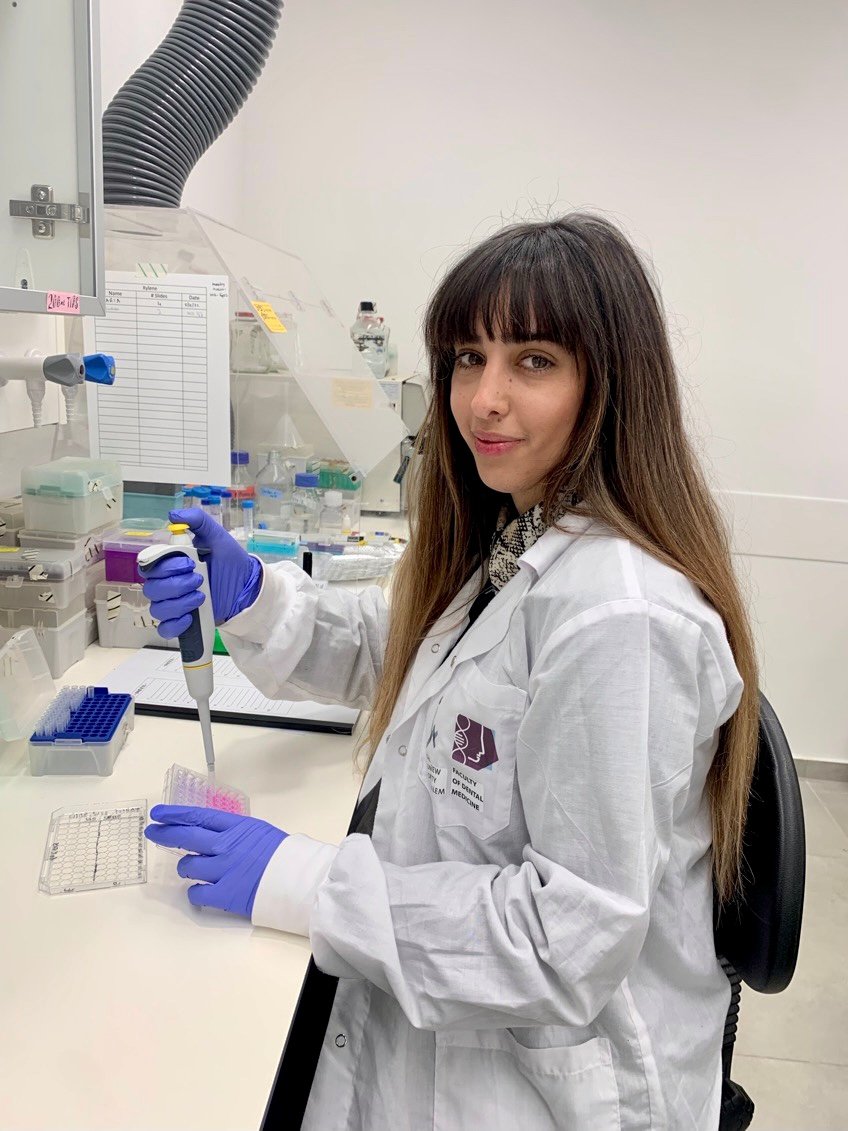
Congratulations to Maria Farhat from Prof Gabe Nussbaum's lab and Yasmin Janet from Prof Avihai Hovav's lab on being selected by the Israeli Chapter of the IADR as our representatives for the upcoming Hatton Prize!
Maria and Yasmin are 2nd cycle Maalot graduates 🎓
Congrats!
Happy to share our new paper in collaboration with Michael Elkin's lab !
Intracellular Porphyromonas gingivalis Promotes the Tumorigenic Behavior of Pancreatic Carcinoma Cells ##mdpicancers via @Cancers_MDPI
https://t.co/pIHEMmcSl8