R&D’s Switchboard powers this F.A.Q.! It uses large language models so that you can ask questions about paying for school and Switchboard will find a relevant answer that’s been written and edited by New York Times journalists:
How much do I have to save?
Why is it so expensive?
When do I submit the FAFSA?
Here are answers to common questions about paying for college. If we haven’t yet covered what you’re looking for, submit your questions here. https://t.co/FJTYkr0nub
We’re also looking for help on short term projects across a variety of fields: LLMs, AI, 3D design and modeling, full stack development, and prototyping across emerging tech. Let us know what you bring to the table: https://t.co/tOnV2otqVM
Want to work with us? We’re looking for a Senior Engineer with experience in applied ML who can take the lead on technical projects from prototype all the way to production. And yes, you can work remotely: https://t.co/yUlHIgXNnH
Lights. Camera. Upload! The Oscars have long been a proving ground for our experiments in mobile media transmission, from viral photos of Angelina Jolie in 2012 to nearly 200 videos from our correspondents on this year’s carpet:
https://t.co/AyyymZvhtM
Experience the sounds of Notre Dame through your browser in a sonic recreation of the cathedral by @nytgraphics that combines 3D modeling and a spatial audio player built by R&D to envision how a restoration of the historic space will resonate: https://t.co/WXXLyLph5a
Experience the sounds of Notre Dame through your browser in a sonic recreation of the cathedral by @nytgraphics that combines 3D modeling and a spatial audio player built by R&D to envision how a restoration of the historic space will resonate: https://t.co/WXXLyLph5a
Explaining climate change can be complex. R&D created a tool that uses AI to help match readers' questions about climate change with our journalists’ answers. Read more about how we’re currently using AI:
https://t.co/fyD3qVBLhx
How *exactly* did Kadarius Toney slip past Philadelphia Eagles receiver Zach Pascal to help clinch #SuperBowlLVII?
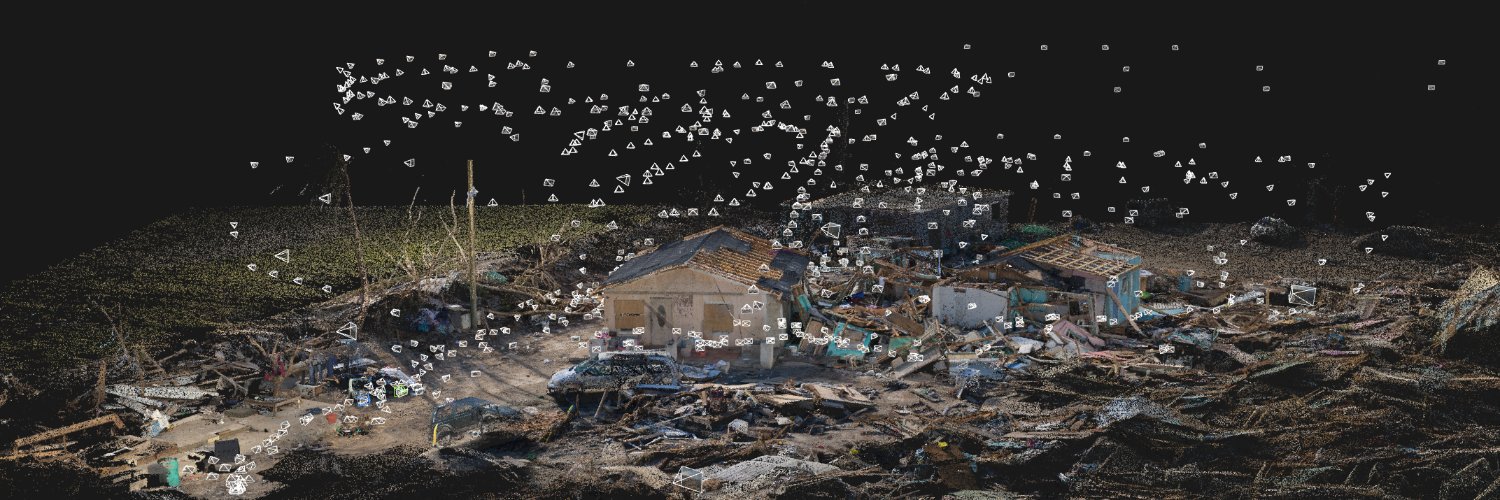
We used AI to help freeze that moment in 3D and analyze the play. Read more about our collaboration with @nytgraphics: https://t.co/NsAYjoH7d5
Want to make high-quality 3D stories for readers without the latest devices and slower connections? We open-sourced the @glTF3D bundler plugins we built to optimize 3D assets. Check it out here: https://t.co/3Rk4E460cT
We used machine learning to quickly recreate key moments from the World Cup in 3D using just a single photograph. Read about our process: https://t.co/aYaMCQ0phJ
Applications for our summer 2023 engineering internship are open! R&D interns embed on a team of engineers, designers, journalists and creative technologists to explore how emerging technologies can be applied in the service of journalism.
Apply here: https://t.co/7cMt5rz038
How might Times readers use mixed reality to discover our journalism out in the wild? Here’s what we learned about encouraging non-linear exploration and discovery https://t.co/h58hvIpV5J
Spatial audio is changing the way we experience recorded sound, making it possible to add entirely new layers of sonic presence to narrative storytelling mediums. Here’s a quick overview of how to produce spatial audio podcasts: https://t.co/79DL35RlyR
R&D is experimenting with mixed reality design patterns that fit well inside readers’ homes. Read more about our exploration into adapting articles for table top here: https://t.co/49uRzhvjnV
How exactly does @mikiebarb sound in spatial audio? We worked with the NYT Audio team to find out. Listen to episodes of the Daily in our immersive spatial audio playlist: https://t.co/1LYB3onPRe
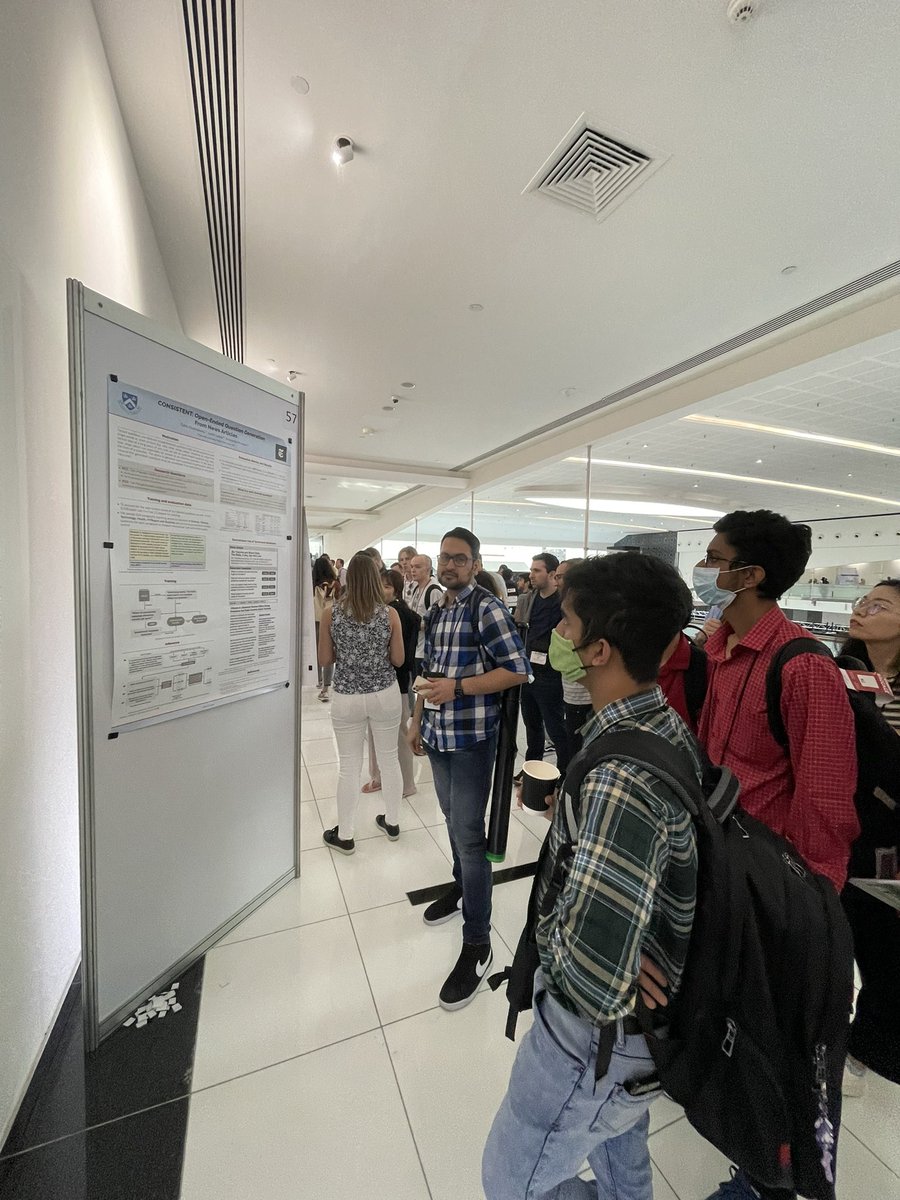
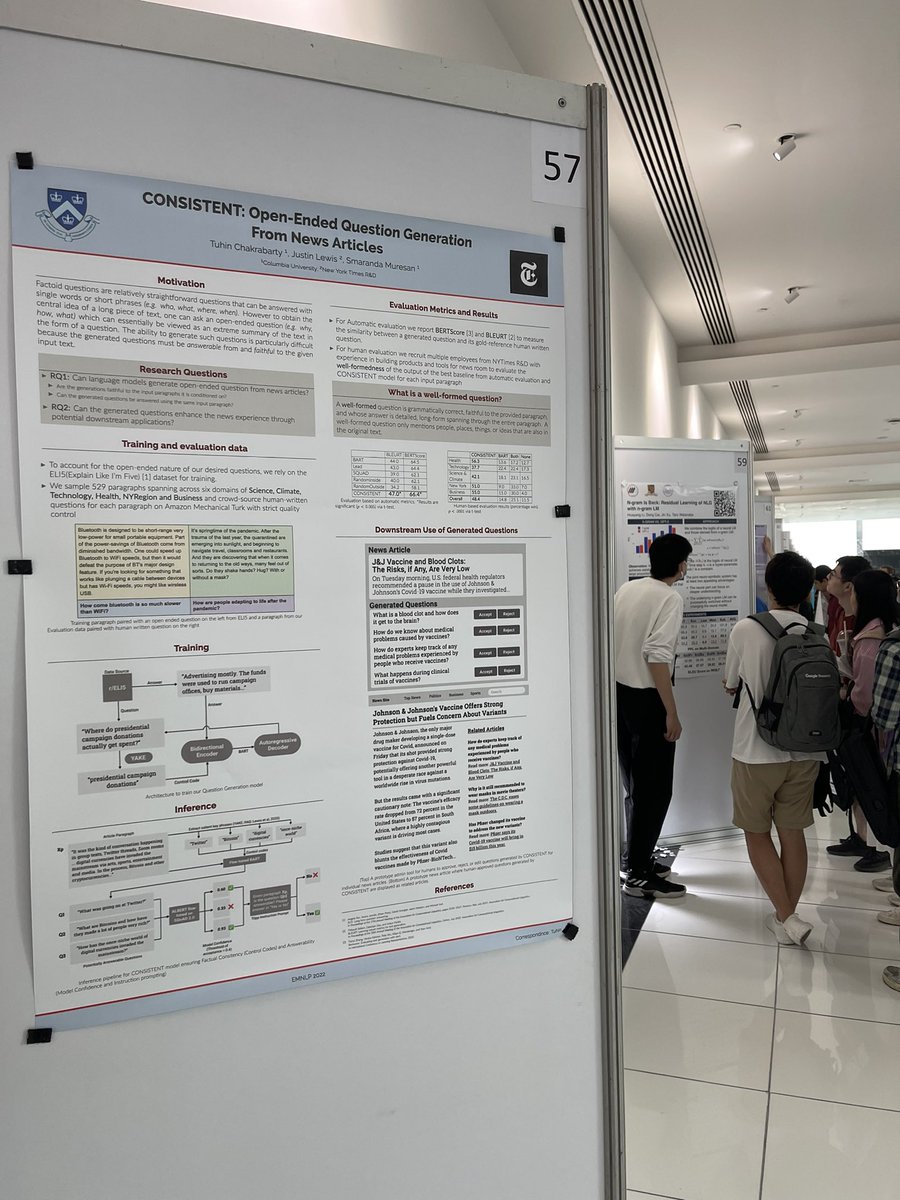
Full details of the research and methods designed by @TuhinChakr and @justintlewis can be found in our research paper, which was selected for the upcoming @emnlpmeeting taking place December 7–11
https://t.co/rWr9TLFnXK
Questions and answers are central to Times journalism. Last year we launched a research effort to explore generating open-ended questions from news articles. Read more about our approach: https://t.co/7zPfNWHJrQ
We explored how to employ spatial audio and deeper sonic presence for stories in our latest end-to-end guide.
Discover tools like @dolby and @poweredbyMach1 as we walk you through all the necessary steps to mix your own spatial audio podcast: https://t.co/YXIv0J3OAE