At #NAICE2026, I reflected on a principle that continues to shape our approach to regulation: the strongest regulatory systems are not developed in isolation. As the global energy landscape evolves, regulators must adapt while maintaining consistency, transparency, and high standards. This evolution should be evidence-based, supported by engagement, and guided by a clear understanding of the industry.
At @NUPRCofficial, this conviction shapes our regulatory approach. Engagement is central, as effective regulation relies on informed dialogue, thorough consultation, and ongoing improvement. Strong partnerships among regulators, operators, and stakeholders are essential for resilient energy systems, sustained investment, and long-term growth.
This is why platforms like #NAICE are important. They offer valuable opportunities to exchange ideas, challenge assumptions, and strengthen partnerships that shape Nigeria's upstream petroleum sector.
Kudos to @SPE_Nigeria for organising another excellent conference, and to everyone contributing their expertise to discussions that will strengthen our industry.
As regulator we cannot demand trust; we must earn it through transparent processes, predictable decisions and the consistent application of clear rules. That was the standard we set for ourselves throughout the Nigeria 2025 Licensing Round, culminating in the Commercial Bid Conference yesterday.
Over the past 8 months, we have focused on strengthening trust and investor confidence. The response to the 2025 Round from indigenous companies, international investors, and new entrants alike proves that trust is being rebuilt. There is confidence in Nigeria's upstream potential and in the fact that opportunities will continue to be offered through a transparent, predictable, and competitive regulatory process.
Confidence is the beginning of the journey; the true measure of this licensing round will be how quickly these awards move from paper to seismic, drilling, development and ultimately production.
The assets offered through this round have the potential to add approximately 500 million barrels to Nigeria's reserves and contribute at least 300,000 barrels per day within three years. More importantly, they represent increased government revenue, stronger foreign exchange earnings, greater infrastructure utilisation, technology transfer, employment and broader economic growth.
To our successful bidders, congratulations. You have earned an opportunity and accepted a responsibility. Our expectation remains clear: drill or drop. The Commission will continue to provide regulatory certainty, timely decisions and constructive engagement. In return, we expect investment, execution and performance.
My sincere appreciation goes to His Excellency President Bola Ahmed Tinubu, GCFR, @officialABAT for his leadership and commitment to strengthening Nigeria's investment environment; the Honourable Minister of State for Petroleum Resources (Oil), Senator Heineken Lokpobiri @senlokpobiri; the Honourable Minister of State for Petroleum Resources (Gas), Hon. Ekperikpe Ekpo @Ekperikpe001, for honouring the Commercial Bid Conference with their presence and continued support. I also thank the Federal Ministry of Petroleum Resources, the Federal Ministry of Finance, the Nigeria Extractive Industry and Transparency Initiative (NEITI), our partner institutions, technical advisers and everyone who contributed to the integrity of this process.
Above all, I thank the multidisciplinary evaluation team and every member of the @NUPRCofficial team. Their professionalism and commitment ensured this process reflected the standards we set for ourselves and that Nigerians deserve.
We remain committed to earning the confidence of the industry, creating the conditions for investment and ensuring that every licensing round strengthens Nigeria's position as a globally competitive upstream destination.
#EnergyReforms
#NUPRC
#LicensingRound2025
Senator, ministers, NUPRC management visit Dangote Refinery
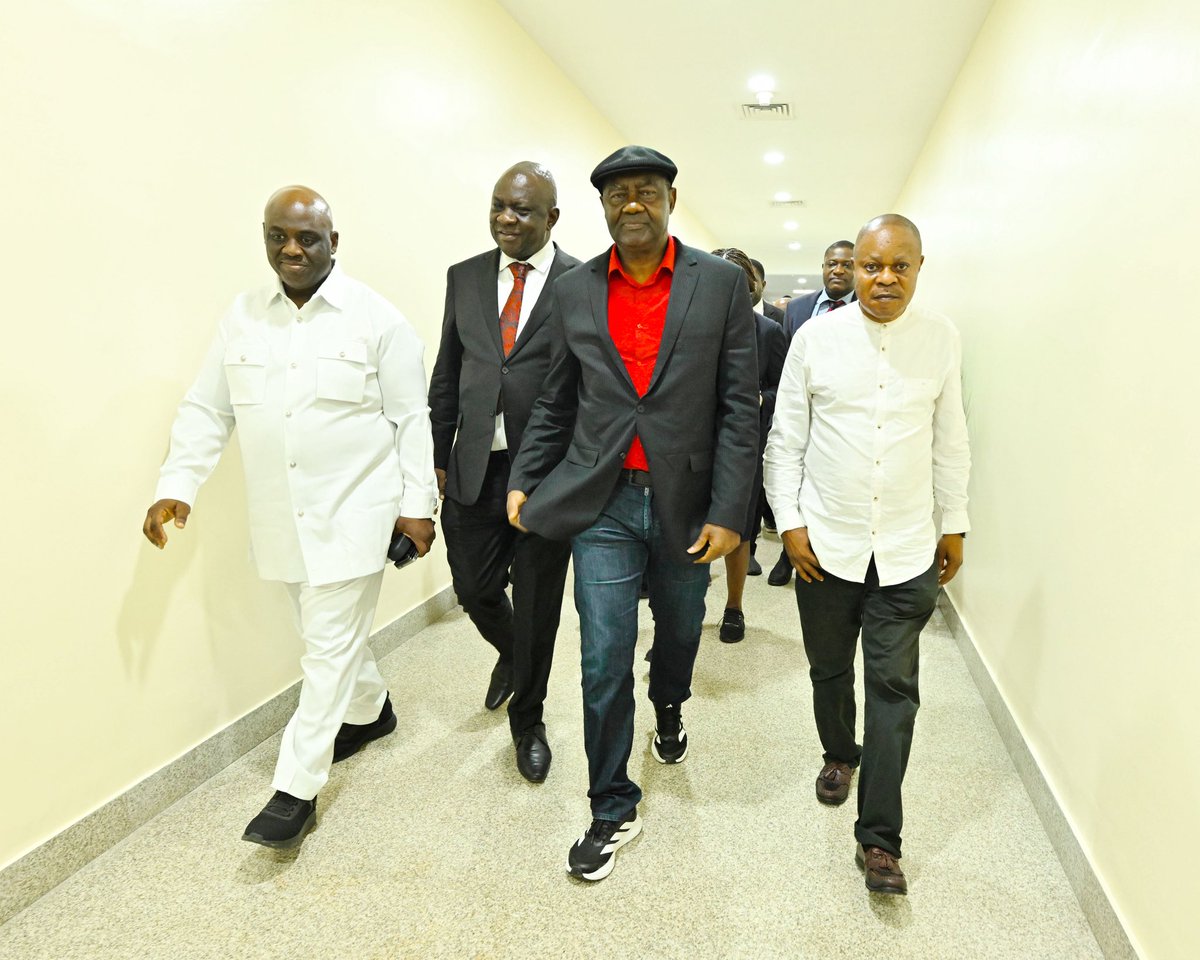
The Chairman, Senate Committee on Upstream, Senator Eteng Williams; the Minister of State of Petroleum Resources (Oil), @senlokpobiri; the Minister of State for Petroleum Resources (Gas), Rt.Hon @EkperikpeEkpo; as well as the management and board of the Nigerian Upstream Petroleum Regulatory Commission (NUPRC), have visited the Dangote Refinery in Lagos as part of an ongoing stakeholder engagement.
The visit which took place on Monday, July 13, 2026, also had in attendance the Chairman, board of the NUPRC, Senator Magnus Abe; and the Commission Chief Executive, @OAEyesan
The government functionaries were received at the refinery by the Group Vice President, Oil and Gas and Fertiliser, Dangote Industries Limited, Mr. Devakumar Edwin, who gave a brief history of the world’s largest single train refinery.
Edwin also revealed the company’s long and short term ambitions especially with regards to increasing its refining capacity.
Speaking on behalf of the Federal Government the Minister of State (Gas), Rt.Hon Ekperikpe, pledged support for the refinery even as he acknowledged the company’s role in job creation and energy security.
#NUPRC #LicensingRound2025 #energyreforms
Nigeria meets 104% of OPEC Quota as Production Soars
.Crude oil production rises to 74-month high
Nigeria’s crude oil and condensate production soared to an average of 1,735,398 barrels per day in the month of June 2026, representing positive growth for a 4th consecutive month.
In the month under review, crude oil production hit 1.56mbpd while 0.18mbpd of condensates was produced. This means Nigeria met 104% of the 1.5mbpd crude oil production quota set by the Organisation and Petroleum Exporting Countries (OPEC).
In strict crude oil terms (excluding condensates), the 1.56 million daily average production Nigeria witnessed in June is the highest that Africa’s biggest oil producer has recorded since April 2020, thus representing a 74-month high.
In June, the peak combined crude oil and condensate production was 1.89mbpd, reflecting Nigeria’s potential to reach 2mbpd in the near term. However, the lowest production was 1.57mbpd for the period in review.
The statistics shows that Nigeria has maintained an upward trajectory, increasing from 1.483 mbpd in February to 1.546 mbpd in March, 1.663 mbpd in April, 1.700 mbpd in May, and 1.735 mbpd in June representing a 2.2% growth month on month.
The improved performance was primarily driven by stable production operations across most producing assets and the absence of any major pipeline outages during the period under review. This enhanced operational stability supported improved production uptime and crude evacuation efficiency.
#LicensingRound2025
#NUPRC
I sit at this desk as a reflection of the dreams of women who came before me and the ambitions of those still finding their way. To every woman in this industry, and beyond, I hope you continue to claim your place with courage, conviction, and the confidence that you belong.
When I addressed the industry for the first time as the Commission Chief Executive, I stated clearly that our success would be measured not by the volume of policies, but by tangible outcomes Nigerians can experience. Just over 180 days on, here is some of the ground we have covered.
While there is still much ground to cover, I am confident in the progress we have made and the trajectory we are on. To the industry, thank you for your engagement and your patience. To the team at the Commission, thank you for staying the course.
The moment of decision beckons. The commercial bid conference takes place on July 21, 2026 at the Transcorp Hilton Hotel, Abuja, where the winners of the 2025 licensing round will emerge. 50 oil and gas blocks on offer. Please note, attendance is strictly by invitation
#LicensingRound2025
#50OilandGasblocks
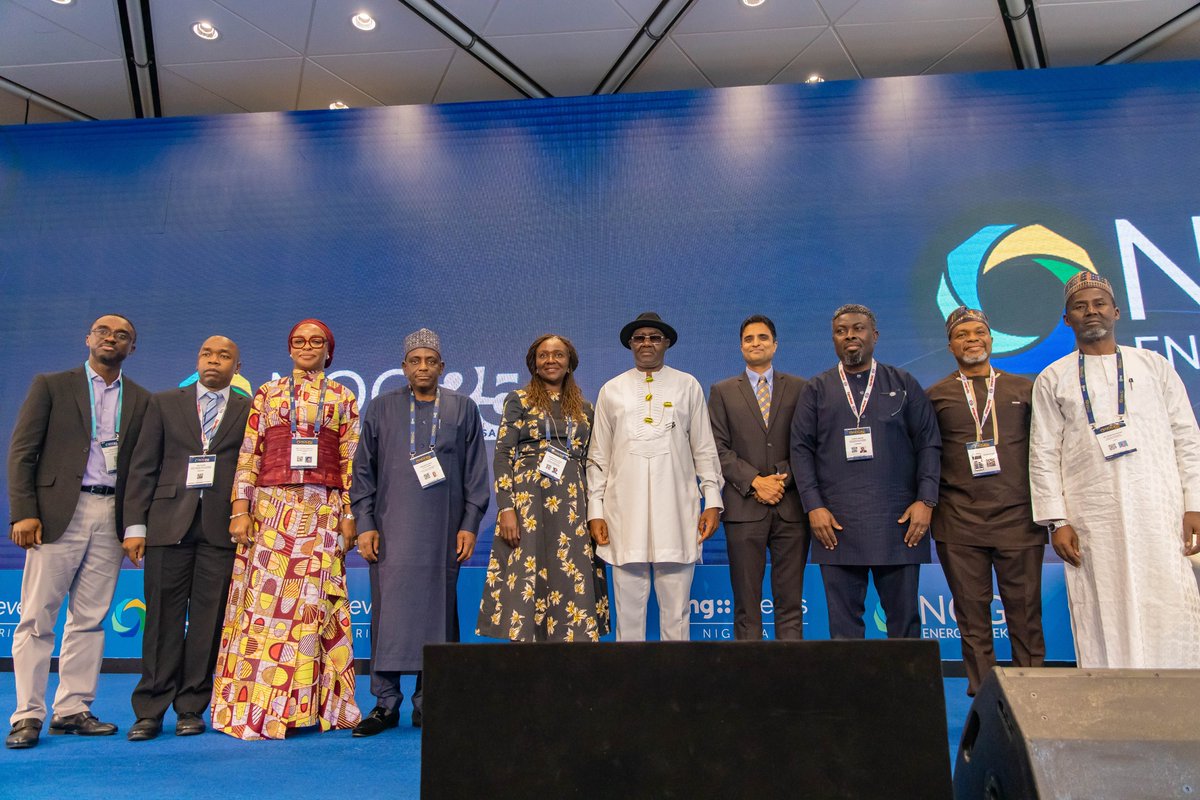
At @NOGEnergyWeek, I emphasised that maximising the value of existing assets is as important as pursuing new discoveries, as we recognised Esso Exploration and Production Nigeria's $1 billion investment in the Usan Infill Project (OML 138), expected to add 40,000 barrels per day to production, with first oil targeted within six months. This marks Esso's first drilling operation in Nigeria in a decade, which makes the investment worth noting.
The development matters not only for increased production but for shaping how investors read Nigeria's deepwater potential. Many deepwater assets have operated below capacity for years without the sustained investment they require. Maximising current assets deserves the same urgency as pursuing new blocks. These results demonstrate the benefits of that focus.
I congratulate Esso Exploration and Production Nigeria Offshore East Limited and its partners on this milestone. This is the standard of investment we expect to see across the rest of Nigeria's deepwater portfolio, and we intend to keep building the conditions that make it possible.
We also presented Petroleum Prospecting Licences to Broron Energy, Petroli Energy Marketing and Supply, Sahara Deepwater Resources, and Tulcan Energy E&P, awardees from the 2022/2023 Mini Bid Round and the 2024 Licensing Round. We stand ready to enable these awardees in translating this opportunity into measurable outcomes.
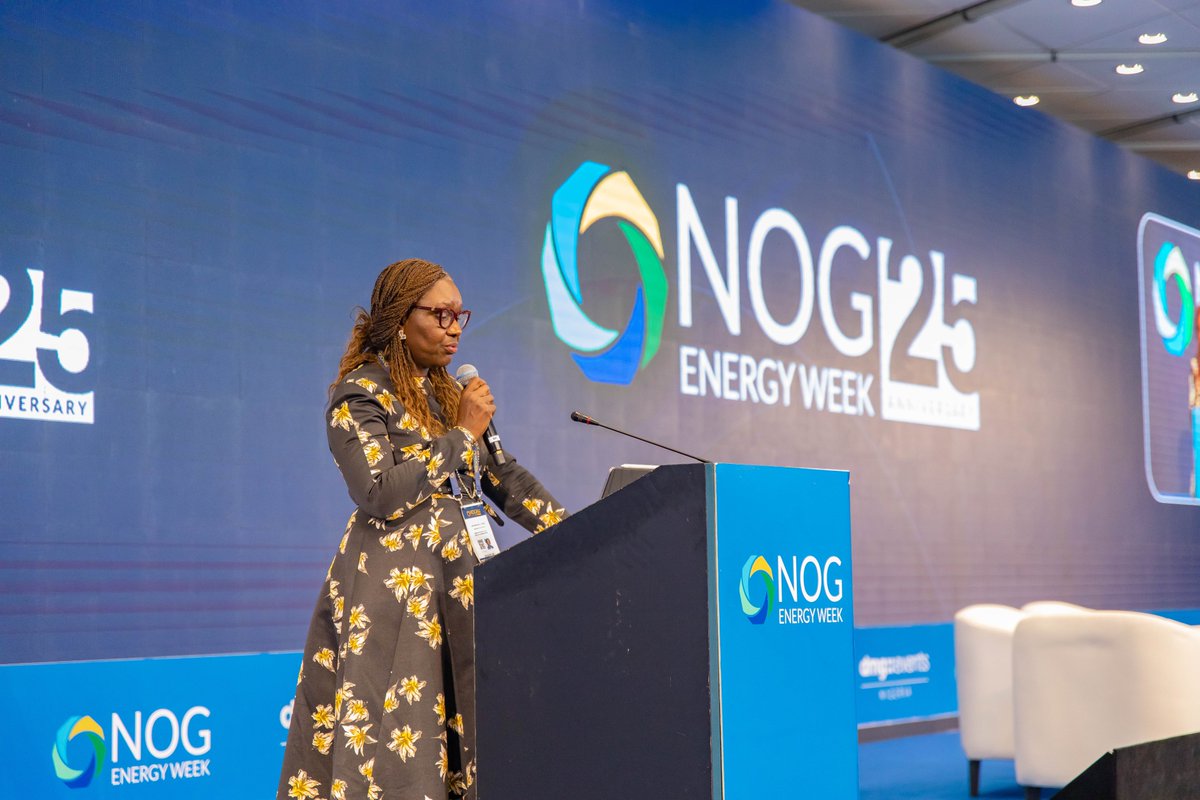
At the ongoing NOG Energy Conference 2026, the CCE, NUPRC, Mrs. Oritsemeyiwa Eyesan, revealed that as a business enabler, the NUPRC has reduced the approval time for permits to just 24 hours. This is expected to improve the ease of doing business in Nigeria’s oil and gas petroleum sector.
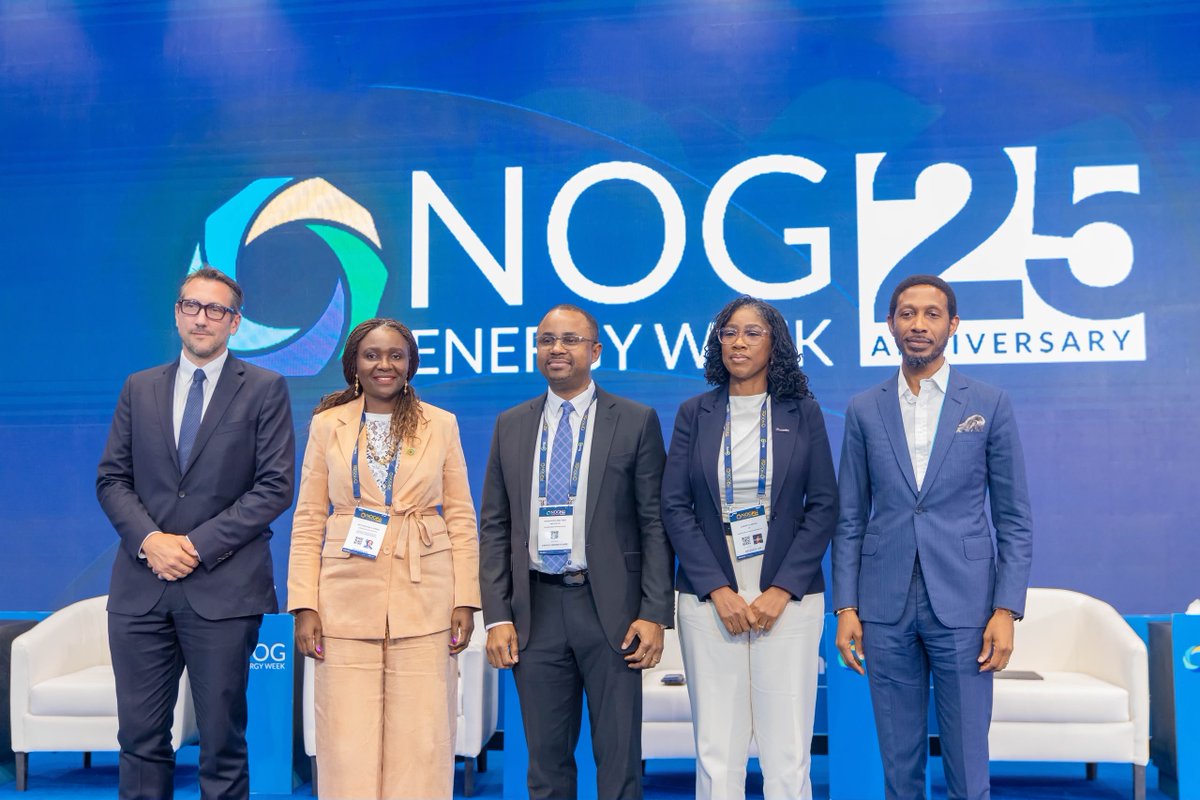
At the Strategic Panel Session titled: A Defining Moment for Upstream -Unlocking the Next Wave of Investment Opportunities, the NUPRC boss described as impressive the interest generated by the 2025 Licensing Round where nearly 300 companies bidded for just 50 oil and gas blocks.
She said the 2026 licensing round would be announced in Q3 2026 and will be better than the current licensing round
#NOG2026 #LicensingRound2025
25 years is a significant milestone for any institution, and @NOGEnergyWeek has earned its place as the definitive stage for this industry's most consequential conversations. It was fitting, then, that this year's strategic conference carried a genuine sense of optimism and progress across the sector.
Nigeria's oil and gas industry is now defined by its demonstrated capabilities, not by aspirations. This was the central message I conveyed during the panel on Unlocking the Next Wave of Investment Opportunities. The PIA gave this industry the stability it needed.
Confidence is measured not by sentiment, but by participation. The more than 300 applicants for 50 assets in the 2025 marginal field bid rounds are a clear indication that investors increasingly see Nigeria as a market where opportunity exists. That confidence is sustained by institutions willing to evolve alongside the industry they serve.
At the Nigerian Upstream Petroleum Regulatory Commission (NUPRC), our approach has been to provide regulation as a service: not by lowering standards, but by creating systems that enable operators to achieve their objectives within a transparent and accountable framework. Export permits that once took weeks can now be processed within 24 hours. At the same time, governance remains non-negotiable. Long-term investment does not flow into environments where transparency and accountability cannot withstand scrutiny.
Remarks from @senlokpobiri, @Ekperikpe001, @OluVerheijen and @BBOjulari also highlighted this unified shift: government and industry collaborating toward a shared goal, supported by reforms that are strengthening the investment environment.
Nigeria's upstream story is still being written, but today it is being shaped by a stronger foundation than at any point in recent memory. This is the era of delivery for Nigeria's upstream sector. Our collective responsibility is to ensure it becomes an era of sustained growth.