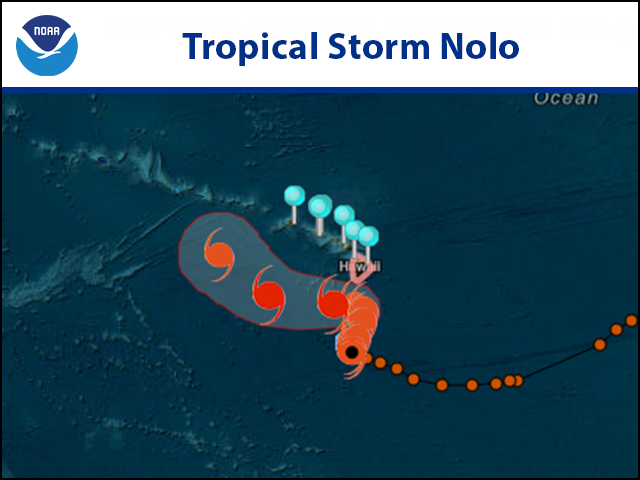
NOAA is monitoring water levels and winds for Tropical Storm Nolo, which is moving northward towards the Big Island of Hawaii. View real-time water level and meteorological data:
https://t.co/XJvVRrWp9C
Now: north-west at 15 km/h over 30.7 °C water, 100 to 150 mm of rain due on the Guerrero coast. NOAA's track turns Polo away into stronger wind shear, easing to category 1 near Baja California by Tuesday. Source: NOAA National Hurricane Center, Polo advisory 15, 24 Sept 2026.
Hurricane Polo is category 5 again this morning off south-west Mexico, after barely moving for a day. A storm that sits still stirs up cold water and weakens itself. Under Polo the sea was 31.3 °C and the warm layer ran 50 to 100 m down, so what it stirred up stayed warm.
Why it fell to category 4 on Wednesday and came back: NOAA saw a second ring of thunderstorms form outside the eye. The outer ring took the inflow, the inner one faded, and the storm lost strength until the new eye settled. NOAA expects winds to rise and fall for a day or so.
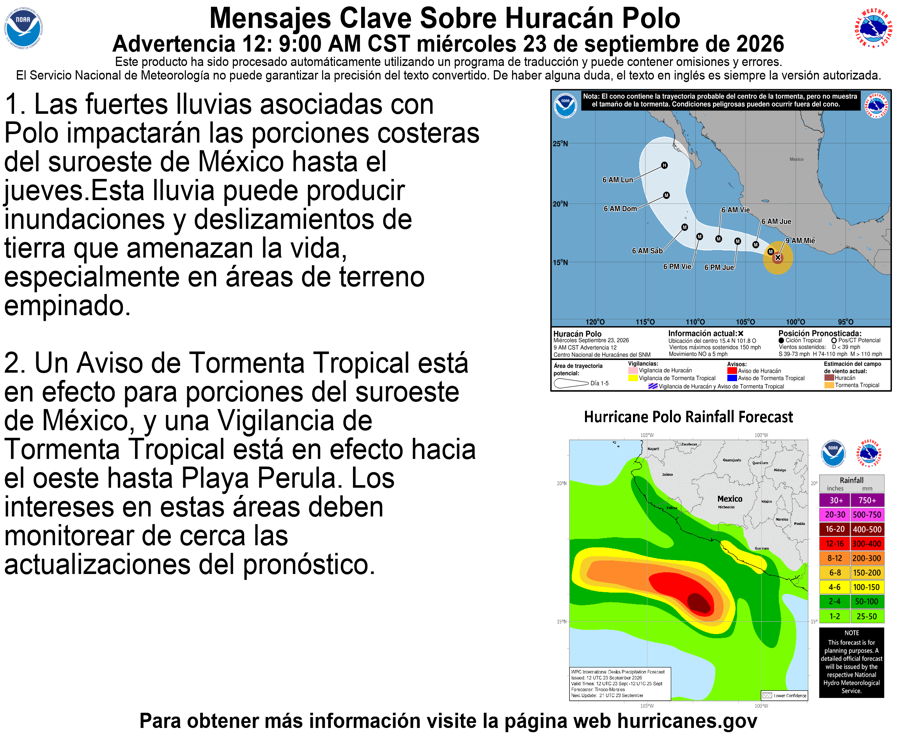
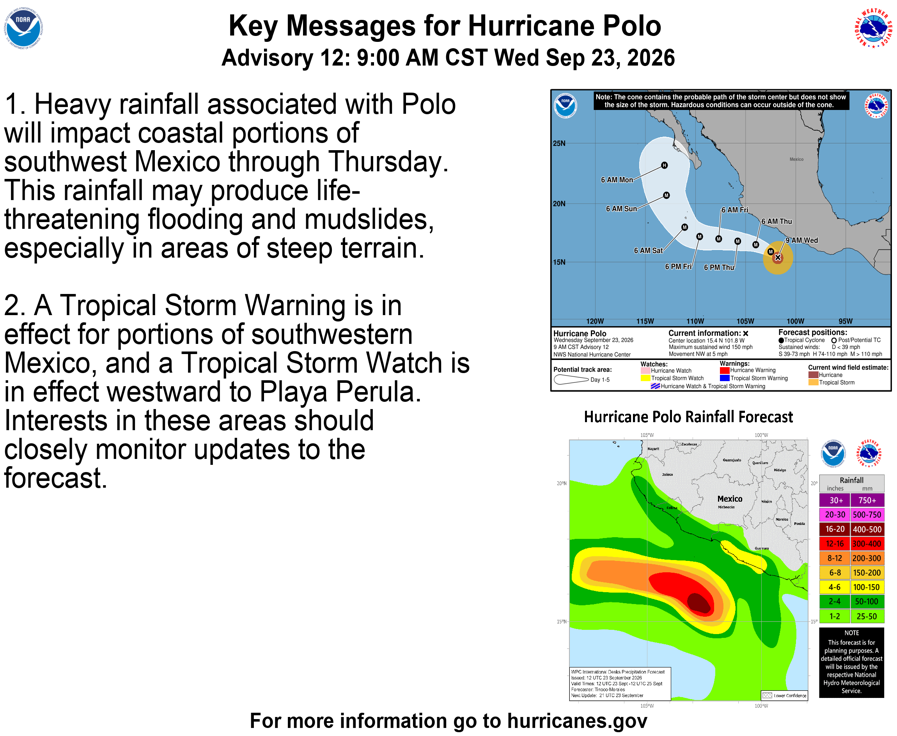
9 AM CST Wed Sep 23 (Advisory 12) Key Messages for Hurricane #Polo. Latest info: https://t.co/NyUGSIFCuo
9 AM CST miércoles 23 de septiembre (Aviso 12) Mensajes clave sobre el huracán #Polo. Más información: https://t.co/NyUGSIFCuo
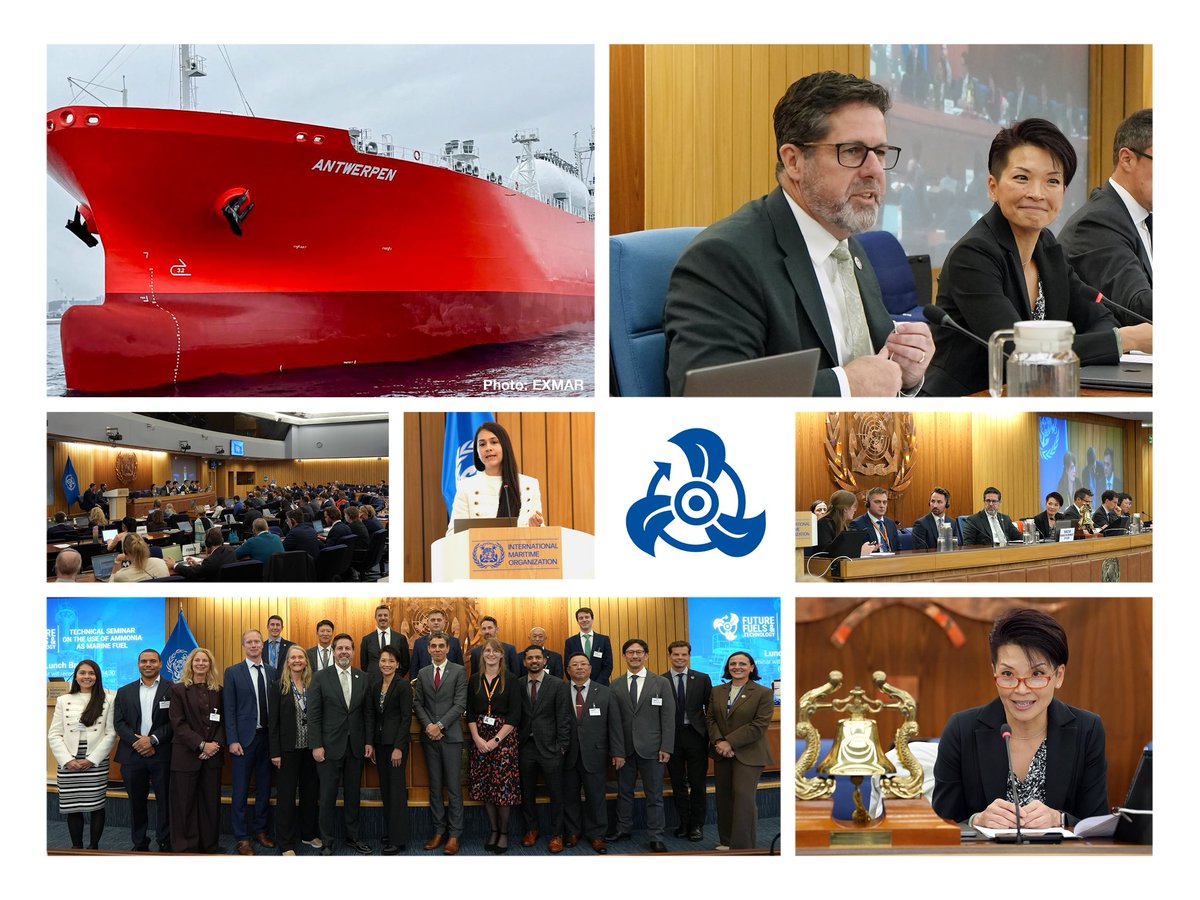
Exploring the use of ammonia as marine fuel in shipping
International experts have shared their insight on the use of #ammonia as #marinefuel during an IMO technical seminar at IMO HQ, London.
🔗 Full story: https://t.co/DJR3XFDhjt
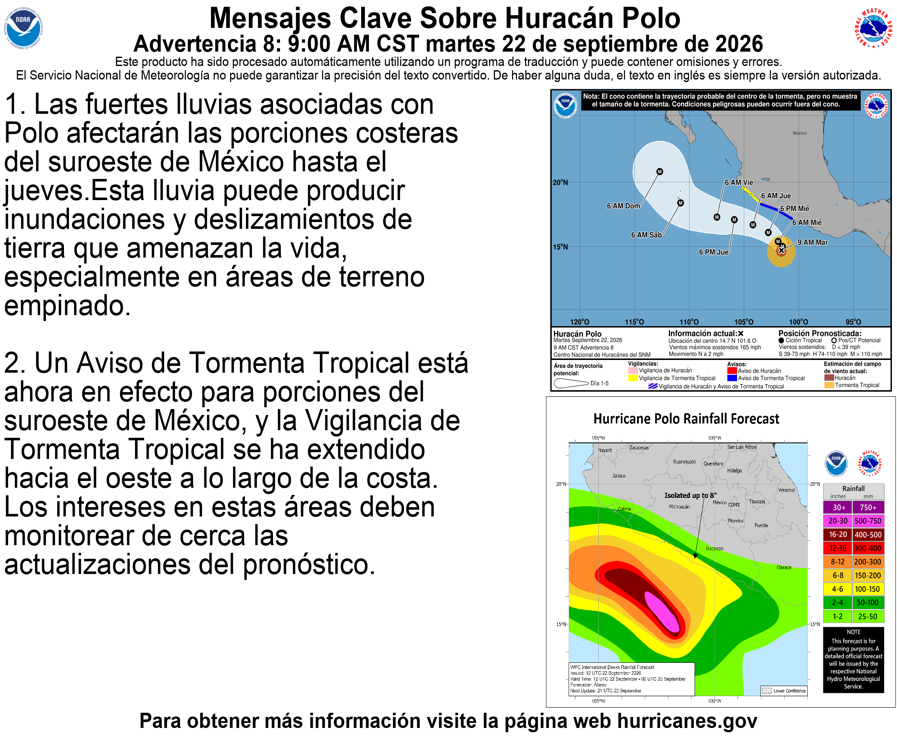
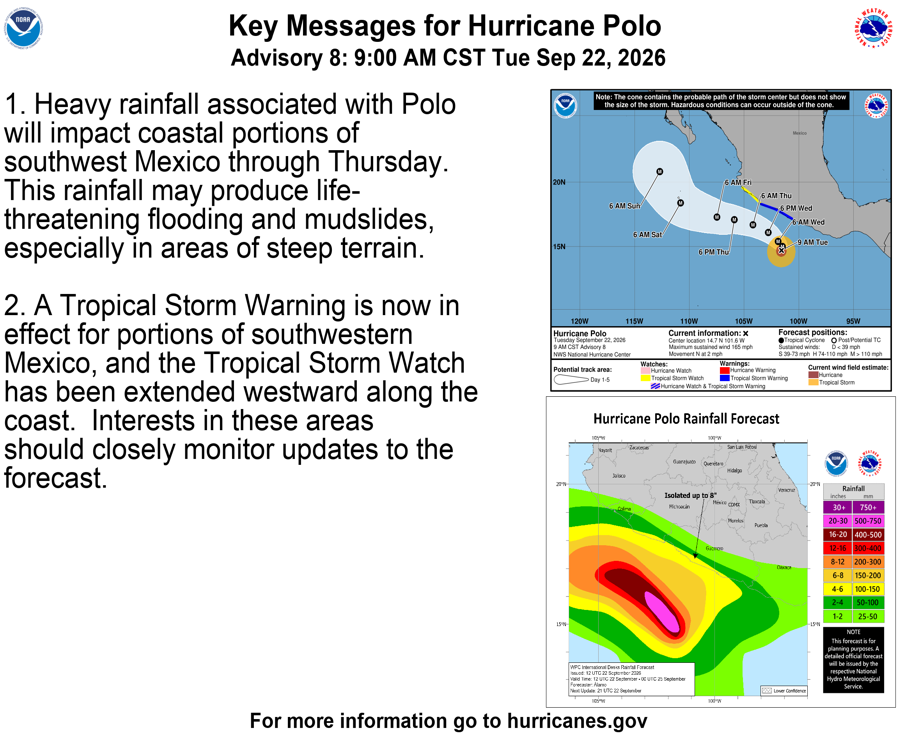
9 AM CST Tue Sep 22 (Advisory 8) Key Messages for Hurricane #Polo. Latest info: https://t.co/NyUGSIFCuo
9 AM CST martes 22 de septiembre (Aviso 8) Mensajes clave sobre el huracán #Polo. Más información: https://t.co/NyUGSIFCuo
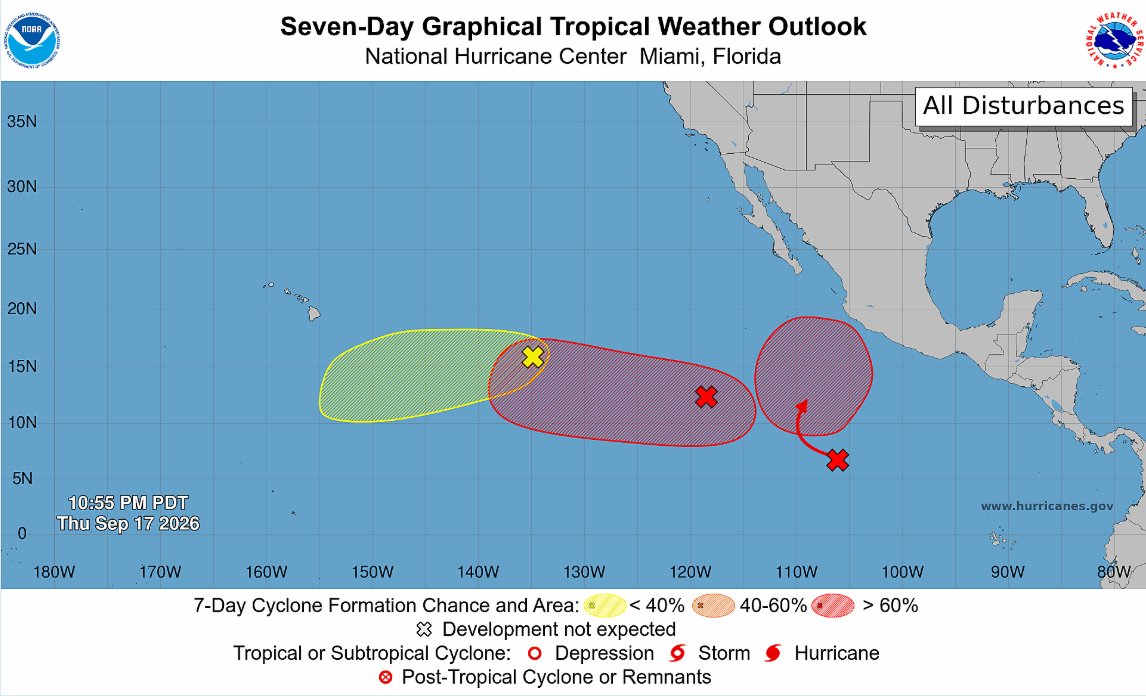
11 PM PDT, Sep 17: NHC is highlighting three areas in the East & Central Pacific this evening. Two of these areas have a high chance of tropical cyclone formation (🔴70% or greater) over the next 7 days.
Monitor https://t.co/NyUGSIFCuo for the latest updates.
Happy anniversary to Monterey Bay National Marine Sanctuary, which stretches along 276 miles of the central coast of California from San Francisco to Cambria, and offers some of the best wildlife viewing in the world. From kelp forests to mountains in the deep sea teeming with life, find out more about this “Serengeti of the Sea”: https://t.co/iHeSgAW6Ft @MBNMS
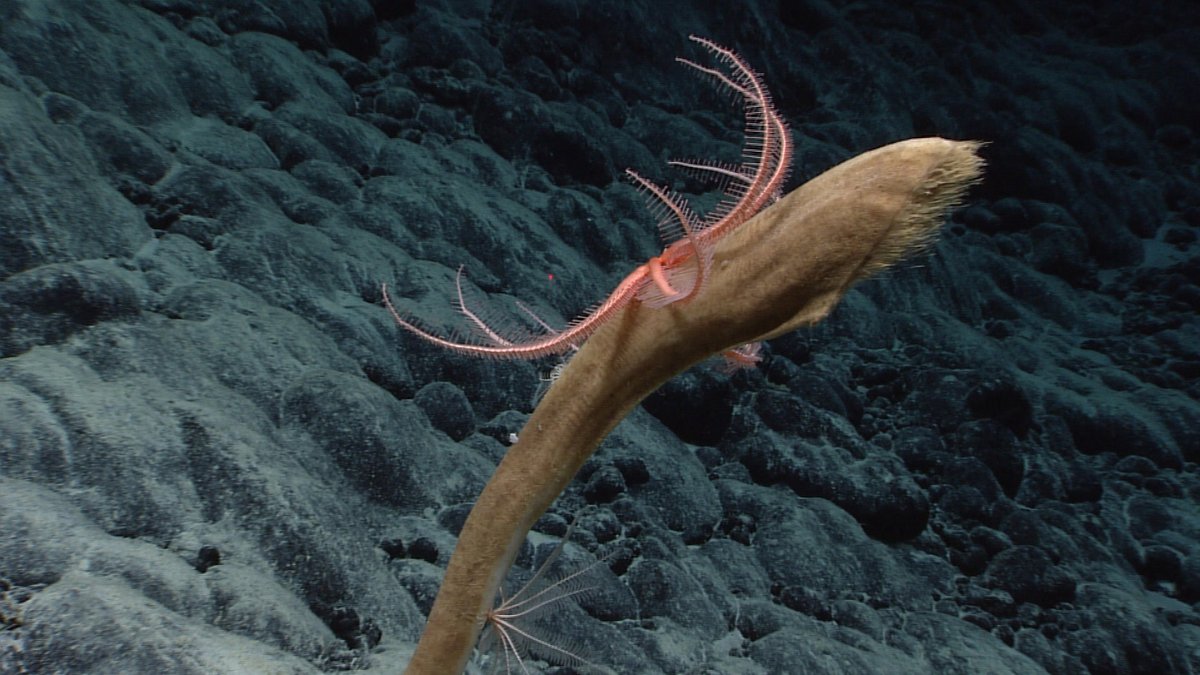
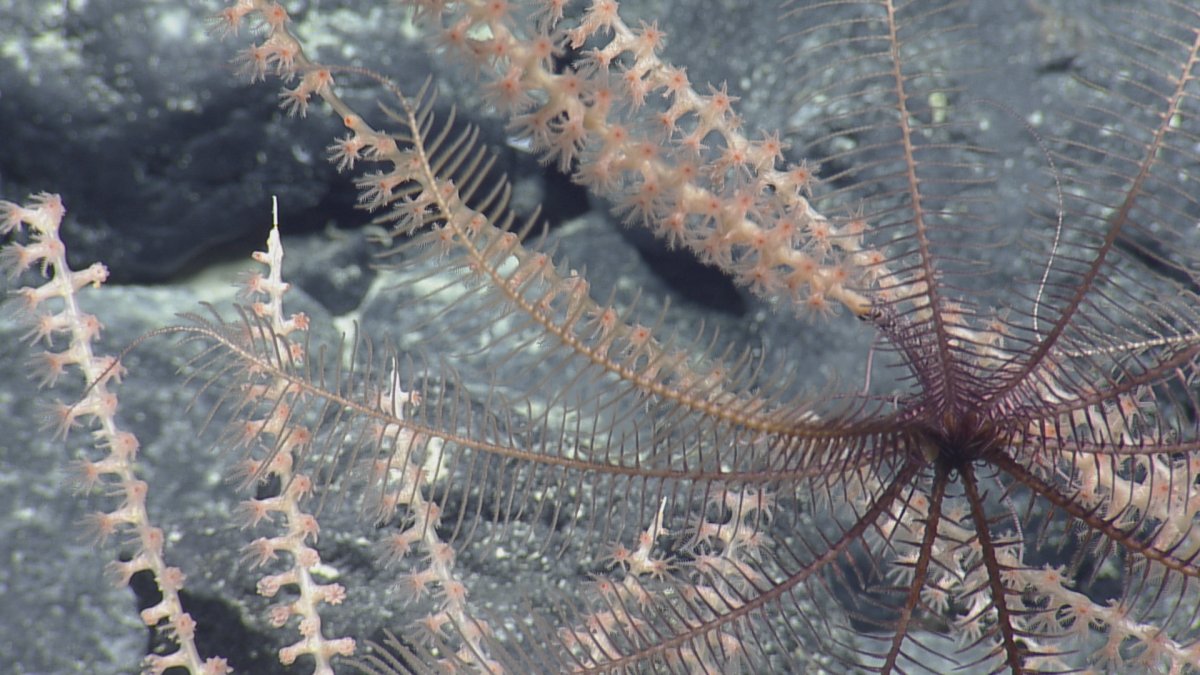
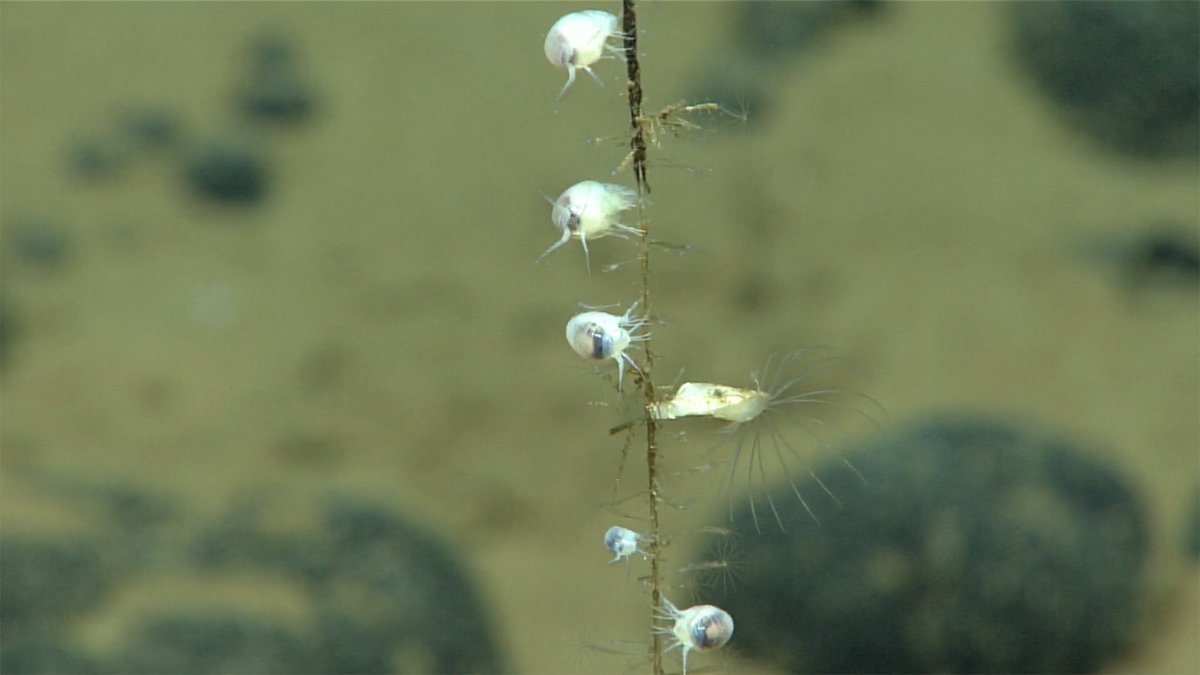
#Okeanos has arrived in Suva, Fiji, marking the end of the American Samoa ROV + mapping expedition. Over 29 days at sea, the team conducted 12 ROV dives & mapped deep waters of American Samoa, making exciting discoveries along the way.
More info: https://t.co/59Ja1qwK7x
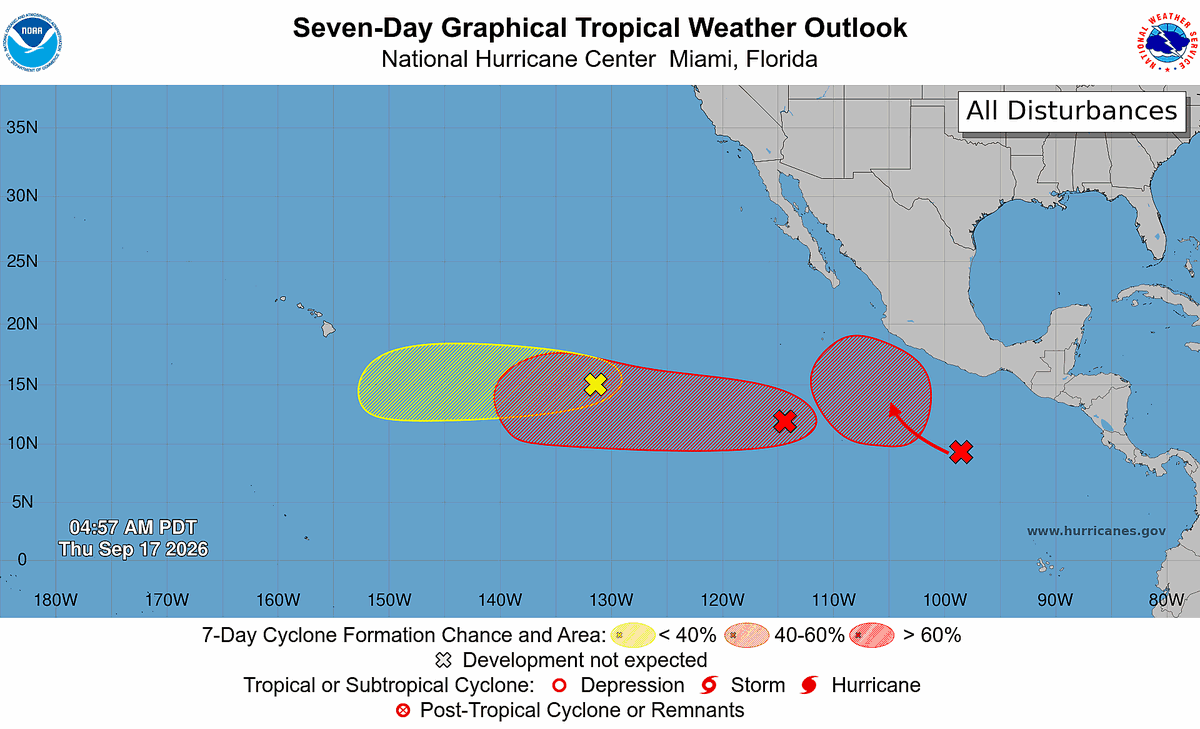
5am PDT 17 Sep: NHC is highlighting three areas in the East & Central Pacific this morning. Two of these areas had a high chance of tropical cyclone formation (🔴70% or greater) over the next 7 days.
Latest Pacific Tropical Weather Outlook: https://t.co/iYIpekul3Y
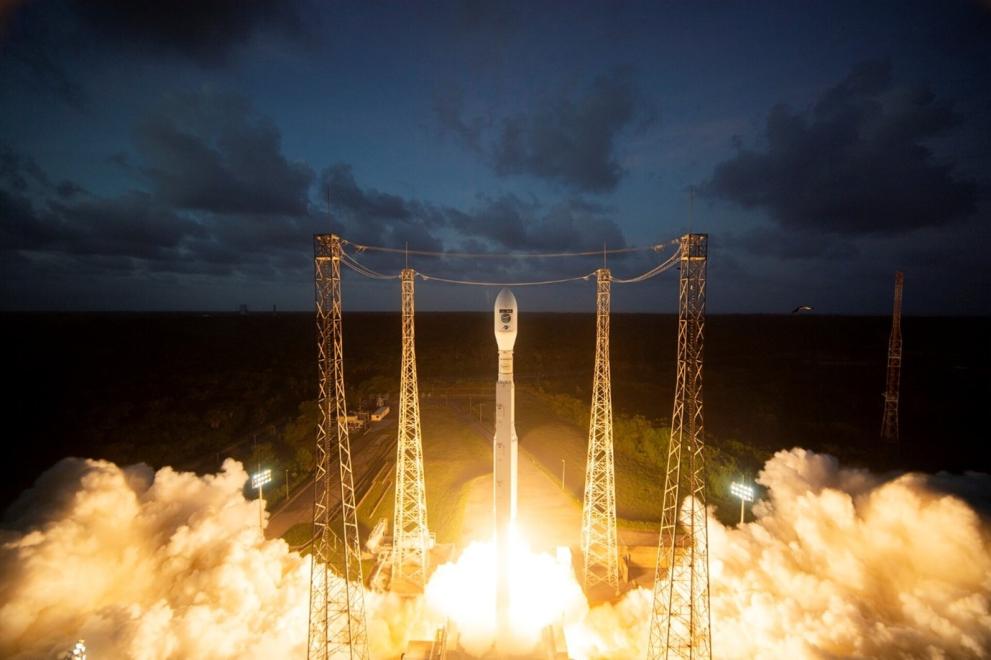
The launch this morning of the #Copernicus Sentinel-3C satellite is a key moment for #Ocean monitoring in Europe.
Launching at 03:21 CEST on 15 Sep 2026, 3C joins its sister satellites 3A and 3B in orbit 820-kilometres above Earth, monitoring key environmental indicators, including:
🌡️Ocean sea-surface temperatures
🟢Ocean colour and algal blooms
🌊Ocean sea level
🧊Sea ice extent
The addition of Sentinel-3C to the Copernicus Earth observation programme will enable services like #CopernicusMarine to provide more accurate and reliable data on our changing planet.
Launch: https://t.co/K5bamcukps
@esa
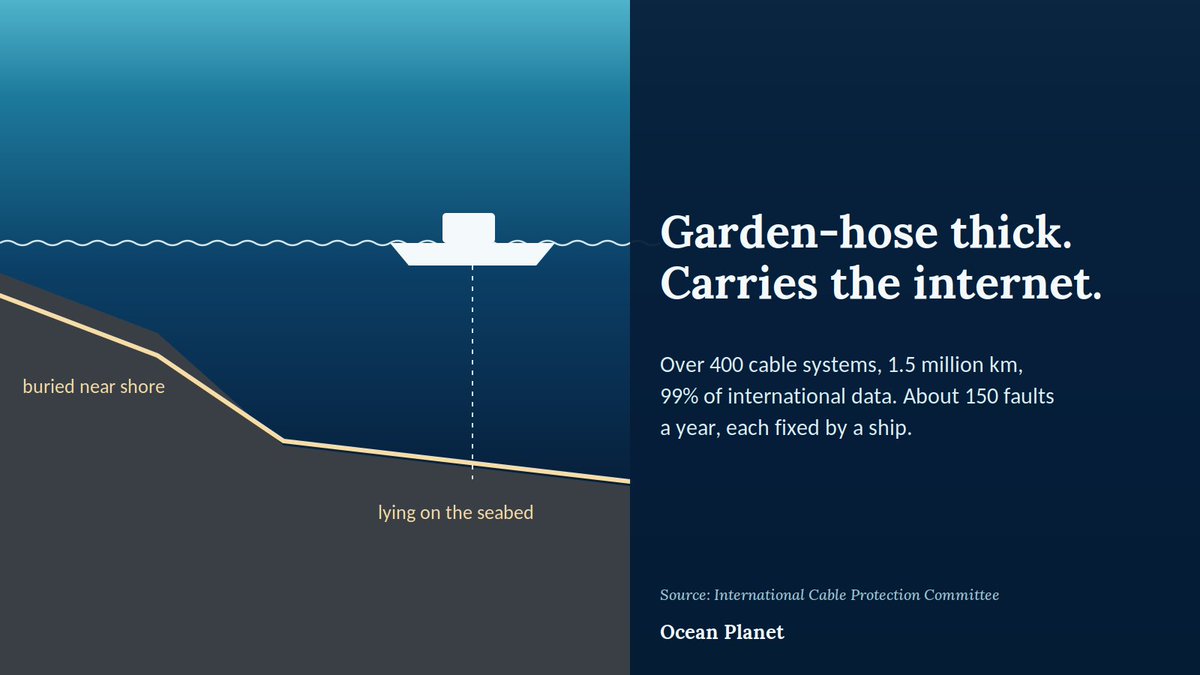
Deep-water cable is about 20 mm across and built to last 25 years; the shallow-water version is about 50 mm with steel armour. Source: International Cable Protection Committee.
The internet crosses the ocean through cables about as thick as a garden hose: over 400 systems, 1.5 million km, carrying 99% of international data. Near shore they are buried; in deep water they lie on the seabed. About 150 break a year, and a ship goes out to fix each one.
What breaks them: mostly anchors and fishing gear on the continental shelf, where ships and boats are busy. In the deep ocean, faults are rare. A repair ship finds the fault, hooks the cable off the seabed with a grapnel, splices in new cable, and lowers it back.