Tinubu Applauds EFCC on Record- Breaking Achievements
… Calls for Stronger Synergy among Anti-Graft Stakeholders
President Bola Tinubu has commended the Economic and Financial Crimes Commission, EFCC, for its record-breaking achievements in combating financial crimes, recovering illicit assets and strengthening Nigeria’s international financial standing and called for stronger collaboration among all stakeholders in the anti-corruption corridor.
The President gave the applause in Abuja on Tuesday, October 13, 2026, at the opening ceremony of the 8th EFCC/National Judicial Institute, NJI Workshop for Judges and Justices.
The workshop is themed: “Investigation and Prosecution of Economic and Financial Crimes in a Digital Age.”
Represented by Vice President Kashim Shettima, Tinubu particularly commended the EFCC’s efforts in tackling cryptocurrency fraud and recovering virtual assets, noting that the Commission had demonstrated its determination to stay ahead of evolving criminal methods. “The EFCC’s recent momentum in tackling cryptocurrency fraud and its commendable strides in recovering virtual assets is highly reassuring. These actions signal an agency that is proactive, forward-looking and resolved not to be outpaced by technological innovation,” he said.
In the first 34 months of the current administration of the EFCC, the Commission filed 14,476 cases in court and secured 10, 872 convictions, which represents 75.1 percent conviction-to-filing ratio. The EFCC equally recorded 1,370 convictions from 1,889 filings in the first half of 2026. In addition, the Commission recovered N1.233 trillion, $684,478,457.32, £373, 905.78, and €9,343,803.66 in monetary assets.
The President cited the successful prosecution and subsequent deportation of 192 foreigners arrested for cyberterrorism and cryptocurrency fraud as evidence of the Commission’s commitment to combating technology-driven crimes.
He noted that the increasing sophistication of financial crimes, driven by blockchain technology and artificial intelligence, require continuous capacity building for investigators, prosecutors and judicial officers.
“Because these modern threat typologies are constantly mutating, law enforcement and judicial authorities must engage in continuous capacity building to effectively adapt and respond to these evolving threats. Adapting to the shifting dynamics of financial crime and realigning our investigative and prosecutorial strategies is critical to preventing institutional obsolescence,” he said.
President Tinubu also pledged the Federal Government’s support for judicial capacity development, stressing that an independent, progressive and reform-minded judiciary was indispensable to achieving meaningful progress in the anti-corruption campaign.
He, however, urged the judiciary to strengthen its capacity to adjudicate complex financial crime cases, assuring that his administration would continue to support the sector while respecting judicial independence.
He particularly expressed concern that major anti-corruption prosecutions lost on procedural technicalities could undermine public confidence in the justice system. He urged the EFCC and the judiciary to continue to improve on prosecutorial discipline and close loopholes exploited by individuals seeking to frustrate trials.
He maintained that the fight against corruption should not be regarded as an Executive agenda alone, but as a collective responsibility of all arms of government.
Additionally, the President acknowledged that the EFCC’s asset recovery efforts had provided critical fiscal support for social intervention programmes, including the Nigerian Education Loan Fund, NELFUND and the Nigerian Consumer Credit Corporation, CREDICORP.
In his welcome remarks, Executive Chairman of the EFCC, Mr. Ola Olukoyede said his administration has embarked on operational reforms that now enable the Commission to secure more recoveries and convictions. He also stated that the EFCC is strengthening intelligence-led investigations, forensic capabilities, domestic and international cooperation, while deepening its understanding of emerging financial technologies.
“We do not seek simply to investigate more people; we seek to investigate more intelligently. We do not seek merely to prosecute more cases; we seek to prosecute cases that are properly investigated and capable of meeting the required standard of proof. Where assets are recovered, we seek to ensure that the recovery is lawful, transparent and sustainable,” he said.
The EFCC’s boss underscored institutional bottlenecks and procedural delays as some of the barriers to effective prosecution that paralyze complex financial crime proceedings, adding that frivolous adjournments and constant change of counsel stall the wheels of justice. “When financial crime cases are allowed to drift indefinitely, the integrity of the process erodes. Evidence deteriorates and loses its cogency. Witnesses disappear, relocate, or suffer memory lapses. Public confidence in the judicial system completely evaporates. Justice endlessly delayed is accountability decisively defeated,” he said.
Olukoyede told the gathering that “adjudicating corruption cases requires an elevated standard of integrity, judicial courage, and an unswerving commitment to the rule of law. We continue to hold in the highest esteem those jurists who have consistently held the candle of justice aloft in these challenging times.”
“We do not urge Your lordships to reinvent the wheel, nor do we suggest the manufacturing of evidence to secure convictions. We ask only for rigorous, expeditious adjudication. Before delivering judgment in any corruption matter, I urge you to resolve a few fundamental questions within your own conscience: Will this verdict encourage or deter financial crimes? How will this decision be measured by the verdict of judicial history decades from now? What colour will this judgment add to the enduring tapestry of your legacy?”
He said the goal of anti-corruption efforts was a more cohesive justice system where investigators know exactly what the courts require; prosecutors proactively anticipate evidentiary challenges; forensic specialists translate complex digital data into clear testimonies, and the judiciary understands the sophisticated methods used to perpetrate and conceal financial crime.
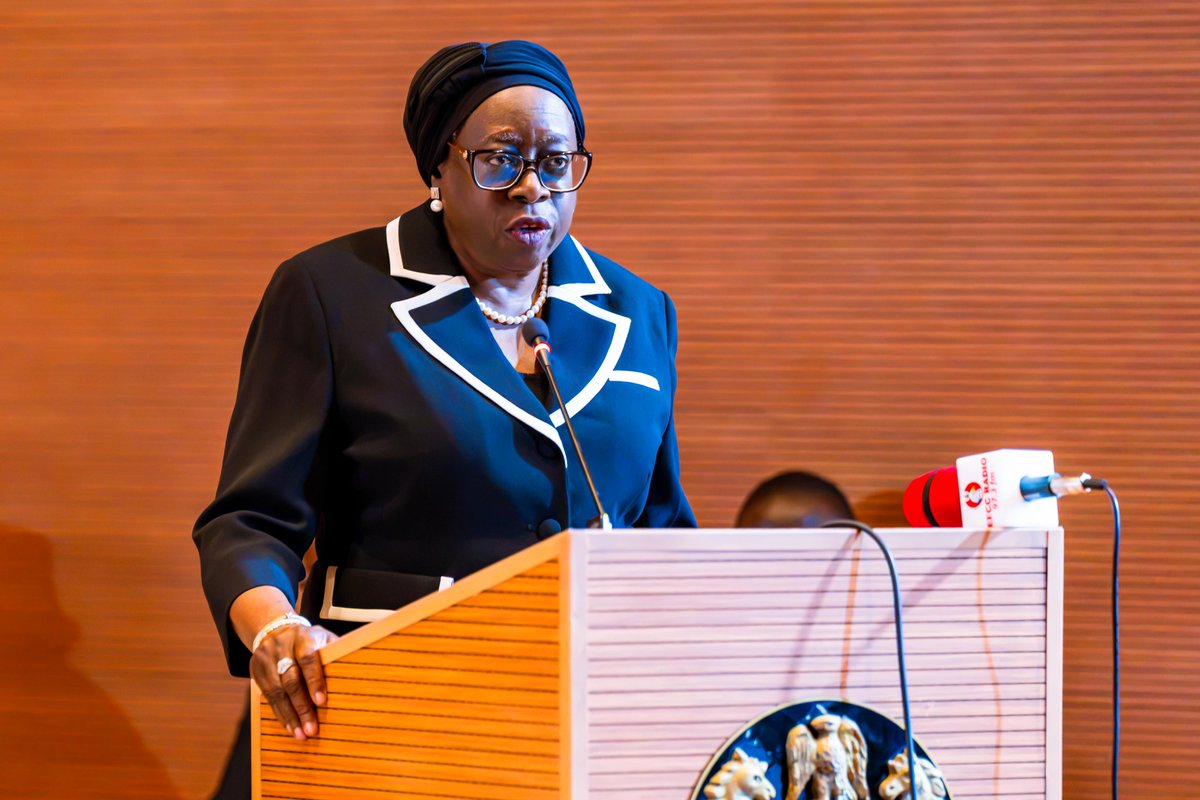
On her part, Chief Justice of Nigeria, Justice Kudirat Kekere-Ekun stressed the need for the judiciary to strengthen its capacity to handle emerging forms of financial crimes in the digital age, while upholding the principles of fair hearing, due process and judicial independence. She noted that cryptocurrency transactions, encrypted communications, electronic records and cross-border financial activities had introduced new complexities into criminal proceedings, requiring judges to understand how digital evidence is obtained, preserved, authenticated and evaluated.
She said the seriousness of an allegation must not determine the outcome of a trial, insisting that the prosecution must establish its case through credible and legally admissible evidence. She also emphasised the importance of effective case management under the Administration of Criminal Justice Act, 2015, urging judges to prevent unnecessary delays without compromising the rights of parties.
The Chief Justice said continued judicial education had improved judges’ capacity to handle financial crime cases. She also highlighted Nigeria’s removal from the Financial Action Task Force’s Grey List on October 24, 2025, as an important milestone requiring sustained institutional commitment.
According to her, the judiciary must continue to strengthen its professional standards and competence in adjudicating corruption, money laundering and other financial crimes. She, however, cautioned that institutional cooperation must respect the constitutional independence of the courts, stressing that monitoring and coordination must never extend to influencing judicial decisions.
Chairman, Senate Committee on Anti-Corruption, Senator Emmanuel Udende identified delays in the trial and determination of economic and financial crime cases as a major challenge undermining Nigeria’s anti-corruption efforts. He noted that although investigations and prosecutions were essential, their impact was diminished when cases remained unresolved for years. Such delays, he said, weakened deterrence, undermined public confidence, consumed judicial resources and complicated the recovery of public funds.
He urged judges to strengthen case management, minimise avoidable adjournments and ensure the timely conclusion of proceedings in accordance with the law. He nevertheless emphasised that expeditious trials must not come at the expense of due process, noting that accused persons were equally entitled to fair hearings within a reasonable time.
Udende also called for stronger institutional cooperation and sustained capacity building to address the challenges posed by digital evidence and increasingly sophisticated financial crimes. He urged investigators to present complete and properly organised evidence, prosecutors and defence counsel to discharge their responsibilities diligently, and judges to exercise firm, fair and impartial control over proceedings.
He encouraged the EFCC and NJI to sustain their collaboration and develop practical recommendations for improving the handling of digital evidence, reducing delays and strengthening coordination across the criminal justice system.
Chairman, House Committee on Financial Crimes, Ginger Obinna Onwusibe called for urgent reforms to address the evidence, speed and legislative gaps undermining the investigation and prosecution of financial crimes in Nigeria.
The lawmaker pledged the National Assembly’s support for strengthening the EFCC through adequate funding for forensic laboratories, digital investigation tools and specialised training. He also promised legislative reforms to improve the admissibility of digital evidence, facilitate the management of virtual assets and strengthen the legal framework for combating cybercrime and money laundering.
Onwusibe further advocated improved judicial welfare and independence, stressing that an adequately equipped judiciary was essential to effective justice delivery. He challenged judges to demonstrate firmness in deciding financial crime cases, declaring that the EFCC could arrest suspects and the legislature could enact laws, but only the judiciary could convict offenders. He urged participants to build a justice system capable of responding more swiftly and intelligently to technology-driven criminal activities.
Attorney-General of the Federation and Minister of Justice, Lateef Fagbemi, emphasised that effective prosecution of financial crimes must begin with thorough investigations and the proper handling of digital evidence. He said such evidence must be lawfully obtained, carefully preserved, reliably authenticated and clearly linked to the elements of the alleged offence. He warned that prosecutorial success should not be measured merely by arrests or charges filed, but by the integrity of investigations, fairness of proceedings and sustainability of judicial outcomes.
Describing prosecutors as ministers of justice, Fagbemi stressed that their responsibility was to pursue justice through lawful means rather than secure convictions at all costs. He called on investigators, prosecutors, defence counsel and judges to discharge their duties professionally, while ensuring that the pursuit of speed did not undermine fair hearing.
Fagbemi also underscored the importance of recovering and managing proceeds of crime, noting that the Proceeds of Crime (Recovery and Management) Act, 2022, provides mechanisms for tracing, preserving, recovering and managing illicit assets. He stressed that asset recovery must be supported by credible evidence, proper judicial processes and respect for the rights of affected persons.
According to him, improved forensic capacity, information sharing and international assistance were essential to achieving lasting results. He urged institutions to replace rivalry with shared responsibility, insisting that Nigeria’s anti-corruption efforts must remain uncompromising in confronting financial crimes while equally protecting the rights of innocent persons and upholding the rule of law.
He further called for stronger cooperation among the Ministry of Justice, EFCC, judiciary, financial intelligence institutions and other relevant agencies to combat increasingly borderless financial crimes.
The opening ceremony was well-attended by members of the bar and bench, anti-corruption experts across the country and other stakeholders in the fight against corruption. The three-day Workshop will end on Thursday, October 15, 2026.
Alleged $6b Mambilla Project Fraud: FEC DID NOT APPROVE AGUNLOYE'S MEMO FOR CONTRACT AWARD to SUNRISE - Liyel Imoke
The Sixth prosecution witness, PW6, Liyel Imoke, in the trial of a former Minister of Power and Steel, Olu Agunloye, on Monday, October 19, 2026 told Justice Jude Onwuegbuzie of the Federal Capital Territory High Court, sitting in Apo, Abuja that the Federal Executive Council, FEC did not approve the memo for the award of contract presented by the former Minister to Sunrise Power & Transmission Company Limited for the construction of the Mambilla Hydro Power Project.
Agunloye is facing prosecution on an amended seven-count charge bordering on official corruption and fraudulent award of Mambilla Power Project contract to the tune of $6billion (Six Billion United States Dollars) to Sunrise Power Transmission Company Limited while in office as Minister of Power and Steel between 2002 and 2003.
Imoke, while being led in evidence by prosecution counsel, Abba Mohammed, SAN told the court that he served as Minister between August 2003 and November 2006 after succeeding the defendant in 2003. He recalled being invited by the EFCC where he made statements on May 24, 2023
“I was invited to the EFCC Headquarters where I was interviewed in relation to the letter I authored that was addressed to Sunrise Power & Transmission Company Limited on September 3, 2003. I informed them that the Federal Executive Council did not approve the memo that was presented by the defendant recommending the award of contract for the construction of the Mambilla Hydro Electric Power Project to Sunrise.
"My lord, I wrote the letter in response to the letter of enquiry from Sunrise requesting for payment in respect of the contract of Mambilla Hydro Power Project contract which was purportedly awarded to Sunrise by the former minister, the defendant"
"When I received the letter, I requested for the file and while reviewing the file, I saw the extract of the minutes from the FEC meeting amongst other documents. I read the deliberations and the directives of FEC to the then Minister of Power and Steel, (the defendant) which stated that the memo of the defendant be withdrawn and directed the Minister to invite more proposals with a view to ensuring constructive negotiations and to explore various investment options”
Continuing “It was on that basis that I responded to the letter of enquiry and request for payment by Sunrise..... Thereafter I was asked to make a written statement to the EFCC after which I left” he said
The witness was shown his statement marked Exhibit EFCC 3Q, made on May 24, 2023 and he admitted making it. He was also shown the extract that was marked Exhibit 3K, Exhibit EFCC 3, Annexure C which he admitted that he wrote, signed and addressed to Sunrise Power Transmission Company Limited dated September 3, 2003"
During cross examination by defence counsel, Adeola Adedipe, SAN, when asked why he didn’t cancel the contract when he discovered it was purportedly awarded, he responded that it was because the contract was not approved by FEC, so there was no need to cancel what was not approved.
Justice Onwuegbuzie adjourned the matter till November 2, 4,9,11, 2026 for continuation of trial.
Court Jails Five for Naira Abuse in Asaba
Justice F. A. Olubanjo of the Federal High Court sitting in Asaba, Delta State on Thursday, October 15, 2026, convicted and sentenced five persons to jail for abuse of naira notes.
The convicts are Ekweozor Divine, Udumeluo Godwin Chukwuebuka, Kennedy Uwadia, Godstime Ogie Eghosa and Bright Barry Imade. They
Were convicted on one count charge for offence bordering on spraying of naira note which is contrary to section 21(3) of the Central Bank of Nigeria Act 2007 and punishable under Section 21(1) of the Act.
Visit https://t.co/X42MHgyeYD for more stories.
Alleged 10b Property Fraud: How I was Defrauded of N238.6m – Witness
The trial of Queen Oluchi Duruibe continued on Thursday, October 15, 2026, before Justice Y. Halilu of the Federal Capital Territory, FCT High Court, Apo, Abuja, with the victim and Prosecution Witness, PW1, Promise Egwim, revealing how he was defrauded of N238, 600, 000 (Two Hundred and Thirty Eight Million, Six Hundred Thousand Naira) by the defendant in a property scam.
Duruibe is being prosecuted by the Economic and Financial Crimes Commission, EFCC, on four-count charge bordering on investment fraud and obtaining under false pretence to the tune of N238.6 million.
The witness, while being cross-examined by the defence counsel, O.R Odisa, disclosed that the sum was part payment of 10 percent commission, he agreed to pay the defendant on her proposed N10 billion investment in his real estate company, Profilled World Homes.
“The total sum of N238, 600, 000 that I gave her was part of the 10 percent of N10 billion investment she promised to bring for my company. She even said that there was already a N3 billion investment on the ground on that day and that if I didn’t release the money, she would not be able to bring the deal. I did not want to approve the cheque but she pressured me to speak with my account officer to approve the cheque. She even promised that she will supply bags of cement worth the amount if she is unable to deliver which she did not. The money belongs to my company Profilled World Homes,” he said.
The defendant was arraigned on April 30, 2026, following claims by a petitioner that the defendant presented herself as a real estate investment facilitator, who can assist him source investors in his company, Profilled World Homes.
Based on the alleged false representation, the petitioner allegedly gave her two Zenith Bank cheques to the tune of N97 million and N41 million, respectively, in addition to cash payments and bank transfers, totaling N238.6 million. While the defendant did not provide the promised N10 billion investment, she has also refused to refund the payments made to her.
Justice Halilu adjourned the matter till November 25, 2026 for continuation of trial.
EFCC Arraigns Three for Alleged Impersonation of Tunde Ednut, N18.2m Fraud in Abuja
The Economic and Financial Crimes Commission, EFCC, on Thursday, October 15, 2026, arraigned the trio of Raymond Charles Yafetus, Auwal Ibrahim and Babangida Yahaya Ibrahim before Justice S. O. Ibrahim of the Federal High Court, Abuja for allegedly impersonating Nigerian blogger and influencer, Tunde Ednut.
They were arraigned on a three count-charge bordering on cybercrime, conspiracy to commit fraud, impersonation and obtaining money by false pretence to the tune of N18,264,700 (Eighteen Million, Two Hundred and Sixty Four Thousand, Seven Hundred Naira).
Count two reads: “That you Raymond Charles Yafetus, Auwal Ibrahim and Babangida Yahaya Ibrahim (now at large) between April and June 2026 at Abuja within the jurisdiction of this Honourable Court with the intent to defraud, did fraudulently impersonate one Adekunle Tunde Olaoluwa, popularly known as Tunde-Ednut and in that assumed character opened bank account in different banks in Nigeria and you obtained a total sum of N18,264,700 (Eighteen Million, Two Hundred and Sixty Four Thousand, Seven Hundred Naira) from unsuspecting members of the public and you thereby committed an offence contrary to Section 22(2)(b)(ii) of the Cybercrime (Prohibition Prevention etc) Act 2015 and punishable under Section (22)(b)(iv) of the same Act.
They pleaded “not guilty” to the charges when they were read to them, following which prosecution counsel, Elizabeth Alabi prayed the court for a trial date and remand of the defendants in Kuje Correctional Centre, Abuja.
Justice Ibrahim ordered their remand in Kuje Correctional Centre, Abuja and adjourned the matter till November 17, 2026.
“Investigators, Prosecutors and Judicial Officers should be trained to treat open-source intelligence primarily as a source of investigative leads and corroboration, while subjecting material relied upon in court to the applicable evidential rules,” the participants said in the communique.
Subject to the need for legislative review, they recommended that the NJI, working with the National Judicial Council (NJC), “should develop accredited certification courses at certificate and diploma levels to equip Judges and relevant stakeholders with necessary skills required to improve their efficiency in justice delivery.”
The Communique also called for “continued and sustained synergy and coordination among all stakeholders in the administration of criminal justice in Nigeria,” particularly in sharing information on emerging trends in investigating and prosecuting economic and financial crimes in the digital age. It further urged Heads of Court to “leverage information from this workshop to develop policies that clarify practice around various technical subjects raised.”
Participants expressed appreciation to President Bola Ahmed Tinubu, who was represented by the Vice-President, Senator Kashim Shettima and other stakeholders and organizers of the workshop, who contributed to its success.
Presentations, technical sessions and deliberations at the workshop covered different areas including, the admissibility of confessional statements in criminal trials, reforming garnishee proceedings, delay tactics and abuse of court processes, non-conviction-based forfeiture proceedings, the role of artificial intelligence in investigation and prosecution, the recovery, management and disposal of virtual assets, and the use of digital forensics in the investigation and prosecution of economic and financial crimes.
Justices of the Supreme Court and the Court of Appeal, together with Judges of the Federal High Court, State High Courts and the High Court of the Federal Capital Territory and other stakeholders in the judiciary and anti-corruption corridors attended the workshop. A total of nine sessions were held, all of them interactive.
EFCC, NJI Seek Legal Reforms to Tackle Delay in Trial of Corruption Cases
The Economic and Financial Crimes Commission, EFCC, and the National Judicial Institute, NJI have called for legal and procedural reforms to curb delays and abuse of court processes in the trial of corruption and other economic and financial crimes cases.
The call is contained in a Communique issued by participants at the end of the 8th Capacity Building Workshop for Justices and Judges, held in Abuja between 13-15 October, 2026.
The workshop was organised by the EFCC in collaboration with the NJI under the theme “Investigation and Prosecution of Economic and Financial Crimes in a Digital Age.” It brought together Justices and Judges from across the country, as well as investigators and prosecutors of the EFCC.
At the end of the three days of lectures, exhaustive discussions and a workshop survey, participants arrived at several resolutions that formed the basis of the Communique.
In the Communique, participants resolved that delays in the resolution of corruption cases “will be greatly reduced by designating specialized judges and court staff to handle such cases as well as equipping such judges and courts with necessary skills through training to ensure efficient, certain and consistent application of existing laws in the administration of justice.”
They also called for balance in the criminal justice system, stating that it “must strike the proper balance between fairness, efficiency and legal certainty in the protection of individual rights on one hand and the speedy administration of justice, on the other hand.” To achieve this, they recommended that relevant provisions of the Administration of Criminal Justice Act (ACJA) be reviewed where necessary.
Participants urged that investigation standards, including digital management protocols, “should be enhanced across investigative and prosecutorial agencies to ensure that prosecution of cases are based on credible, reliable and admissible evidence.”
The Communique further stated that adopting “a more inclusive coordinated approach in obtaining confessional statements will safeguard the rights of suspects and the integrity of investigation through institutionalizing the use of video recording and other necessary measures.”
Participants described Non-Conviction Based Asset Forfeiture proceedings as “an effective tool for recovery of stolen assets,” but stressed that its use “must follow extant legal protocols, adherence to human rights standards and strong institutional oversight.” They also said procedural reforms are necessary to allow for extension of time for freezing suspected proceeds of financial crimes.
The Communique recommended that Ministries, Departments and Agencies (MDAs) in the anti-corruption sector, working with the National Assembly and the Judiciary, “should develop governance protocols as well as policy guidelines to guide the adoption and deployment of Artificial Intelligence in the administration of justice.”
Participants called on stakeholders to acquaint themselves with existing laws necessary for the effective investigation, prosecution and adjudication of financial crime cases involving virtual assets. These include the Investment and Securities Act (2025), the Executive Order on Virtual Assets Coordination (2026), the Rules on Digital and Virtual Assets Operations (2026) and the Proceeds of Crime Act (2022).
They also noted the “need for greater investment in digital forensic laboratories, technology infrastructure and specialized training for investigators, prosecutors and members of the Bench.”
Participants stressed the need for continuous and specialised training for judicial officers and staff of anti-corruption agencies, “to enhance their knowledge and skills in line with the evolving nature of economic and financial crimes and global best practices.”
The witness further identified a transfer of ₦325 million through Ejadams Essence Limited on February 21, 2022, also attributed to Adaudu. He maintained that the transactions were for foreign exchange and that he delivered the currencies purchased to Adaudu.
Continuing his testimony, Abdullahi explained how he became familiar with accounts associated with Forza Oil, Alyeshua and Whales Oil and Gas, stating that they were the accounts used in making payments to the American International School, Abuja (AISA), for school fees on behalf of children whose payment instructions and account details were provided to him by Adaudu.
The witness identified the names: Fatima Bello, Zahra Bello and Na'ima Bello as familiar names associated with the school fees transactions. He also indicated that another name mentioned to him was familiar, although he could not recall it precisely. According to him, he carried out the payments by transferring funds to the school's account using the details supplied by Adaudu.
He also identified Exhibits AX 10 (1–4), described as telexes, as receipts evidencing payments made to AISA. He said he sent the receipts to Adaudu as proof that the transactions had been completed. When asked whether he received any complaint from Adaudu or the children concerning the payments, the witness answered in the negative.
Under cross-examination by counsel to the first and second defendants, Abdullahi Yahaya, SAN, the witness said he had no direct dealings with any of the defendants. When asked about the total amount he gave Adaudu, Abdullahi said he could not remember the exact sum because the transactions were numerous. “I gave Abba Adaudu the cash and I have evidence,” he said.
Following the testimony, Justice Anineh adjourned the case until October 27 and November 24, 2026, for continuation of trial.
Bello is being prosecuted by the Economic and Financial Crimes Commission, EFCC, alongside Umar Shuaibu Oricha and Abdulsalami Hudu on 16-count charges bordering on criminal breach of trust and money laundering involving ₦110.4 billion.
Alleged ₦110.4bn kogi Fraud: Witness Says ₦1.425bn Was Used for Forex Transactions in Two Months
A prosecution witness in the ongoing trial of former Kogi State Governor, Yahaya Bello has told the Federal Capital Territory, FCT High Court, Maitama, Abuja, that transactions amounting to ₦1.425 billion were carried out for the purchase of foreign currencies between December 15 and February 21, 2022.
The witness, a bureau de change operator Jamilu Abdullahi, who testified as Prosecution Witness 19, PW19, said he delivered the foreign currencies purchased through the transactions to Abba Adaudu.
Abdullahi disclosed this on Thursday, October 15, 2026, before Justice Maryanne Anineh while being led in evidence by the prosecution counsel, Kemi Pinheiro, SAN.
Explaining the transactions, the witness identified several cash lodgments and transfers into accounts associated with him and his company, stating that the transactions were carried out for foreign exchange purposes on behalf of Adaudu.
While examining Exhibit AR, which contained transactions between July 2021 and April 2022, the witness confirmed cash lodgments of ₦10 million each made by Adaudu through the Lokoja branch. “My lord, I confirm the cash lodgments of Ten, Ten million Naira by Abba Adaudu from the Lokoja branch. My lord, I confirm I received the cash lodgments. It wasn't for gift but for a forex transaction,” he said. He explained that the transactions were for the purchase of United States dollars.
The witness also identified a transfer dated January 18, 2022, from Keyless Limited, which he said belonged to Adaudu. He maintained that the transaction was not a gift but was equally meant for foreign exchange. On cash lodgments dated February 22, 2022, comprising ₦9 million, ₦8 million and another ₦8 million, which were recorded in his name through the Lokoja branch, Abdullahi denied personally making the deposits. “In fact, I have never been to that branch in my life, but my name has been used as a beneficiary as any other person's name can be used as the receiver, and it was a dollar transaction for Abba Adaudu,” he said.
He gave a similar explanation for multiple cash lodgments recorded against his name on March 10 and 11, 2022, insisting that he had never visited the Lokoja branch. According to him, the names used in the transaction narrations depended on Adaudu's instructions. “My lord, I get to know the cash was paid on Abba Adaudu's behalf because whenever he makes a lodgment of cash in my account, the indicating narration is Abba Adaudu or Jamilu Abdullahi or any other name of their choice,” the witness said.
He added that the transactions were carried out for foreign exchange purposes and that he consistently handed the converted currencies to Adaudu. “My lord, I always send the converted forex to Abba Adaudu. All the transactions at the Lokoja were from Abba Adaudu,” he said.
Abdullahi also identified Exhibit AK as his personal account with Access Bank, Aminu Kano branch, Abuja. He confirmed entries indicating cash lodgments of ₦10 million each on December 29 and 30, 2021, and January 1 and 31, 2022, but maintained that the deposits were made by Adaudu for foreign exchange transactions rather than by him personally.
The witness further testified that he sometimes handed the purchased dollars to Adaudu at his own office and, on other occasions, at Adaudu's office in Area 8, Garki, Abuja. On transactions involving Kunfayakun Global Limited, which he identified as his company, Abdullahi confirmed a credit entry of ₦100 million from Keyless Nature Limited through FCMB, Zone 4, in 2021. He told the court that the transfer was made by Adaudu.
He also identified a ₦400 million transfer through Keyless Nature Limited, which he attributed to Adaudu, as well as multiple transfers of ₦100 million each, totaling ₦600 million, from Ejadams Essence Limited on February 18, 2022. He said Ejadams Essence Limited belonged to Adaudu.
After intensive scrutiny of the quiz and answer session by the EFCC, the panel of judges was able to select the first 3 winners amidst thousands of participants.
Below are the winners and their respective handles:
1 @g33_boi02
2 @ArcMubi
3 @d_real22
EACH WINNER SHALL BE CONTACTED VIA DM TO REQUEST THEIR PHONE NUMBERS AND NETWORK FOR REMITTANCE OF PRIZES.
#EFCCQUIZ
Court Jails Man Three Years for Impersonation in Lagos
Justice Daniel Osiagor of the Federal High Court sitting in Ikoyi, Lagos, on Friday, October 9, 2026, convicted Kelechi Declan James and sentenced him to three years’ imprisonment for impersonation.
James was jailed on a one-count charge of impersonation brought against him by the Lagos Zonal Directorate 1 of the Economic and Financial Crimes Commission, EFCC.
The charge alleged that James, on or about September 9, 2026, in Lagos, within the jurisdiction of the court, fraudulently impersonated one “David Hernandez” by presenting himself as such on his Facebook account with the intent to gain an advantage for himself.
The offence was said to be contrary to and punishable under Section 22(2)(b) of the Cybercrimes (Prohibition, Prevention, etc.) Act, 2015, as amended in 2024.
According to the petition received by the Commission, the petitioner alleged that sometime in December 2024, the suspect approached him, claiming to have Nigerian business partners who required foreign currency exchange services.
The suspect allegedly persuaded the petitioner to source and transfer a total of One Hundred and Thirty-Five Thousand Dollars ($135,000), equivalent to Two Hundred and One Million, One Hundred and Sixty Five Thousand, Eight Hundred and Forty Three Naira, Fifty Kobo (N201,165,843.50) into an account nominated by him.
The petitioner further alleged that despite acknowledging receipt of the funds, the suspect failed to remit the agreed naira equivalent or refund the dollars. All efforts by him to recover the funds reportedly proved unsuccessful.
When the charge was read to him, James pleaded guilty.
Prosecuting counsel, S. I. Suleiman, presented the facts of the case and urged the court to convict and sentence the defendant accordingly.
Justice Osiagor subsequently sentenced James to three years’ imprisonment, with an option of a ₦300,000 fine.
The court also ordered him to undertake three days of community service in connection with the sentence.
Happy Birthday to a Quintessential Leader, and Exemplary Boss the Executive Chairman of the EFCC, Mr Ola Olukoyede.
We pray for God’s continual Wisdom, Protection and a Fulfilled life Sir
We love you and appreciate you for all you do for the Commission and the Country at large.
Wali, who spoke through Assistant Commander of EFCC, ACE 11 Michael Kayang, further encouraged the participants to take full advantage of the opportunity to engage actively with their Korean colleagues and apply the knowledge acquired to their operational responsibilities.
EFCC, South Korean Police Flag off 10-Day Training On Asset Tracing, Crypto Currency Investigations
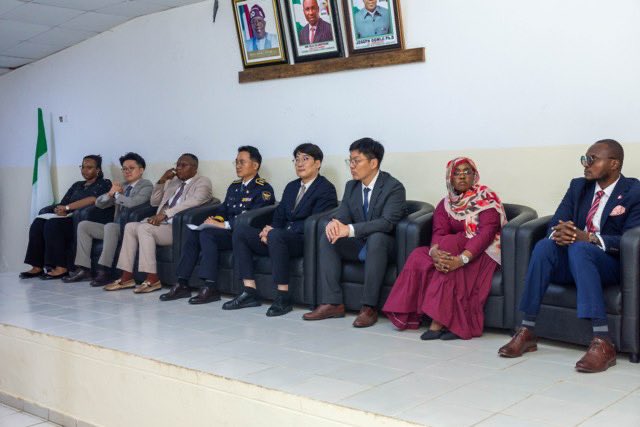
The Economic and Financial Crimes Commission, EFCC, has taken another step towards strengthening the capacity of officers of the Commission to combat sophisticated financial crimes with the opening of a 10-day specialised training programme on Asset Tracing and Crypto currency Investigation,
The training, packaged in partnership with the South Korean Police for over thirty operatives of the EFCC, commenced on Tuesday 13 October, 2026 at the EFCC Academy, Karu, Abuja.
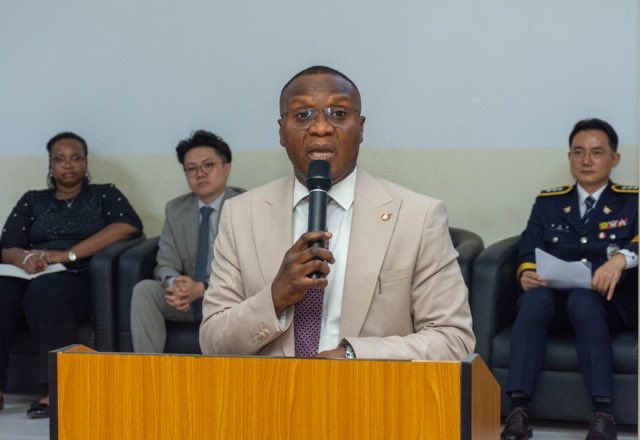
The Executive Chairman of the EFCC, Ola Olukoyede, who spoke through the Acting Commandant, EFCC Academy, Assistant Commander of EFCC, ACE1 Joseph Ogwiji, said “the increasing use of digital financial services and virtual assets require investigators to continually develop their knowledge and skills.”
“While these technologies support legitimate economic activity, they can also be exploited to facilitate fraud, transfer criminal proceeds and conceal the identities of those involved. Our response must be informed, technically competent and grounded in lawful investigative procedures.”
He explained that following the trending dimension of cross-border crimes and money laundering, the ability to interpret transaction records, follow funds across different platforms and connect digital evidence to the conduct of individuals under investigation is required for combating all forms of economic and financial crimes across the globe.
The Consul and Police Attaché at the Embassy of the Republic of Korea in Nigeria, Mr Eun-pyo Hong in his remark said the training, which is the first of its kind to be conducted by the Korean Government in Africa, marks the first anniversary of a Memorandum of Understanding (MoU) signed between the EFCC and the Korean National Police Agency (KNPA) on October 2025 in Seoul, South Korea.
“I am especially pleased that our first programme in Africa is taking place here in Nigeria, a leading country in West Africa. And I am also very pleased to start this programme with the EFCC, one of Nigeria’s most respected law-enforcement institutions” he said.
The MoU which was signed by Olukoyede and the Deputy Commissioner General of KNPA, Park Seong-Ju focuses on information exchange, best practices sharing, capacity building, institutional strengthening, research collaboration, asset recovery coordination, public education, mutual support platform, training exchange, international cooperation and flexible expansion.
Woosung Kwon, leader of the Training team from the Korean Police Investigation Academy of the Korean National Police Agency, which includes Inspector Kim Sung Jae, Sergeant Jung Youngmo thanked the EFCC management and the organizing team for their hospitality and cooperation.
According to Kwon, “financial crime is changing fast, criminals now use crypto, cross-chain tools, and the dark web to hide money..... we came to learn from your cases and your experience. Crypto crime has no borders, so our cooperation must have no borders, too.”
��
He further explained that the training will cover hands-on practice on open source investigation techniques, crypto currency tracing, from finding the first clue to seizing the assets and preparing evidence for court.
The Head, External Cooperation, EFCC, Aliyu Wali in his remark said "as financial crimes increasingly exploit virtual assets and emerging technologies, strengthening the capacity of our investigators to trace, analyse and investigate virtual asset transactions has become imperative. This training will enhance our officers' technical capabilities and further strengthen our efforts to combat cyber-enabled financial crimes and recover the proceeds of crime."
Court Dismisses Akwa Ibom State’s Suit Challenging the Powers of the EFCC
Justice M.A. Onyetenu of the Federal High Court sitting in Uyo, Akwa Ibom State, has dismissed a suit filed by the State’s Attorney General and Commissioner of Justice in 2017, Uwemedimo Nwoko, challenging the statutory powers of the Economic and Financial Crimes Commission, EFCC, to investigate the financial activities of the state government.
Delivering the landmark judgment on Thursday, October 8, 2026, Justice Onyetenu hinged the ruling on the preliminary objection filed by the Commission’s legal team.
The case originated in 2016 when some indigenes of the state petitioned the Office of the Executive Chairman of the EFCC over alleged diversion of state resources for purposes other than the welfare and development of the state.
The Commission then commenced investigation into the matter and subsequently invited some government officials for questioning. But rather than honouring the invitation, the officials approached the Akwa Ibom State High Court, Ikot Ekpene, through the state Attorney-General, challenging the Commission’s actions.
The suit also joined other federal government agencies.
In the suit, the Attorney-General challenged the Commission’s authority to investigate the financial activities of the state government. While the matter was pending before the State High Court, the Attorney-General instituted another suit at the Federal High Court.
The Attorney-General further obtained an interim restraining order on July 6, 2016, from the late Honourable Justice F.O. Riman, restraining the Commission and other federal government agencies pending the determination of the case.
The order was subsequently relied upon to challenge the Commission’s attempts to invite state officials for questioning. An appeal against the restraining order was unsuccessful, as the Court of Appeal directed the parties to return to the trial court and await the determination of the substantive suit.
In response, the EFCC’s counsel, Joshua Abolarin filed a preliminary objection challenging the competence of the suit. The objection was predicated on the grounds that a similar suit instituted before the Akwa Ibom State High Court, Ikot Ekpene, remained pending and had not been determined before the commencement of the federal suit.
Delivering his ruling on October 8, 2026, Justice Onyetenu upheld the preliminary objection and dismissed the entire suit.
The ruling marks a significant legal development in the protracted dispute over the Commission’s investigative powers in relation to the financial activities of the Akwa Ibom State Government.
EFCC Arraigns One for Alleged N31m, $3,600, €1,815 Visa Fraud in Port Harcourt
The Port Harcourt Zonal Directorate of the Economic and Financial Crimes Commission, EFCC, has arraigned one Modupe Oriyomi Ativie before Justice A. T. Muhammed of the Federal High Court, sitting in Port Harcourt, Rivers State, for alleged fraud.
She was arraigned on a five-count charge, bordering on visa fraud, advance fee fraud and obtaining money under false pretence.
One of the charges reads: "That you, Modupe Oriyomi Ativie and Eudora and Aegle Management Consulting Limited, sometime in July, 2024 at Port Harcourt, within the jurisdiction of this Honourable Court did obtain the sum of Eight Million, Five Hundred and Eighty Thousand Naira (N8,580,000.00, only) from One Atamuotoru Dikiari Michael through his sister, Rita Chikeru Owhonda by false pretence under the guise of offering a visa sponsored employment to Canada for him, which pretext you knew to be false and thereby committed an offence contrary to Section 1(1)(a) & (b) of the Advance Fee Fraud and Other Fraud Related offences Act 2006 and Punishable under same section of the same Act".
Another reads: "That you Modupe Oriyomi Ativie and Eudora and Aegle Management Consulting Limited between 21st November, 2024 to 23rd January, 2025 at Port Harcourt, within the jurisdiction of this Honourable Court did obtain the sum of Twenty-Two million, Four Hundred and Eighty-Two Thousand Naira (N22,482,000. 00, only) from one Augustine Olague by false pretence under the guise of offering a visa sponsored employment to Canada for him, which pretext you knew to be false and thereby committed an offence contrary to Section 1(1) (a) & (b) of the Advance Fee Fraud and Other Fraud Related Offences Act, 2006 and punishable under Section 1(3) of the same Act".
She pleaded "not guilty," to charges, prompting the prosecution counsel I. Agwu to ask the court for a trial date and for the defendant to be remanded in Port Harcourt Correctional Centre, pending his trial, while the defence counsel, J. Kehinde applied for his bail to enable her prepare for her trial.
Justice Muhammed thereafter, ordered for the remand of the defendant in EFCC’s custody and adjourned the matter till October 16, 2026 for ruling on her bail application.
The defendant’s way to the court was paved by a petition from Michael Aiamunotorudikari, in which he alleged that he lost money in various currencies, together with other victims, to the defendant. He disclosed that his sister Rita Chikeru Owhonda introduced Eudora and Aegle Management Consultant to the defendant's company in June 2024, as an agency that was procuring Canadian visa and employment opportunities for travellers in the country.
He alleged that he initially paid the sum of $5,800 (Five Thousand, Eight Hundred United States Dollars) into the defendant’s Eudora and Aegle Travel Management Consultant account and additional sum of N8,580,000 ( Eight Million, Five Hundred and Eighty Thousand Naira into another account of the the defendant
According to him, the defendant became incommunicado after the two payments and that all his efforts to recover his money proved abortive.
Investigation by the Commission revealed that the defendant received an aggregate sum of N31,062,000 (Thirty-one Million and Sixty Two Thousand Naira) from the petitioner and $3,600 (Three Thousand, Six Hundred Dollars) and €1,815,00 (One Thousand, Eight Hundred and Fifteen Euros) from other victims.
Tinubu Applauds EFCC on Record- Breaking Achievements
… Calls for Stronger Synergy among Anti-Graft Stakeholders
President Bola Tinubu has commended the Economic and Financial Crimes Commission, EFCC, for its record-breaking achievements in combating financial crimes, recovering illicit assets and strengthening Nigeria’s international financial standing and called for stronger collaboration among all stakeholders in the anti-corruption corridor.
The President gave the applause in Abuja on Tuesday, October 13, 2026, at the opening ceremony of the 8th EFCC/National Judicial Institute, NJI Workshop for Judges and Justices.
The workshop is themed: “Investigation and Prosecution of Economic and Financial Crimes in a Digital Age.”
Represented by Vice President Kashim Shettima, Tinubu particularly commended the EFCC’s efforts in tackling cryptocurrency fraud and recovering virtual assets, noting that the Commission had demonstrated its determination to stay ahead of evolving criminal methods. “The EFCC’s recent momentum in tackling cryptocurrency fraud and its commendable strides in recovering virtual assets is highly reassuring. These actions signal an agency that is proactive, forward-looking and resolved not to be outpaced by technological innovation,” he said.
In the first 34 months of the current administration of the EFCC, the Commission filed 14,476 cases in court and secured 10, 872 convictions, which represents 75.1 percent conviction-to-filing ratio. The EFCC equally recorded 1,370 convictions from 1,889 filings in the first half of 2026. In addition, the Commission recovered N1.233 trillion, $684,478,457.32, £373, 905.78, and €9,343,803.66 in monetary assets.
The President cited the successful prosecution and subsequent deportation of 192 foreigners arrested for cyberterrorism and cryptocurrency fraud as evidence of the Commission’s commitment to combating technology-driven crimes.
He noted that the increasing sophistication of financial crimes, driven by blockchain technology and artificial intelligence, require continuous capacity building for investigators, prosecutors and judicial officers.
“Because these modern threat typologies are constantly mutating, law enforcement and judicial authorities must engage in continuous capacity building to effectively adapt and respond to these evolving threats. Adapting to the shifting dynamics of financial crime and realigning our investigative and prosecutorial strategies is critical to preventing institutional obsolescence,” he said.
President Tinubu also pledged the Federal Government’s support for judicial capacity development, stressing that an independent, progressive and reform-minded judiciary was indispensable to achieving meaningful progress in the anti-corruption campaign.
He, however, urged the judiciary to strengthen its capacity to adjudicate complex financial crime cases, assuring that his administration would continue to support the sector while respecting judicial independence.
He particularly expressed concern that major anti-corruption prosecutions lost on procedural technicalities could undermine public confidence in the justice system. He urged the EFCC and the judiciary to continue to improve on prosecutorial discipline and close loopholes exploited by individuals seeking to frustrate trials.
He maintained that the fight against corruption should not be regarded as an Executive agenda alone, but as a collective responsibility of all arms of government.
Additionally, the President acknowledged that the EFCC’s asset recovery efforts had provided critical fiscal support for social intervention programmes, including the Nigerian Education Loan Fund, NELFUND and the Nigerian Consumer Credit Corporation, CREDICORP.
In his welcome remarks, Executive Chairman of the EFCC, Mr. Ola Olukoyede said his administration has embarked on operational reforms that now enable the Commission to secure more recoveries and convictions. He also stated that the EFCC is strengthening intelligence-led investigations, forensic capabilities, domestic and international cooperation, while deepening its understanding of emerging financial technologies.
“We do not seek simply to investigate more people; we seek to investigate more intelligently. We do not seek merely to prosecute more cases; we seek to prosecute cases that are properly investigated and capable of meeting the required standard of proof. Where assets are recovered, we seek to ensure that the recovery is lawful, transparent and sustainable,” he said.
The EFCC’s boss underscored institutional bottlenecks and procedural delays as some of the barriers to effective prosecution that paralyze complex financial crime proceedings, adding that frivolous adjournments and constant change of counsel stall the wheels of justice. “When financial crime cases are allowed to drift indefinitely, the integrity of the process erodes. Evidence deteriorates and loses its cogency. Witnesses disappear, relocate, or suffer memory lapses. Public confidence in the judicial system completely evaporates. Justice endlessly delayed is accountability decisively defeated,” he said.
Olukoyede told the gathering that “adjudicating corruption cases requires an elevated standard of integrity, judicial courage, and an unswerving commitment to the rule of law. We continue to hold in the highest esteem those jurists who have consistently held the candle of justice aloft in these challenging times.”
“We do not urge Your lordships to reinvent the wheel, nor do we suggest the manufacturing of evidence to secure convictions. We ask only for rigorous, expeditious adjudication. Before delivering judgment in any corruption matter, I urge you to resolve a few fundamental questions within your own conscience: Will this verdict encourage or deter financial crimes? How will this decision be measured by the verdict of judicial history decades from now? What colour will this judgment add to the enduring tapestry of your legacy?”
He said the goal of anti-corruption efforts was a more cohesive justice system where investigators know exactly what the courts require; prosecutors proactively anticipate evidentiary challenges; forensic specialists translate complex digital data into clear testimonies, and the judiciary understands the sophisticated methods used to perpetrate and conceal financial crime.
On her part, Chief Justice of Nigeria, Justice Kudirat Kekere-Ekun stressed the need for the judiciary to strengthen its capacity to handle emerging forms of financial crimes in the digital age, while upholding the principles of fair hearing, due process and judicial independence. She noted that cryptocurrency transactions, encrypted communications, electronic records and cross-border financial activities had introduced new complexities into criminal proceedings, requiring judges to understand how digital evidence is obtained, preserved, authenticated and evaluated.
She said the seriousness of an allegation must not determine the outcome of a trial, insisting that the prosecution must establish its case through credible and legally admissible evidence. She also emphasised the importance of effective case management under the Administration of Criminal Justice Act, 2015, urging judges to prevent unnecessary delays without compromising the rights of parties.
The Chief Justice said continued judicial education had improved judges’ capacity to handle financial crime cases. She also highlighted Nigeria’s removal from the Financial Action Task Force’s Grey List on October 24, 2025, as an important milestone requiring sustained institutional commitment.
According to her, the judiciary must continue to strengthen its professional standards and competence in adjudicating corruption, money laundering and other financial crimes. She, however, cautioned that institutional cooperation must respect the constitutional independence of the courts, stressing that monitoring and coordination must never extend to influencing judicial decisions.
Chairman, Senate Committee on Anti-Corruption, Senator Emmanuel Udende identified delays in the trial and determination of economic and financial crime cases as a major challenge undermining Nigeria’s anti-corruption efforts. He noted that although investigations and prosecutions were essential, their impact was diminished when cases remained unresolved for years. Such delays, he said, weakened deterrence, undermined public confidence, consumed judicial resources and complicated the recovery of public funds.
He urged judges to strengthen case management, minimise avoidable adjournments and ensure the timely conclusion of proceedings in accordance with the law. He nevertheless emphasised that expeditious trials must not come at the expense of due process, noting that accused persons were equally entitled to fair hearings within a reasonable time.
Udende also called for stronger institutional cooperation and sustained capacity building to address the challenges posed by digital evidence and increasingly sophisticated financial crimes. He urged investigators to present complete and properly organised evidence, prosecutors and defence counsel to discharge their responsibilities diligently, and judges to exercise firm, fair and impartial control over proceedings.
He encouraged the EFCC and NJI to sustain their collaboration and develop practical recommendations for improving the handling of digital evidence, reducing delays and strengthening coordination across the criminal justice system.
Chairman, House Committee on Financial Crimes, Ginger Obinna Onwusibe called for urgent reforms to address the evidence, speed and legislative gaps undermining the investigation and prosecution of financial crimes in Nigeria.
The lawmaker pledged the National Assembly’s support for strengthening the EFCC through adequate funding for forensic laboratories, digital investigation tools and specialised training. He also promised legislative reforms to improve the admissibility of digital evidence, facilitate the management of virtual assets and strengthen the legal framework for combating cybercrime and money laundering.
Onwusibe further advocated improved judicial welfare and independence, stressing that an adequately equipped judiciary was essential to effective justice delivery. He challenged judges to demonstrate firmness in deciding financial crime cases, declaring that the EFCC could arrest suspects and the legislature could enact laws, but only the judiciary could convict offenders. He urged participants to build a justice system capable of responding more swiftly and intelligently to technology-driven criminal activities.
Attorney-General of the Federation and Minister of Justice, Lateef Fagbemi, emphasised that effective prosecution of financial crimes must begin with thorough investigations and the proper handling of digital evidence. He said such evidence must be lawfully obtained, carefully preserved, reliably authenticated and clearly linked to the elements of the alleged offence. He warned that prosecutorial success should not be measured merely by arrests or charges filed, but by the integrity of investigations, fairness of proceedings and sustainability of judicial outcomes.
Describing prosecutors as ministers of justice, Fagbemi stressed that their responsibility was to pursue justice through lawful means rather than secure convictions at all costs. He called on investigators, prosecutors, defence counsel and judges to discharge their duties professionally, while ensuring that the pursuit of speed did not undermine fair hearing.
Fagbemi also underscored the importance of recovering and managing proceeds of crime, noting that the Proceeds of Crime (Recovery and Management) Act, 2022, provides mechanisms for tracing, preserving, recovering and managing illicit assets. He stressed that asset recovery must be supported by credible evidence, proper judicial processes and respect for the rights of affected persons.
According to him, improved forensic capacity, information sharing and international assistance were essential to achieving lasting results. He urged institutions to replace rivalry with shared responsibility, insisting that Nigeria’s anti-corruption efforts must remain uncompromising in confronting financial crimes while equally protecting the rights of innocent persons and upholding the rule of law.
He further called for stronger cooperation among the Ministry of Justice, EFCC, judiciary, financial intelligence institutions and other relevant agencies to combat increasingly borderless financial crimes.
The opening ceremony was well-attended by members of the bar and bench, anti-corruption experts across the country and other stakeholders in the fight against corruption. The three-day Workshop will end on Thursday, October 15, 2026.