📢 We’ve moved to a new Telegram community channel!
Our new official OGBC Events & Community channel is now live and will be the main place for upcoming events, announcements and community updates 🔥
If you were part of our previous Telegram community, make sure to join us at the new channel!
🔗 https://t.co/rzLt1le4BD
Stay connected with #OGBC for more events and community updates!
4/4 | Google Expands Gemini Into Healthcare AI
Google is expanding Gemini further into healthcare as major AI companies increase their focus on medical applications. The move adds to growing efforts to apply advanced AI across healthcare workflows, where access to health data and more capable models are creating new opportunities for personalized and AI-assisted services.
November 13, 2026
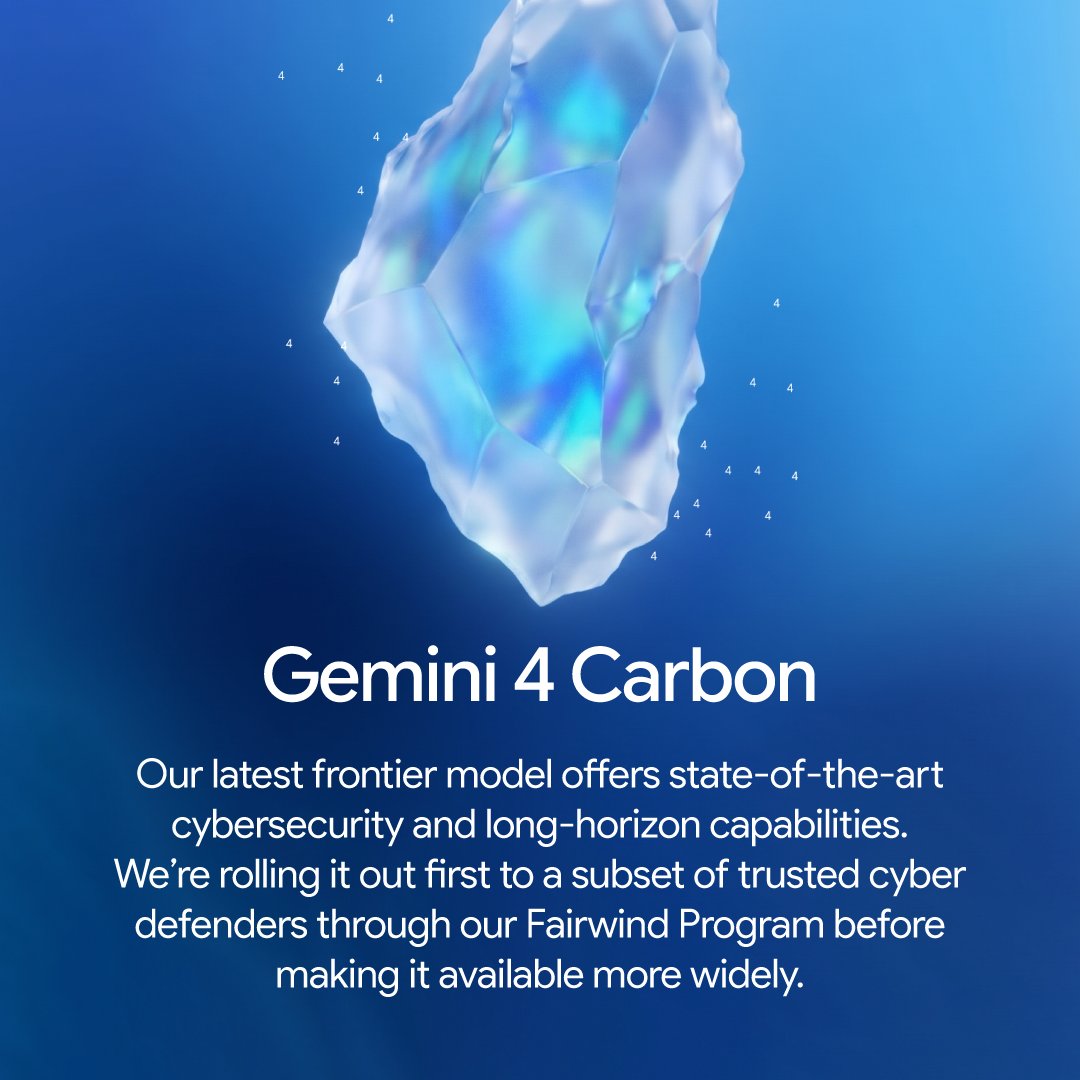
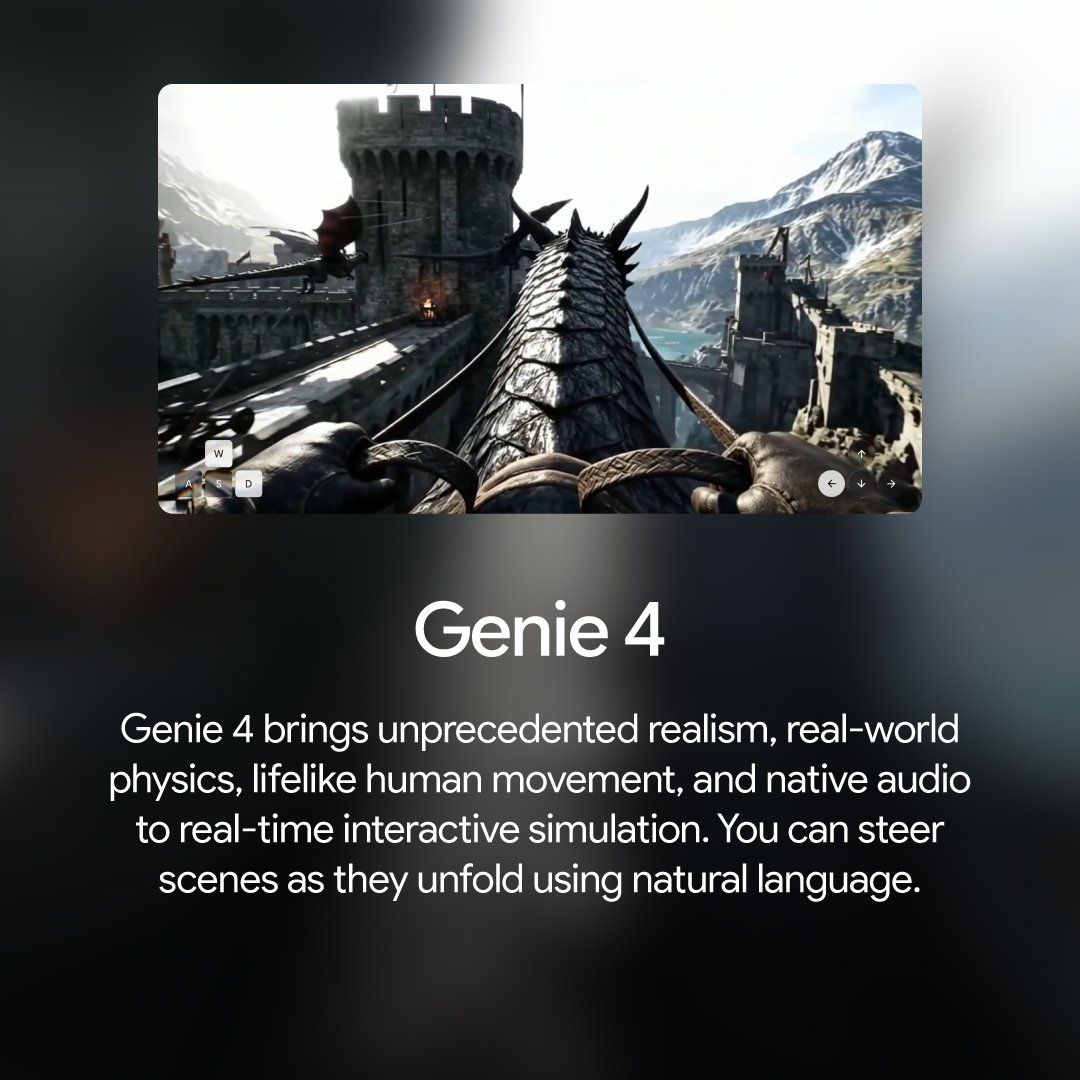
3/4 | Google Makes Gemini 4 Carbon Widely Available
Google has released Gemini 4 Carbon to developers, enterprises, scientists and consumers. Built for complex, long-running tasks, the frontier model strengthens capabilities across cybersecurity, software engineering, scientific reasoning and professional knowledge work, with access available through Google’s AI products and paid API.
Frontier models don’t last. Martin Casado (a16z): the commercial lifespan of a leading model is only 3 to 6 months.
Miss the next release window and you can lose the entire market.
This is why the real opportunity in AI isn’t just using the latest model, it’s being positioned in the companies that can keep shipping at the frontier.
Access to those private market opportunities is becoming the scarce resource.
Enterprise AI agents are moving beyond individual productivity tools and into industry-specific workflows.
IBM and Microsoft have launched Imagine Enterprise, a platform designed to help companies build, deploy and govern AI agents across existing data, systems and business processes.
IBM brings more than 6,000 prebuilt AI agents and assets, while Microsoft provides the cloud, data, identity, security and governance infrastructure supporting their deployment.
The initial frameworks focus on financial services, insurance and retail, where introducing autonomous systems requires controls, observability and compliance alongside capability.
For enterprises, building a capable agent is only part of the challenge. The harder work is connecting it to existing systems, giving it the right context and controls, and making it reliable enough to operate inside real business processes.
https://t.co/OtRKX5Mugt
Introducing Claude Fable 5.2 and Claude Mythos 5.2, designed to tackle the most daunting technical challenges.
They’re capable collaborators on ambitious projects in many fields, and show improvements in areas like coding, reasoning, and vision.
LATEST: 🤖 Vitalik Buterin says AI has created “new and more powerful monsters that we just have to deal with.”
"It's a crazy game, and unfortunately, it's also a compulsory game.”
The next AI infrastructure winner might not own the most GPUs.
It might be the one that makes them the most useful.
Modal CEO Eric's conversation on 20VC raises an important question for AI investors: Where does durable value actually accrue as inference becomes commoditized?
Three ideas worth thinking about:
→ Infrastructure moats are fragile. Execution speed matters more than early technical leads.
→ Raw inference is a pricing war. Developer platforms, sandboxes, and post-training workflows offer a path to differentiation.
→ Compute flexibility matters. Intelligent orchestration may prove more valuable than rigid, long-term GPU commitments.
At OGBC, we believe the more interesting opportunity is increasingly shifting from selling compute to enabling what developers can build with it.
Worth watching for anyone building or investing in the AI stack. 👇
https://t.co/HwBQqfLc0s
We’ve recently observed at OGBC that enterprise AI spend is increasingly concentrating around agents that can actually execute work — research, compliance checks, client servicing — rather than just generate answers.
The capital intensity of the stack underneath this (inference, data, identity) is becoming a defining feature of which platforms will compound.
In APAC, this is creating a clear split between firms that are redesigning operating models and those still running pilots.
https://t.co/TAv23mjNN4
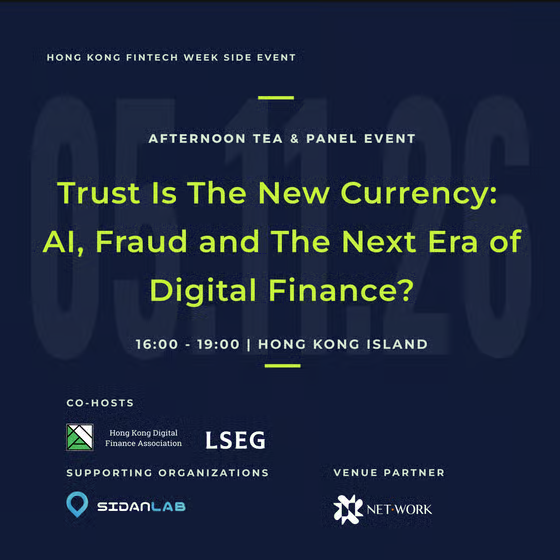
Digital trust is becoming increasingly important as financial services adopt new technologies.
Taking place in Hong Kong, Next-Gen Digital Trust & Onboarding Architecture, co-hosted by the Hong Kong Digital Finance Association and London Stock Exchange Group (LSEG), will bring together industry leaders to explore the future of financial security.
From AI-driven fraud and digital identity to KYC/AML compliance and secure onboarding, the session will examine how financial institutions can strengthen security while maintaining a seamless customer experience.
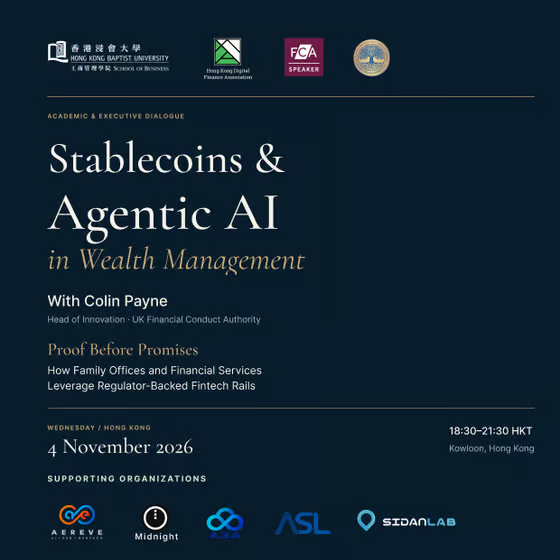
The future of wealth management is bringing together AI, digital assets and financial regulation.
Join the Academic & Executive Dialogue: Stablecoins & Agentic AI in Wealth Management in Hong Kong, hosted by the Hong Kong Digital Finance Association and HKBU School of Business.
Featuring Colin Payne, Head of Innovation at the UK's Financial Conduct Authority (FCA), the session will explore responsible AI adoption, regulatory sandboxes, stablecoin infrastructure and cross-border fintech development.