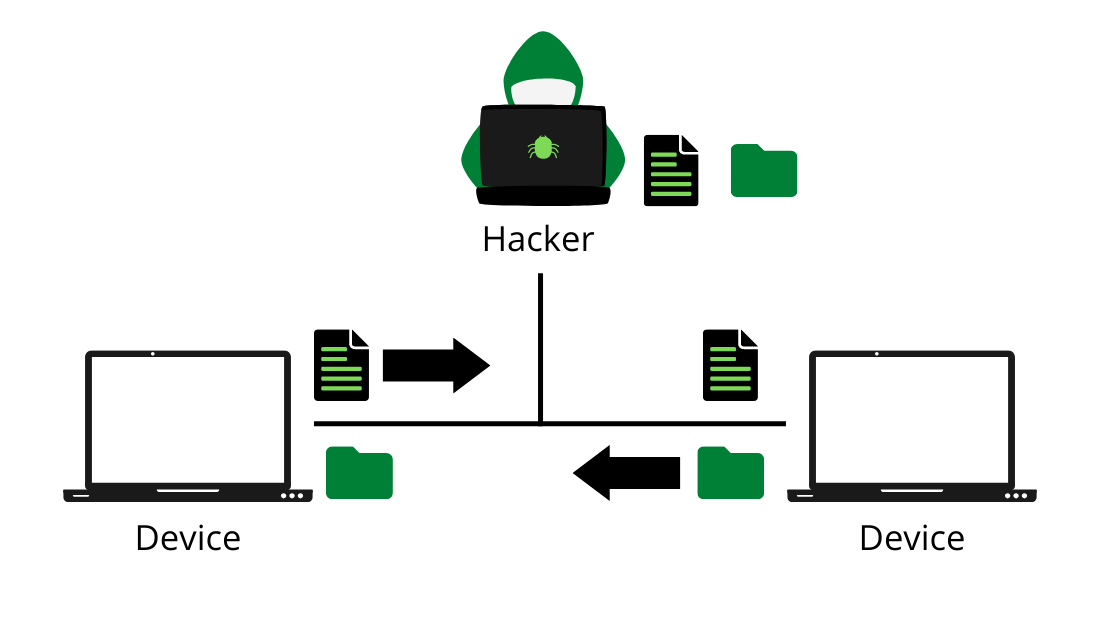
It’s surprising how many websites are still vulnerable to file upload vulnerabilities in 2024.
For context, a file upload vulnerability occurs when attackers upload harmful files, such as scripts or malware, to a website. They often hide malicious code within seemingly harmless files, and if these files aren’t thoroughly checked, they can expose critical parts of the website, allowing attackers to gain unauthorized access or cause damage.
To protect your website, limit the file types that can be uploaded (e.g., allow only images), check files for hidden code, and scan for viruses. Additionally, store uploaded files in a secure area away from critical components of your website. Simple steps like these can make a big difference in keeping your site safe!
“Exploit” and “payload” are two important concepts in ethical hacking that are commonly confused. To be an effective ethical hacker, it’s essential to understand both terms and how they apply in real world scenarios. I created a short video explaining the differences between a payload and an exploit, breaking down each concept in simple terms. Check it out on my YouTube channel👇🏽
https://t.co/TMkJs0W6At
if you find it helpful, please like, share, and subscribe!
Let’s talk about how attackers hijack your network with DNS and ARP Spoofing and how you can prevent these attacks to stay safe online.
We’ll start by explaining the key terms:
What is DNS Spoofing🤔?
The Domain Name System (DNS) acts like a phonebook for the internet, translating domain names (like https://t.co/boNULrG4bo) into IP addresses that computers use to communicate. When you type a website address, DNS ensures your device reaches the correct server.
DNS Spoofing, also known as DNS cache poisoning, is a type of cyberattack where a malicious actor intercepts DNS requests and tricks a victim into visiting a fake website instead of the intended one. For instance, a user may type https://t.co/FzekI43LkI, expecting to access their bank, but is redirected to a phony page that steals their credentials.
2. What is ARP Spoofing❓️
The Address Resolution Protocol (ARP) is responsible for mapping IP addresses to MAC addresses (the unique identifiers for network devices). ARP enables devices on a local network to communicate directly.
ARP Spoofing is a technique where an attacker sends false ARP messages to a network, associating their MAC address with the IP address of another device, typically the default gateway (router). By doing this, the attacker can position themselves between two communicating devices, intercepting or even modifying their data.
An example scenario would be a victim trying to connect to their network's router at IP address 192.168.1.1. In this scenario, an attacker can impersonate the router’s MAC address, tricking the victim’s device into believing it’s communicating with the legitimate router. This allows the attacker to intercept all data passing between the victim and the internet, effectively capturing sensitive information and monitoring their online activity in real time.
Why Are These Attacks Dangerous?
Both DNS and ARP spoofing are part of man-in-the-middle (MITM) attacks, where attackers intercept communications between users and legitimate services. These attacks can lead to Data Theft and Manipulation, allowing the attacker to steal and modify sensitive information like login credentials, credit card details, personal messages, etc
To secure yourself and network against these attacks, consider these measures:
1) Implement Network Segmentation: Limit the number of devices that can interact on the same network as it makes spoofing harder.
2) Install a VPN: A VPN will encrypt all traffic and help protect against MITM attacks, even on compromised networks.
3) Network Monitoring Tools: IDS (Intrusion Detection Systems) and IPS (Intrusion Prevention Systems) can alert you to unusual ARP or DNS activities.
A good understanding of how DNS and ARP spoofing work is very important, especially in today’s digital age. By securing your network and staying vigilant, you can better protect your data and privacy against these threats.
New video alert! Ever wondered about the difference between an exploit and a payload? 🤔 These two terms are key in ethical hacking, and I’ve broken them down in simple terms.
Check out my latest video and level up your hacking knowledge! 👇🏽
🎥 https://t.co/7e2n3JxWVm
@mmirikoko@obijoseph_c@sandraaaa_mo This is exactly what I say. Talk to meee . Tell me what I did wrong so we can work on it or talk about it. Don't ghost me and leave me to my imagination. It's very painful
@obijoseph_c@sandraaaa_mo No. What about when you apologise and apologise and the problem was a very little one and then he decides to ignore you for days leading into a week. Aghhh and then he comes back to claim he loves you?
@yettypumpkin@sandraaaa_mo Damnn I'm sorry. But why should you be the one to resign? He is the one messing up. If he wants to resign he should but I don't think you should. You can end it if you have the courage to, but hold your head up high baby girl