You measure success by one award. I measure it by sold-out arenas, billions of streams, global influence, and people singing my songs across continents.
You had government backing and still couldn't convince enough people to back you in your small constituency..
You’re a small boy who came into politics by accident..
You spent 8yrs with the ex president and couldn’t make a change in your poverty stricken community..
We all have different trophies Bashir, I’ll keep inspiring the young ones and generations to come while you wait for the next government job to get crumbs.
“My son is almost 30 and he doesn’t own a car. He has to buy his own. I am the elected governor, not him. I cannot spend state resources to get him a car.”
— HE Peter Obi
The increasing use of federal institutions to disrupt governance in opposition states in Nigeria is condemnable. As I said in my last newsletter, no government is above scrutiny but when institutions like the Economic and Financial Crimes Commission (EFCC) are utilised to witch hunt specific states or public office holders, it indicates that their investigations are selective and erodes public trust in these institutions.
The “freezing” of an official state government account without due legal process goes beyond the powers vested in the EFCC by the laws of our land. And the timing of the action suggests that this is just another attempt by the federal government to unduly influence the forthcoming governorship election in Osun State.
Federal institutions must remain faithful to their constitutional mandate by acting with fairness, professionalism and political neutrality at all times. We therefore call on all Nigerians, civil society organisations and the international community to remain vigilant. Democracy cannot thrive where our institutions are perceived as instruments of political intimidation. Protecting the independence and credibility of our institutions is essential to preserving public trust and safeguarding Nigeria's democracy. The rule of law must prevail over the rule of politics.
"The President has been completely demystified... The politics he played was a very divisive politics. It was a very tribal politics. There was no vision to sell, so they sold division."
- Gbadebo Rhodes-Vivour
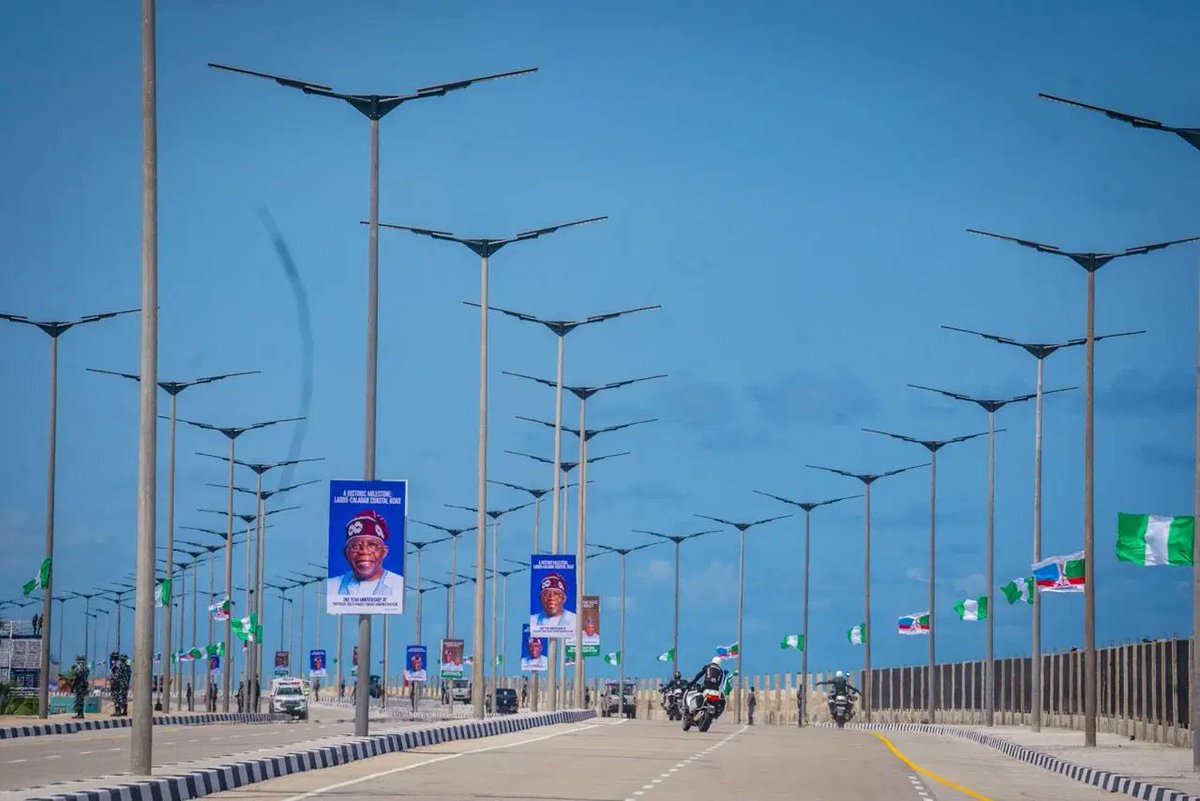
“Nigeria cannot afford the Lagos-Calabar Coastal Highway. I don't think the road will go beyond Epe. There is already a road from Lagos to Calabar. If it's bad, fix it. The money being spent would be better used to improve electricity and healthcare.”
— Donald Duke
🔴⚪️ Mikel Arteta: “We’re going to go and attack every trophy, that’s the ambition”.
“All the work that I’ve done in the summer is to understand what we need to do to win again & create a DYNASTY at this football club, that’s the aim”.
“Nigeria cannot afford the Lagos-Calabar Coastal Highway. I don’t think the road will go beyond Epe. There is already a road from Lagos to Calabar; if it’s bad, fix it” — Former Cross River Governor Donald Duke
When a Government Declares War on the Truth
President Donald Trump of America recently described Nigeria as “a now disgraced country.” The painful reality is that Nigeria’s challenges continue to deepen. Each passing day reveals deeper signs of decline, especially when a government becomes increasingly intolerant of truth and hostile to those who speak about the suffering of the people.
The Catholic Church has never functioned as an opposition party in Nigeria. Across military regimes and successive democratic administrations, the Catholic Bishops’ Conference of Nigeria (CBCN) has maintained a principled voice on national issues and the nation’s conscience, commending governments when they deserved commendation and speaking the truth whenever national conscience demanded it. Its interventions are driven by a moral obligation, rooted in Christian social teaching, to defend truth, justice, and the common good.
The same applies to Nigeria’s major religious organisations. Bodies such as Jama’atu Nasril Islam (JNI), the Supreme Council for Shari’ah in Nigeria (SCSN), the Christian Association of Nigeria (CAN), and the Nigerian Supreme Council for Islamic Affairs (NSCIA) have repeatedly raised concerns over economic hardship, inflation, and insecurity. Living among the people, religious leaders often encounter the suffering of citizens firsthand. They speak because they witness families struggling with rising food prices, unemployment, and the fear created by kidnappings and insecurity.
As leaders, we should be gracious enough to listen to people and organisations that speak the truth to us and genuinely criticise us when things are not going in the right direction. As Governor, I had the opportunity of working with a very strong Council of Traditional Rulers, led by the Obi of Onitsha, and religious bodies that consistently criticised me and offered suggestions. This contributed greatly to our success in Anambra State, especially in critical areas like education and health.
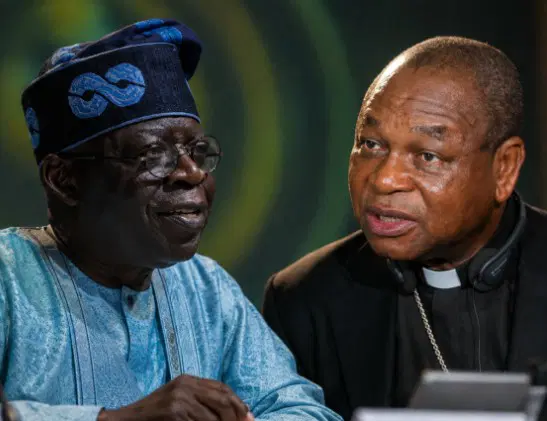
Against this background, the attacks on the CBCN, and especially on His Eminence, John Cardinal Onaiyekan, are deeply troubling. Even in 1998, when Pope John Paul II visited Nigeria and told General Abacha some hard truths, including about the incarceration of Chief Moshood Abiola, nobody vilified him.
During the inauguration of Pope Leo XIV in Rome, to demonstrate his purported commitment to and respect for the Catholic Church, President Bola Tinubu arrived in Rome days before the event, ahead of most other visiting dignitaries, including Catholics such as the U.S. Vice President, JD Vance. He participated in the liturgy, queued with other world leaders to greet the Holy Father, and displayed deep respect for the moral authority of the Church. Back in Nigeria, however, that posture has now changed completely.
What is playing out today also reveals how political leaders sometimes exploit religion and ethnicity to divide the people. Even when it was obvious that the CBCN was speaking on issues affecting Nigerians across religious and ethnic boundaries, aides to the President immediately reduced it to a “religious affair.” The question is: are insecurity, poverty, inflation, unemployment, and hardship problems exclusive to a particular faith? Do these challenges recognise religious or tribal boundaries?
The bishops merely expressed what millions of Nigerians experience daily: insecurity has worsened, poverty is deepening, inflation is crippling families, businesses are struggling, and hope is fading. These are realities echoed by religious leaders across the country, to whom successive governments gave thanks and promised to look into their observations.
Rather than address these concerns or explain the measures in place to ameliorate them, President Bola Ahmed Tinubu’s aides and supporters responded with vicious attacks, particularly against Cardinal John Onaiyekan, with little regard for his age, stature, and accomplishments.
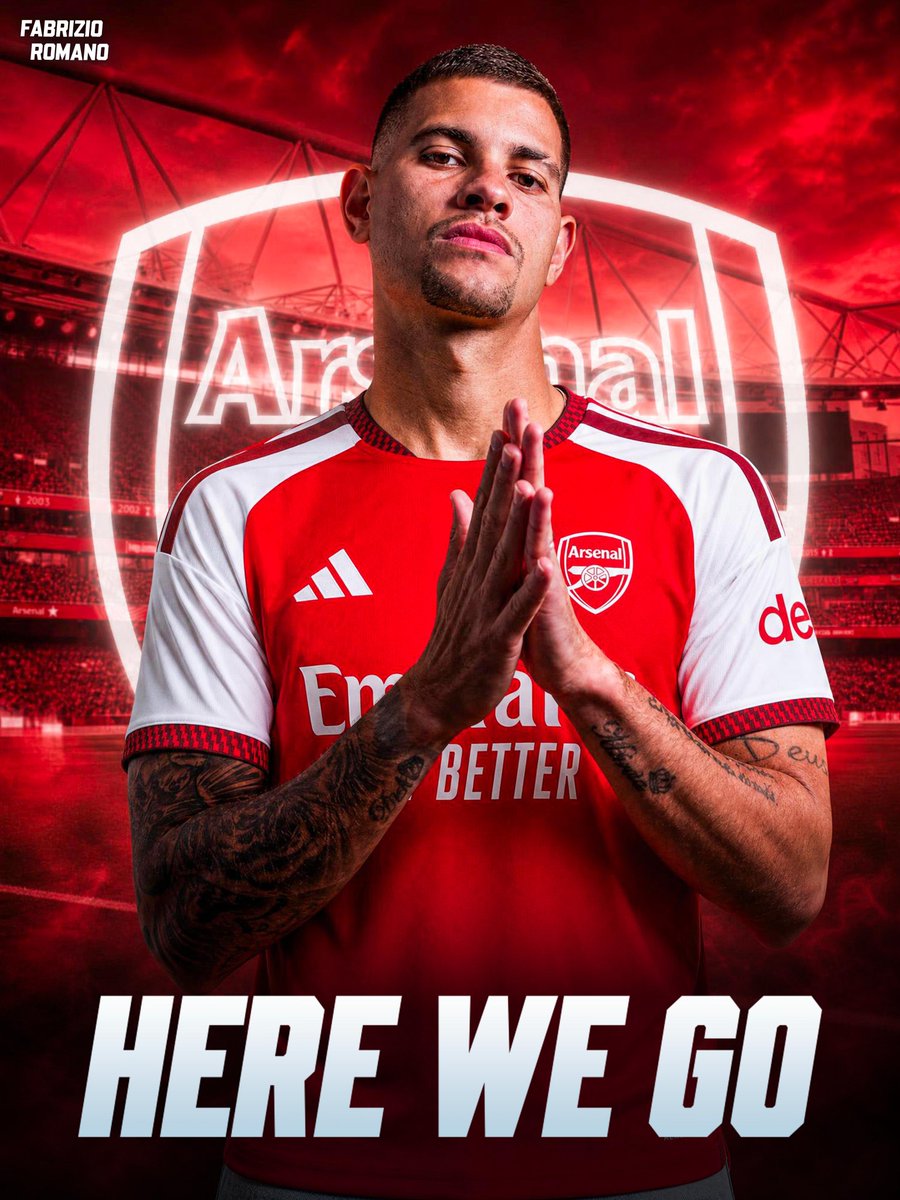
🚨🔴⚪️ BREAKING: Bruno Guimarães to Arsenal, HERE WE GO! 🇧🇷
Agreement in place with Newcastle after long talks and personal terms in place with Bruno since July. Fee worth £75m.
New midfielder for Mikel Arteta. 🔜
The funniest thing is that the Yoruba Omoluabi Virtues we were taught while growing up are the things I see in H.E Mr Peter Obi.
I have never seen those virtues in Bola Tinubu.
"The reason Tinubu uses tribal and religious sentiments as campaign strategy is because he's incompetent and has nothing to offer Nigerians" —Peter Obi