For any regular readers, https://t.co/gSnzJ0ajCa will no longer be updated, although it won't be deleted. But my regular in-depth cricket history pieces (and some revised older ones) will instead appear at https://t.co/Dq23dzayGy. If you don't already subscribe, I hope you will!
There were few more popular cricketers than Surrey’s Bill Hitch. An enthusiastic fast bowler, a big-hitting batter and an exceptional fielder, particularly at short leg. For a time, he was the fastest bowler in England. And the Oval crowds adored him. https://t.co/US6KO4pFlE
There were few more popular cricketers than Surrey’s Bill Hitch. An enthusiastic fast bowler, a big-hitting batter and an exceptional fielder, particularly at short leg. For a time, he was the fastest bowler in England. And the Oval crowds adored him. https://t.co/US6KO4pFlE
So Lord Deerhurst’s greeting there, one day in 1922, must have come as quite a shock: “May I congratulate you, my Lord, on having buggered the career of another young cricketer?”https://t.co/D2OIwurjTW
Lord Harris was many things, including a product of Eton and a former England Test captain. He was also the Treasurer of the MCC, a position offering huge influence over English cricket. The Long Room at Lord’s was his dominion…
But it provoked an exasperated reaction from Lord Deerhurst at Lord's one day: “May I congratulate you, my Lord, on having buggered the career of another young cricketer?”
Link to the article (and feel free to subscribe if you haven't already!): https://t.co/GzAyCNCOe7
In 1922, Lord Harris twice intervened to stop players representing their counties after he discovered — after thorough investigation — that they were not qualified owing to loopholes in the rules. But for Harris it was not about rules: it was about fighting Bolshevism!
But it provoked an exasperated reaction from Lord Deerhurst at Lord's one day: “May I congratulate you, my Lord, on having buggered the career of another young cricketer?”
Link to the article (and feel free to subscribe if you haven't already!): https://t.co/GzAyCNCOe7
In 1922, Lord Harris twice intervened to stop players representing their counties after he discovered — after thorough investigation — that they were not qualified owing to loopholes in the rules. But for Harris it was not about rules: it was about fighting Bolshevism!
@ColinRuneckles Perfect! Thank you! Could I also be a pain and ask which year they stopped putting the full list in? It must be quite recent from what I remember, but my collection is currently elsewhere!!
@ACScricket@cricketarchive I sent an email just now and received an immediate automated reply that they are "aware of an issue" and "working to resolve this asap".
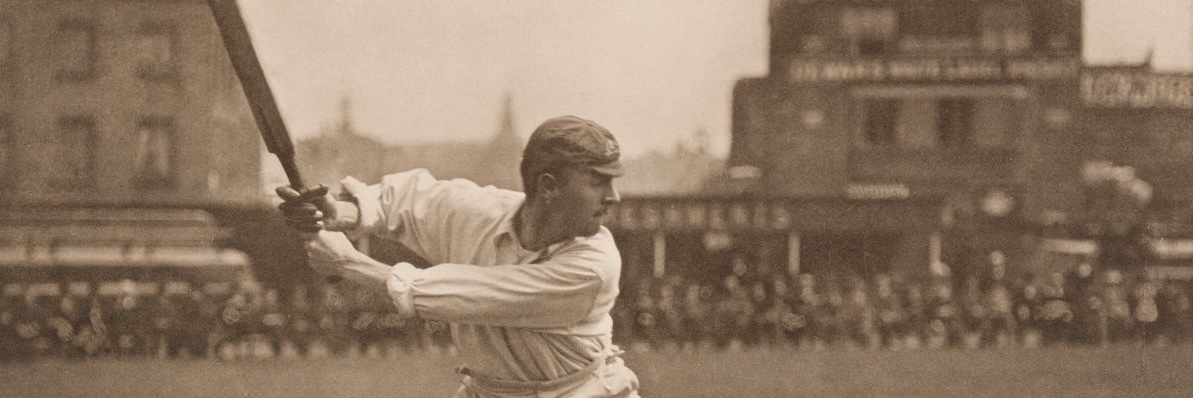
Everyone who saw Frank Woolley admired his beautiful style. Yet he is forgotten today; contemporaries said that neither words nor figures did him justice. But underneath the praise and star-struck wonder, there remains the hint of a far more complicated figure than legend allows
Everyone who saw Frank Woolley admired his beautiful style. Yet he is forgotten today; contemporaries said that neither words nor figures did him justice. But underneath the praise and star-struck wonder, there remains the hint of a far more complicated figure than legend allows
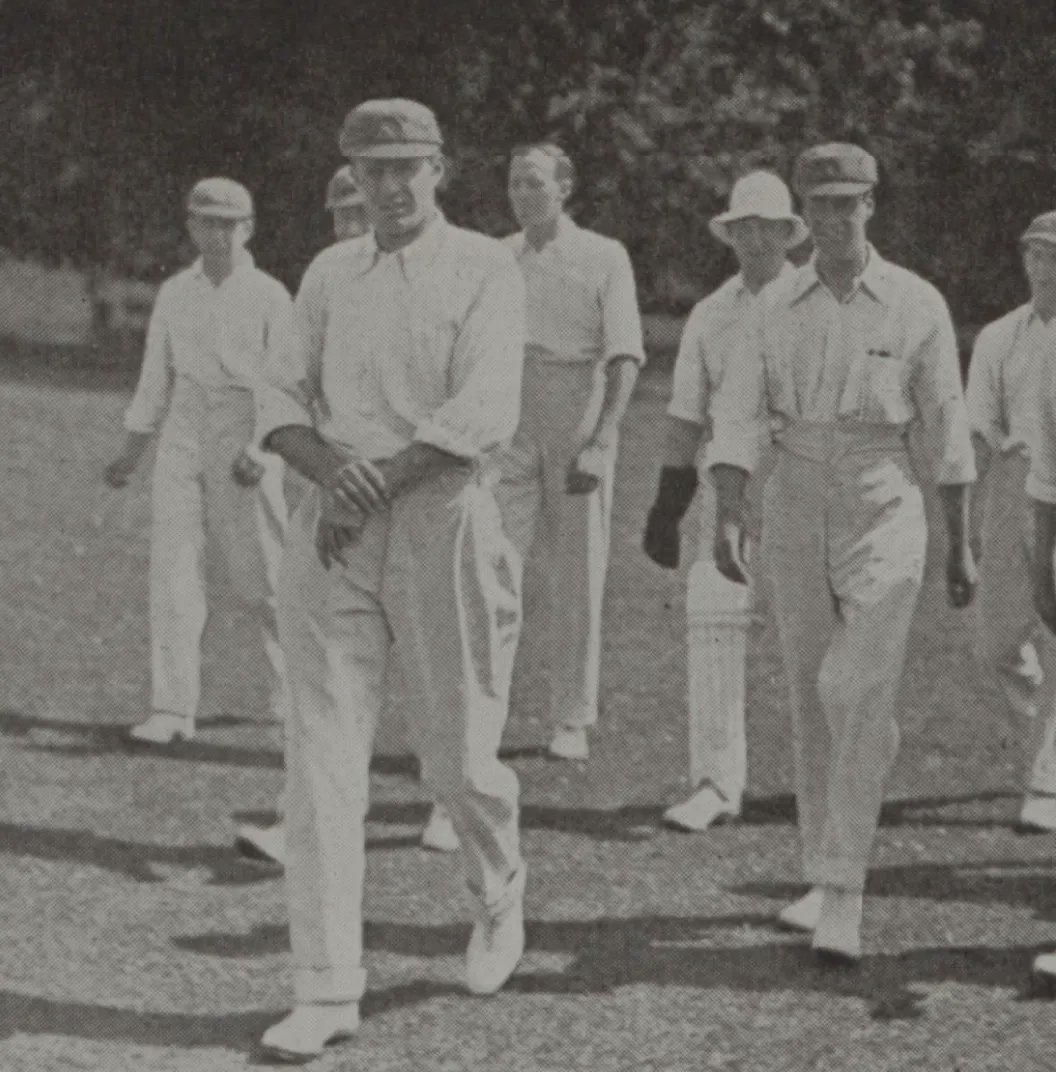
In 1919, the Australian Imperial Forces Cricket Team toured England. They were initially captained by the Australian Test batter Charlie Kelleway. But he was soon replaced by Herbie Collins. No official explanation was ever offered. But there have been plenty of theories.
In 1919, the Australian Imperial Forces Cricket Team toured England. They were initially captained by the Australian Test batter Charlie Kelleway. But he was soon replaced by Herbie Collins. No official explanation was ever offered. But there have been plenty of theories.