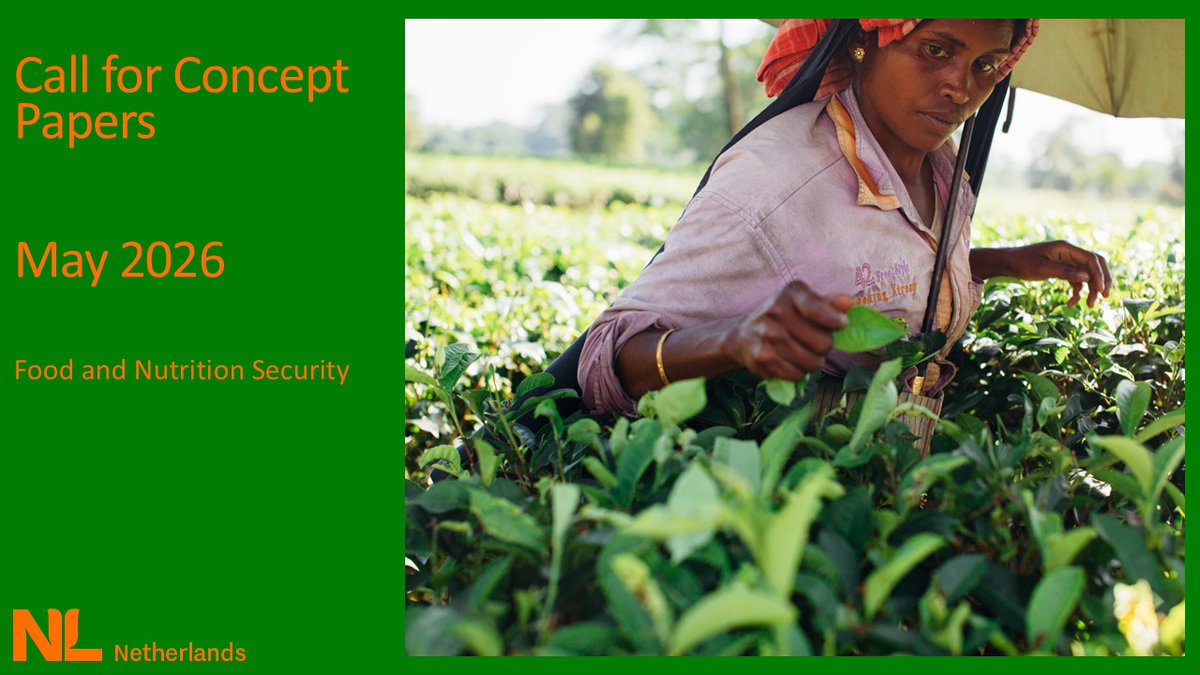
📢 Call for concept papers 🆕
Is your organization working in Kenya🇰🇪 on food and nutrition security? 🌲🌲Look at the call for concept papers and Scoping Study for more details.
https://t.co/W4TfYbQeCf
Deadline: 🗓️15th June 2026.
For questions, please email us by 27th May 2026.
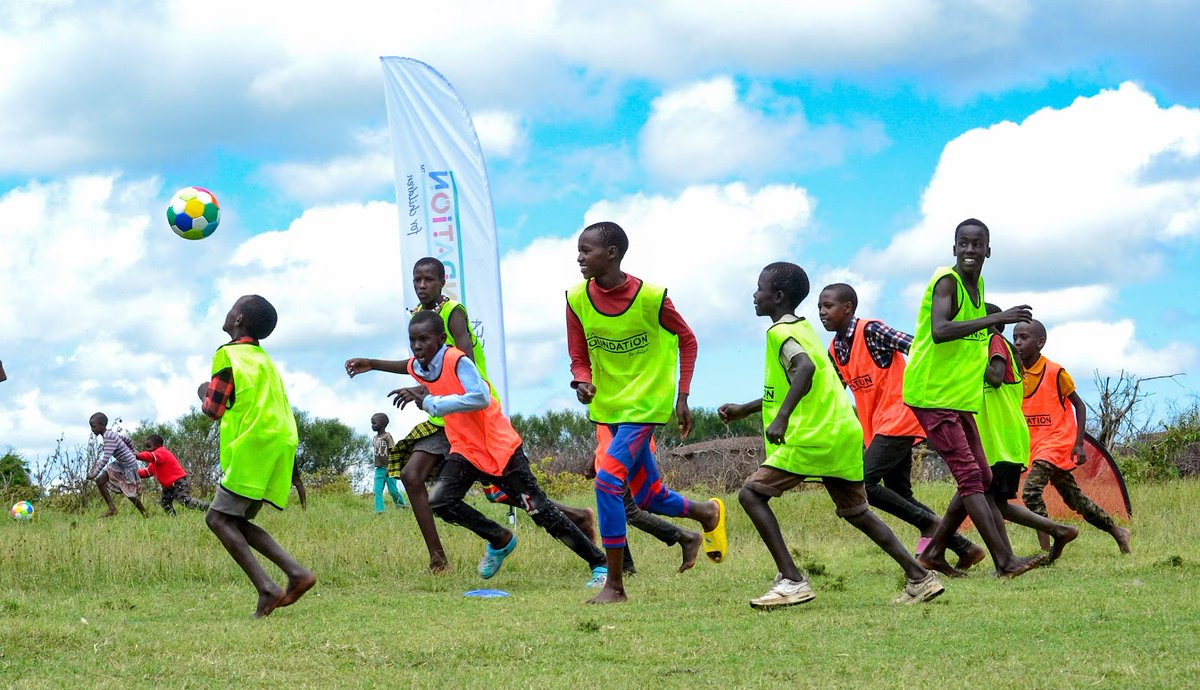
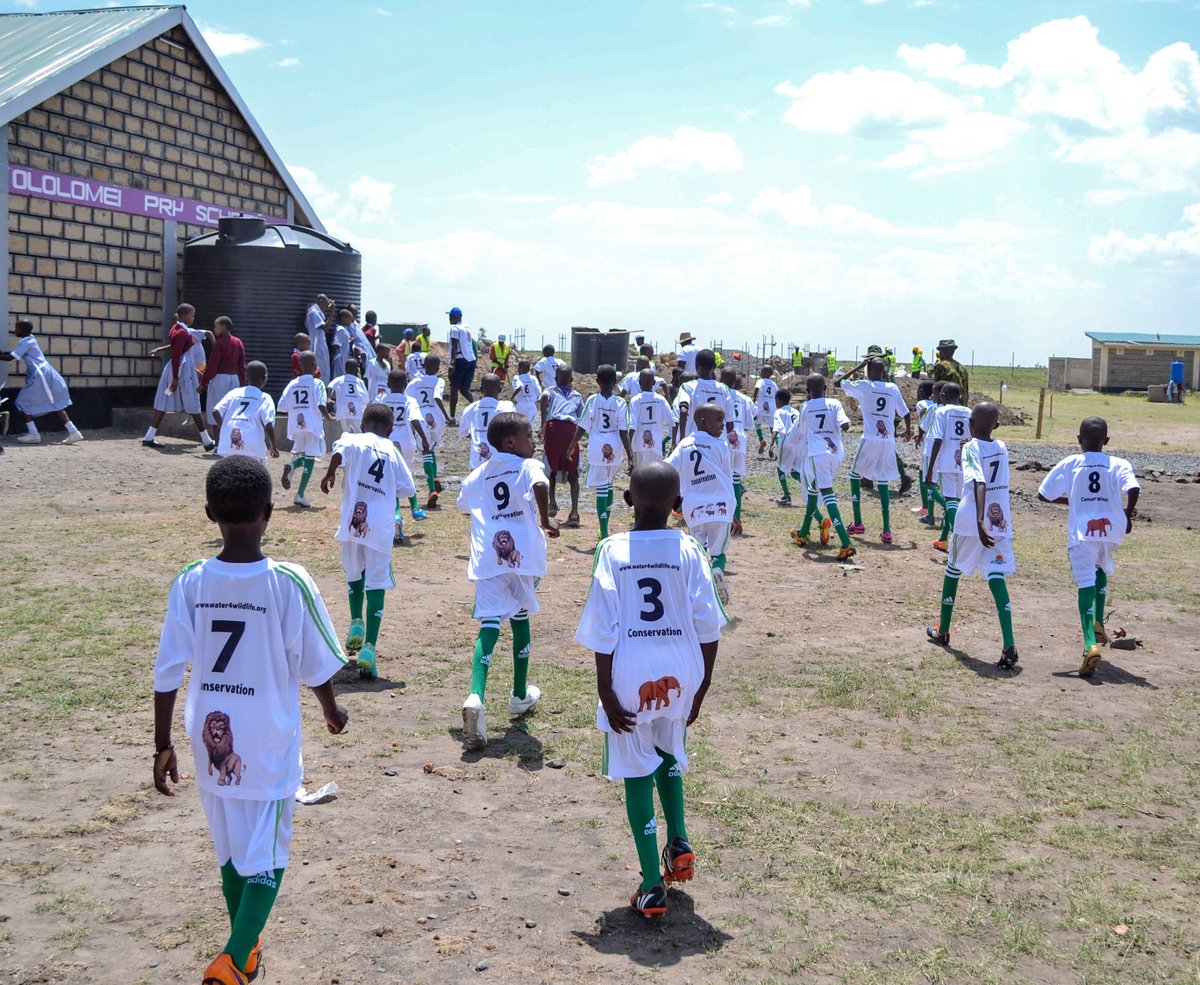
This week, we celebrate the resilience of children in the Maasai Mara ecosystem. Through football and conservation, they learn that every kick of the ball is a step toward protecting wildlife and the environment.
#EveryChildisaChampion!
@UEFA_Foundation@UEFA
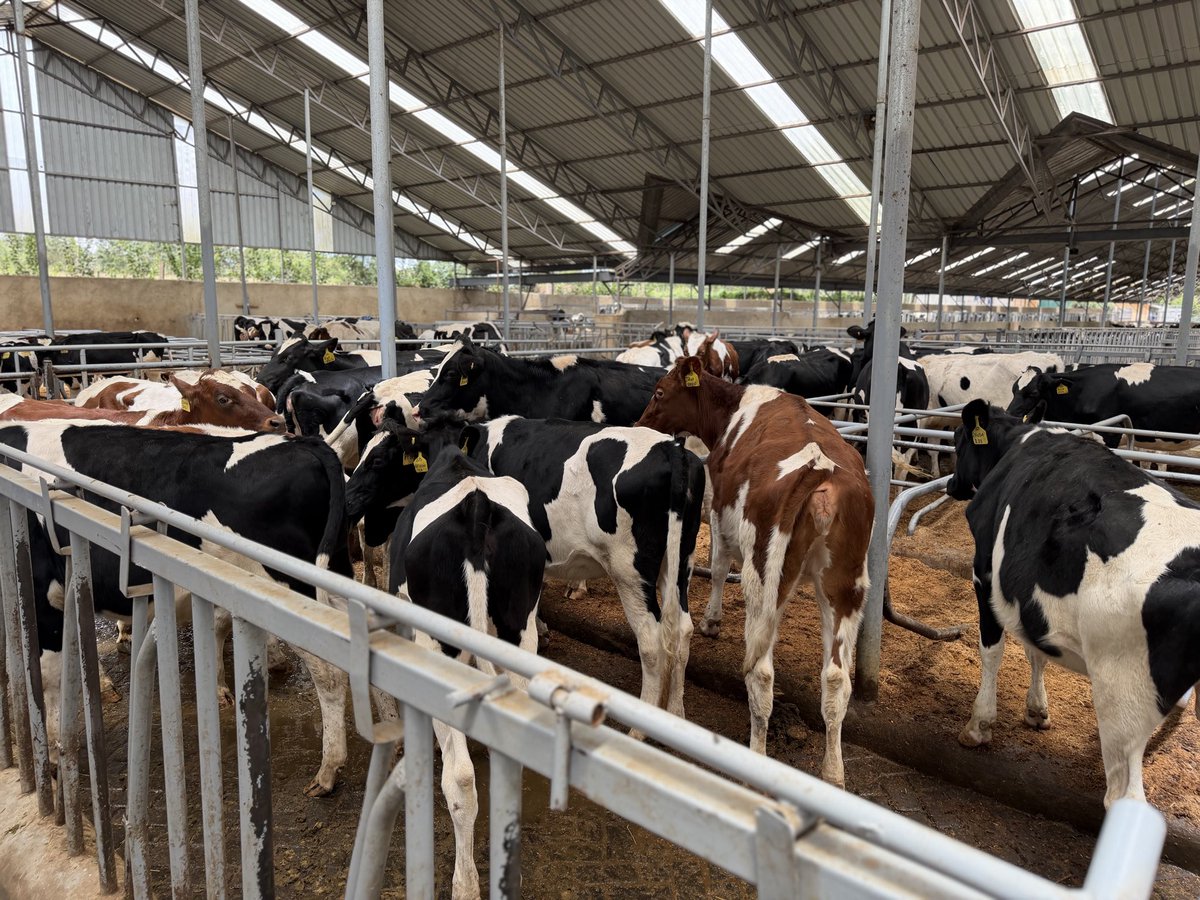
A return visit to Sochoi Dairies in Nandi County.
I am blown away by the strides made since my last visit.
From a heard of slightly over 100, to a current heard of over 200. From a milkers population of around 50 , to a current milkers population of over 100 cows. From a production of around 1000L of mik per day to a production rate of around 2500L of milk currently.
Hard-work resilience & passion pay off. 👏🏽👏🏽
Congratulations to Sochoi dairies fraternity for the strides made , Ukulima ni fun indeed. 👏👏.
#AgribusinessTalk254
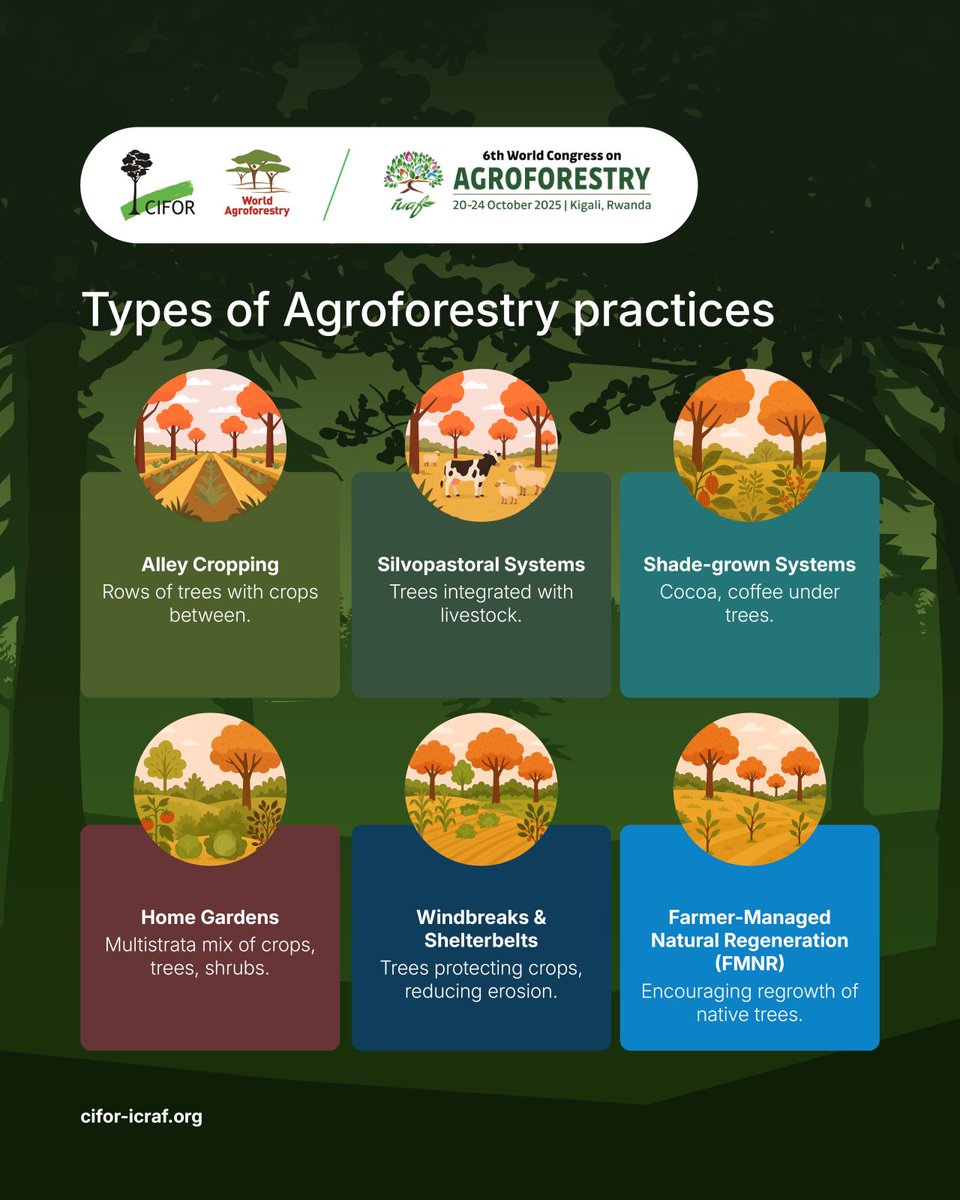
Agroforestry is more than planting trees, it is a set of practical solutions that support climate action, biodiversity, and rural livelihoods.
Check out this infographic for a snapshot of the most widely used #agroforestry practices.
#Trees4Resilience
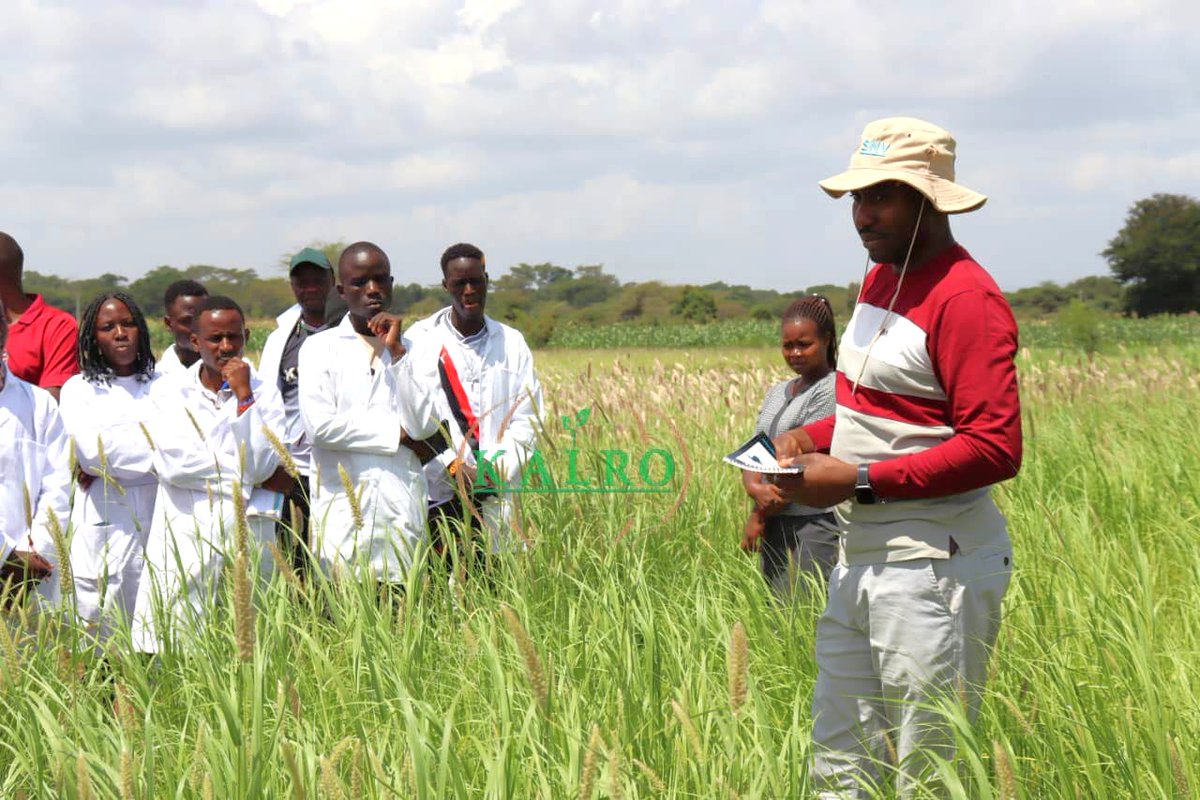
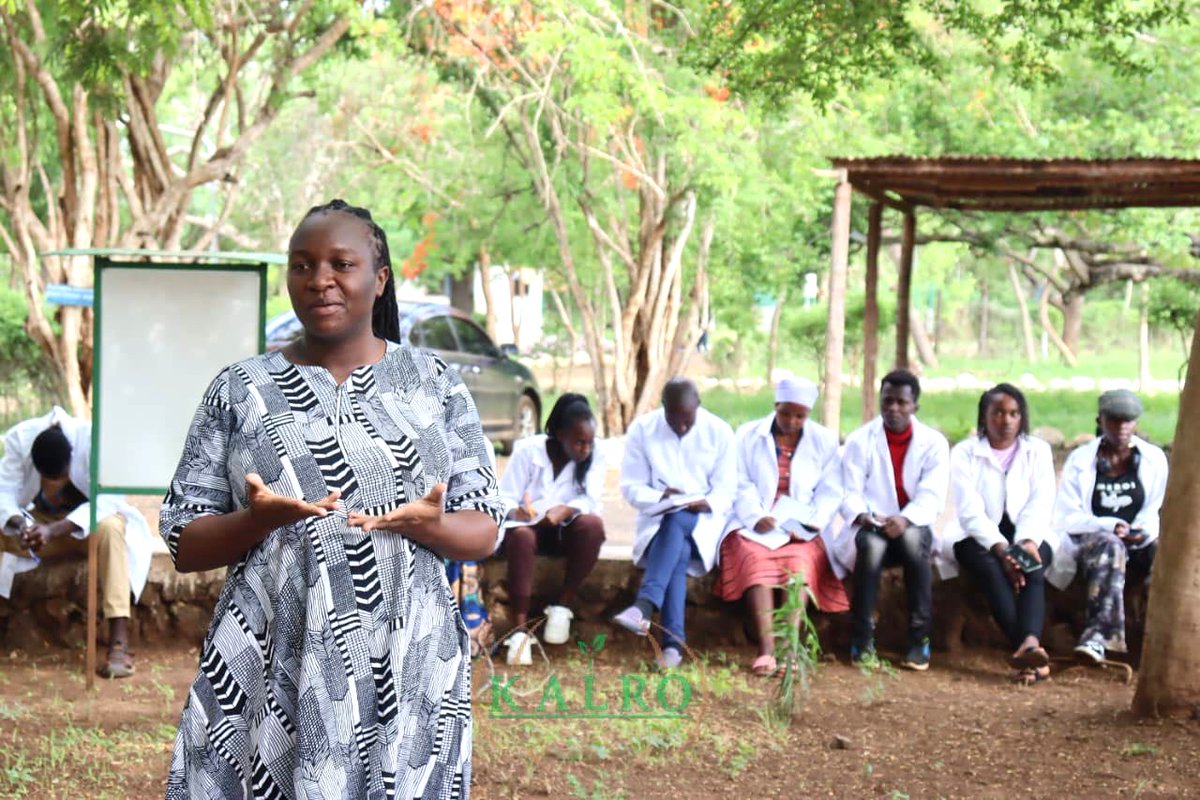
Kenyatta University students today visited the KALRO ARLRI Centre in Kiboko, where they were warmly received by Dr. Bosco Kidake.
During the visit, the students were taken through a wide range of ARLRI rangeland and livestock technologies, showcasing the institute’s work in strengthening climate-resilient pastoral systems.
Highlights included:
Pasture & Forage Technologies
• Horsetail (Chloris roxburghiana)
• Cenchrus ciliaris – TVT3 variety
• Cenchrus ciliaris – MGD1 variety
• Enteropogon macrostachyus (ENMA)
• Eragrostis superba (ERASU)
Students also gained insights into ongoing interventions in livestock health and nutrition, including disease surveillance, feed formulation, pasture improvement, and the management of emerging health challenges such as CBPP. They learned how proper nutrition, timely vaccination, and improved husbandry practices are essential for maintaining productive and climate-resilient livestock systems.
Dr. Kidake emphasized that strong collaboration among research institutions and other key partners is essential for combating the impacts of climate change and promoting the sustainable use of rangeland resources. He further encouraged the students to consider careers in agricultural research, noting that the field offers vast opportunities for innovation, hands-on experience, and real-world impact.
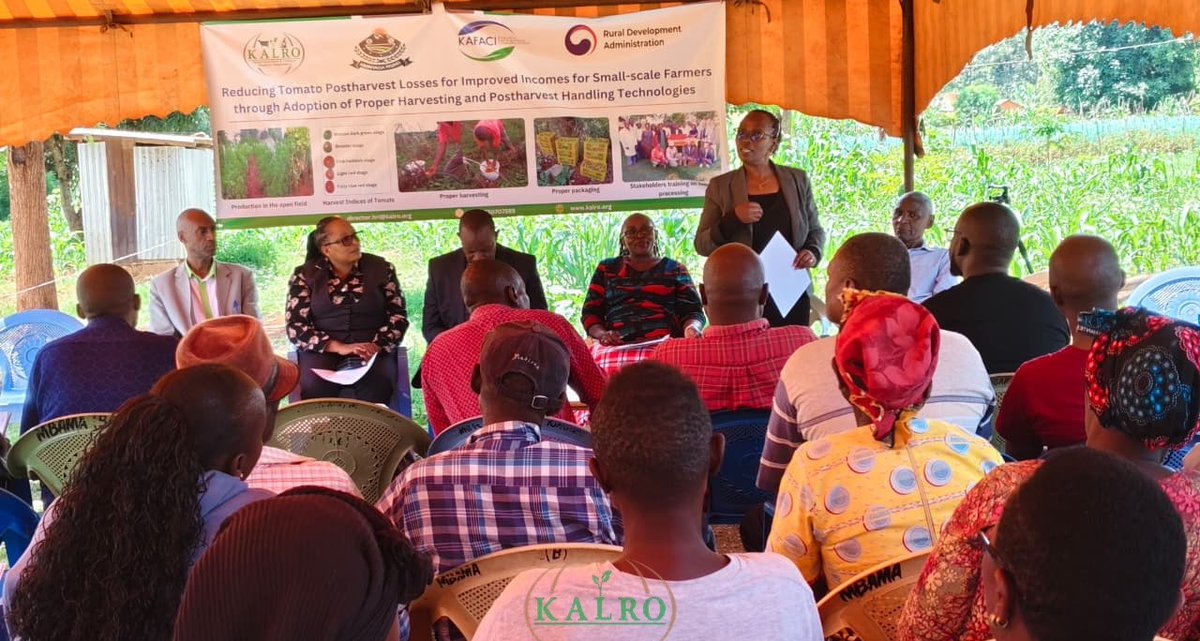
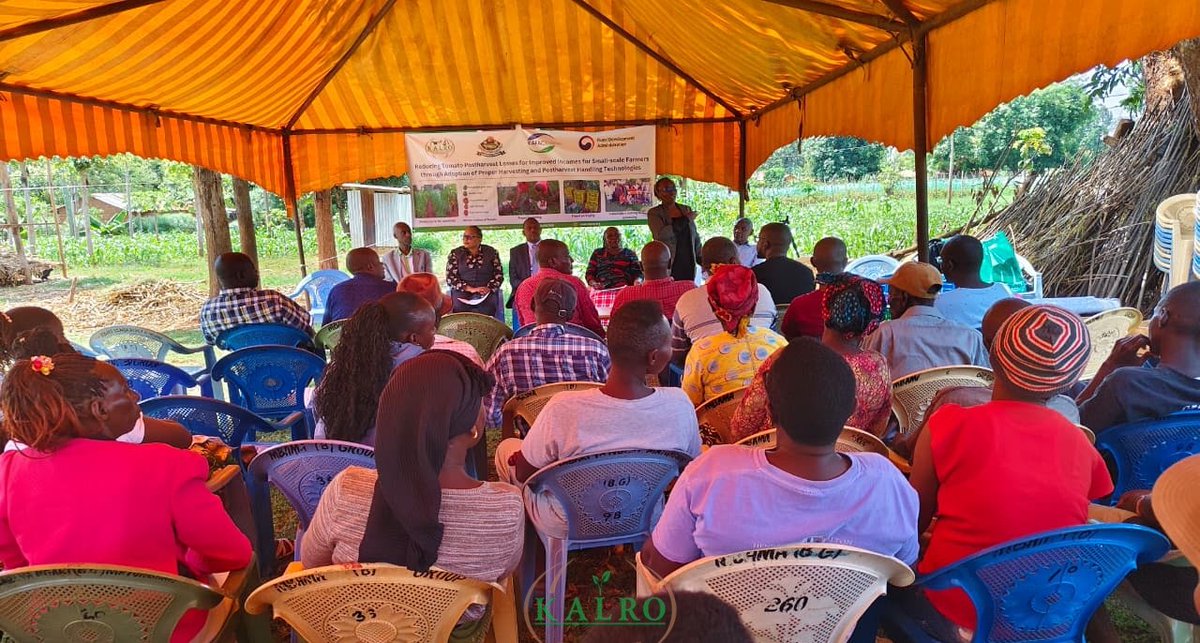
KALRO successfully hosted a workshop to mark the completion of the Korea-Africa Food and Agriculture Cooperation Initiative (KAFACI) Postharvest Project on Tomatoes in Kariti, Kirinyaga County.
The project, which began in 2016, focused on the theme: “Reducing Tomato Postharvest Losses for Improved Incomes for Small-Scale Farmers through Adoption of Proper Harvesting and Postharvest Handling Technologies.”
The event was graced by the Chief Guests, Dr. Alice Murage, Acting Director General and KAFACI coordinator, along with Dr. John Gachara, CECM for Agriculture, Livestock, Veterinary services and Fisheries; Other guests present included; Mrs. Prisca Wanjiku, Chief Officer; Benson Mukungo, County Director of Agriculture; Boniface Ndung’u, Horticultural Officer; and Dr. Daniel Gikaara, Deputy Institute Director, KALRO-HRI.
The workshop was organized by the Principal Investigator, Dr. Margaret Muchui, who has been collaborating with tomato farmers in Kariti Village, Gicharu Ward, since the project’s inception.
More than 40 tomato farmers participated in the workshop, receiving training and dissemination materials to support the adoption of improved postharvest technologies. County extension officers were also equipped with materials to strengthen their outreach initiatives.KALRO continues to demonstrate its commitment to supporting small scale farmers with practical, research based technologies aimed at reducing postharvest losses leading to increased incomes and improved livelihoods
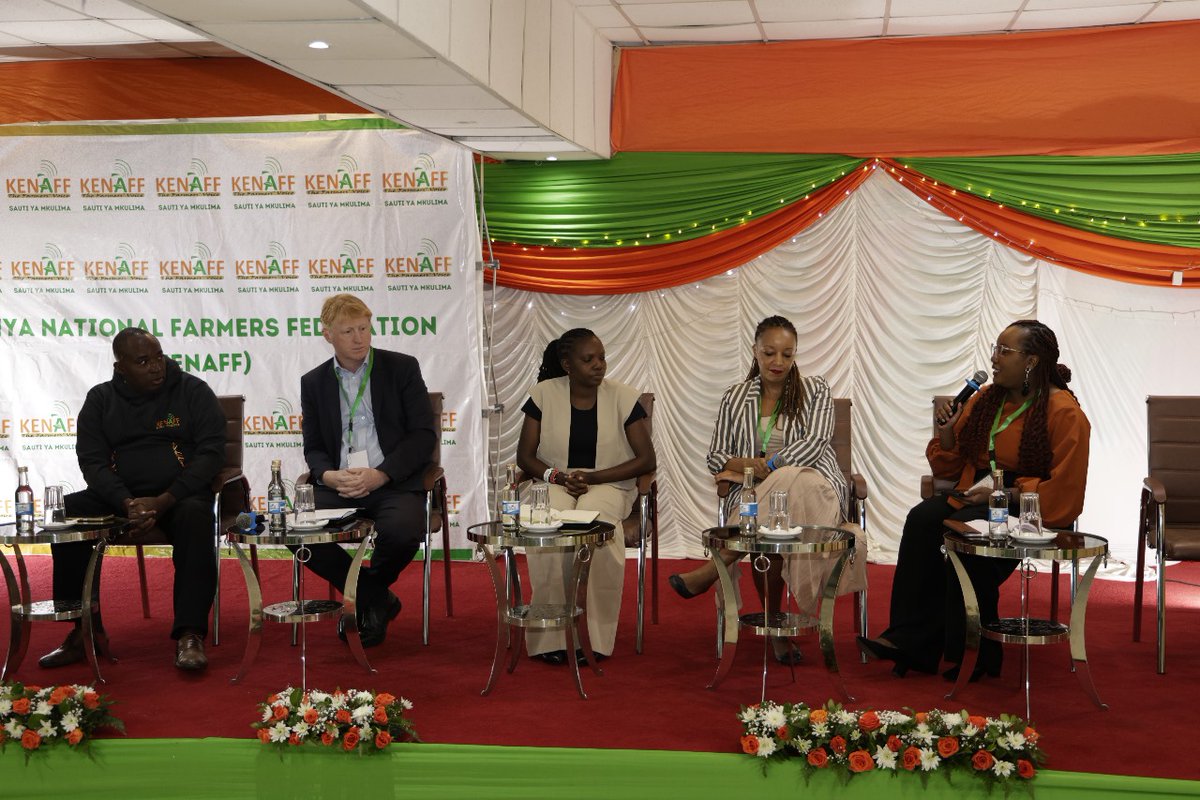
𝐏𝐀𝐍𝐄𝐋 𝐃𝐈𝐒𝐂𝐔𝐒𝐒𝐈𝐎𝐍
Panel 1: Innovative digital and financial solutions to drive equitable access to credit, insurance, and markets for smallholder farmers.
Join us and lend a voice!
#SautiYaMkulima#KENAFFAGM
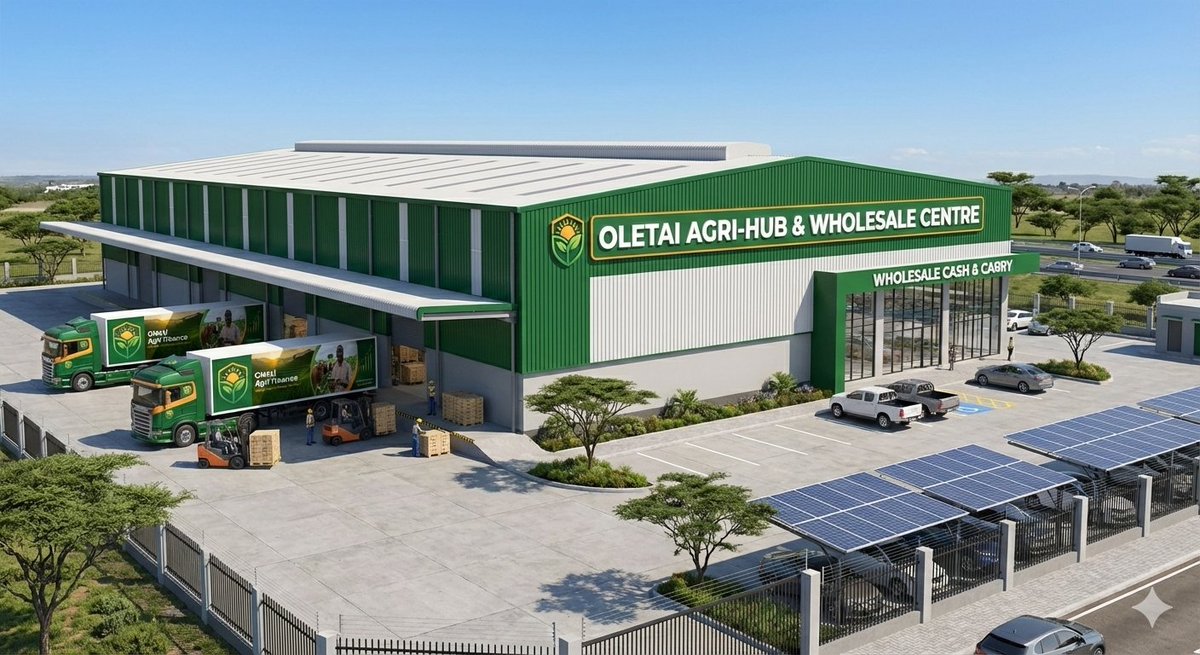
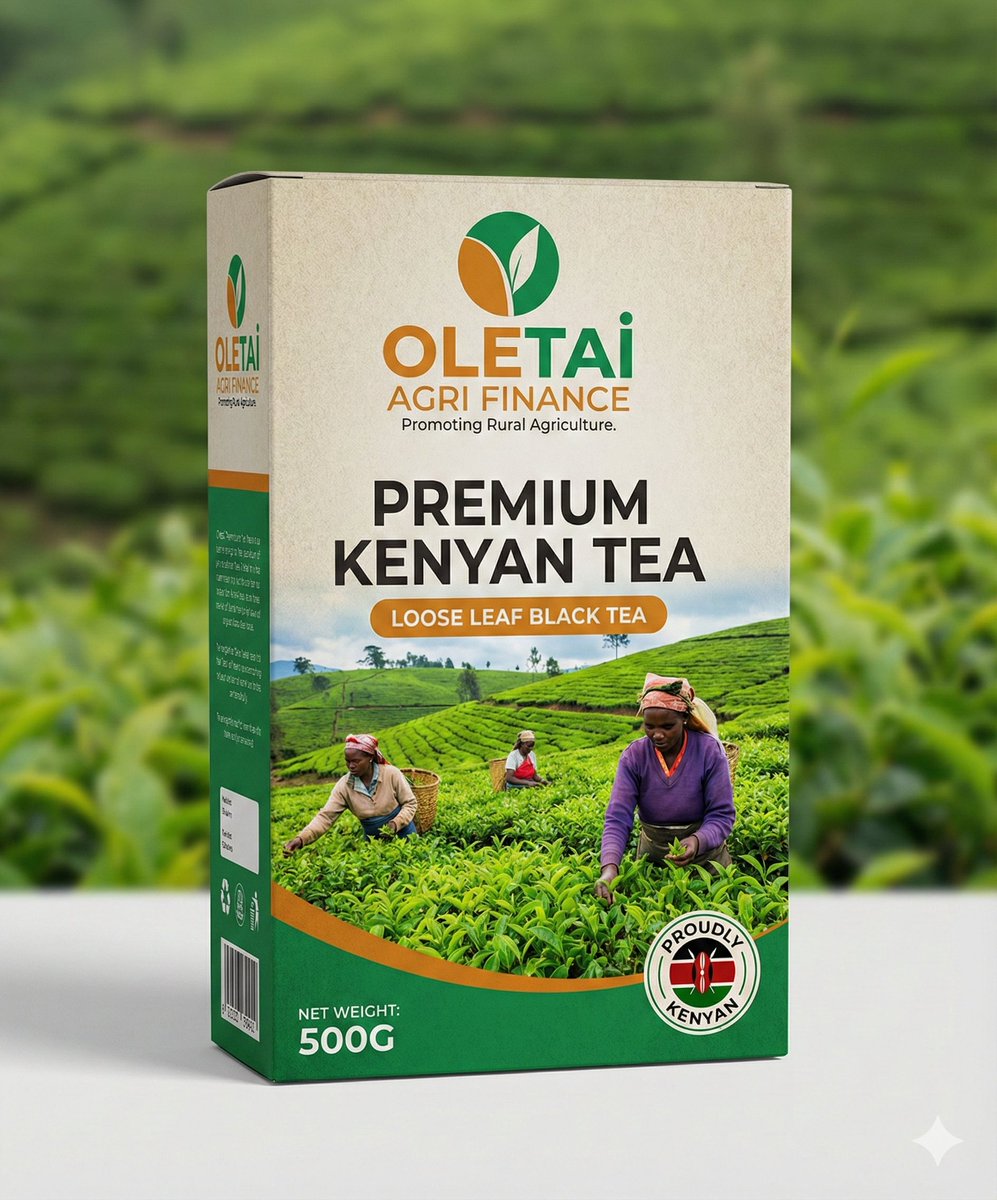
At Oletai, we don't just pack sugar. We finance the farmers, support the harvest, and bring the final product to your table. This is more than just sugar; it is the taste of Rural Growth.
Choose the brand that gives back.
The Aroma that Brings the Family Home! 🍚🏠
There is rice... and then there is Oletai Pure Pishori. You know it’s the real deal when the sweet aroma fills the house before the food is even served.
Join us for the launch of a transformative project aimed at strengthening the role of civil society in combating deforestation and climate change.
Learn more and register here:🔗 https://t.co/mvtpYs91kw
#VoicesForTheForest#ForestConservation#Trees4Resilience
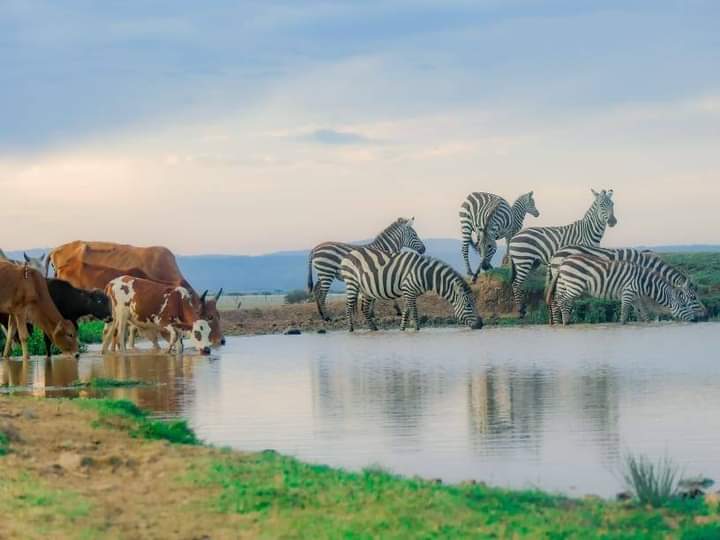
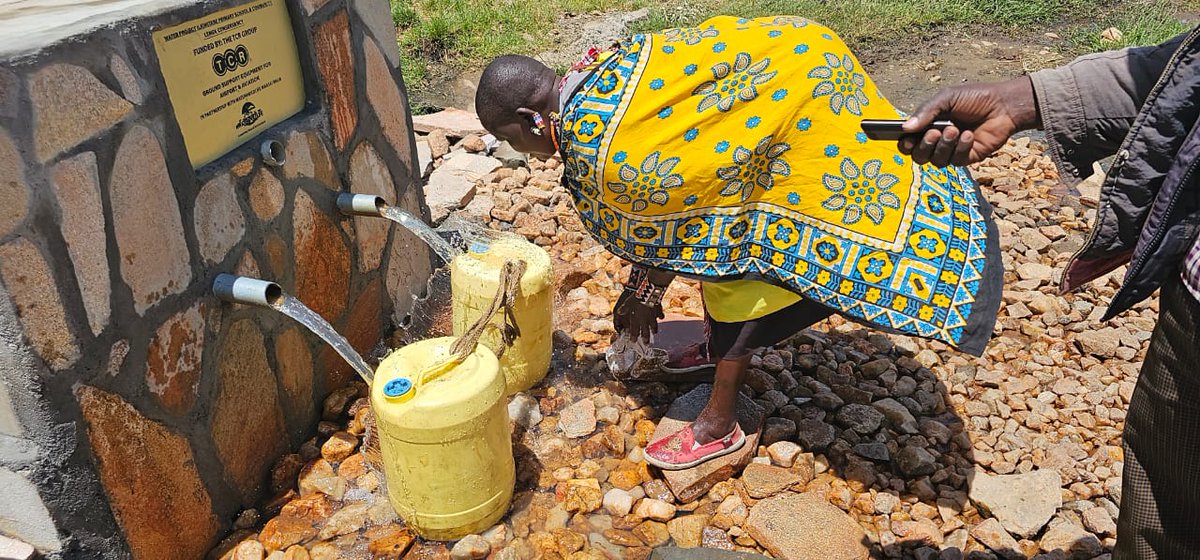
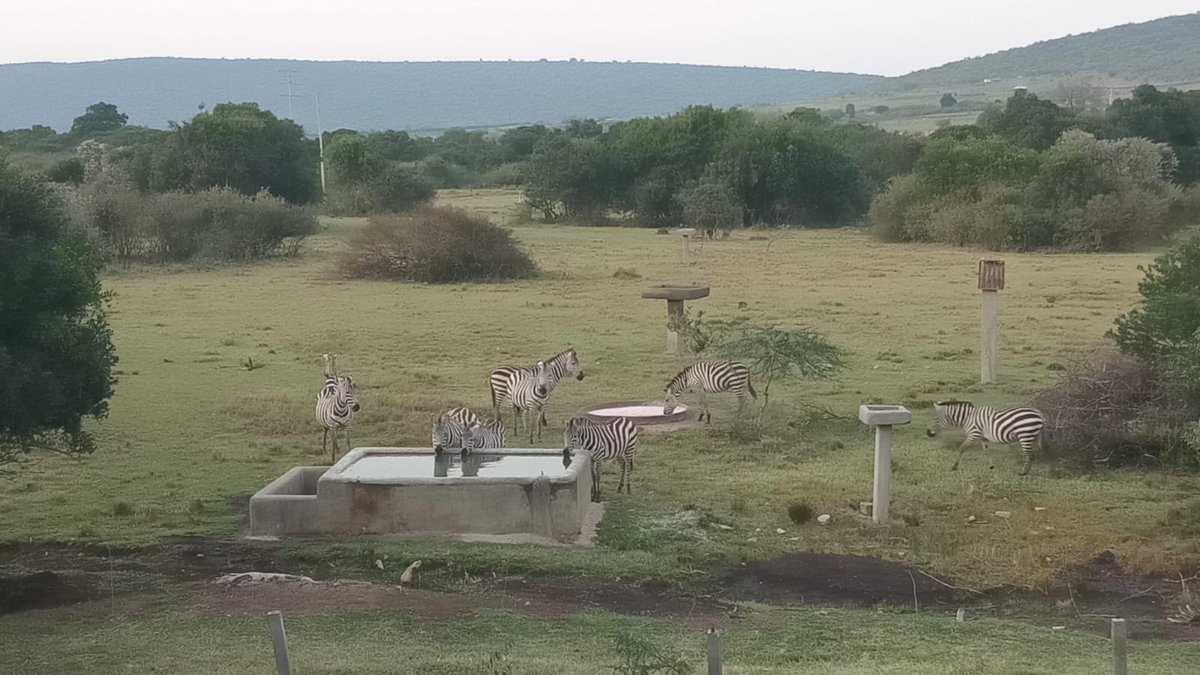
In just a few days, the world will pause to honor World Wildlife Conservation Day. Here in the Maasai Mara ecosystem, water is life for both the community and wildlife.
JAMBO WAKULIMA!
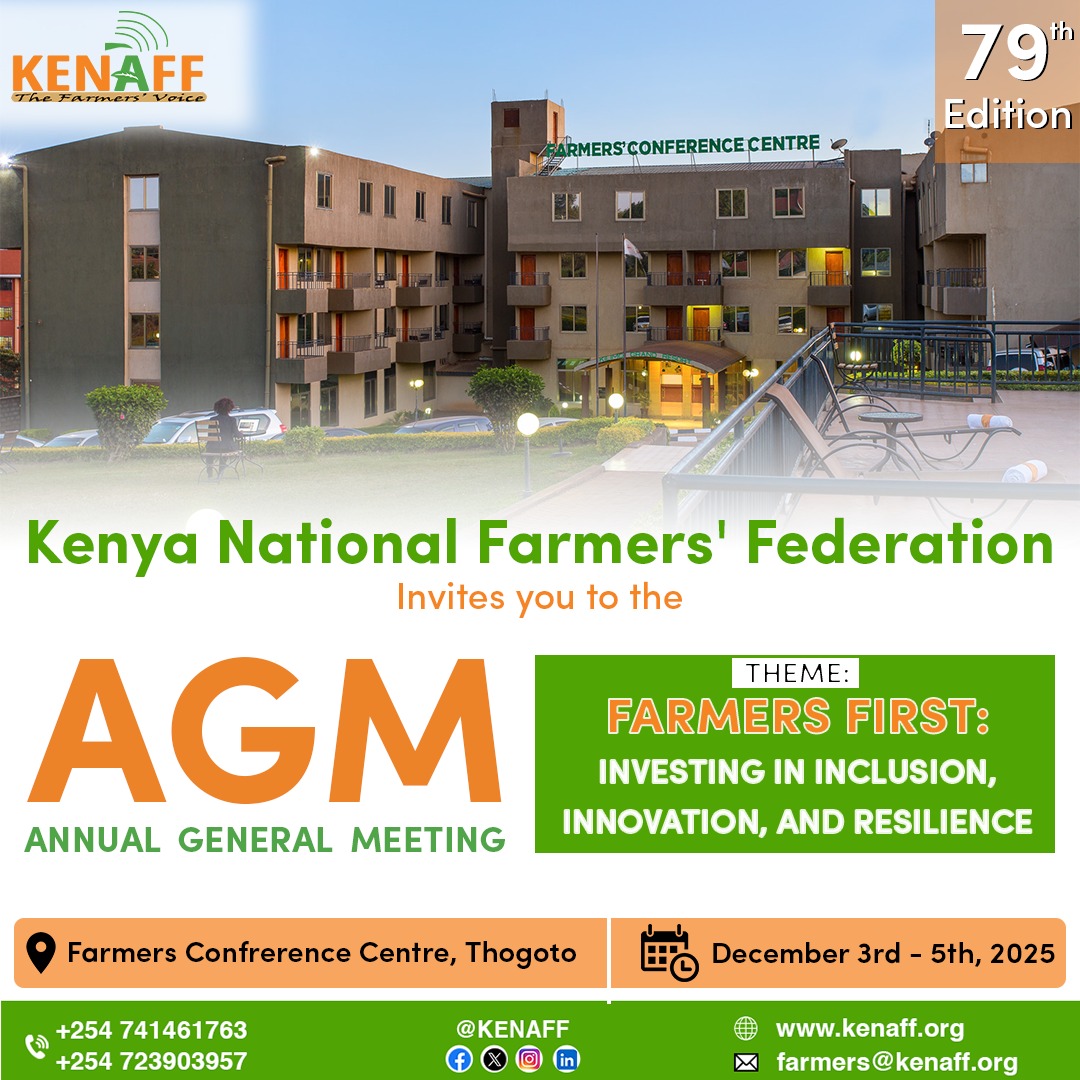
Your crop, your community, your future—let’s plan it together! Join the 2025 KENAFF AGM: Dec 3rd – 5th. Theme: FARMERS FIRST: INVESTING IN INCLUSION, INNOVATION & RESILIENCE.
Chief Guest: Augustine Cheruiyot, Senior Advisor, Min of Agriculture.
#SautiYaMkulima
🍃 Mastering Parsley Growth: Key Steps for a Strong Harvest 🍃
1️⃣ Location: Place parsley in partial shade with morning sun and afternoon protection.
2️⃣ Watering: Keep soil consistently moist with daily watering in the morning or evening, avoiding wet leaves.
3️⃣ Soil: Use nutrient-rich soil containing nitrogen, phosphorus, and potassium, supplemented with manure or organic fertilizers.
4️⃣ Harvesting: Cut stems 3 cm above the base to encourage regrowth, starting with the oldest stems.
5️⃣ Tip: Position parsley near taller plants to provide natural shade and maintain healthy growth.