We’re making moves! 🌊
As we head into 2025, our campaign is transitioning from X to Bluesky—a fresh platform where we can continue to connect, engage, and share our mission with you.
Follow us here: https://t.co/jcGc01Woj3
Your continued support and sharing of our updates are what keep our momentum going, and we can’t wait to bring you along for the journey ahead.
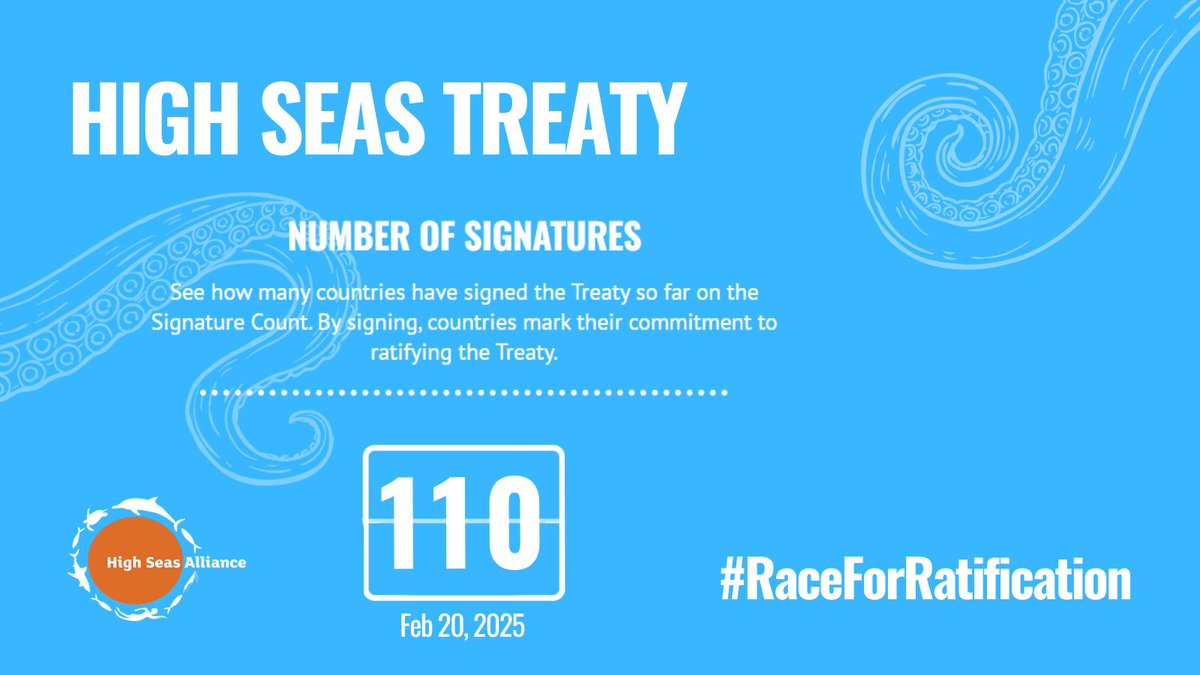
👏 Congratulations to Sri Lanka🇱🇰 and Albania🇦🇱 for adding their signatures to the #BBNJ Treaty.
🎊 With their signatures, 1️⃣1️⃣0️⃣ countries have now officially committed to its ratification!
We look forward to their ratification at the UN soon.
#RaceForRatification https
Eating shark meat might be riskier than you think.
Consuming shark meat poses significant health risks due to the meat’s high levels of heavy metals and toxins.
Read the article by @SharkSpotters to learn more about the risks, and the studies that have been published, which encourage us to not eat shark meat for our own good:https://t.co/pulApVdzND
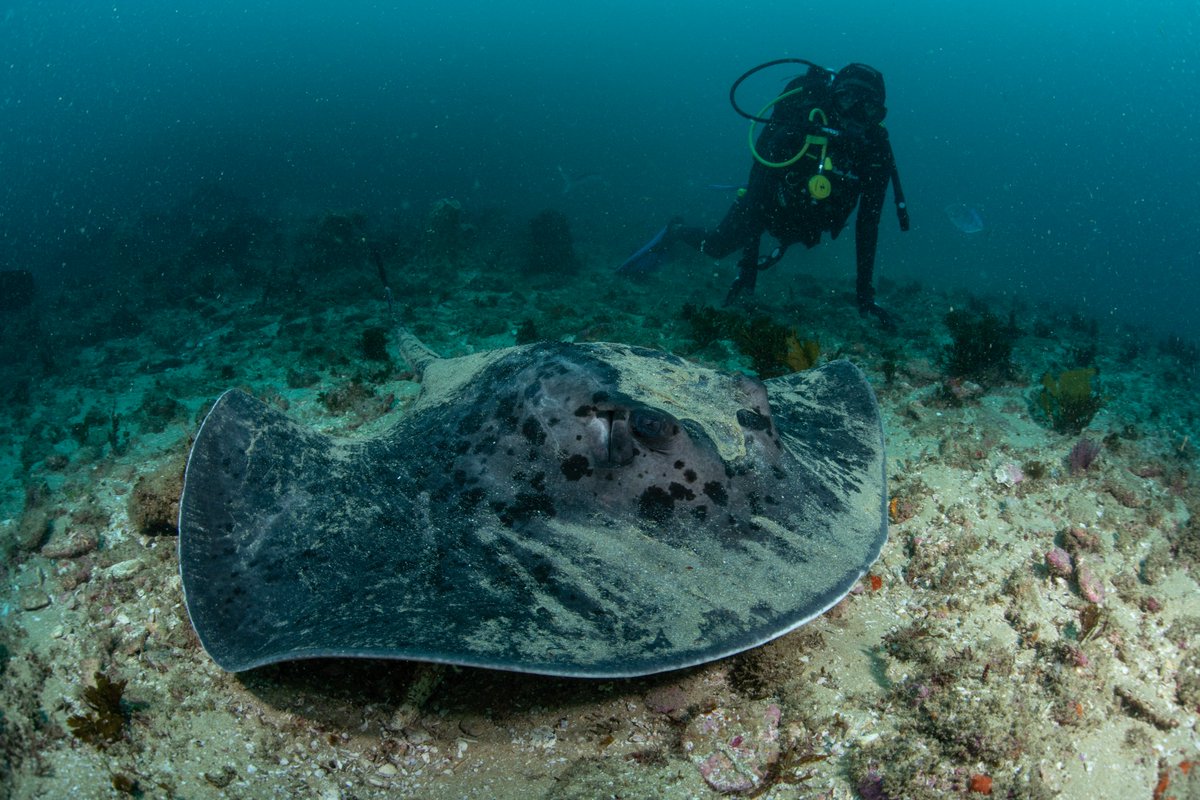
GREAT NEWS: The state of South Australia has banned fishing of several endangered or critically endangered sharks and rays in its waters.
The state government said the new rules prohibit both recreational and commercial fishing of critically endangered species such as:
🦈 The whitefin swellshark (Cephaloscyllium albipinnum)
🦈 Oceanic whitetip shark (Carcharhinus longimanus)
🦈 Gray nurse shark (Carcharias taurus) and
🦈 Green sawfish (Pristis zijsron);
As well as endangered ones like the greeneye spurdog (Squalus chloroculus), southern dogfish (Centrophorus uyato) and basking shark (Cetorhinus maximus).
Additionally, fishing of all stingarees in the genus Urolophus and skates in the genera Dipturus and Dentiraja are banned.
Read on: https://t.co/mbOvBo11gk
As of now, 106 countries have signed the High Seas Treaty, signaling their commitment to ratify it.
The treaty will enter into force 120 days after at least 60 countries have ratified it. To date, only 15 countries have ratified the treaty - 45 more countries to go!
The High Seas Treaty will ensure that international waters are protected, which is critical in ensuring ocean health globally.
To learn more about the High Seas Treaty, visit: https://t.co/GcteXHFEuD
Nearly half of the species found in the Salas y Gómez and Nazca Ridges exist nowhere else on Earth—yet a staggering 73% of their habitat remains unprotected.
A new treaty could help protect the waters these creatures call home.
📹ROV SuBastian/Schmidt Ocean Institute
NEWS: Researchers are trialling simple tech to curb sharks misidentifying ocean users as prey in South Africa.
Research conducted in Mossel Bay indicates that attaching LEDs to the underside of surfboards or stand-up paddle boards may help with sharks misidentifying ocean users as prey.
Dr. Sara Andreotti, a shark scientist from Stellenbosch University, shared with Cape Talk that the findings align with what we know about how sharks target their prey.
“The Great White sharks are not dumb animals and won’t attack something that can’t be food to save their energy,” Andreotti says.
“That is the concept of people not being part of their diet. When they do bite humans, it is a mistake due to bad visibility or because there is other other food in the water.”
Read more via MyBroadband: https://t.co/80JDW02mB0
This year has been full of meaningful change and growing awareness for our oceans.
Thank you to everyone who supported us along the way. Here’s to making an even bigger impact in 2025!
Farewell 2024 👋🏽
Thank you to every organisation, scientist and member of public who’s contributed towards the increasing awareness and protection for sharks and rays this year - be it on a local or global scale.
We will see you all in the new year! 🎉
From our team to you, we'd like to wish everyone a happy holiday season!
We hope you spend your days exploring South Africa's beautiful coastline, whether it be diving beneath the waves or simply enjoying a walk along the water's edge.
#happyholidays#onthebrink#southafrica
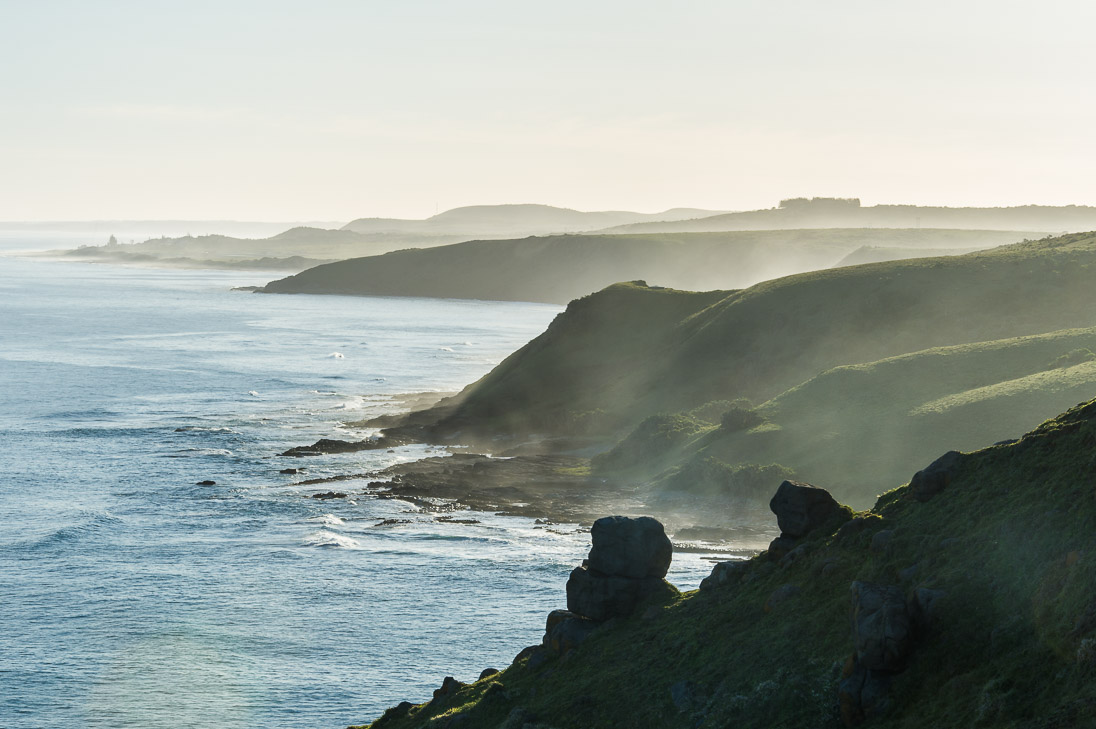
💙 MPAs to Visit - Amathole Marine Protected Area (MPA) 💙
📍 Eastern Cape, South Africa
🤿 Activities allowed: Shore angling in designated areas (permit required); Snorkeling; Kayaking; Beachcombing.
Stretching along the Eastern Cape coast, Amathole MPA protects vital marine habitats, including rocky reefs, sandy shores, and estuaries that support a diverse range of marine life. This MPA is also crucial for conserving endangered fish species like the iconic seventy-four seabream, ensuring their survival for future generations.
When visiting the Amathole MPA this festive season, remember to respect the area and take note:
- Stick to designated areas and avoid disturbing sensitive habitats.
- Dispose of all waste responsibly to preserve this unique environment.
- Follow all fishing regulations to protect marine ecosystems and species.
Your visit supports conservation efforts—thank you for exploring responsibly!
To learn more about Marine Protected Areas within South Africa, visit: https://t.co/d8tNha17c3
💙 MPAs to Visit - Robben Island Marine Protected Area (MPA) 💙
📍 Western Cape, South Africa
🤿 Activities allowed: Shore angling in designated areas (permit required); Birdwatching; Educational tours; Exploring historical and natural heritage.
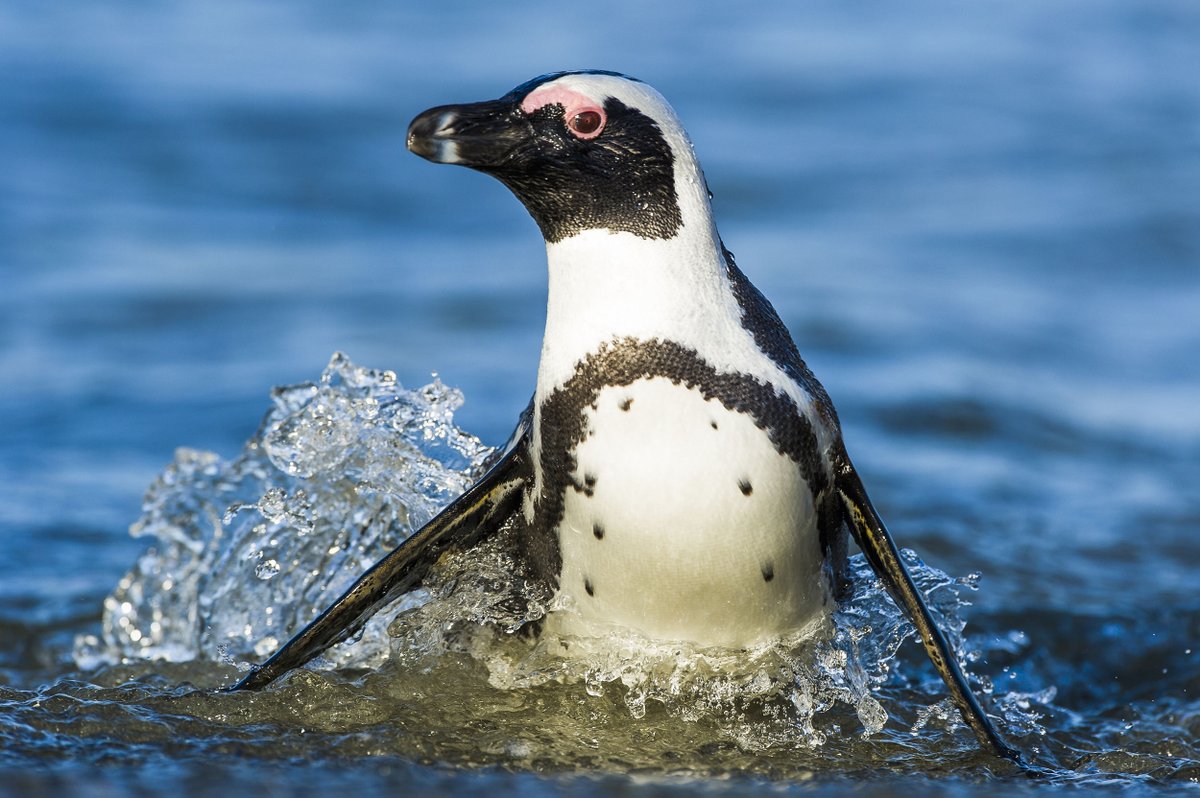
Encircling the historic Robben Island, this MPA protects vital marine habitats, including kelp forests and rocky reefs teeming with marine life. It also serves as a critical refuge for seabirds such as African penguins and cormorants, highlighting the interconnectedness of the island's natural and cultural heritage.
When visiting the Robben Island MPA this festive season, remember to respect the area and take note:
- Stick to designated pathways and avoid disturbing wildlife.
- Dispose of all waste responsibly to preserve this UNESCO World Heritage Site.
- Follow all fishing regulations to protect the marine ecosystem.
Your visit supports conservation efforts—enjoy responsibly!
To learn more about Marine Protected Areas within South Africa, visit: https://t.co/d8tNha17c3
NEWS: Landmark De Hoop Marine Protected Area (MPA) conviction sets precedent for environmental accountability
For the first time, the state successfully convicted a fishing company not only for illegal fishing within a MPA, but also for causing environmental damage, resulting in a R1-million fine and signalling a tougher stance on marine conservation enforcement.
Read on - https://t.co/wNPNr1ndsV
Your support keeps us afloat! Consider donating to help us build a network of Hope Spots large enough to safeguard the blue heart of our planet 💙
🎥 Deep Sea Productions
https://t.co/tjyY679eCh
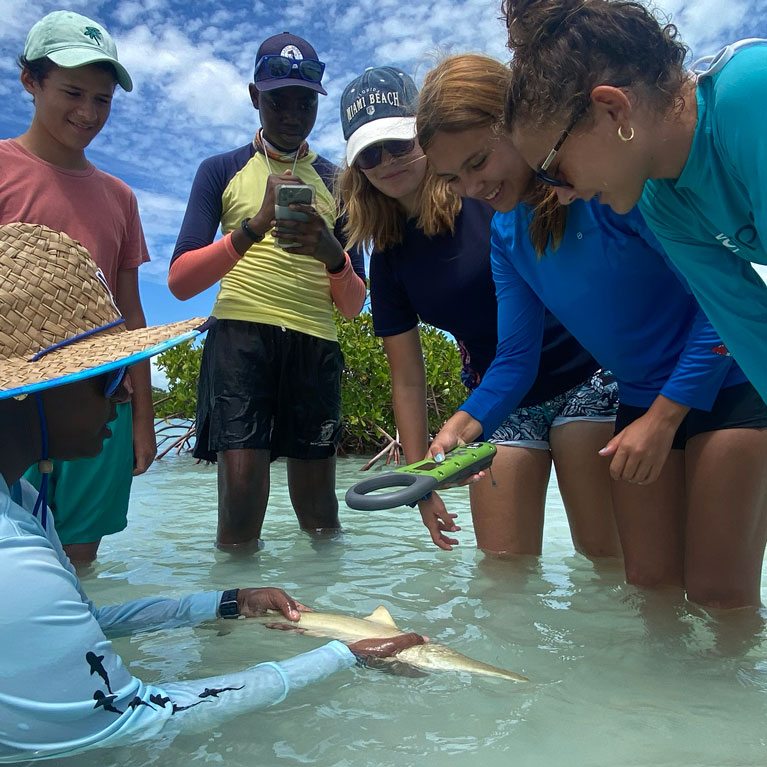
From mangrove roots to family trees, @BiminiSharkGirl from @Sharks4Kids is using fin clips to uncover the genetic relatability of juvenile lemon sharks, & tagging them to track growth, & migrations. More on the project's community engagement below.
https://t.co/OmiImBMD9J
Nearly half of the species found in the Salas y Gómez and Nazca Ridges exist nowhere else on Earth—yet a staggering 73% of their habitat remains unprotected.
A new treaty could help protect the waters these creatures call home.
📹ROV SuBastian/Schmidt Ocean Institute
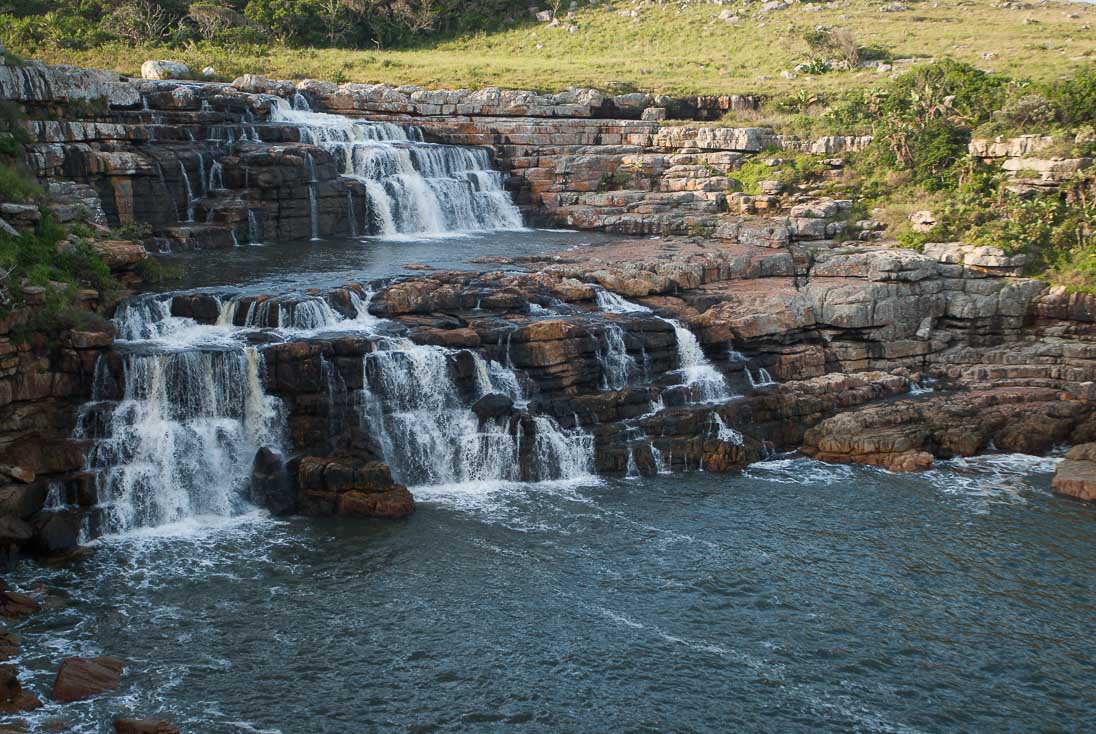
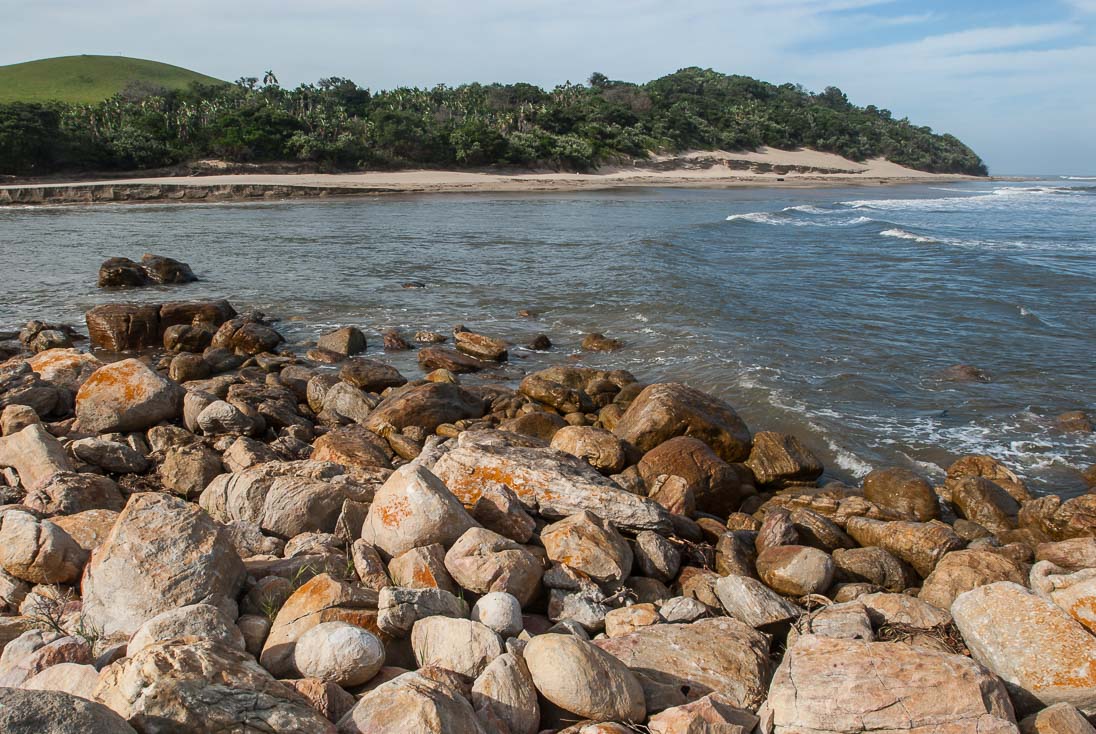
💙 MPAs to visit - Pondoland Protected Area (MPA) 💙
📍 Eastern Cape, Wild Coast
🤿 Activities allowed: Snorkeling and diving: Fishing in designated areas (with permits); Hiking along coastal trails; Exploring estuaries by kayak
This unique stretch of the Wild Coast is one of South Africa’s largest coastal MPA's and is home to an incredible diversity of marine life, including many threatened fishes. Protecting these waters ensures the survival of countless species and the livelihoods of local communities.
When visiting Pondoland MPA this festive season, remember to respect the area and take note:
- Do not anchor boats on reefs—this damages fragile ecosystems, or in the restricted zone.
- Fish only in designated areas and adhere to quotas.
- Support local guides who follow conservation-friendly practices.
Your visit supports conservation efforts—enjoy responsibly!
To learn more about Marine Protected Areas within South Africa, visit: https://t.co/d8tNha17c3
It takes a lot of energy for a shark or ray to leap out of the water - so why do they do it?
New research shows that sharks and rays leap out of the water for many reasons, including feeding, courtship and communication.
Read on, via https://t.co/twg2LEwJk6 - https://t.co/dqw2Eg4fHJ