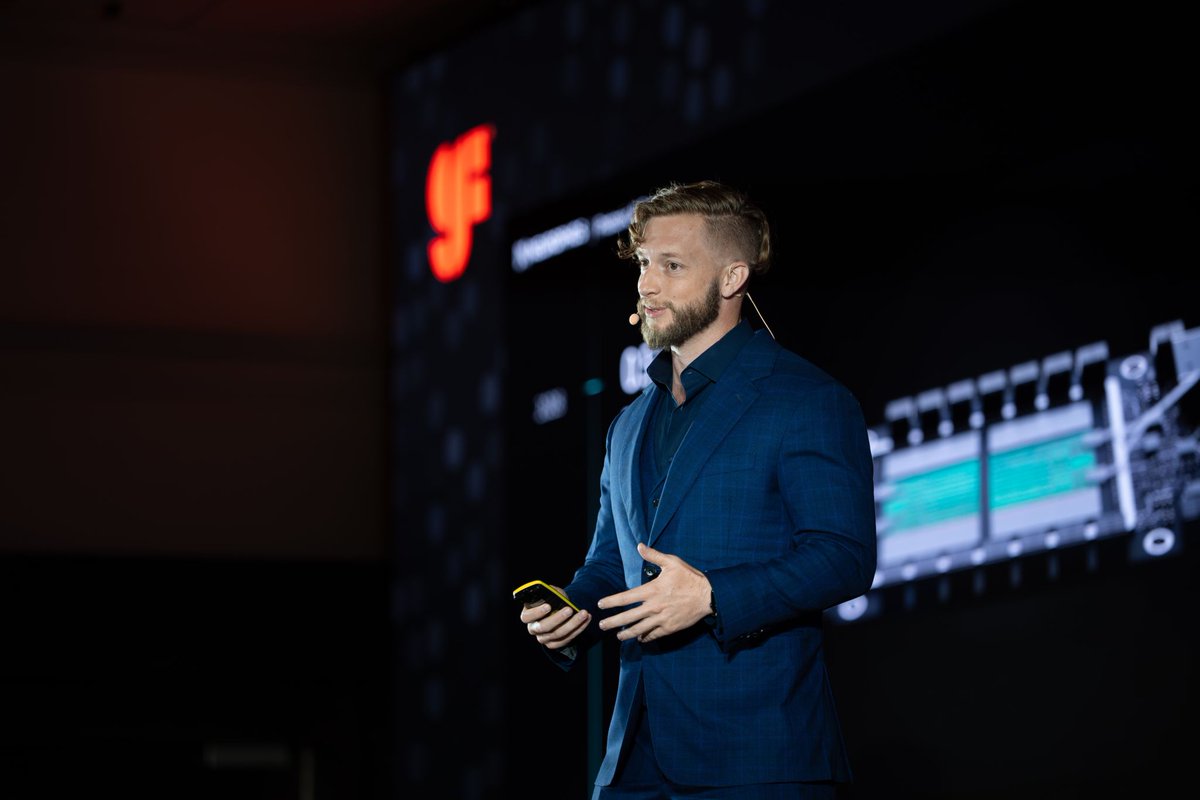
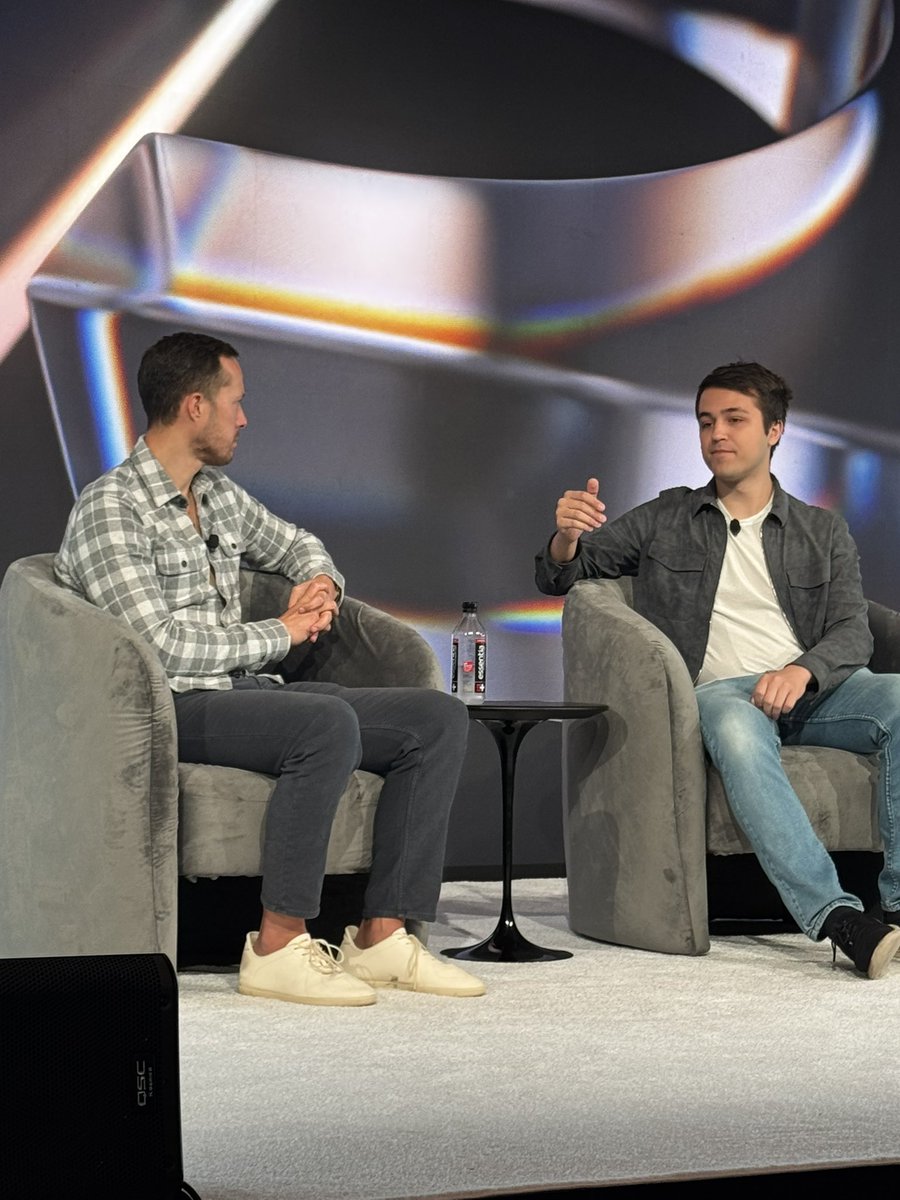
Fantastic @PrimaryVC Tech Summit talk w/ @UbertiGavin, CEO of @Etched. Deep dive into the next generation of chips & compute AI infrastructure. The problem they set out to solve 4 years ago, and next phase as @Etched begins shipping. ���The future is about owning the full stack”.
"We squeezed a meter by a meter worth of optical modulators into a 5x5 millimeter area". That's the unlock the @neurophos team is working on. Listen to the full convo in today's episode with Patrick Bowen.
The new standard for advertising digital experiences.
We're reinventing advertising with interactive AudienceAds experiences that capture attention and turn every impression into an interaction + desired outcome based on a brands or publishers objectives. https://t.co/FxZLV6FWax
New Syncware updates 🔧
#️⃣ @faire_wholesale sellers can set MoQ on all products
👀 Viewable field mappings @faire_wholesale integration
⚙️ 5 new @MarketTime configs
➕ Bug fix for @ApparelMagic product titles
👓 Read the full Sept release:
https://t.co/ptieJJyt0z
@PatrickTBowen sees an opening the rest of the industry has missed: prefill, not decode, as the place optical compute wins first. That's the bet behind @neurophos . New episode of The Compute 100.
@Frost_Sullivan has named @truefoundry the 2026 Global Transformational Innovation Leader in enterprise AI control plane.
Five years ago, we were still explaining to architects why AI needed its own control layer. Today, an independent firm defines the category and recognises us as the leader in this space.
Thank you to our customers and our team.
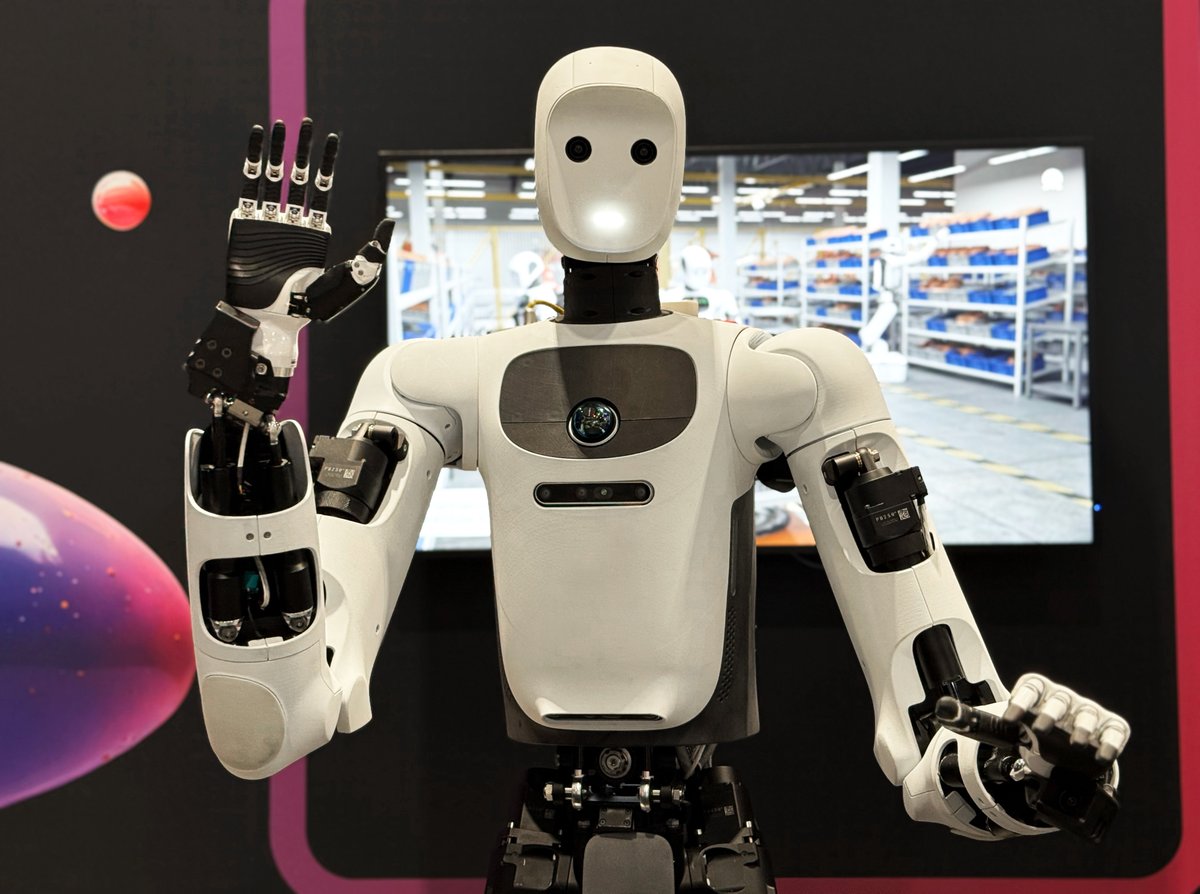
Are you at #IMTS in Chicago? If so, Apollo wants to meet you. Swing by the Google Cloud booth (236709) in the North Hall and say hi.
#Apptronik#Robotics#HumanoidRobot
2 DAYS: How AI Industrialized Card Testing: Why You Need Real-Time Detection
AI turned card testing into an automated, high-volume attack, so detection has to move at the same speed. Learn how, straight from FraudNet experts Kevin Shine and Mike Roberts. What are you waiting for? Save your seat: https://t.co/UDAqyASQTg
#cardtesting #enumeration #visavamp #merchantrisk #payments #fraudprevention #frauddetection #ai #machinelearning #fightfraud #fraudnet
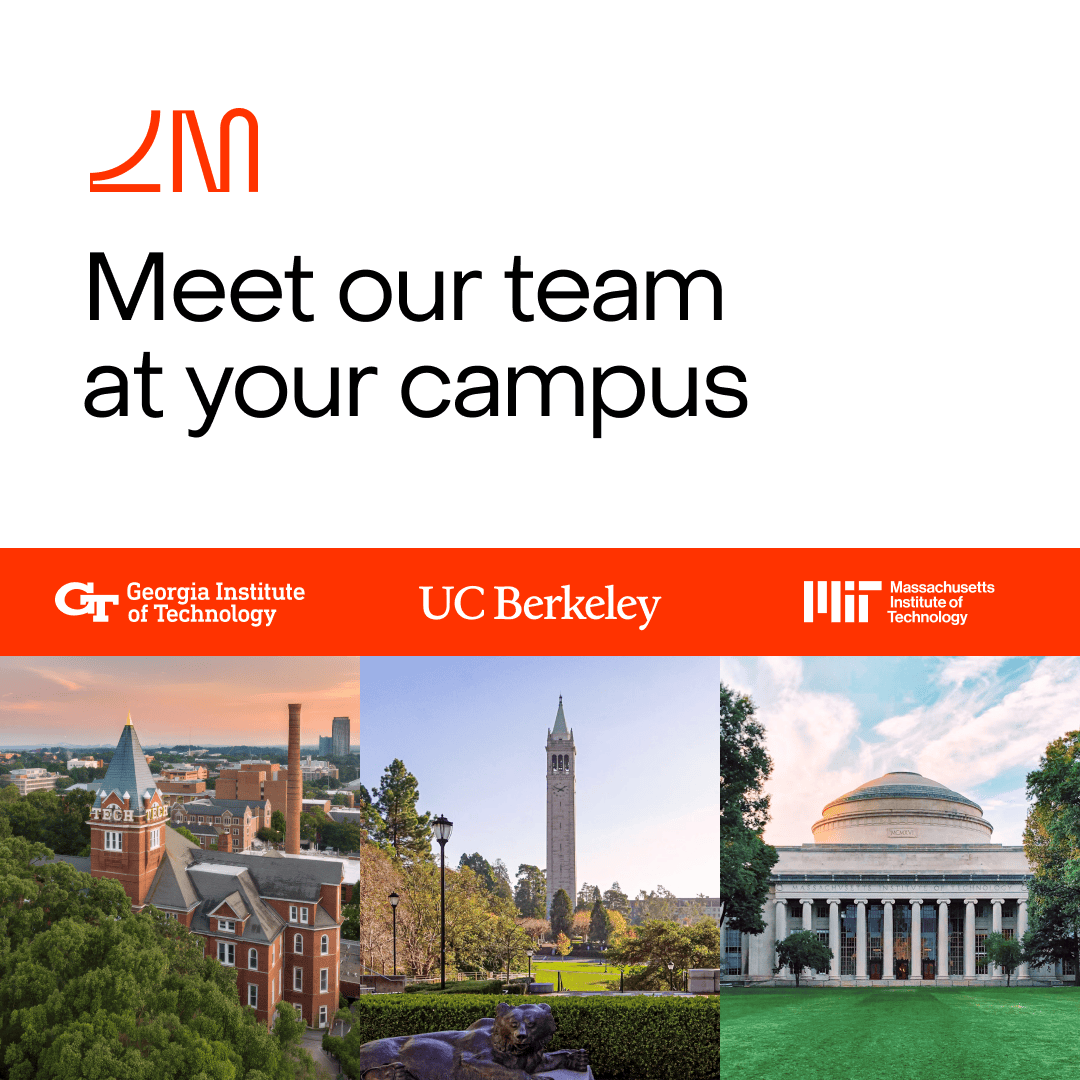
We’re hiring interns and new grads for 2027 — come visit us at career fairs this Fall!
➡️Georgia Tech Woodruff School of Mechanical Engineering and ASME Career Fair
Date: September 15 from 9:00am - 3:00pm
Location: Exhibition hall at 460 4th St NW, Atlanta
➡️UC Berkeley Engineering and Technology Career Fair
Date: September 16 from 12:00pm - 4:00pm
Location: 2495 Bancroft Way, Berkeley
➡️MIT Fall Career Fair 2026
Date: September 25 from 9:30am - 4:00pm
Location: 120 Vassar St, Cambridge
Visit our careers page to learn about open roles, benefits, and more: https://t.co/yYlC7Fc6md
Power is becoming a major constraint on AI infrastructure. In a proof of concept on NVIDIA HGX B200 systems, Lambda used NVIDIA DSX MaxLPS to run 19 nodes within the same aggregate power budget as a 16-node baseline, observing ~24% more token throughput and ~23% higher performance per watt. More productive AI capacity from the power already available. Read more via @NVIDIA: https://t.co/w6gQTsVvUK
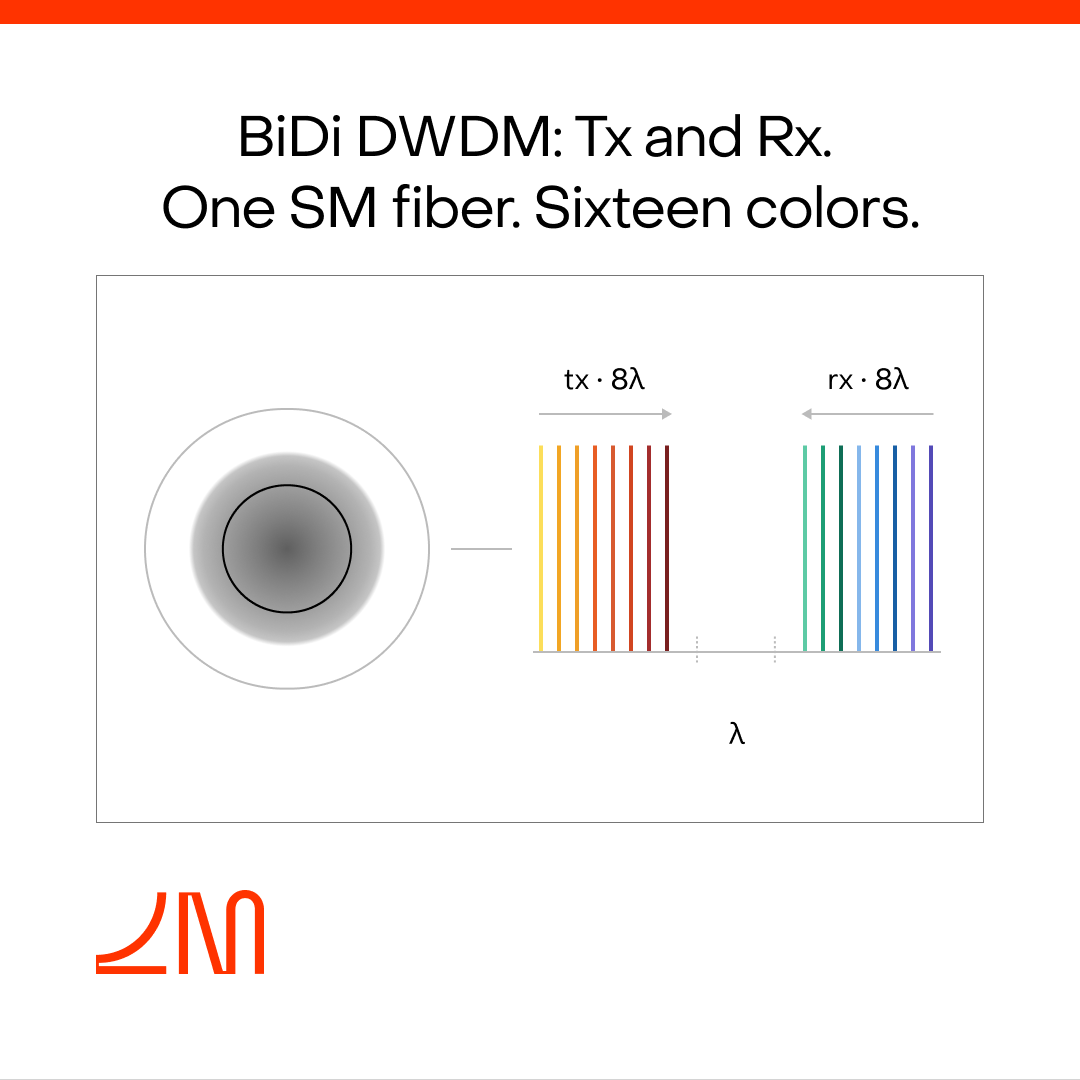
Frontier MoE models need massive scale-up clusters, but copper maxes out around 144 GPUs. Expanding to 512+ GPU pods usually requires 130K+ optical fibers, a challenge for costs, supply chains, and reliability.
Bidirectional (BiDi) optics change the game by combining transmit and receive on a single fiber using two wavelengths:
⚡ 50% fewer cables & connectors
⚡ ~15% lower network spend
⚡ 50% fewer passive optical failure points
⚡ Zero compromise on bandwidth or reach
As AI demands larger scale-up domains, BiDi is the path forward and Lightmatter has built it directly into its interconnect portfolio. Read our full analysis: https://t.co/js2wumNujC
#BiDi #Photonics
Great to spend time with the @GlobalFoundries team at their event and connect with leaders across the semiconductor and photonics ecosystem.
As we continue working with GF as a partner for our photonic chips, we’re excited about what’s ahead and the opportunity to advance photonics at scale.
Thanks to the team for hosting us and for bringing together so many leaders shaping the future of semiconductor technology.
Big shout out thanks to the @PrimaryVC@BSchech@thecompute100 team for hosting a fantastic, and insightful event this morning on AI compute. Great talks on where infrastructure is heading, and financing the future of AI infrastructure 👏👏👏 Great NYC community gathering.
Big @Syncware release!
✅ Shopify integration fully migrated to GraphQL.
✅ Reactivated Microsoft Dynamics 365 Business Central, Not On The High Street, Wholesalepet, OmegaNet & Speartek.
✅Kit Breakout Swap support in Cin7 Core, fixed pagination & more https://t.co/3jCAZwZJnz
23% of Consumers Tap AI to Discover What to Buy
As AI users get pickier, shopping research earns a spot in their routines. Consumers are getting choosier about #AI tools, and that selectivity is revealing where the technology has staying power https://t.co/kxyaoidwjp #ecommerce
Seeing a lot of cool applications of GPT 6 Astra so i gave it a go and it kinda blew my mind.
There has been a lot of amazing research recently for real2sim. Going from a single image/video to an interactive simulation environment unlocks evaluation and training capabilities easily (SimFoundry from NVIDIA is a great example, I was waiting for months for the code to be released lol).
I asked Astra to create an environment from a single image to see how good it would do 0 shot and i am 🤯. It even got the color of the liquid so close (although it couldn’t simulate the reaction).
There used to be whole research papers dedicated to getting remotely close to these abilities. Astra can do this 0 shot. Truly crazy times we live in.
Excited for this evolution of GRID — multiple robotics harnesses, orchestrated by agents, taking a task all the way from prototype to deployment autonomously.
A big piece of this is the ability to create new simulations on the fly: giving agents a world to build in, test in, fail in, and improve against for any task, before touching the real robot.
The future isn’t just agents that act. It’s agents whose work can be verified.
Read about our approach here: https://t.co/t6NtY5raYX
Interview with an industry expert on why hyperscalers remain the right choice for sensitive workloads ( $AMZN, $MSFT, $GOOGL, $CRWV ):
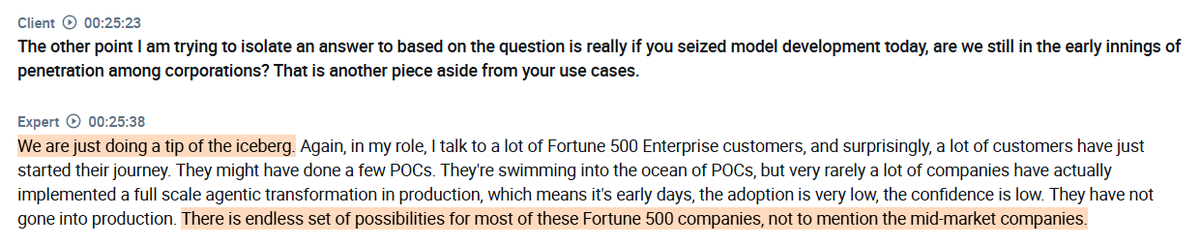
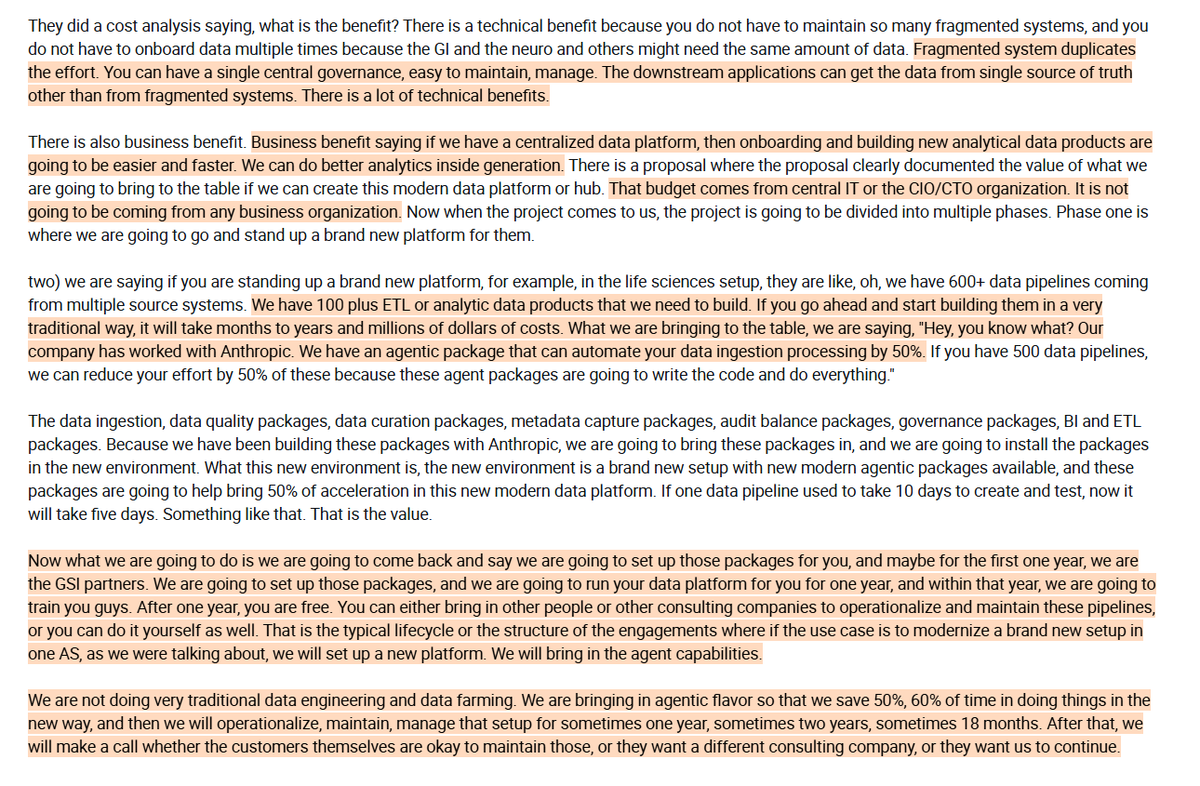
- The expert highlights a new approach to data platform modernization that replaces traditional data engineering with agentic packages built with AI labs, to avoid spending months and millions of dollars building out hundreds of ETL and analytic data products the conventional way. The engagement typically runs one to two years, covering platform setup, installation of agentic packages, and training the client's team, after which the client decides whether to take operations in-house, bring in another partner, or continue the relationship.
- The expert notes that the expected shift toward open source models never materialized. Until now, frontier models with strong reasoning capabilities have consistently outperformed open source alternatives when layered with agents, and the market moved toward agentic adoption rather than fine-tuning.
- On cost, the expert explains that open source models require procuring GPUs, training, deploying, and managing clusters that run 24/7, making the economics only favorable at very high API call volumes that most enterprise use cases have not yet reached, leaving pay-as-you-go frontier models as the more practical choice at current scale.
- Security and compliance present another barrier, with most large organizations having legal and security teams that have not approved open source or Chinese models for use on actual customer data. Frontier models from Anthropic and OpenAI have a clear advantage here as they are natively integrated within major cloud providers like AWS and Azure, making them far easier to clear through enterprise security policies.
- The expert emphasizes that enterprise AI adoption is still in very early stages, with most Fortune 500 companies having done a handful of POCs but very few having actually deployed full-scale agentic solutions in production. Confidence is low, adoption is low, and the expert sees an enormous amount of runway still ahead, both for large enterprises and the broader mid-market.
- The expert believes hyperscalers remain the right choice for sensitive workloads given their established security and data privacy frameworks, while newer neoclouds are being engaged for different, less sensitive types of workflows. The distinction matters because the kind of work being put through neoclouds is significantly different from what runs through hyperscalers, reflecting a practical split based on security requirements rather than performance preferences.
thank you for highlighting our work! I believe a pretrained robot policy is implicitly encoding a lot of nuanced motions elicited from demonstration datasets but none of this knowledge can really be explicitly identified. From our harness graphs, it became increasingly clear that the GPT-esque models are building a knowledge base that they leverage each time they see an adjacent task. The nuances are just more interpretable and explicit here.