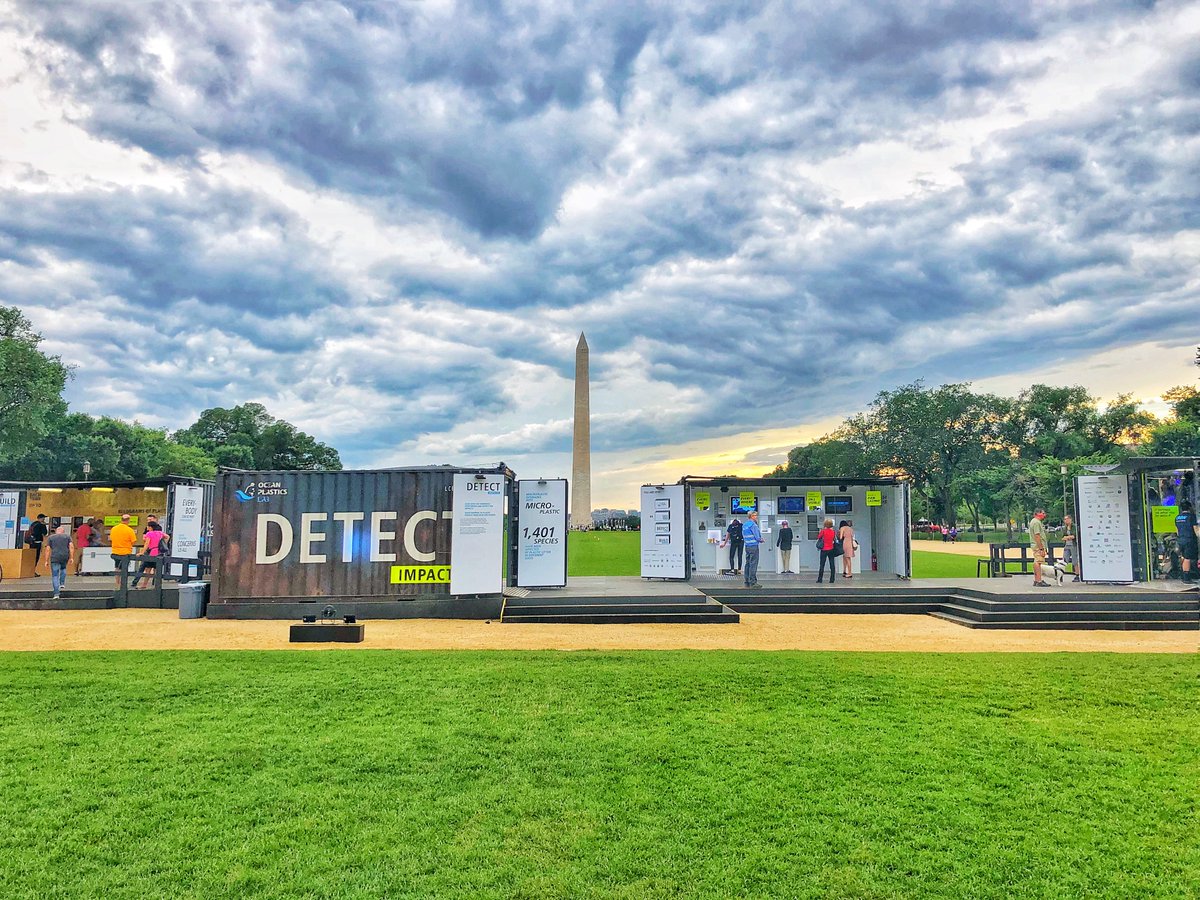
The Ocean Plastics Lab is an exhibition about science: It showcases the contribution of science to understand and combat the problem of plastics in the ocean.
New @AWI_Media study shows that small ingested #microplastic translocates into muscle tissue, i.e. the fillet of European sea bass 🐟 (= seafood)
Quantifying microplastic translocation from feed to the fillet in Euro... https://t.co/Q4U2r2uMHE
The CLAIM #pyroliser in action!
The demonstration of the pyrolizer was carried out successfully at the @StampaCnr marine station🎥Watch and see how plastic litter is collected!
#marinelitter
Fantastic to see our paper published in Science today a superp team effort emphasising the urgency if we are to halt plastic pollution. Evaluating scenarios toward zero plastic pollution https://t.co/WBgI0O1ZyD.
Important new paper modelling the quantities & distribution of #microplastic from car tyre & brake abrasion via the atmosphere.The remote #Arctic seems an important receptor region which is in line with high microplastic levels that we found in Arctic snow
https://t.co/GE8H9LdBis
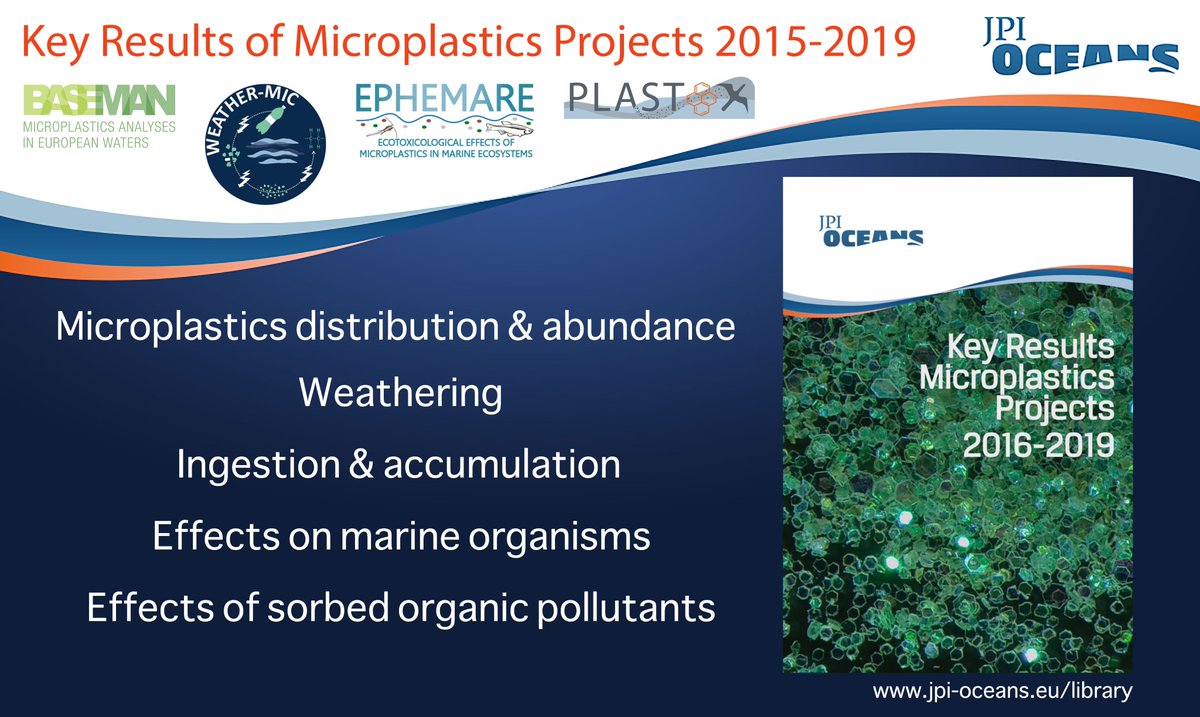
Looking for some interesting #SummerReading? Read our latest #report highlighting the key findings from 4⃣ #JPIOceans research projects 2015-2019 assessing the ecological #impacts of #microplastics in the #ocean 👉 https://t.co/3PgDKyjOli
The #MissionBoard delivered its interim proposal for a #MissionOcean to #Regenerate our Ocean and Waters by 2030. Read the draft report here:
https://t.co/GEyQKa5KGO
The Board will further refine its independent recommendation with European citizens until September #EUGreenDeal
Calling all #microplastics researchers! See below! We are looking for datasets with all microplastics chemically ID'd and all data available in the Supp Mat. We promise it will be used to answer useful questions 🙏
Microplastics cycle as part of the global dust cycle. A new paper in Science takes a closer look at atmospheric deposition of #plasticpollution. https://t.co/A4CQlUnLsj
Have you missed our special #FacebookLive session on #microplastics? The video featuring Dr Aaron Beck, coordinator of the newly launched #HOTMIC project, is now available on our Facebook page. https://t.co/kbHpaVAIsW
Many don't realize that a "paper" takeout coffee cup is actually single-use plastic. Here is a great visual for all to see! THIS is why it cannot be thrown in your blue bin in most cases. @UofTTrashTeam
[EVENTS] Join us for the Global Ocean Series! These 4 webinars will explore the question of how scaling between local management and large marine ecosystems connects to the #OceanDecade. #SDG14#OceanScience#MarineLife#MarineHabitat ➡️https://t.co/9UfGYT04Jq
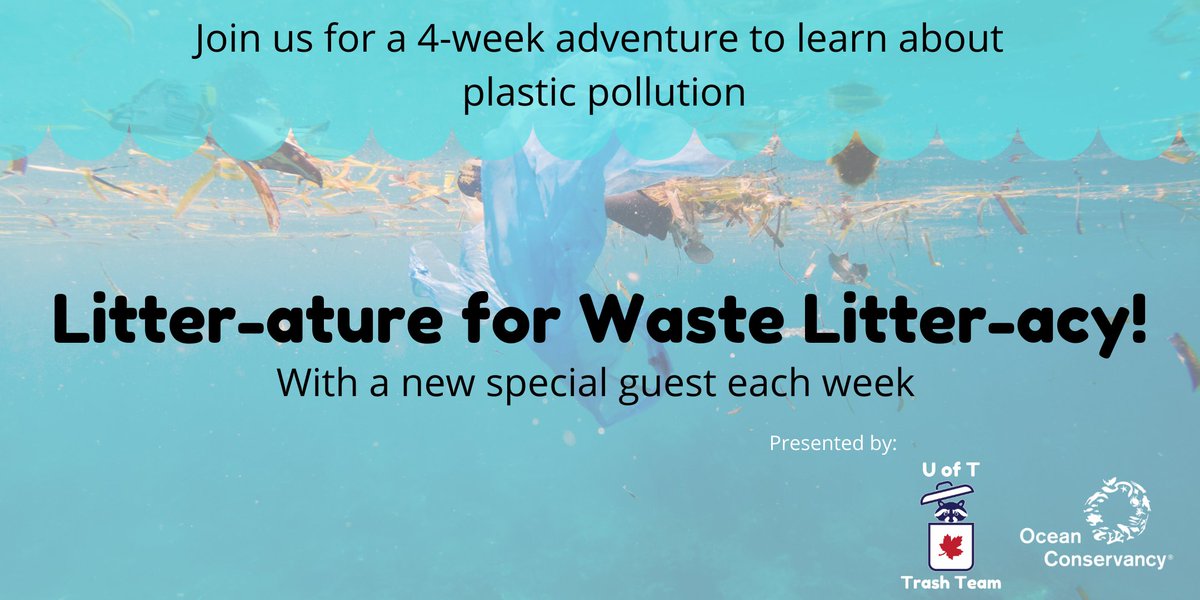
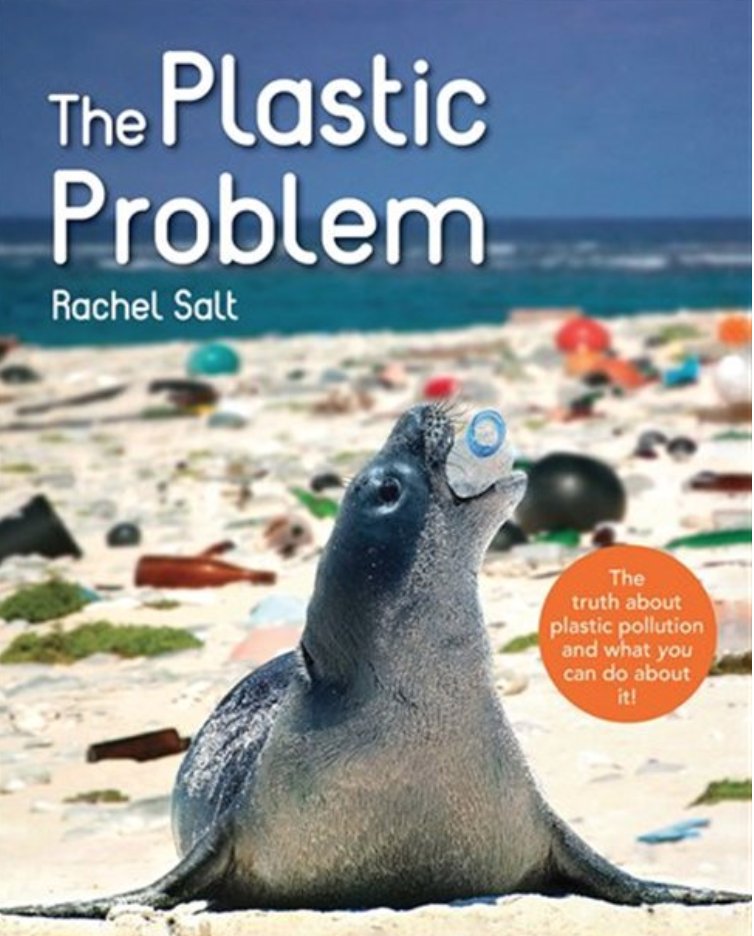
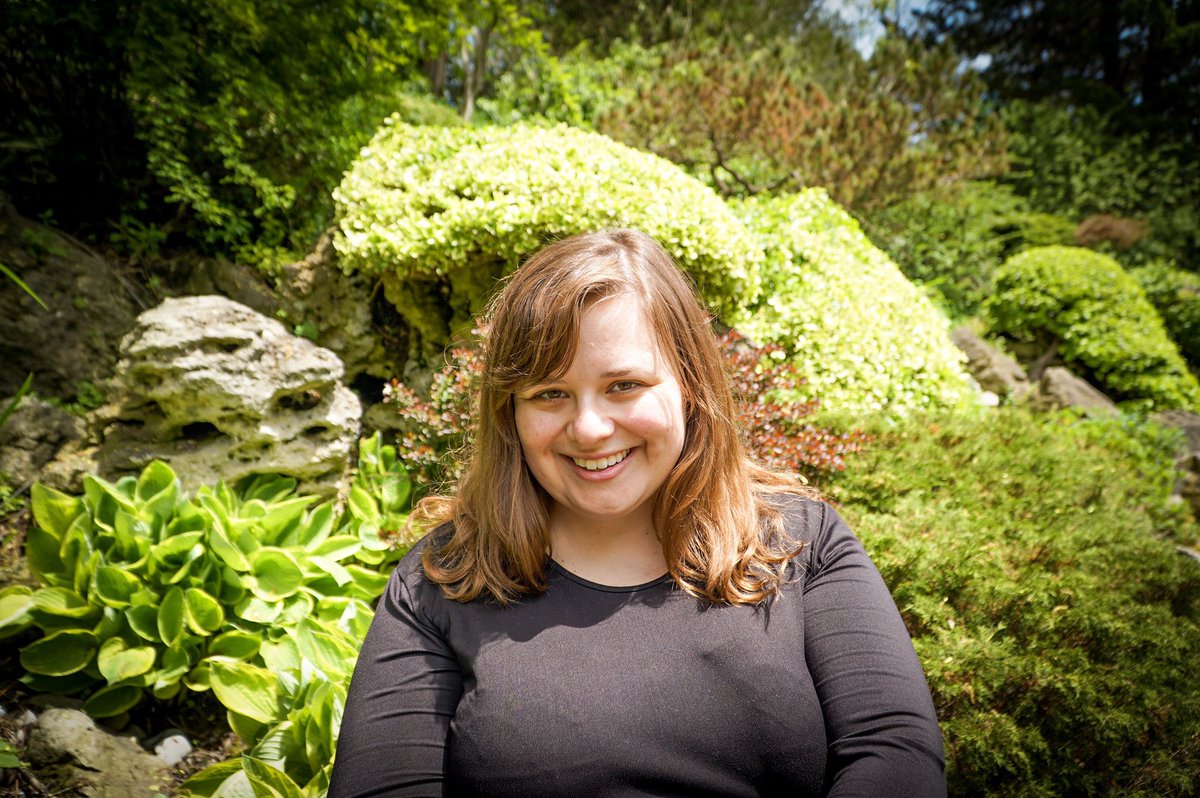
Local #Toronto author (and big time fan of sharks 🦈����🦈🦈) @rachel_k_salt joins us Tues May 12 for our 4th week of #wasteLITTERature!! "More than facts or statistics, stories have the ability to connect and inspire change". Can't wait! 🦝📚 https://t.co/1PE76G24bS
What happened to the plastic in the Mediterranean? PhD researcher Mikael Kaandorp just completed an inverse modelling assessment and found a 50/50 split between plastic beaching and sinking, with only a small fraction remaining afloat. See https://t.co/leTdm6DEWN for the preprint
What are #microplastics and how do they interact with the marine #environment and its inhabitants? This new #publication highlights the important role of 4⃣ #research projects funded under the framework of @JPIOceans More info & link to publication 👉https://t.co/rjzK2IbpKo
⚠️The highest ever #microplastics level found at the bottom of the ocean is transported by bottom currents 🌊 that can control the distribution of #microplastics and create hotspots of up to 1.9 million pieces per square meter 😱.
https://t.co/TAVOqNYOoC
Sadly, we have to announce that the Ocean Plastics Lab has come to an end. We had a total of 8 tour stops in 7 different countries, reaching out to more than 77,000 visitors.We would like to thank everyone who contributed, support and visited us on our tour the last three years.








![IocUnesco's tweet photo. [EVENTS] Join us for the Global Ocean Series! These 4 webinars will explore the question of how scaling between local management and large marine ecosystems connects to the #OceanDecade. #SDG14 #OceanScience #MarineLife #MarineHabitat ➡️https://t.co/9UfGYT04Jq https://t.co/NuqlPxR5FE](https://pbs.twimg.com/media/EYNf5VPX0AQh5DJ.jpg)
![IocUnesco's tweet photo. [SAVE THE DATE] 🌊 On the occasion of #WorldOceansDay, UNESCO’s IOC, @OceanWise @EuroGOOS and @ExpAtelier invite you to attend the first Virtual #OceanLiteracy Summit. ✍️ : https://t.co/UEDQgctkI0 https://t.co/NrJYQutpl3](https://pbs.twimg.com/media/EX-QTxxXYAAXm5Q.jpg)