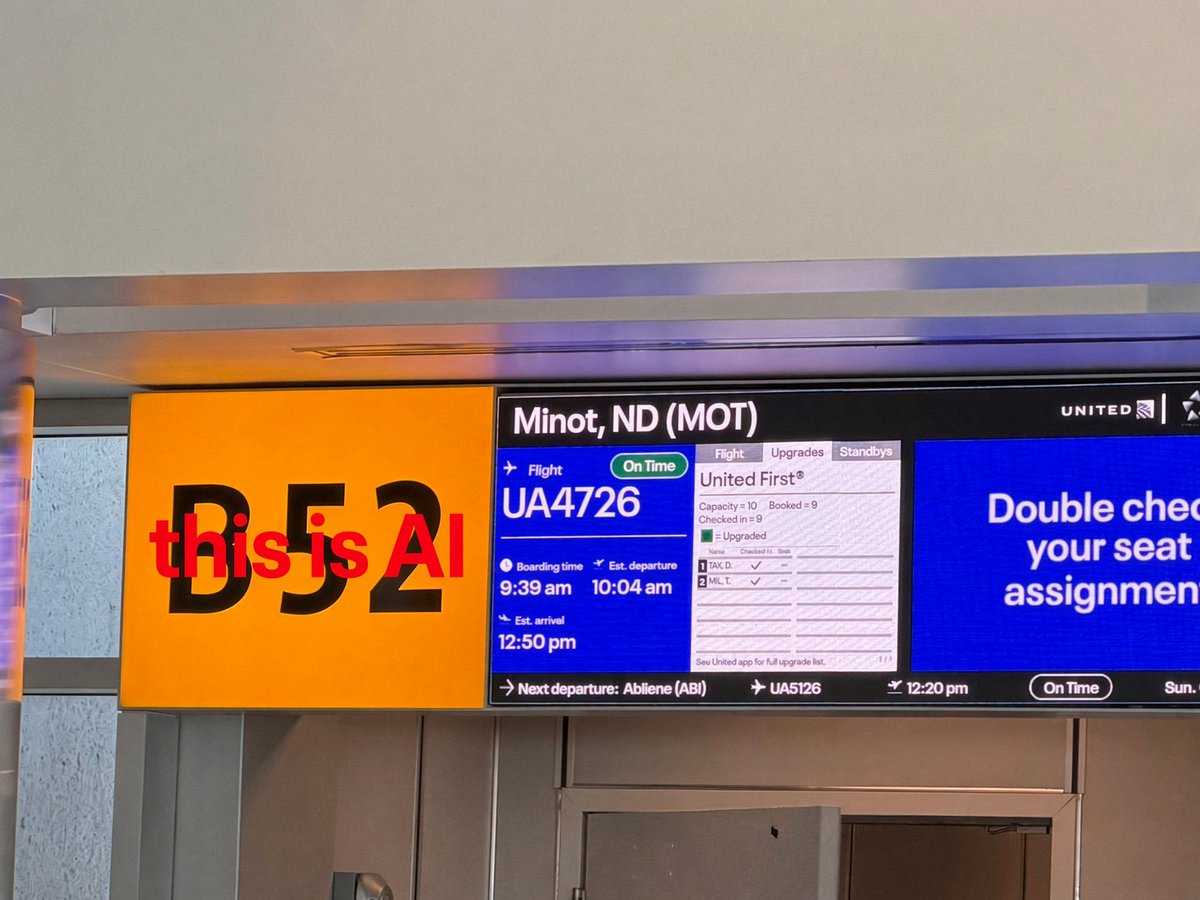
Could just be poor PR team coaching, could be something like:
A bad edge or core policy, such as mismatched timers, MTU, authentication or area and level setup, makes OSPF, IS-IS or I BGP sessions keep going up and down. Each flap floods link-state updates and forces SPF recalculations and FIB churn. Dampening, if it's configured, then suppresses prefixes, and whole sites go dark. From the outside, the only visible sign is that "pings fail everywhere," which is easy to compress into "pings broke it."
And PR teams say yeah ship it!
@PeterDiamandis There are many orphan metabolic diseases that would benefit from higher frequency sampling of bloodstream levels for various metrics. This is the way this is the goal.
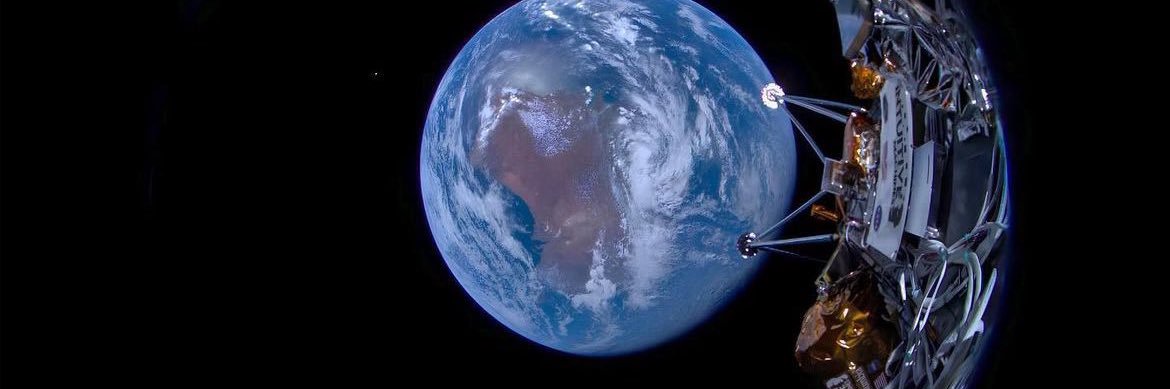
Grok gets time as well talked through GNSS drift and then knew about moonside time: ‘The current LEO architecture does not support it as-is. The core problem is the rate offset. A clock on the lunar surface ticks about fifty-six microseconds per day faster than one on Earth’s geoid — weaker gravity speeds it up, orbital motion slows it down, and the net is a positive drift. Left uncorrected, that accumulates to navigation errors of hundreds of meters within days and over seventeen kilometers per day if you ignore it entirely. LEO GNSS taming has no concept of that offset because everything shares essentially the same gravitational potential.
What’s being built instead is a parallel hierarchy. The IAU defined Lunar Coordinate Time, TCL, in twenty twenty-four as the time coordinate of a Lunar Celestial Reference System, mirroring how TCG sits under the Geocentric one. On top of that sits an operational scale — Coordinated Lunar Time, LTC — that would be realized as a weighted ensemble of atomic clocks on the lunar surface, the same way TAI is built from Earth’s ensemble, and steered to stay traceable to UTC. NASA was directed to deliver a finalized LTC implementation strategy by December thirty-first of this year, and Draft Resolution D on a lunar reference timescale is on the agenda at the CGPM in Versailles next week…”
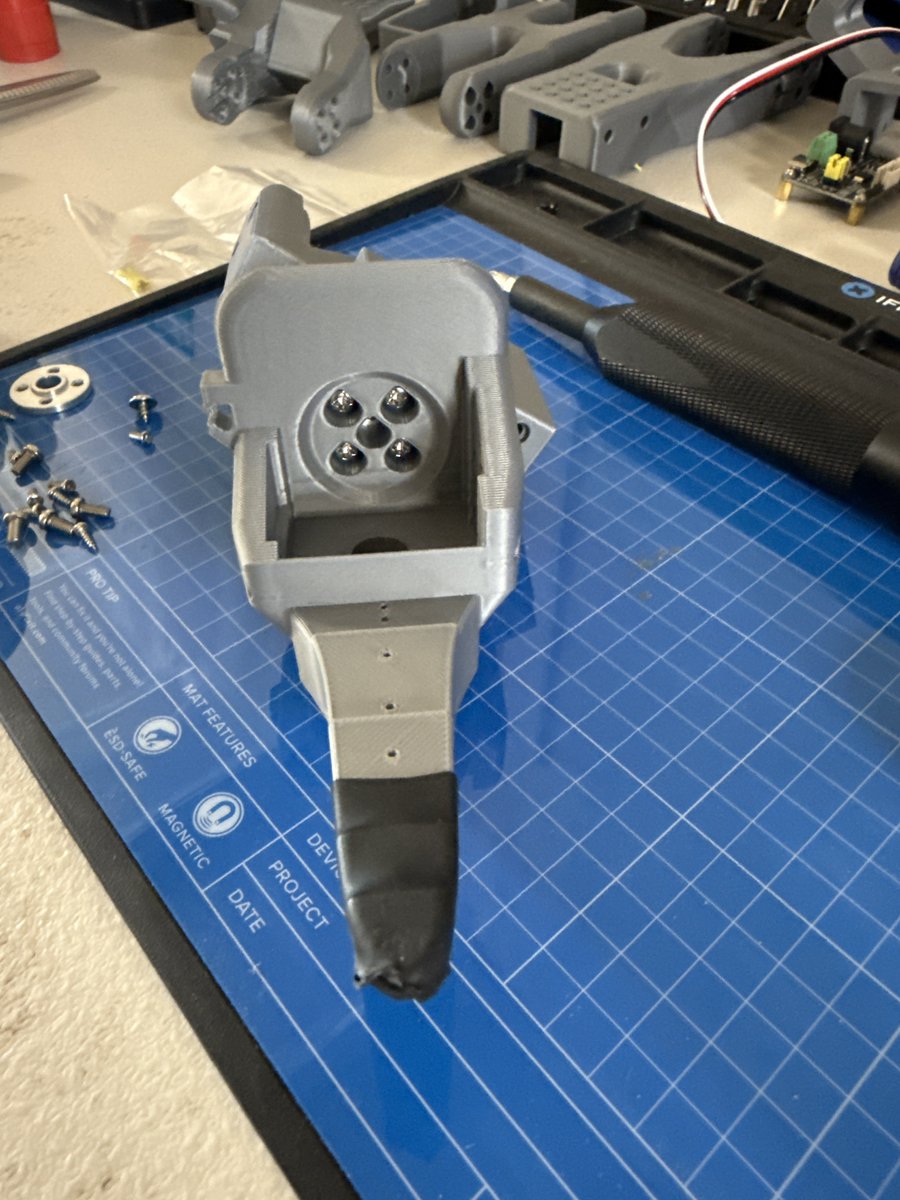
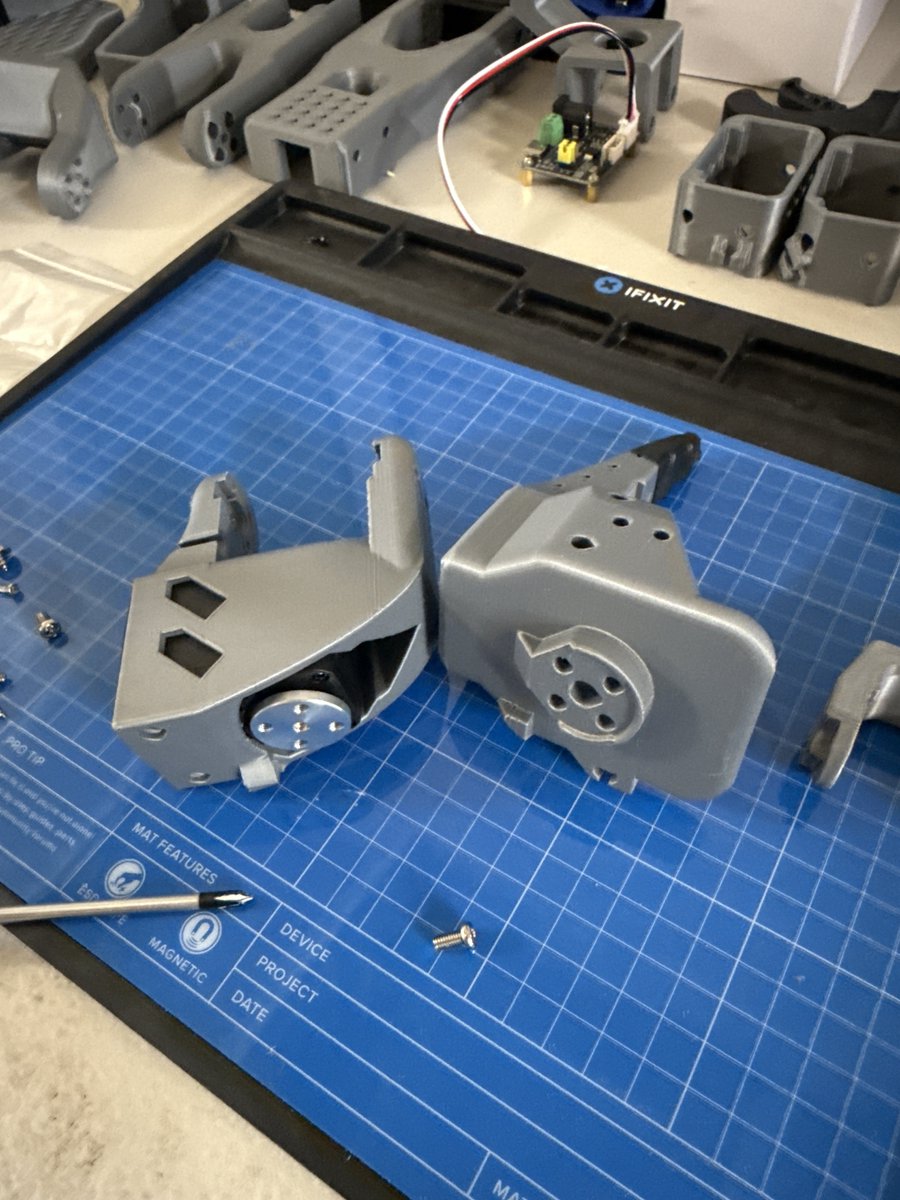
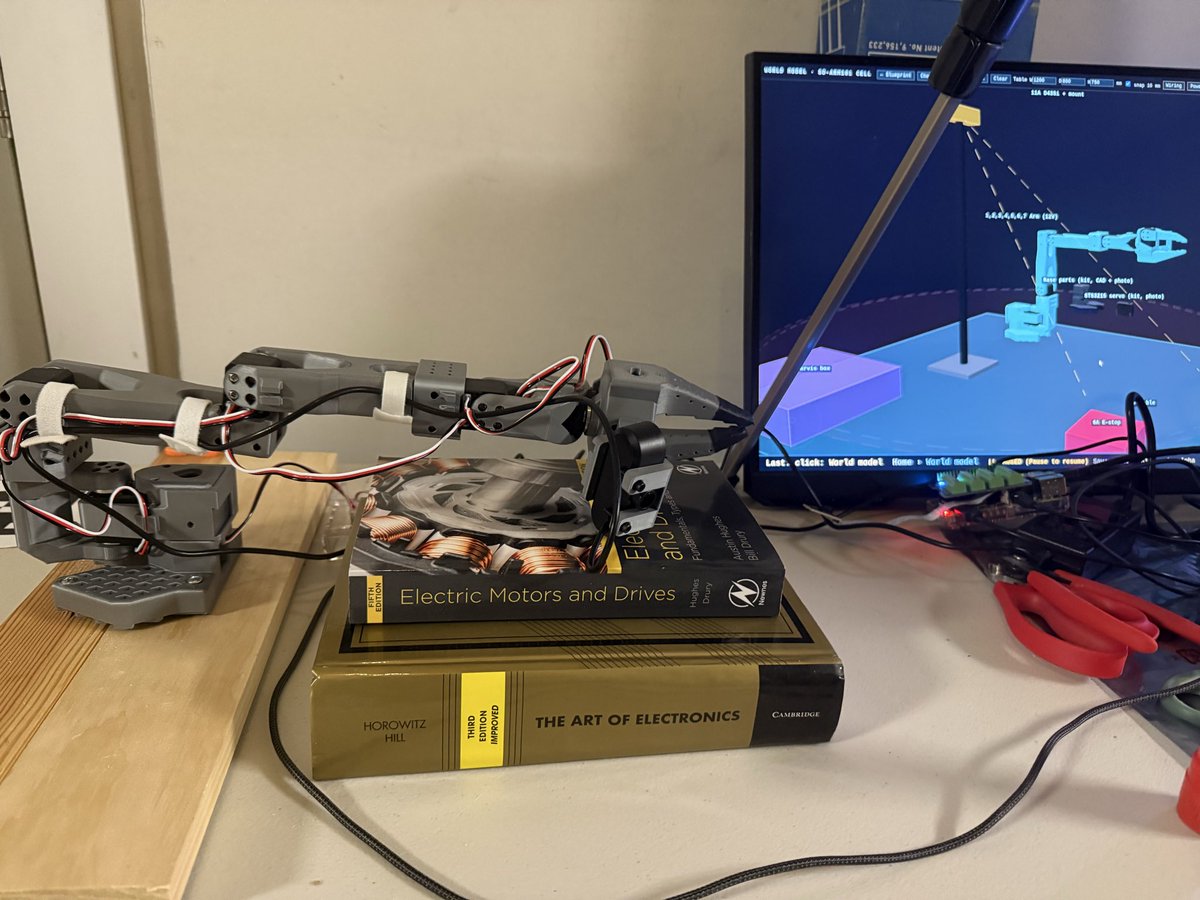
Grok Bots and Gripper day on SO-101 arm build 🦾
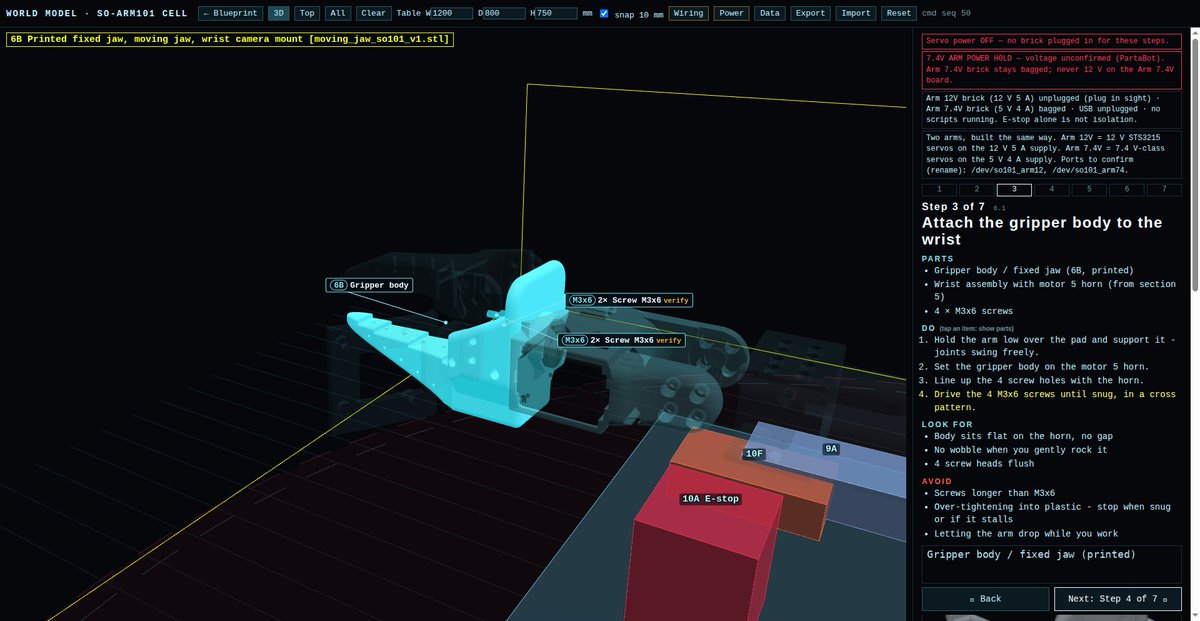
Step by step build by the bots: Silver output horn pressed onto the wrist servo's splined shaft, gripper body bolted on with 4× M3x6, and a Feetech STS3215 slotted in to drive the jaw. Heat shrink on the jaw tip for extra grip.
Every step is guided on a Grok bot built live 3D build screen: tap a step and its parts light up, explode apart and get labeled. When the CAD and the real part disagreed on screw holes and a too-short horn screw, the bench won, and we fixed the guide on the fly.
A RealSense D435i is filming the whole build so the photos feed back into the guide. Next up: the claw and its output and idler horns.