Pages of the Glorius Qur'ān today, Wednesday 1/7/26, Sūrah al-Tawbah (9): 73-86, tafakkur verse 9: 74
Theme: Understanding The True Nature
of Hypocrisy, the Consequences of Disbelief, and the Mercy of Repentance
{یَحۡلِفُونَ بِٱللَّهِ مَا قَالُوا۟ وَلَقَدۡ قَالُوا۟ كَلِمَةَ ٱلۡكُفۡرِ وَكَفَرُوا۟ بَعۡدَ إِ��ۡلَـٰمِهِمۡ وَهَمُّوا۟ بِمَا لَمۡ یَنَالُوا۟ۚ وَمَا نَقَمُوۤا۟ إِلَّاۤ أَنۡ أَغۡنَىٰهُمُ ٱللَّهُ وَرَسُولُهُۥ مِن فَضۡلِهِۦۚ فَإِن یَتُوبُوا۟ یَكُ خَیۡرࣰا لَّهُمۡۖ وَإِن یَتَوَلَّوۡا۟ یُعَذِّبۡهُمُ ٱللَّهُ عَذَابًا أَلِیمࣰا فِی ٱلدُّنۡیَا وَٱلۡـَٔاخِرَةِۚ وَمَا لَهُمۡ فِی ٱلۡأَرۡضِ مِن وَلِیࣲّ وَلَا نَصِیرࣲ}
"They swear by Allāh that they did not say [anything against the Prophet (ṣallāLlāhu 'alayhi wa sallam)] while they had said the word of disbelief and disbelieved after their [pretense of] Islām and planned that which they were not to attain. And they were not resentful except [for the fact] that Allāh and His Messenger had enriched them of His bounty. So if they repent, it is better for them; but if they turn away, Allāh will punish them with a painful punishment in this world and the Hereafter. And there will not be for them on earth any protector or helper".
LESSONS:
1. Allah Knows Every Hidden Word and Secret Intention. People may deceive others with lies and false oaths, but nothing is hidden from Allah. Every statement, conversation, and intention will ultimately be brought to light.
2. Words Matter in Islam. The verse describes their statement as "the word of disbelief." This teaches that careless speech, mockery of religion, or insulting Allah, His Messenger ﷺ, or Islam can have grave spiritual consequences. A believer must guard the tongue.
3. Envy Can Lead to Great Evil. The hypocrites resented the Prophet ﷺ even though Allah had enriched them through Islam. Instead of gratitude, they responded with jealousy and hatred. Envy blinds a person to the blessings they have received.
4. The Door of Repentance Remains Open. Despite exposing their hypocrisy and disbelief, Allah says: "If they repent, it is better for them." No matter how serious a person's sin, sincere repentance before death is always better than persisting in rebellion.
5. Rejecting Guidance Leads to Loss in This Life and the Next. Those who knowingly turn away from the truth after it has become clear face humiliation, anxiety, and divine punishment. Wealth, status, or supporters cannot protect anyone from Allah's judgment.
This verse is a powerful reminder to avoid double standards in religion. A Muslim should not publicly claim faith while privately mocking Islam, spreading falsehood, or plotting against fellow believers. Integrity requires that our words, actions, and intentions align with our profession of faith.
O Allah, make our tongues truthful, our hearts sincere, protect us from hypocrisy and disbelief, and grant us sincere repentance. Indeed, You are the Ever-Accepting of repentance, the Most Merciful. Āmīn.
Pages of the Glorius Qur'ān today, Friday 19/6/26, Sūrah al-'Araf (7): 188-206, tafakkur verse 7: 204-205
Theme: The Mercy of Allāh Through Attentive Listening and Constant Remembrance (Dhikr)
{وَإِذَا قُرِئَ ٱلۡقُرۡءَانُ فَٱسۡتَمِعُوا۟ لَهُۥ وَأَنصِتُوا۟ لَعَلَّكُمۡ تُرۡحَمُونَ (204) وَٱذۡكُر رَّبَّكَ فِی نَفۡسِكَ تَضَرُّعࣰا وَخِیفَةࣰ وَدُونَ ٱلۡجَهۡرِ مِنَ ٱلۡقَوۡلِ بِٱلۡغُدُوِّ وَٱلۡـَٔاصَالِ وَلَا تَكُن مِّنَ ٱلۡغَـٰفِلِینَ (205)}
"So when the Qur’ān is recited, then listen to it and pay attention that you may receive mercy.
And remember your Lord within yourself in humility and in fear without being apparent in speech - in the mornings and the evenings. And do not be among the heedless".
LESSONS:
These verses (Qur'ān 7:204–205) teach the etiquette of engaging with the Qur'ān and the importance of maintaining a living connection with Allāh through sincere remembrance.
1. The Qur'ān deserves complete attention and reverence.
When the Qur'ān is recited, believers are instructed to listen attentively and remain silent. This reflects the sacred nature of the Divine Word. Listening with concentration allows the heart to absorb guidance, wisdom, and spiritual nourishment. A distracted listener may hear the words but miss their transformative power.
2. Mercy is attached to proper engagement with revelation.
The verse concludes, "that you may receive mercy." This indicates that Allāh's mercy is not merely hoped for; it is actively sought through respectful listening to His words. The more sincerely a person engages with the Qur'ān, the greater his share of guidance, tranquility, and Divine mercy.
3. True remembrance begins within the heart.
Allāh commands: "Remember your Lord within yourself." Dhikr is not merely the movement of the tongue; it is first a state of the heart. A believer should cultivate an inner awareness of Allāh, carrying His remembrance into every aspect of life, whether in public or private.
4. Humility and reverential fear are essential qualities of worship.
The remembrance of Allāh should be accompanied by khushūʿ (humility) and khawf (reverential fear). The believer remembers Allāh with love, hope, gratitude, and awe, recognizing His greatness and his own dependence upon Him. Such remembrance softens the heart and protects it from arrogance.
5. Morning and evening remembrance protects against heedlessness.
The verse specifically mentions remembering Allāh in the mornings and evenings because these are transitional moments that frame the day. Beginning and ending the day with dhikr helps maintain spiritual consciousness and prevents one from becoming among the ghāfilūn (the heedless), whose hearts become distant from their Lord.
A Muslim's relationship with the Qur'ān should not end with recitation. It should lead to attentive listening, reflection, remembrance, humility, and a life lived in constant awareness of Allāh. Those who honour the Qur'ān and fill their mornings and evenings with dhikr are promised the mercy of their Lord and protection from heedlessness.
O Allāh, make the Qur'ān the spring of our hearts, the light of our chests, the remover of our sorrows, and the relief of our worries and distress.
O Allāh, grant us the ability to listen attentively to Your Book, reflect upon Your verses, act upon Your commandments, and make us among the people of the Qur'ān who are Your special servants. Āmīn.
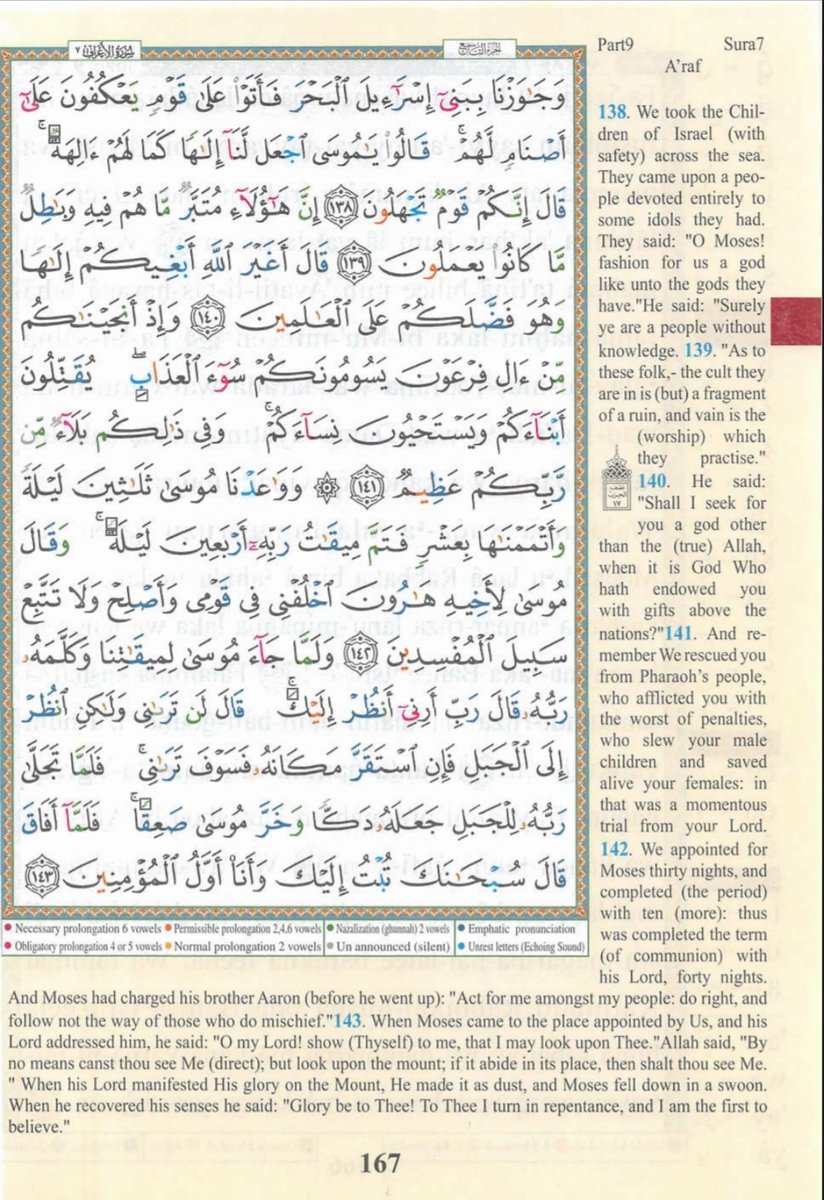
Pages of the Glorius Qur'ān today, Monday 15/6/26, Sūrah al-'Araf (7): 138-149, tafakkur verse 7: 146
Theme: The Inability to See and Accept the Signs of Allah is a Sign of Being Punished for Arrogance against Allah
{سَأَصۡرِفُ عَنۡ ءَایَـٰتِیَ ٱلَّذِینَ یَتَكَبَّرُونَ فِی ٱلۡأَرۡضِ بِغَیۡرِ ٱلۡحَقِّ وَإِن یَرَوۡا۟ كُلَّ ءَایَةࣲ لَّا یُؤۡمِنُوا۟ بِهَا وَإِن یَرَوۡا۟ سَبِیلَ ٱلرُّشۡدِ لَا یَتَّخِذُوهُ سَبِیلࣰا وَإِن یَرَوۡا۟ سَبِیلَ ٱلۡغَیِّ یَتَّخِذُوهُ سَبِیلࣰاۚ ذَ ٰلِكَ بِأَنَّهُمۡ كَذَّبُوا۟ بِـَٔایَـٰتِنَا وَكَانُوا۟ عَنۡهَا غَـٰفِلِینَ}
"I will turn away from My signs those who are arrogant upon the earth without right; and if they should see every sign, they will not believe in it. And if they see the way of consciousness, they will not adopt it as a way; but if they see the way of error, they will adopt it as a way. That is because they have denied Our signs and they were heedless of them".
LESSONS:
1. Arrogance is a barrier between a person and guidance. The verse teaches that one of the greatest obstacles to faith is arrogance. When a person becomes too proud to accept the truth, even clear evidence may no longer benefit them. Guidance requires humility before Allah and willingness to submit to the truth wherever it appears.
2. Rejection of truth is often a moral problem before it becomes an intellectual one. These people were not lacking signs; they were lacking sincerity. They saw the evidence but chose disbelief because their hearts had become attached to pride, desires, and worldly interests. Many people do not reject the truth because they cannot see it, but because they do not want to follow it.
3. Persistent sin can blind the heart. The verse shows that repeatedly denying Allah's signs eventually leads to spiritual blindness. A person may reach a stage where good appears unattractive and falsehood appears appealing. This is one of the most dangerous consequences of neglecting divine guidance.
4. Not every path is equal before Allah. The "way of consciousness" (rushd) and the "way of error" (ghayy) are clearly distinguished. A believer must consciously choose the path of righteousness, truth, justice, and obedience, even when it is difficult, and avoid the path of deviation, even when it appears attractive.
5. Heedlessness is a major cause of spiritual destruction. The verse ends by identifying heedlessness (ghaflah) as a reason for misguidance. People who fail to reflect upon Allah's signs, remember Him, and examine their own actions gradually lose their spiritual sensitivity. Regular remembrance, Qur'ān recitation, and self-accountability protect the heart from heedlessness.
A heart that is humble before Allah finds guidance even in a small reminder, while a heart filled with arrogance may reject guidance even after witnessing countless signs. Therefore, the believer should constantly ask Allah for humility, sincerity, and firmness upon the truth.
اللهم إنا نعوذ بك من الكبر والعناد والغفلة، ونسألك قلباً خاشعاً، ونفساً مطمئنة، وبصيرةً تهدينا إلى الحق وتثبتنا عليه.
"O Allah, we seek refuge in You from arrogance, stubbornness, and heedlessness. We ask You for a humble heart, a tranquil soul, and insight that guides us to the truth and keeps us firm upon it. Āmīn."
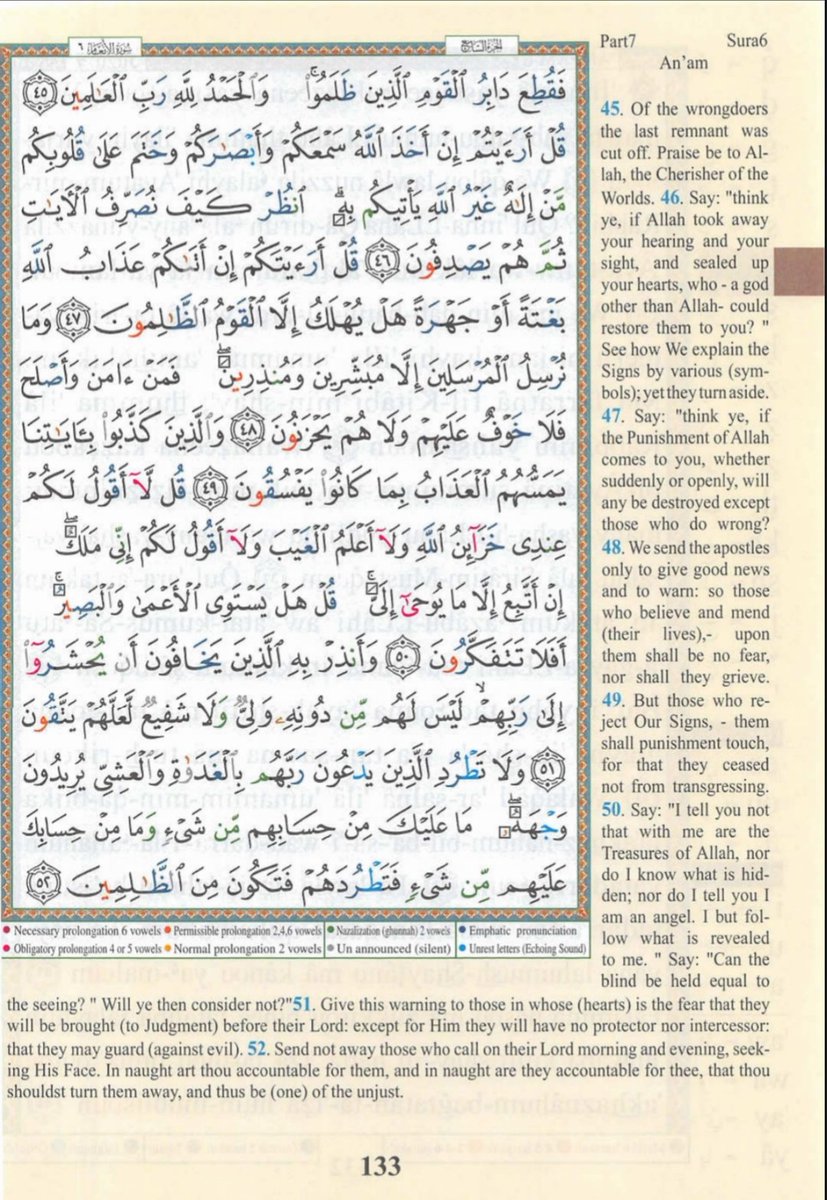
Pages of the Glorius Qur'ān today, Sunday 31/5/26, Sūrah al-'An'ām (6): 74-90, tafakkur verse 6: 87
Theme: True Guidance to the Right Path is achieved only by following the Messengers of Allah
{وَمِنۡ ءَابَاۤىِٕهِمۡ وَذُرِّیَّـٰتِهِمۡ وَإِخۡوَ ٰنِهِمۡۖ وَٱجۡتَبَیۡنَـٰهُمۡ وَهَدَیۡنَـٰهُمۡ إِلَىٰ صِرَ ٰطࣲ مُّسۡتَقِیمࣲ}
"And [some] among their fathers and their descendants and their brothers - and We chose them and We guided them to a straight path".
LESSONS:
1. Guidance is the Greatest Blessing The verse concludes with Allah's gift of guidance to the straight path. Wealth, status, and power are temporary, but guidance leads to success in this world and the Hereafter. A believer should constantly ask Allah for steadfastness upon the truth.
2. Righteousness Can Benefit Families Across Generations Allah mentions fathers, descendants, and brothers, highlighting the importance of family ties in the transmission of faith. While every individual is responsible for his or her own deeds, righteous influences often spread through families and generations.
3. Divine Selection is Based on Allah's Wisdom The prophets and righteous people mentioned in the surrounding verses were chosen by Allah. This teaches humility. Positions of honour, leadership, knowledge, and service are ultimately gifts from Allah, not merely products of human effort.
4. Good Company Strengthens Faith The mention of fathers, descendants, and brothers reminds us that righteous companionship matters. Surrounding ourselves with people of faith, integrity, and good character helps us remain firm upon the straight path.
5. Guidance Requires Gratitude and Responsibility Being guided is not a reason for pride but for gratitude. Those whom Allah guides are expected to uphold justice, worship sincerely, call others to goodness, and remain steadfast despite challenges.
This verse reminds us that the greatest honour is not lineage, wealth, or social standing, but being chosen by Allah for guidance. Therefore, we should strive to strengthen our relationship with Allah, nurture righteousness within our families, and continuously pray: "O Allah, guide us to the Straight Path." Āmīn.
Pages of the Glorius Qur'ān today, Friday 29/5/26, Sūrah al-'An'ām (6): 45-59, tafakkur verse 6: 48
Theme: Allah sent Messengers to bring glad tidings first, then, warning for the heedless
{وَمَا نُرۡسِلُ ٱلۡمُرۡسَلِینَ إِلَّا مُبَشِّرِینَ وَمُنذِرِینَۖ فَمَنۡ ءَامَنَ وَأَصۡلَحَ فَلَا خَوۡفٌ عَلَیۡهِمۡ وَلَا هُمۡ یَحۡزَنُونَ}
"And We send not the messengers except as bringers of good tidings and warners. So whoever believes and reforms - there will be no fear concerning them, nor will they grieve".
LESSONS:
1. The Mission of the Messengers Is Balanced Allāh sent His messengers with two complementary responsibilities: giving glad tidings to the righteous and warning those who persist in wrongdoing. A believer should therefore maintain a balance between hope in Allāh's mercy and fear of His punishment.
2. True Faith Requires Action The verse does not say, “Whoever believes” alone. It says, “Whoever believes and reforms.” Genuine Īmān must manifest in righteous deeds, moral conduct, and positive transformation of oneself and society.
3. Personal Reformation Is a Lifelong Duty The word aṣlaḥa (reforms) implies correcting one's beliefs, character, worship, relationships, and dealings with others. Islam calls believers to continuous self-improvement and reform.
4. Faith and Righteousness Bring Inner Peace Those who sincerely believe and strive to do right are promised freedom from overwhelming fear and anxiety regarding their ultimate destiny. Their hearts find tranquility through trust in Allāh.
5. Success in the Hereafter Removes All Regret The promise of “no fear” concerns the future, while “nor will they grieve” concerns the past. The successful believers will neither fear what lies ahead nor regret what they left behind when they meet Allāh.
The path to lasting peace is not merely believing in the truth but living by it. Faith coupled with sincere reform grants a believer serenity in this world and security in the next.
May Allāh make us among those who believe, reform, and attain His promise of freedom from fear and grief. Āmīn.
Pages of the Glorius Qur'ān today, Tuesday 26/5/26, Sūrah al-Mā'idah (5): 114-120 & al-'An'ām (6): 1-8, tafakkur verse 5: 116
Theme: The Absolute Oneness of Allāh and the Innocence of Prophet ʿĪsā (Jesus)
{وَإِذۡ قَالَ ٱللَّهُ یَـٰعِیسَى ٱبۡنَ مَرۡیَمَ ءَأَنتَ قُلۡتَ لِلنَّاسِ ٱتَّخِذُونِی وَأُمِّیَ إِلَـٰهَیۡنِ مِن دُونِ ٱللَّهِۖ قَالَ سُبۡحَـٰنَكَ مَا یَكُونُ لِیۤ أَنۡ أَقُولَ مَا لَیۡسَ لِی بِحَقٍّۚ إِن كُنتُ قُلۡتُهُۥ فَقَدۡ عَلِمۡتَهُۥۚ تَعۡلَمُ مَا فِی نَفۡسِی وَلَاۤ أَعۡلَمُ مَا فِی نَفۡسِكَۚ إِنَّكَ أَنتَ عَلَّـٰمُ ٱلۡغُیُوبِ}
"And [beware the Day] when Allāh will say, O Jesus, Son of Mary, did you say to the people, 'Take me and my mother as deities besides Allāh?' He will say, Exalted are You! It was not for me to say that to which I have no right. If I had said it, You would have known it. You know what is within myself, and I do not know what is within Yourself. Indeed, it is You who is Knower of the unseen".
LESSONS:
1. True prophets never call people to worship themselves. Prophet ʿĪsā will clearly deny ever asking people to take him or his mother as deities.
2. All worship belongs to Allāh alone. No prophet, saint, angel, or righteous person deserves any share of worship.
3. Allāh knows the hidden and the open. Nothing can be concealed from Him, whether spoken publicly or hidden in the heart.
4. Humility before Allāh is the mark of true servanthood. Prophet ʿĪsā’s response begins with glorifying Allāh and declaring His perfection.
5. Religious exaggeration can lead to misguidance. Loving the righteous must never become worshipping them.
O Allāh, keep our hearts firm upon Tawḥīd. Protect us from shirk, exaggeration, and misguidance. Make us among those who worship You sincerely and follow Your prophets with truth. Āmīn.


![IdrisAOni1's tweet photo. Pages of the Glorius Qur'ān today, Wednesday 1/7/26, Sūrah al-Tawbah (9): 73-86, tafakkur verse 9: 74
Theme: Understanding The True Nature
of Hypocrisy, the Consequences of Disbelief, and the Mercy of Repentance
{یَحۡلِفُونَ بِٱللَّهِ مَا قَالُوا۟ وَلَقَدۡ قَالُوا۟ كَلِمَةَ ٱلۡكُفۡرِ وَكَفَرُوا۟ بَعۡدَ إِ��ۡلَـٰمِهِمۡ وَهَمُّوا۟ بِمَا لَمۡ یَنَالُوا۟ۚ وَمَا نَقَمُوۤا۟ إِلَّاۤ أَنۡ أَغۡنَىٰهُمُ ٱللَّهُ وَرَسُولُهُۥ مِن فَضۡلِهِۦۚ فَإِن یَتُوبُوا۟ یَكُ خَیۡرࣰا لَّهُمۡۖ وَإِن یَتَوَلَّوۡا۟ یُعَذِّبۡهُمُ ٱللَّهُ عَذَابًا أَلِیمࣰا فِی ٱلدُّنۡیَا وَٱلۡـَٔاخِرَةِۚ وَمَا لَهُمۡ فِی ٱلۡأَرۡضِ مِن وَلِیࣲّ وَلَا نَصِیرࣲ}
"They swear by Allāh that they did not say [anything against the Prophet (ṣallāLlāhu 'alayhi wa sallam)] while they had said the word of disbelief and disbelieved after their [pretense of] Islām and planned that which they were not to attain. And they were not resentful except [for the fact] that Allāh and His Messenger had enriched them of His bounty. So if they repent, it is better for them; but if they turn away, Allāh will punish them with a painful punishment in this world and the Hereafter. And there will not be for them on earth any protector or helper".
LESSONS:
1. Allah Knows Every Hidden Word and Secret Intention. People may deceive others with lies and false oaths, but nothing is hidden from Allah. Every statement, conversation, and intention will ultimately be brought to light.
2. Words Matter in Islam. The verse describes their statement as "the word of disbelief." This teaches that careless speech, mockery of religion, or insulting Allah, His Messenger ﷺ, or Islam can have grave spiritual consequences. A believer must guard the tongue.
3. Envy Can Lead to Great Evil. The hypocrites resented the Prophet ﷺ even though Allah had enriched them through Islam. Instead of gratitude, they responded with jealousy and hatred. Envy blinds a person to the blessings they have received.
4. The Door of Repentance Remains Open. Despite exposing their hypocrisy and disbelief, Allah says: "If they repent, it is better for them." No matter how serious a person's sin, sincere repentance before death is always better than persisting in rebellion.
5. Rejecting Guidance Leads to Loss in This Life and the Next. Those who knowingly turn away from the truth after it has become clear face humiliation, anxiety, and divine punishment. Wealth, status, or supporters cannot protect anyone from Allah's judgment.
This verse is a powerful reminder to avoid double standards in religion. A Muslim should not publicly claim faith while privately mocking Islam, spreading falsehood, or plotting against fellow believers. Integrity requires that our words, actions, and intentions align with our profession of faith.
O Allah, make our tongues truthful, our hearts sincere, protect us from hypocrisy and disbelief, and grant us sincere repentance. Indeed, You are the Ever-Accepting of repentance, the Most Merciful. Āmīn.](https://pbs.twimg.com/media/HMHkUpdW4AACzzb.jpg)
![IdrisAOni1's tweet photo. Pages of the Glorius Qur'ān today, Wednesday 1/7/26, Sūrah al-Tawbah (9): 73-86, tafakkur verse 9: 74
Theme: Understanding The True Nature
of Hypocrisy, the Consequences of Disbelief, and the Mercy of Repentance
{یَحۡلِفُونَ بِٱللَّهِ مَا قَالُوا۟ وَلَقَدۡ قَالُوا۟ كَلِمَةَ ٱلۡكُفۡرِ وَكَفَرُوا۟ بَعۡدَ إِ��ۡلَـٰمِهِمۡ وَهَمُّوا۟ بِمَا لَمۡ یَنَالُوا۟ۚ وَمَا نَقَمُوۤا۟ إِلَّاۤ أَنۡ أَغۡنَىٰهُمُ ٱللَّهُ وَرَسُولُهُۥ مِن فَضۡلِهِۦۚ فَإِن یَتُوبُوا۟ یَكُ خَیۡرࣰا لَّهُمۡۖ وَإِن یَتَوَلَّوۡا۟ یُعَذِّبۡهُمُ ٱللَّهُ عَذَابًا أَلِیمࣰا فِی ٱلدُّنۡیَا وَٱلۡـَٔاخِرَةِۚ وَمَا لَهُمۡ فِی ٱلۡأَرۡضِ مِن وَلِیࣲّ وَلَا نَصِیرࣲ}
"They swear by Allāh that they did not say [anything against the Prophet (ṣallāLlāhu 'alayhi wa sallam)] while they had said the word of disbelief and disbelieved after their [pretense of] Islām and planned that which they were not to attain. And they were not resentful except [for the fact] that Allāh and His Messenger had enriched them of His bounty. So if they repent, it is better for them; but if they turn away, Allāh will punish them with a painful punishment in this world and the Hereafter. And there will not be for them on earth any protector or helper".
LESSONS:
1. Allah Knows Every Hidden Word and Secret Intention. People may deceive others with lies and false oaths, but nothing is hidden from Allah. Every statement, conversation, and intention will ultimately be brought to light.
2. Words Matter in Islam. The verse describes their statement as "the word of disbelief." This teaches that careless speech, mockery of religion, or insulting Allah, His Messenger ﷺ, or Islam can have grave spiritual consequences. A believer must guard the tongue.
3. Envy Can Lead to Great Evil. The hypocrites resented the Prophet ﷺ even though Allah had enriched them through Islam. Instead of gratitude, they responded with jealousy and hatred. Envy blinds a person to the blessings they have received.
4. The Door of Repentance Remains Open. Despite exposing their hypocrisy and disbelief, Allah says: "If they repent, it is better for them." No matter how serious a person's sin, sincere repentance before death is always better than persisting in rebellion.
5. Rejecting Guidance Leads to Loss in This Life and the Next. Those who knowingly turn away from the truth after it has become clear face humiliation, anxiety, and divine punishment. Wealth, status, or supporters cannot protect anyone from Allah's judgment.
This verse is a powerful reminder to avoid double standards in religion. A Muslim should not publicly claim faith while privately mocking Islam, spreading falsehood, or plotting against fellow believers. Integrity requires that our words, actions, and intentions align with our profession of faith.
O Allah, make our tongues truthful, our hearts sincere, protect us from hypocrisy and disbelief, and grant us sincere repentance. Indeed, You are the Ever-Accepting of repentance, the Most Merciful. Āmīn.](https://pbs.twimg.com/media/HMHkUGuXIAAmbRV.jpg)
![IdrisAOni1's tweet photo. Pages of the Glorius Qur'ān today, Wednesday 1/7/26, Sūrah al-Tawbah (9): 73-86, tafakkur verse 9: 74
Theme: Understanding The True Nature
of Hypocrisy, the Consequences of Disbelief, and the Mercy of Repentance
{یَحۡلِفُونَ بِٱللَّهِ مَا قَالُوا۟ وَلَقَدۡ قَالُوا۟ كَلِمَةَ ٱلۡكُفۡرِ وَكَفَرُوا۟ بَعۡدَ إِ��ۡلَـٰمِهِمۡ وَهَمُّوا۟ بِمَا لَمۡ یَنَالُوا۟ۚ وَمَا نَقَمُوۤا۟ إِلَّاۤ أَنۡ أَغۡنَىٰهُمُ ٱللَّهُ وَرَسُولُهُۥ مِن فَضۡلِهِۦۚ فَإِن یَتُوبُوا۟ یَكُ خَیۡرࣰا لَّهُمۡۖ وَإِن یَتَوَلَّوۡا۟ یُعَذِّبۡهُمُ ٱللَّهُ عَذَابًا أَلِیمࣰا فِی ٱلدُّنۡیَا وَٱلۡـَٔاخِرَةِۚ وَمَا لَهُمۡ فِی ٱلۡأَرۡضِ مِن وَلِیࣲّ وَلَا نَصِیرࣲ}
"They swear by Allāh that they did not say [anything against the Prophet (ṣallāLlāhu 'alayhi wa sallam)] while they had said the word of disbelief and disbelieved after their [pretense of] Islām and planned that which they were not to attain. And they were not resentful except [for the fact] that Allāh and His Messenger had enriched them of His bounty. So if they repent, it is better for them; but if they turn away, Allāh will punish them with a painful punishment in this world and the Hereafter. And there will not be for them on earth any protector or helper".
LESSONS:
1. Allah Knows Every Hidden Word and Secret Intention. People may deceive others with lies and false oaths, but nothing is hidden from Allah. Every statement, conversation, and intention will ultimately be brought to light.
2. Words Matter in Islam. The verse describes their statement as "the word of disbelief." This teaches that careless speech, mockery of religion, or insulting Allah, His Messenger ﷺ, or Islam can have grave spiritual consequences. A believer must guard the tongue.
3. Envy Can Lead to Great Evil. The hypocrites resented the Prophet ﷺ even though Allah had enriched them through Islam. Instead of gratitude, they responded with jealousy and hatred. Envy blinds a person to the blessings they have received.
4. The Door of Repentance Remains Open. Despite exposing their hypocrisy and disbelief, Allah says: "If they repent, it is better for them." No matter how serious a person's sin, sincere repentance before death is always better than persisting in rebellion.
5. Rejecting Guidance Leads to Loss in This Life and the Next. Those who knowingly turn away from the truth after it has become clear face humiliation, anxiety, and divine punishment. Wealth, status, or supporters cannot protect anyone from Allah's judgment.
This verse is a powerful reminder to avoid double standards in religion. A Muslim should not publicly claim faith while privately mocking Islam, spreading falsehood, or plotting against fellow believers. Integrity requires that our words, actions, and intentions align with our profession of faith.
O Allah, make our tongues truthful, our hearts sincere, protect us from hypocrisy and disbelief, and grant us sincere repentance. Indeed, You are the Ever-Accepting of repentance, the Most Merciful. Āmīn.](https://pbs.twimg.com/media/HMHkTfSWwAAFUX9.jpg)




![IdrisAOni1's tweet photo. Pages of the Glorius Qur'ān today, Sunday 31/5/26, Sūrah al-'An'ām (6): 74-90, tafakkur verse 6: 87
Theme: True Guidance to the Right Path is achieved only by following the Messengers of Allah
{وَمِنۡ ءَابَاۤىِٕهِمۡ وَذُرِّیَّـٰتِهِمۡ وَإِخۡوَ ٰنِهِمۡۖ وَٱجۡتَبَیۡنَـٰهُمۡ وَهَدَیۡنَـٰهُمۡ إِلَىٰ صِرَ ٰطࣲ مُّسۡتَقِیمࣲ}
"And [some] among their fathers and their descendants and their brothers - and We chose them and We guided them to a straight path".
LESSONS:
1. Guidance is the Greatest Blessing The verse concludes with Allah's gift of guidance to the straight path. Wealth, status, and power are temporary, but guidance leads to success in this world and the Hereafter. A believer should constantly ask Allah for steadfastness upon the truth.
2. Righteousness Can Benefit Families Across Generations Allah mentions fathers, descendants, and brothers, highlighting the importance of family ties in the transmission of faith. While every individual is responsible for his or her own deeds, righteous influences often spread through families and generations.
3. Divine Selection is Based on Allah's Wisdom The prophets and righteous people mentioned in the surrounding verses were chosen by Allah. This teaches humility. Positions of honour, leadership, knowledge, and service are ultimately gifts from Allah, not merely products of human effort.
4. Good Company Strengthens Faith The mention of fathers, descendants, and brothers reminds us that righteous companionship matters. Surrounding ourselves with people of faith, integrity, and good character helps us remain firm upon the straight path.
5. Guidance Requires Gratitude and Responsibility Being guided is not a reason for pride but for gratitude. Those whom Allah guides are expected to uphold justice, worship sincerely, call others to goodness, and remain steadfast despite challenges.
This verse reminds us that the greatest honour is not lineage, wealth, or social standing, but being chosen by Allah for guidance. Therefore, we should strive to strengthen our relationship with Allah, nurture righteousness within our families, and continuously pray: "O Allah, guide us to the Straight Path." Āmīn.](https://pbs.twimg.com/media/HJn4Kq_WoAMWEtO.jpg)
![IdrisAOni1's tweet photo. Pages of the Glorius Qur'ān today, Sunday 31/5/26, Sūrah al-'An'ām (6): 74-90, tafakkur verse 6: 87
Theme: True Guidance to the Right Path is achieved only by following the Messengers of Allah
{وَمِنۡ ءَابَاۤىِٕهِمۡ وَذُرِّیَّـٰتِهِمۡ وَإِخۡوَ ٰنِهِمۡۖ وَٱجۡتَبَیۡنَـٰهُمۡ وَهَدَیۡنَـٰهُمۡ إِلَىٰ صِرَ ٰطࣲ مُّسۡتَقِیمࣲ}
"And [some] among their fathers and their descendants and their brothers - and We chose them and We guided them to a straight path".
LESSONS:
1. Guidance is the Greatest Blessing The verse concludes with Allah's gift of guidance to the straight path. Wealth, status, and power are temporary, but guidance leads to success in this world and the Hereafter. A believer should constantly ask Allah for steadfastness upon the truth.
2. Righteousness Can Benefit Families Across Generations Allah mentions fathers, descendants, and brothers, highlighting the importance of family ties in the transmission of faith. While every individual is responsible for his or her own deeds, righteous influences often spread through families and generations.
3. Divine Selection is Based on Allah's Wisdom The prophets and righteous people mentioned in the surrounding verses were chosen by Allah. This teaches humility. Positions of honour, leadership, knowledge, and service are ultimately gifts from Allah, not merely products of human effort.
4. Good Company Strengthens Faith The mention of fathers, descendants, and brothers reminds us that righteous companionship matters. Surrounding ourselves with people of faith, integrity, and good character helps us remain firm upon the straight path.
5. Guidance Requires Gratitude and Responsibility Being guided is not a reason for pride but for gratitude. Those whom Allah guides are expected to uphold justice, worship sincerely, call others to goodness, and remain steadfast despite challenges.
This verse reminds us that the greatest honour is not lineage, wealth, or social standing, but being chosen by Allah for guidance. Therefore, we should strive to strengthen our relationship with Allah, nurture righteousness within our families, and continuously pray: "O Allah, guide us to the Straight Path." Āmīn.](https://pbs.twimg.com/media/HJn4KnsXAAMRbT7.jpg)
![IdrisAOni1's tweet photo. Pages of the Glorius Qur'ān today, Sunday 31/5/26, Sūrah al-'An'ām (6): 74-90, tafakkur verse 6: 87
Theme: True Guidance to the Right Path is achieved only by following the Messengers of Allah
{وَمِنۡ ءَابَاۤىِٕهِمۡ وَذُرِّیَّـٰتِهِمۡ وَإِخۡوَ ٰنِهِمۡۖ وَٱجۡتَبَیۡنَـٰهُمۡ وَهَدَیۡنَـٰهُمۡ إِلَىٰ صِرَ ٰطࣲ مُّسۡتَقِیمࣲ}
"And [some] among their fathers and their descendants and their brothers - and We chose them and We guided them to a straight path".
LESSONS:
1. Guidance is the Greatest Blessing The verse concludes with Allah's gift of guidance to the straight path. Wealth, status, and power are temporary, but guidance leads to success in this world and the Hereafter. A believer should constantly ask Allah for steadfastness upon the truth.
2. Righteousness Can Benefit Families Across Generations Allah mentions fathers, descendants, and brothers, highlighting the importance of family ties in the transmission of faith. While every individual is responsible for his or her own deeds, righteous influences often spread through families and generations.
3. Divine Selection is Based on Allah's Wisdom The prophets and righteous people mentioned in the surrounding verses were chosen by Allah. This teaches humility. Positions of honour, leadership, knowledge, and service are ultimately gifts from Allah, not merely products of human effort.
4. Good Company Strengthens Faith The mention of fathers, descendants, and brothers reminds us that righteous companionship matters. Surrounding ourselves with people of faith, integrity, and good character helps us remain firm upon the straight path.
5. Guidance Requires Gratitude and Responsibility Being guided is not a reason for pride but for gratitude. Those whom Allah guides are expected to uphold justice, worship sincerely, call others to goodness, and remain steadfast despite challenges.
This verse reminds us that the greatest honour is not lineage, wealth, or social standing, but being chosen by Allah for guidance. Therefore, we should strive to strengthen our relationship with Allah, nurture righteousness within our families, and continuously pray: "O Allah, guide us to the Straight Path." Āmīn.](https://pbs.twimg.com/media/HJn4Kl6XcAEKQLu.jpg)


![IdrisAOni1's tweet photo. Pages of the Glorius Qur'ān today, Tuesday 26/5/26, Sūrah al-Mā'idah (5): 114-120 & al-'An'ām (6): 1-8, tafakkur verse 5: 116
Theme: The Absolute Oneness of Allāh and the Innocence of Prophet ʿĪsā (Jesus)
{وَإِذۡ قَالَ ٱللَّهُ یَـٰعِیسَى ٱبۡنَ مَرۡیَمَ ءَأَنتَ قُلۡتَ لِلنَّاسِ ٱتَّخِذُونِی وَأُمِّیَ إِلَـٰهَیۡنِ مِن دُونِ ٱللَّهِۖ قَالَ سُبۡحَـٰنَكَ مَا یَكُونُ لِیۤ أَنۡ أَقُولَ مَا لَیۡسَ لِی بِحَقٍّۚ إِن كُنتُ قُلۡتُهُۥ فَقَدۡ عَلِمۡتَهُۥۚ تَعۡلَمُ مَا فِی نَفۡسِی وَلَاۤ أَعۡلَمُ مَا فِی نَفۡسِكَۚ إِنَّكَ أَنتَ عَلَّـٰمُ ٱلۡغُیُوبِ}
"And [beware the Day] when Allāh will say, O Jesus, Son of Mary, did you say to the people, 'Take me and my mother as deities besides Allāh?' He will say, Exalted are You! It was not for me to say that to which I have no right. If I had said it, You would have known it. You know what is within myself, and I do not know what is within Yourself. Indeed, it is You who is Knower of the unseen".
LESSONS:
1. True prophets never call people to worship themselves. Prophet ʿĪsā will clearly deny ever asking people to take him or his mother as deities.
2. All worship belongs to Allāh alone. No prophet, saint, angel, or righteous person deserves any share of worship.
3. Allāh knows the hidden and the open. Nothing can be concealed from Him, whether spoken publicly or hidden in the heart.
4. Humility before Allāh is the mark of true servanthood. Prophet ʿĪsā’s response begins with glorifying Allāh and declaring His perfection.
5. Religious exaggeration can lead to misguidance. Loving the righteous must never become worshipping them.
O Allāh, keep our hearts firm upon Tawḥīd. Protect us from shirk, exaggeration, and misguidance. Make us among those who worship You sincerely and follow Your prophets with truth. Āmīn.](https://pbs.twimg.com/media/HJNw4JcWYAAshtk.jpg)
![IdrisAOni1's tweet photo. Pages of the Glorius Qur'ān today, Tuesday 26/5/26, Sūrah al-Mā'idah (5): 114-120 & al-'An'ām (6): 1-8, tafakkur verse 5: 116
Theme: The Absolute Oneness of Allāh and the Innocence of Prophet ʿĪsā (Jesus)
{وَإِذۡ قَالَ ٱللَّهُ یَـٰعِیسَى ٱبۡنَ مَرۡیَمَ ءَأَنتَ قُلۡتَ لِلنَّاسِ ٱتَّخِذُونِی وَأُمِّیَ إِلَـٰهَیۡنِ مِن دُونِ ٱللَّهِۖ قَالَ سُبۡحَـٰنَكَ مَا یَكُونُ لِیۤ أَنۡ أَقُولَ مَا لَیۡسَ لِی بِحَقٍّۚ إِن كُنتُ قُلۡتُهُۥ فَقَدۡ عَلِمۡتَهُۥۚ تَعۡلَمُ مَا فِی نَفۡسِی وَلَاۤ أَعۡلَمُ مَا فِی نَفۡسِكَۚ إِنَّكَ أَنتَ عَلَّـٰمُ ٱلۡغُیُوبِ}
"And [beware the Day] when Allāh will say, O Jesus, Son of Mary, did you say to the people, 'Take me and my mother as deities besides Allāh?' He will say, Exalted are You! It was not for me to say that to which I have no right. If I had said it, You would have known it. You know what is within myself, and I do not know what is within Yourself. Indeed, it is You who is Knower of the unseen".
LESSONS:
1. True prophets never call people to worship themselves. Prophet ʿĪsā will clearly deny ever asking people to take him or his mother as deities.
2. All worship belongs to Allāh alone. No prophet, saint, angel, or righteous person deserves any share of worship.
3. Allāh knows the hidden and the open. Nothing can be concealed from Him, whether spoken publicly or hidden in the heart.
4. Humility before Allāh is the mark of true servanthood. Prophet ʿĪsā’s response begins with glorifying Allāh and declaring His perfection.
5. Religious exaggeration can lead to misguidance. Loving the righteous must never become worshipping them.
O Allāh, keep our hearts firm upon Tawḥīd. Protect us from shirk, exaggeration, and misguidance. Make us among those who worship You sincerely and follow Your prophets with truth. Āmīn.](https://pbs.twimg.com/media/HJNw4HuXoAAHUL8.jpg)
![IdrisAOni1's tweet photo. Pages of the Glorius Qur'ān today, Tuesday 26/5/26, Sūrah al-Mā'idah (5): 114-120 & al-'An'ām (6): 1-8, tafakkur verse 5: 116
Theme: The Absolute Oneness of Allāh and the Innocence of Prophet ʿĪsā (Jesus)
{وَإِذۡ قَالَ ٱللَّهُ یَـٰعِیسَى ٱبۡنَ مَرۡیَمَ ءَأَنتَ قُلۡتَ لِلنَّاسِ ٱتَّخِذُونِی وَأُمِّیَ إِلَـٰهَیۡنِ مِن دُونِ ٱللَّهِۖ قَالَ سُبۡحَـٰنَكَ مَا یَكُونُ لِیۤ أَنۡ أَقُولَ مَا لَیۡسَ لِی بِحَقٍّۚ إِن كُنتُ قُلۡتُهُۥ فَقَدۡ عَلِمۡتَهُۥۚ تَعۡلَمُ مَا فِی نَفۡسِی وَلَاۤ أَعۡلَمُ مَا فِی نَفۡسِكَۚ إِنَّكَ أَنتَ عَلَّـٰمُ ٱلۡغُیُوبِ}
"And [beware the Day] when Allāh will say, O Jesus, Son of Mary, did you say to the people, 'Take me and my mother as deities besides Allāh?' He will say, Exalted are You! It was not for me to say that to which I have no right. If I had said it, You would have known it. You know what is within myself, and I do not know what is within Yourself. Indeed, it is You who is Knower of the unseen".
LESSONS:
1. True prophets never call people to worship themselves. Prophet ʿĪsā will clearly deny ever asking people to take him or his mother as deities.
2. All worship belongs to Allāh alone. No prophet, saint, angel, or righteous person deserves any share of worship.
3. Allāh knows the hidden and the open. Nothing can be concealed from Him, whether spoken publicly or hidden in the heart.
4. Humility before Allāh is the mark of true servanthood. Prophet ʿĪsā’s response begins with glorifying Allāh and declaring His perfection.
5. Religious exaggeration can lead to misguidance. Loving the righteous must never become worshipping them.
O Allāh, keep our hearts firm upon Tawḥīd. Protect us from shirk, exaggeration, and misguidance. Make us among those who worship You sincerely and follow Your prophets with truth. Āmīn.](https://pbs.twimg.com/media/HJNw4HrXkAEAQnQ.jpg)




![IdrisAOni1's tweet photo. Pages of the Glorius Qur'ān today, Wednesday 1/7/26, Sūrah al-Tawbah (9): 73-86, tafakkur verse 9: 74
Theme: Understanding The True Nature
of Hypocrisy, the Consequences of Disbelief, and the Mercy of Repentance
{یَحۡلِفُونَ بِٱللَّهِ مَا قَالُوا۟ وَلَقَدۡ قَالُوا۟ كَلِمَةَ ٱلۡكُفۡرِ وَكَفَرُوا۟ بَعۡدَ إِ��ۡلَـٰمِهِمۡ وَهَمُّوا۟ بِمَا لَمۡ یَنَالُوا۟ۚ وَمَا نَقَمُوۤا۟ إِلَّاۤ أَنۡ أَغۡنَىٰهُمُ ٱللَّهُ وَرَسُولُهُۥ مِن فَضۡلِهِۦۚ فَإِن یَتُوبُوا۟ یَكُ خَیۡرࣰا لَّهُمۡۖ وَإِن یَتَوَلَّوۡا۟ یُعَذِّبۡهُمُ ٱللَّهُ عَذَابًا أَلِیمࣰا فِی ٱلدُّنۡیَا وَٱلۡـَٔاخِرَةِۚ وَمَا لَهُمۡ فِی ٱلۡأَرۡضِ مِن وَلِیࣲّ وَلَا نَصِیرࣲ}
"They swear by Allāh that they did not say [anything against the Prophet (ṣallāLlāhu 'alayhi wa sallam)] while they had said the word of disbelief and disbelieved after their [pretense of] Islām and planned that which they were not to attain. And they were not resentful except [for the fact] that Allāh and His Messenger had enriched them of His bounty. So if they repent, it is better for them; but if they turn away, Allāh will punish them with a painful punishment in this world and the Hereafter. And there will not be for them on earth any protector or helper".
LESSONS:
1. Allah Knows Every Hidden Word and Secret Intention. People may deceive others with lies and false oaths, but nothing is hidden from Allah. Every statement, conversation, and intention will ultimately be brought to light.
2. Words Matter in Islam. The verse describes their statement as "the word of disbelief." This teaches that careless speech, mockery of religion, or insulting Allah, His Messenger ﷺ, or Islam can have grave spiritual consequences. A believer must guard the tongue.
3. Envy Can Lead to Great Evil. The hypocrites resented the Prophet ﷺ even though Allah had enriched them through Islam. Instead of gratitude, they responded with jealousy and hatred. Envy blinds a person to the blessings they have received.
4. The Door of Repentance Remains Open. Despite exposing their hypocrisy and disbelief, Allah says: "If they repent, it is better for them." No matter how serious a person's sin, sincere repentance before death is always better than persisting in rebellion.
5. Rejecting Guidance Leads to Loss in This Life and the Next. Those who knowingly turn away from the truth after it has become clear face humiliation, anxiety, and divine punishment. Wealth, status, or supporters cannot protect anyone from Allah's judgment.
This verse is a powerful reminder to avoid double standards in religion. A Muslim should not publicly claim faith while privately mocking Islam, spreading falsehood, or plotting against fellow believers. Integrity requires that our words, actions, and intentions align with our profession of faith.
O Allah, make our tongues truthful, our hearts sincere, protect us from hypocrisy and disbelief, and grant us sincere repentance. Indeed, You are the Ever-Accepting of repentance, the Most Merciful. Āmīn.](https://pbs.twimg.com/media/HMHkVN2WwAAwmtY.jpg)


![IdrisAOni1's tweet photo. Pages of the Glorius Qur'ān today, Sunday 31/5/26, Sūrah al-'An'ām (6): 74-90, tafakkur verse 6: 87
Theme: True Guidance to the Right Path is achieved only by following the Messengers of Allah
{وَمِنۡ ءَابَاۤىِٕهِمۡ وَذُرِّیَّـٰتِهِمۡ وَإِخۡوَ ٰنِهِمۡۖ وَٱجۡتَبَیۡنَـٰهُمۡ وَهَدَیۡنَـٰهُمۡ إِلَىٰ صِرَ ٰطࣲ مُّسۡتَقِیمࣲ}
"And [some] among their fathers and their descendants and their brothers - and We chose them and We guided them to a straight path".
LESSONS:
1. Guidance is the Greatest Blessing The verse concludes with Allah's gift of guidance to the straight path. Wealth, status, and power are temporary, but guidance leads to success in this world and the Hereafter. A believer should constantly ask Allah for steadfastness upon the truth.
2. Righteousness Can Benefit Families Across Generations Allah mentions fathers, descendants, and brothers, highlighting the importance of family ties in the transmission of faith. While every individual is responsible for his or her own deeds, righteous influences often spread through families and generations.
3. Divine Selection is Based on Allah's Wisdom The prophets and righteous people mentioned in the surrounding verses were chosen by Allah. This teaches humility. Positions of honour, leadership, knowledge, and service are ultimately gifts from Allah, not merely products of human effort.
4. Good Company Strengthens Faith The mention of fathers, descendants, and brothers reminds us that righteous companionship matters. Surrounding ourselves with people of faith, integrity, and good character helps us remain firm upon the straight path.
5. Guidance Requires Gratitude and Responsibility Being guided is not a reason for pride but for gratitude. Those whom Allah guides are expected to uphold justice, worship sincerely, call others to goodness, and remain steadfast despite challenges.
This verse reminds us that the greatest honour is not lineage, wealth, or social standing, but being chosen by Allah for guidance. Therefore, we should strive to strengthen our relationship with Allah, nurture righteousness within our families, and continuously pray: "O Allah, guide us to the Straight Path." Āmīn.](https://pbs.twimg.com/media/HJn4KszXoAIqPyx.jpg)

![IdrisAOni1's tweet photo. Pages of the Glorius Qur'ān today, Tuesday 26/5/26, Sūrah al-Mā'idah (5): 114-120 & al-'An'ām (6): 1-8, tafakkur verse 5: 116
Theme: The Absolute Oneness of Allāh and the Innocence of Prophet ʿĪsā (Jesus)
{وَإِذۡ قَالَ ٱللَّهُ یَـٰعِیسَى ٱبۡنَ مَرۡیَمَ ءَأَنتَ قُلۡتَ لِلنَّاسِ ٱتَّخِذُونِی وَأُمِّیَ إِلَـٰهَیۡنِ مِن دُونِ ٱللَّهِۖ قَالَ سُبۡحَـٰنَكَ مَا یَكُونُ لِیۤ أَنۡ أَقُولَ مَا لَیۡسَ لِی بِحَقٍّۚ إِن كُنتُ قُلۡتُهُۥ فَقَدۡ عَلِمۡتَهُۥۚ تَعۡلَمُ مَا فِی نَفۡسِی وَلَاۤ أَعۡلَمُ مَا فِی نَفۡسِكَۚ إِنَّكَ أَنتَ عَلَّـٰمُ ٱلۡغُیُوبِ}
"And [beware the Day] when Allāh will say, O Jesus, Son of Mary, did you say to the people, 'Take me and my mother as deities besides Allāh?' He will say, Exalted are You! It was not for me to say that to which I have no right. If I had said it, You would have known it. You know what is within myself, and I do not know what is within Yourself. Indeed, it is You who is Knower of the unseen".
LESSONS:
1. True prophets never call people to worship themselves. Prophet ʿĪsā will clearly deny ever asking people to take him or his mother as deities.
2. All worship belongs to Allāh alone. No prophet, saint, angel, or righteous person deserves any share of worship.
3. Allāh knows the hidden and the open. Nothing can be concealed from Him, whether spoken publicly or hidden in the heart.
4. Humility before Allāh is the mark of true servanthood. Prophet ʿĪsā’s response begins with glorifying Allāh and declaring His perfection.
5. Religious exaggeration can lead to misguidance. Loving the righteous must never become worshipping them.
O Allāh, keep our hearts firm upon Tawḥīd. Protect us from shirk, exaggeration, and misguidance. Make us among those who worship You sincerely and follow Your prophets with truth. Āmīn.](https://pbs.twimg.com/media/HJNw4LrXsAA_U_9.jpg)


