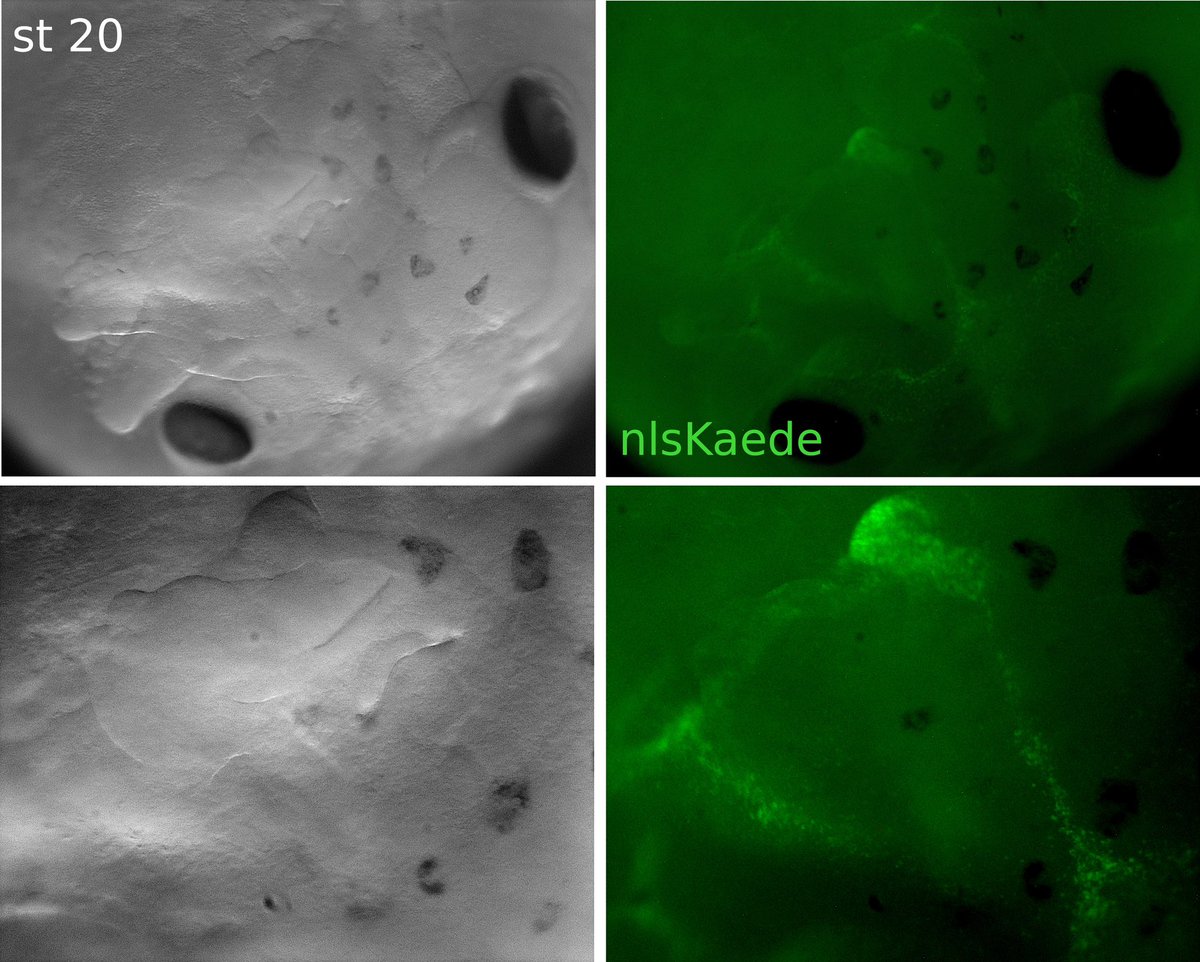
More than a decade since CRISPR-Cas9 knock in came on the scene, it's remained underutilized in emerging models. Using transposase, and a split-FP system, we built an optimized knock in system for use in the genetically-enabled urchin, Lytechinus pictus. https://t.co/dXBrQTmcDb
Ladies if you go to his apartment and his fridge is full of sequencing primers for his plasmid collection you DO NOT date him you deserve a man who does whole plasmid sequencing
A beautiful 🥰 new paper from the García-Arrarás lab: https://t.co/LlEy8jpXMO !
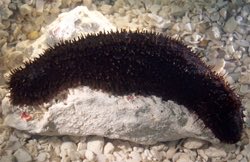
Wonderful to see more markers being added to the echinoderm glia toolbox.
Congratulations to the authors 🍾, definitely worth a read if you’re into comparative glia biology or regeneration.
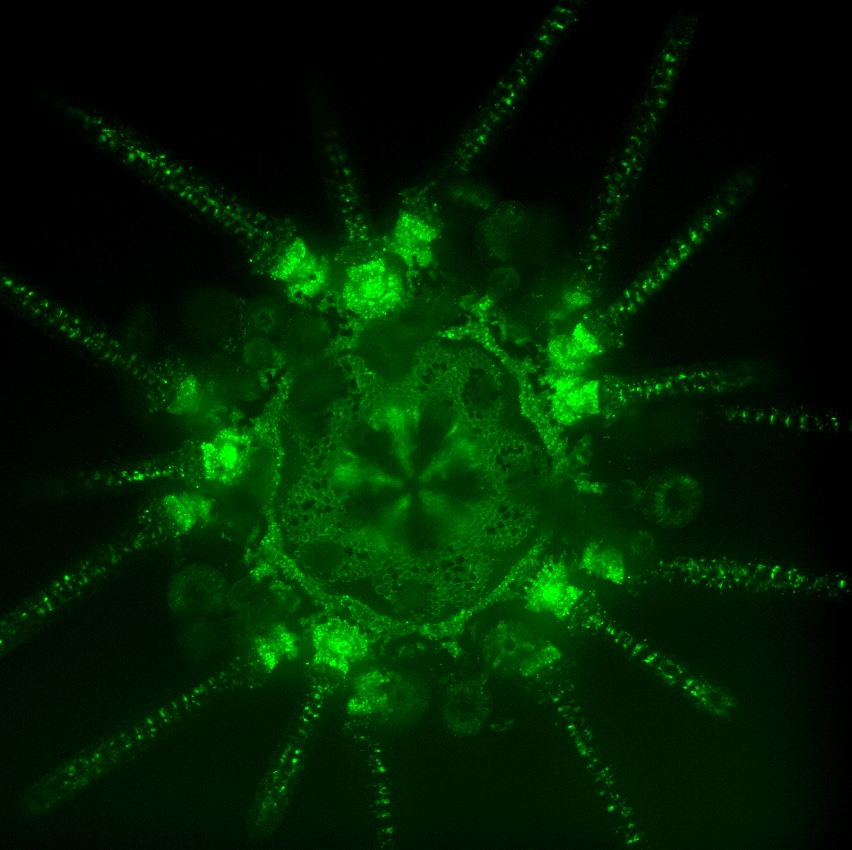
✴️Sea urchins have illuminated fertilization 🧫, early cleavage divisions 🔬, and gene regulation in embryonic patterning 🧬. A classic marine model that shaped our understanding of cell fate and axis formation. 📸 Image by Laurent Formery #ModelMonday#DevBio
I am looking for a new postdoc to join the lab. Interested in pluripotency, germ cells, and in investigating these in a genetically tractable cnidarian? Get in touch! We offer a long-term contract, excellent research environment, and a lovely city #Galway. https://t.co/2hLNLGNGxe
Today, I went through lab plasmid archive, some dating back to 1993. Holding this pages, I felt a profound admiration for the past, science and people behind the every note, every sketch, every experiment.