THIS MORNING:
WITH A PURE HEART, I AM SHARING THIS VERY POWERFUL PROTECTION WITH YOU
A REPOST:
It is meant to protect your home against people with evil intentions, criminals, thieves, and others
Nowadays, when you have money and are doing well, your enemies want to destroy you
Anyone who comes to visit you with evil intentions will have something happen to them right there on the spot
INSTRUCTIONS;
Find a snake 🐍 Burn it to ashes and grind it into a fine powder
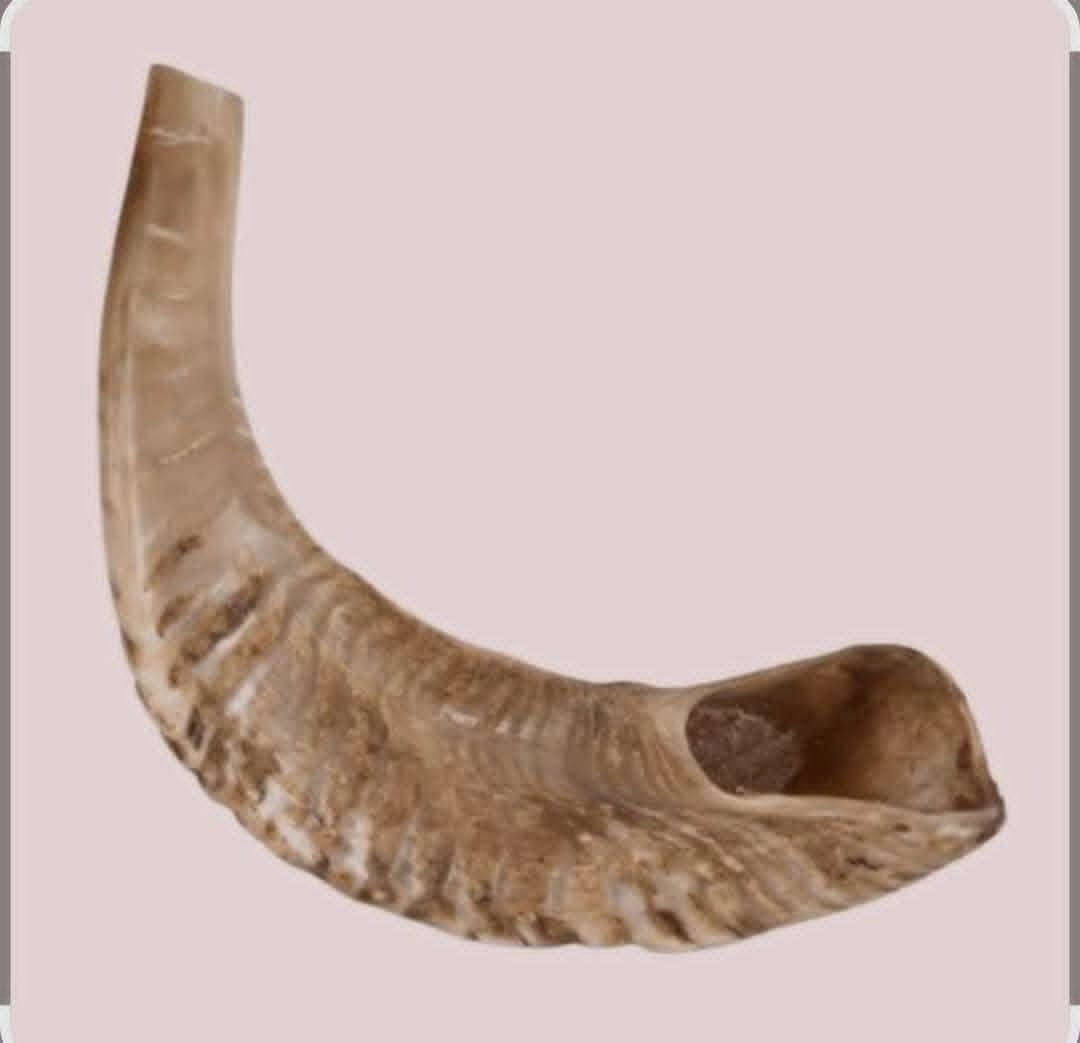
Put the powder inside a ram's horn
Tie the opening with a piece of black cloth, making a small hole in the middle of the fabric
Hang it at the entrance of your home, business premises, company, boutique or shop
That's it!
Whenever someone comes to your home with evil intentions, you will automatically witness the mystical departure of the snake from the horn
The snake will bite that person, and they will immediately be neutralised
THE ANTIDOTE:
Simply take a little of the snake powder, mix it with a little water and give it to the person to drink
This is what can save that person's life
I am sharing this with you from the heart
Shalom 🐍
Bondage Breaker that works for Appeasement.
Atude Ebe Agba.
Get 1 neat local chicken egg (ẹyin adie ibile)
In the night around 10 or 11 pm,remove all your clothes,break the egg inside transparent white glass cup,then pour a grinded camwood powder (osun lilọ) inside,.......
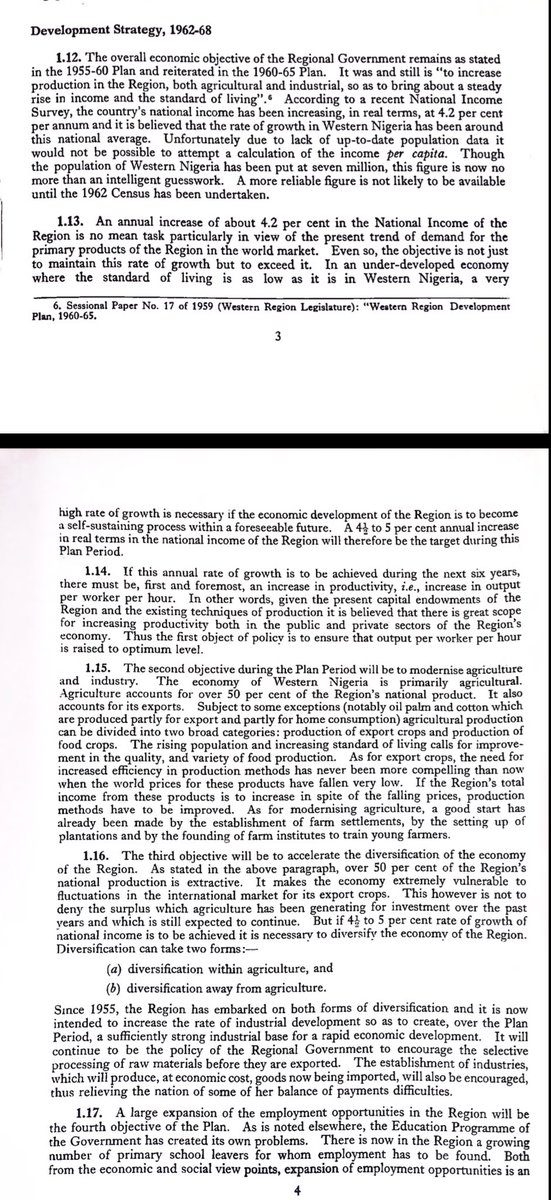
If you want to cry for the SW, read this Western Region Development Plan for 1962-68.
Before we even get to the numbers, we deserve so much better from our administrators. The coherence, the rigour, the framework for putting it together. @AigFoundation has talked about how essential a high functioning public service is to development.
When you compare the level of detail and care which went into simply documenting governance - the conferences which were published as volumes; the broad consultation of citizens; the aesthetics; the research culture - it’s worlds apart.
Today we talk about digitisation which is, of course, important but you have to put this plan in context. They didn’t have Google (or ChatGPT which some of your faves love). They had to sit in conferences, go to libraries and actually read the physical books, hand write notes, type it out on typewriters.
Mehnnnn my heart is so heavy, how did we lose it.
https://t.co/VlpzWL1Lti
There is a fundamental contradiction in the thinking of some African cultural nationalists who condemn Christian missionaries for introducing Western cultural influences into indigenous African societies during colonial rule. Many portray missionary schools, medical facilities and religious activities as part of a deliberate process of African deculturalisation. Yet, ironically, they continue to speak European languages, practise Christianity, use Western medicine and embrace other aspects of Western lifestyles.
The question is: if these cultural influences are considered unacceptable historical impositions, why do those who condemn their introduction continue to embrace them? As free individuals, they can abandon these practices, stop speaking European languages, reject Christianity and rely exclusively on indigenous medicine if they consider these influences incompatible with African identity.
The point is not to defend colonialism or romanticise missionary activities. It is to distinguish historical colonial oppression from the choices Africans made in engaging with foreign cultural influences. In many instances, Africans actively embraced missionary education, Christianity and Western medical services out of their own interests and convictions, while retaining significant aspects of their indigenous languages, customs, beliefs and lifestyles.
Colonial history cannot be undone, but Africans today, as individuals, are free to determine which cultural influences they retain, adapt or discard. African identity does not have to be defined by the wholesale rejection of everything introduced from outside the continent.
Ultimately, it is difficult to reconcile the condemnation of Western cultural influences as instruments of deculturalisation with the continued voluntary embrace of those very influences. Cultural authenticity should not be measured by the rejection of foreign cultural practices, but by the freedom to make independent choices about one's cultural identity.
Two excellent books whose authors have done remarkable work in documenting and preserving Igbo names:
1. A Dictionary of Igbo Names by Chibuzo N. A. Uruakpa.
2. Afamefuna: An Encyclopedia of Igbo Names by Ngozi Ezenwa-Ohaeto.
#TO__REMOVE__WITCHCRAFT__SPELLS__USING__THE__FEET__OF__A__BLACK__HEN
I promised to share this secret, and now it is available to you
All you have to do is to be grateful you meet this page
PROCESS;
Go to the market and buy a black hen
First, slaughter the hen, then cut off both feet
Place the two feet over a charcoal or wood fire
Next, take off all your clothes and cover yourself with a bedsheet so that the smoke passes over your body
I swear by Allah, if you have been placed under a spell or have a jinn (spiritual entity) inside you, this ritual will remove it immediately
Even if you have been spiritually bound in a shrine, after performing this ritual, you will be set free
It removes spells, clears blockages and also attracts good luck
You can also spread this smoke throughout your house
No witch will ever be able to enter
It removes negative spiritual influences from a place
Even if just a tiny drop of this smoke touches you, it will make you feel frightened and cause physical exhaustion because of the spiritual cleansing
Shalom 🧙♀️
@Kene_Nnewi The conclusion is wrong,
Am an Aru man and my ancestors settle in Ohafia now,
Never did the call themselves Ibom people or Ibibio,
Yes we and Ibibio are family
Why is Peter Obi wasting his time renting hall only for Tinubu to pressure owners to cancel.
Just announce you're coming to a state, drive through the city in your car... Stop in front of a big city center, collect mega phone. Say one or two.
Jet to the next state, rinse and repeat. Tinubu failure already did most of your work sir.
Whats left is for Nigerians to not be a coward.
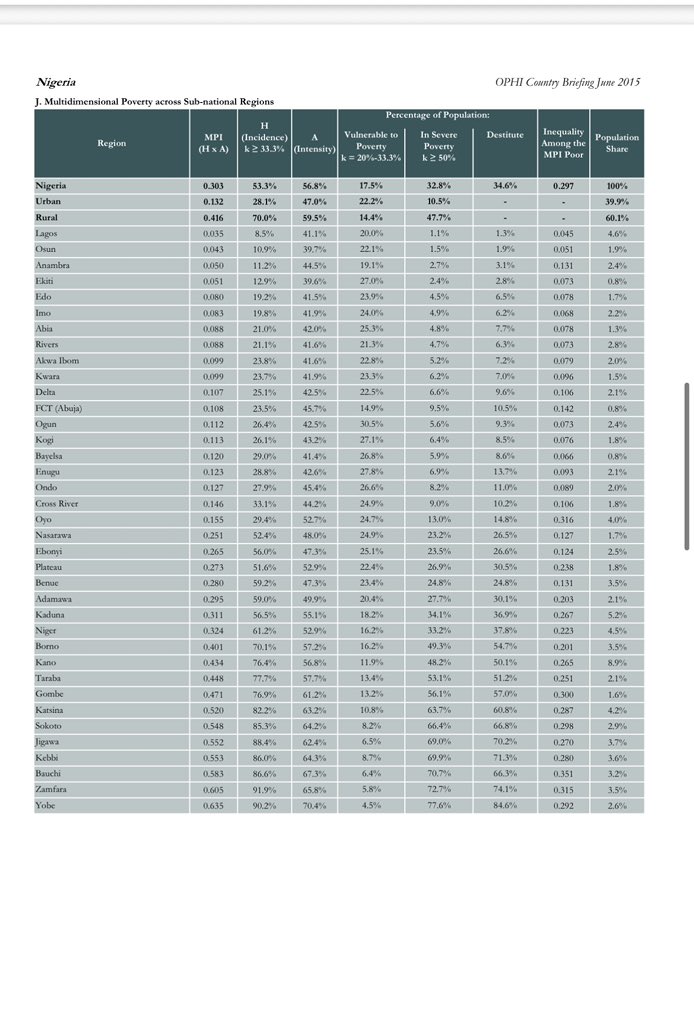
Anambra under @PeterObi had one of the lowest multidimensional poverty rates in the country. This OPHI’s Multidimensional Poverty Index (MPI) from June 2015 referencing data from 2013.
He did what he said he did and he is who he says he is. Obiano benefitted from the groundwork and Oso Soludo is benefitting to this day.
Go and verify. Good morning.
https://t.co/6qUBSoxdxK
the 11 s that determine how far a man goes in life
1. surrounding
2. spirituality
3. standard
4. speech
5. sexuality
6. state of mind
7. self-discipline
8. spending
9. skills
10. steps
11. savings
you might need to save this list.
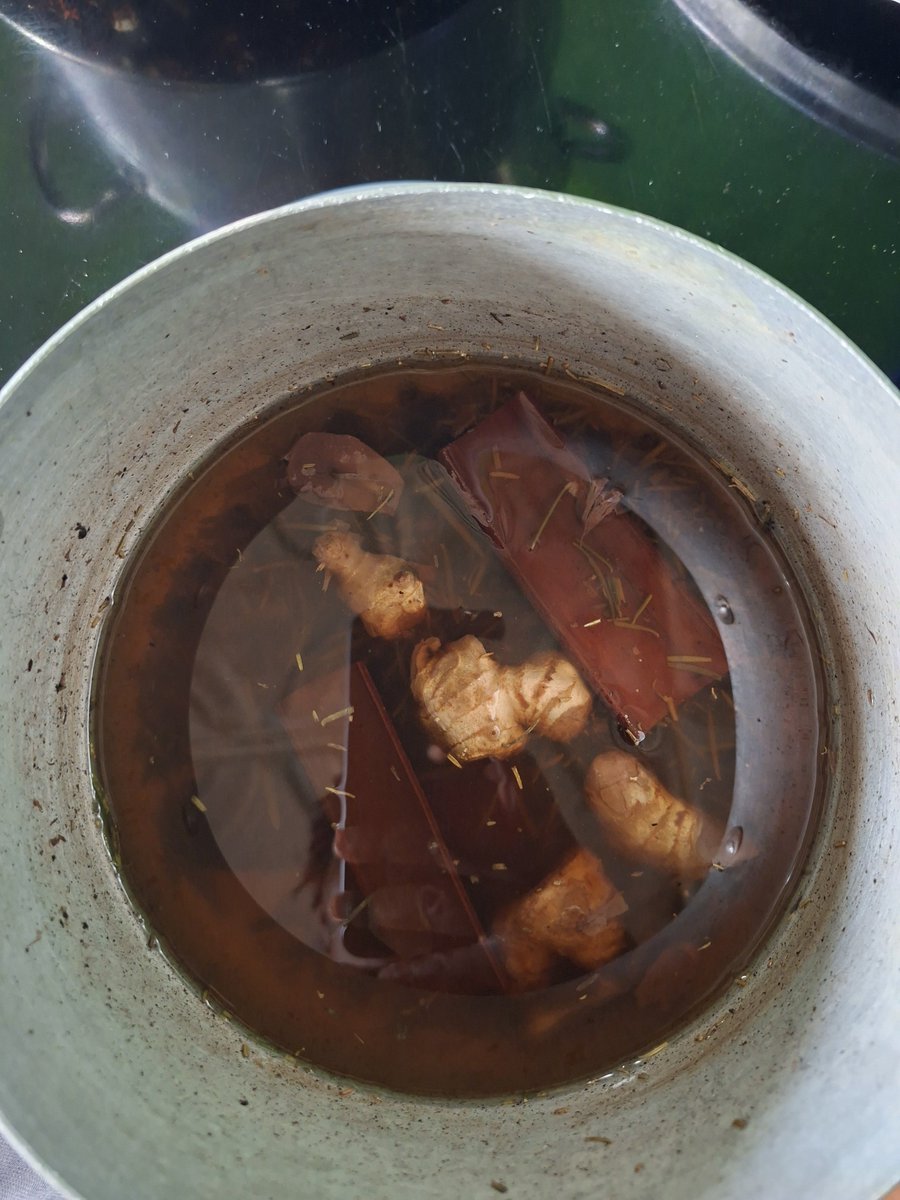
I have been taking this since my teenage years. My mum introduced it to us back then, and the last time I can remember falling sick was in my 200 level. That was about 12 years ago.
I don't have menstrual pain, no waist pain, and any rounds or styles my guy wants to go, I'm active.
Ginger, garlic, cloves and bay leaf.
Just boil them together and keep in the fridge.
Long before European ships dropped anchor off the West African coast, slavery was already an established institution across Africa.
What changed in the 1500s wasn't the morality, it was the scale.
Foreign traders arrived with global demand, and powerful African kingdoms saw an economic opportunity. They turned their neighbors into an export commodity.
Dahomey, Ashanti, Oyo, Kongo, Zanzibar, these empires didn't build their wealth by defending their borders against foreign invaders. They built it by raiding rival towns, capturing prisoners of war, and marching them to coastal forts in chains.
For over three centuries, Europeans rarely stepped far inland. Tropical diseases killed them, and African armies were too strong to conquer.
They didn't need to invade; they simply anchored offshore and waited. Local rulers supplied the market.
The business model was brutally simple: sell captives for muskets, use the muskets to capture more people, and trade them for more weapons.
When Britain finally abolished the slave trade in 1807, the Ashanti king didn't celebrate. He sent envoys to ask why the British were ruining a profitable partnership.
This is the uncomfortable truth that disrupts the simple narrative of pure victimhood. There was no unified "Africa" that was suddenly betrayed.
There were rival kingdoms competing for dominance, willing to trade away their neighbors for short-term wealth and military advantage.
The real tragedy isn't just what happened centuries ago, it's that the business model never changed.
When the trade in human beings ended, the elite simply switched commodities. First it was ivory and rubber. Then gold and diamonds. Today, it is cobalt, platinum, and lithium.
The formula remains identical: extract raw value, hand it over to foreign buyers for a quick payout, and fight internally over the scraps while the rest of the world builds empires off our resources.
Blaming the buyer is easy, because a pure victim carries no responsibility to change.
Facing the truth is harder. Until we confront why African leaders consistently trade away long-term sovereignty for short-term profit, history will keep repeating itself.
The ships will change. The buyers will change. The raw materials will change.
The only thing that stays the same is the willingness to sell.
https://t.co/3HsbFrA4eZ